
Vitamin D deficiency – causes, symptoms and what you can do about it
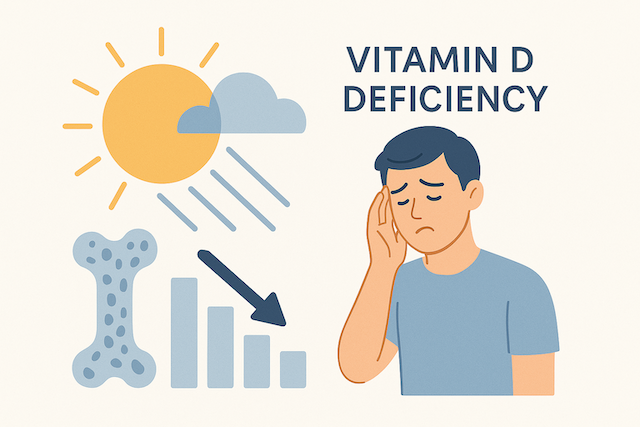
Vitamin D is one of the most important vitamins for your health. It supports your bones, muscles, and immune system, and even influences your mental well-being. However, a vitamin D deficiency is widespread – especially in our latitudes, where there is little sunlight in winter.
But what exactly does such a deficiency mean? What causes it, how do you recognize the symptoms, and what can you do about it? This guide provides all the answers and shows you how to gain clarity about your vitamin D status with a simple self-test.
👉 If you want to know your vitamin D levels immediately: Here you can find the Vitamin D self-test , which you can conveniently perform from home.
Why Vitamin D is so important
Vitamin D is a fat-soluble vitamin and is also called the "sunshine vitamin" because your body produces most of it itself through UV-B radiation in the skin. It is involved in a multitude of vital processes:
-
Regulation of calcium and phosphate metabolism → crucial for bone strength and dental health
-
Support of muscle function and nerve conduction
-
Strengthening the immune system → protection against infections
-
Impact on mental health → fewer low moods and depression
-
Role in cell division and inflammatory processes
A deficiency can therefore have diverse effects and often go unnoticed.
👉 You can find more information about holistic health on the MyBodyX homepage .
Causes of Vitamin D Deficiency
There are many reasons why your body might have too little vitamin D. The most common causes include:
-
Too little sunlight : Especially in winter or if you spend a lot of time indoors.
-
Age : As we age, the skin's ability to produce vitamin D decreases.
-
Skin color : People with dark skin produce less vitamin D with the same sun exposure.
-
Overweight : Vitamin D is fat-soluble and can be "trapped" in fatty tissue.
-
Diseases : Chronic intestinal diseases or liver problems can impair absorption and utilization.
-
Medications : Some drugs (e.g., cortisone, certain antiepileptics) affect vitamin D metabolism.
Symptoms of a vitamin D deficiency
The symptoms are often nonspecific and easily attributed to other causes. Typical signs include:
-
Tiredness and exhaustion
-
Muscle weakness and pain
-
Bone pain or increased susceptibility to fractures
-
Low moods or depressive moods
-
Susceptibility to infection
-
Impaired wound healing
In children, a deficiency can even lead to rickets, and in adults to osteomalacia or osteoporosis.
Risks of Vitamin D Deficiency
A persistent vitamin D deficiency can have serious health consequences. Besides weak bones, it also increases the risk of:
-
Osteoporosis in old age
-
Cardiovascular diseases
-
Muscle weakness with increased risk of falls
-
weakened immune system with more frequent infections
-
possible links with diabetes and autoimmune diseases
Those who are particularly at risk
Some groups are particularly vulnerable:
-
Older people
-
People with dark skin
-
People who rarely go outside
-
People with chronic diseases (intestine, liver, kidney)
-
Overweight
If you recognize yourself in one of these groups, you should definitely have your vitamin D levels tested.
👉 You can find a simple option in the self-test overview .
How to treat a vitamin D deficiency
Fortunately, this deficiency is easily treatable. The most important measures are:
1. Sunlight
Regular time spent outdoors, especially between April and September. Even 15–30 minutes of sun on the face, arms and legs can be sufficient.
2. Nutrition
Foods containing vitamin D help to meet the need, even if they are not sufficient on their own:
-
Oily fish (salmon, mackerel, herring, sardines)
-
Eggs (especially egg yolks)
-
Mushrooms (especially rich when UV-treated)
-
Fortified products (e.g. margarine, plant-based milk)
3. Supplementation
In many cases, doctors or experts recommend vitamin D3 supplementation. The dosage should ideally be determined after a test, as overdoses also pose risks.
How to permanently avoid vitamin D deficiency
A combination of sunlight, a balanced diet, and, if necessary, supplements ensures stable levels. Most importantly, however, is to check your levels regularly – because that's the only way to know if your body is really getting enough vitamin D.
👉 With the Vitamin D self-test, you quickly get certainty and can take targeted action.
FAQ – Frequently Asked Questions
1. What causes vitamin D deficiency despite supplementation?
Possibly due to absorption disorders in the intestine, medications, or diseases that hinder utilization.
2. Which symptoms are particularly indicative of a deficiency?
Frequent fatigue, muscle pain, low mood and increased susceptibility to infections.
3. How can vitamin D deficiency be treated permanently?
With a combination of sunlight, vitamin D-rich foods and, if necessary, dietary supplements.
4. Who is at particularly high risk?
Especially older people, people with dark skin, people who are overweight or have chronic illnesses.
5. How can I test my vitamin D levels?
It's very easy with a vitamin D self-test or via medical blood tests.
Conclusion
Vitamin D deficiency is widespread and can cause many ailments – from fatigue to bone weakness. People with little sun exposure, chronic illnesses, or those of advanced age are particularly at risk.
With sunlight, a targeted diet, and possibly supplements, you can bring your levels back into balance. Most importantly: Know your level.
👉 With the vitamin D self-test or the offers in the self-test overview , you can quickly find out if you are affected. You can read more about holistic health solutions on the MyBodyX homepage .



Share:
Food intolerance test: Find out what's good for you.
Gluten intolerance and rice: How to enjoy it safely and without discomfort