
Gluten intolerance and rice: How to enjoy it safely and without discomfort
To get straight to the point: Yes, rice is not only safe for people with gluten intolerance, but also an excellent choice. It is naturally completely gluten-free and therefore a reliable staple food if you have to avoid grains such as wheat, barley, or rye.
What you should know about gluten and rice
If you have been diagnosed with gluten intolerance or suspect that you react sensitively to it, you may feel uncertain at first. What can I eat at all? The good news is that you do not have to give up one of the world’s most versatile and popular side dishes. Rice is your faithful companion for an enjoyable and balanced diet.
But what exactly is gluten? Think of it as a natural “glue.” This mixture of proteins occurs in certain types of grain and ensures that bread becomes nice and airy and dough stays elastic. In some people, however, this very protein causes health problems—from mild discomfort to serious intestinal inflammation.
Not every intolerance is the same
It is important to understand that not every reaction to gluten has the same cause. To better assess your own situation, it helps to know the three main forms:
- Celiac disease: A serious autoimmune disease. Gluten triggers chronic inflammation of the small intestinal lining, which can cause severe damage if left untreated.
- Non-celiac gluten sensitivity (NCGS): Those affected experience symptoms similar to those of celiac disease, such as abdominal pain, bloating, and headaches, without any detectable autoimmune reaction or allergy.
- Wheat allergy: This is a classic allergic reaction. Your immune system reacts to various proteins in wheat—not just gluten.
This infographic gives you a quick overview of how common these intolerances actually are among the population.
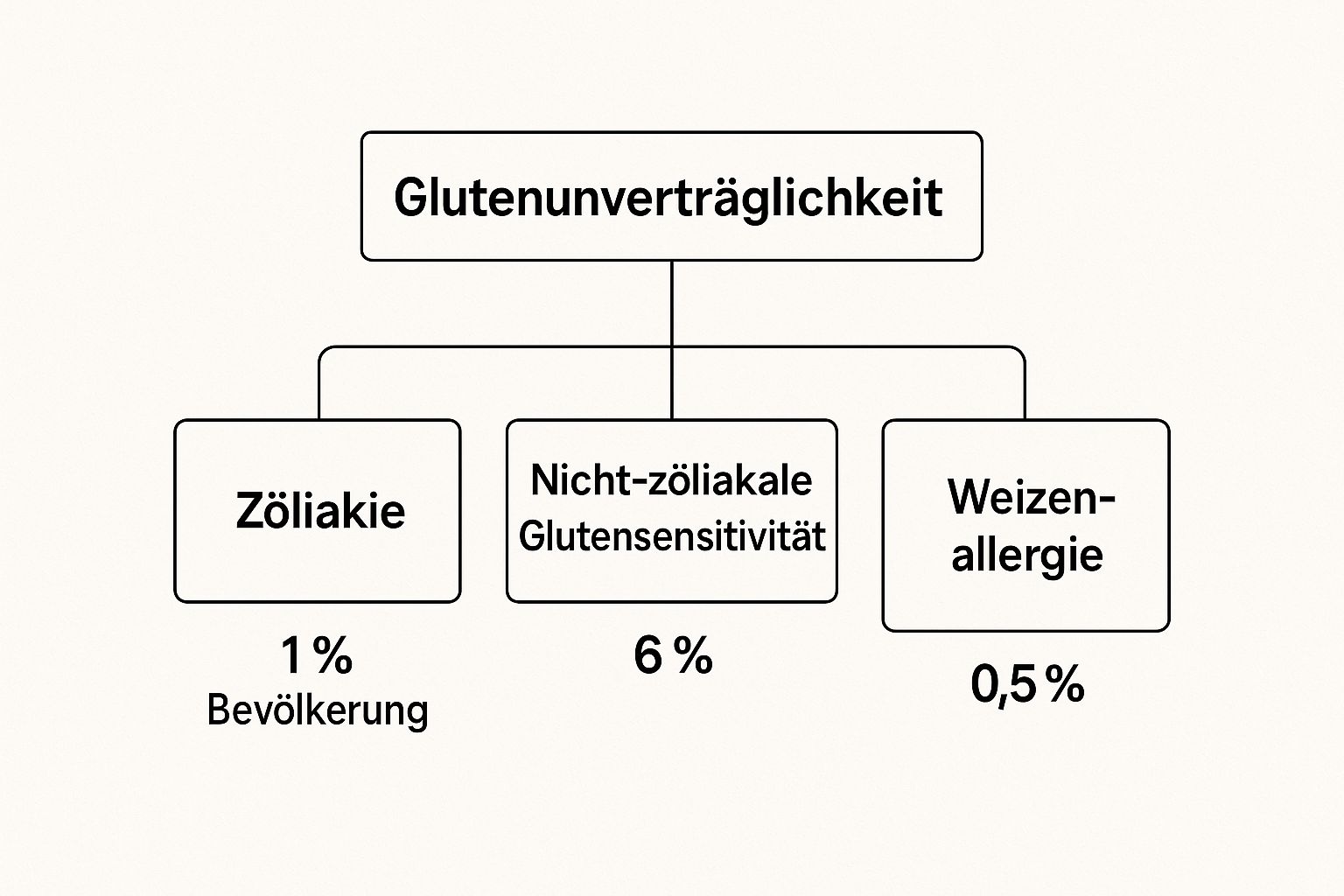
It is clear: Non-celiac gluten sensitivity is much more widespread than celiac disease or a wheat allergy.
In Germany, around 1% of the population is affected by celiac disease, which corresponds to approximately 830,000 people. However, the number of unreported cases is high: Experts assume that up to 90% of cases remain undetected because the symptoms are often nonspecific and are not correctly identified.
If you’d like to explore the differences between celiac disease and gluten sensitivity in greater depth, read our comprehensive guide to celiac disease and gluten intolerance.
Which rice varieties are best suited to your gluten-free diet?
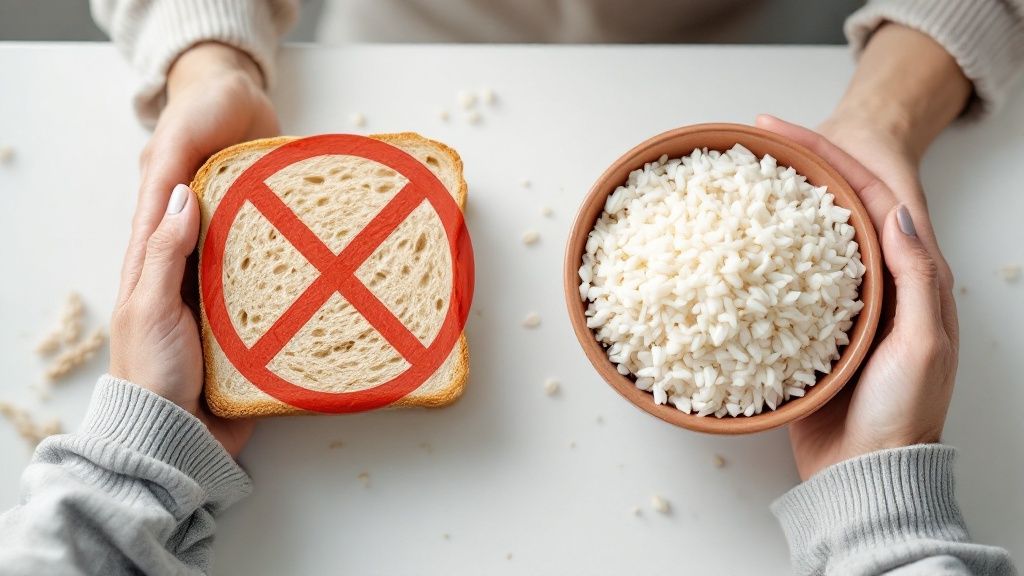
Since rice is such a safe choice when you have gluten intolerance, it’s absolutely worth taking a look at the huge variety available. Each variety brings not only its own unique flavor, but also its own nutrient profile. This adds variety to your plate while doing your body some good at the same time.
Rice is much more than just a bland side dish. Think of it as a main ingredient that can take your dishes to the next level! Whether fragrant long-grain rice or nutty whole-grain rice, the selection is truly enormous, and there’s a perfect variety for every recipe.
The most popular rice varieties at a glance
To make getting started a little easier, we’ve summarized the best-known and most nutrient-rich rice varieties for you here. Each has its own strengths and pairs well with different dishes.
- Basmati rice: The classic above all! This aromatic long-grain rice from the Himalayan region has a wonderfully nutty fragrance and a loose, separate texture. Perfect for Indian curries and Oriental dishes.
- Jasmine rice: It’s the fragrant relative of basmati rice and comes mainly from Thailand. Its aroma is a little more floral and sweet, and it’s slightly stickier—ideal for almost all Asian dishes.
- Whole-grain rice (brown rice): The valuable bran layer is left intact, and you can taste it! The result is a robust, nutty flavor and a significant boost of fiber, B vitamins, and minerals such as magnesium. It keeps you full for longer and is great for your digestion.
- Wild rice: Strictly speaking, it isn’t rice at all, but the seed of an aquatic grass. But that doesn’t make it any less delicious! It has a bold, earthy flavor and a firm, chewy texture. It’s especially rich in protein, fiber, and antioxidants.
A little tip for boosting your nutrients: Choose whole-grain rice regularly. The fiber it contains not only benefits your gut, but also helps keep your blood sugar levels balanced—an actual win for your overall well-being.
Nutritional values compared directly
To make the decision even easier, here’s a quick overview. This way, you can see the differences at a glance and choose exactly the variety that best suits you and your needs right now.
| Rice variety | Key feature | Especially rich in |
|---|---|---|
| Basmati rice | Fragrant and fluffy | Energy (carbohydrates) |
| Jasmine rice | Floral and slightly sticky | Energy (carbohydrates) |
| Brown rice | Nutty and pleasantly firm | Fiber, B vitamins |
| Wild rice | Earthy and firm | Protein, fiber |
When you alternate between these varieties, you not only create explosions of flavor in the kitchen, but also provide your body with a broad range of important nutrients. With a gluten intolerance, rice is much more than a simple substitute—it is a valuable partner for a balanced and delicious diet. Just try them all and find your favorites
Cross-contamination as a hidden gluten trap
Okay, we have established that rice is naturally gluten-free. That is half the battle. But there is a small catch on the way from the rice field to your home—the so-called cross-contamination. It sounds complicated, but it simply means that your otherwise safe rice unintentionally comes into contact with gluten.
Picture this: At a production facility, wheat is processed on the same machine first, followed by your rice. If it is not thoroughly cleaned in between, tiny traces of gluten can end up on the rice grains. For most people, this does not matter at all, but with celiac disease or severe gluten sensitivity, even such traces are enough to trigger symptoms.
Where risks lurk in everyday life
Cross-contamination can happen in many places, often completely unnoticed. It is a bit like pollen in the air—you cannot see it, but it is there. The most important thing is to develop an awareness of these invisible dangers.
Here are the most common pitfalls for gluten-free rice:
- In the field and at the mill: Are gluten-containing grains and rice grown alternately in the fields? Do both go through the same harvesting machines and conveyor belts without everything being thoroughly cleaned in between? This is a classic source of danger.
- During transport and storage: If bags of rice are stored directly next to bags of wheat, fine flour dust can be transferred. It happens faster than you might think.
- At the store: Package-free stores are great for the environment, but extra caution is needed here. Open containers and shared scoops are a known risk.
- In your own kitchen: This is the place you have the most control over! A cutting board you just used to slice regular bread, a toaster used for both, or the same cooking water for pasta and rice—all of these are typical household traps.
Important note: Avoiding cross-contamination is especially important for people with diagnosed celiac disease. Even the smallest trace of gluten can reignite the inflammatory response in the small intestine and damage the intestinal lining. If you want to learn more about the background, take a look at our article about the differences between celiac disease and gluten intolerance.
How to protect yourself effectively
The good news is that you are not helpless in this situation! With a few simple but conscious habits, you can significantly reduce the risk of cross-contamination. It is about creating new routines that will soon become second nature.
Here is a small checklist for your everyday life:
- Shop smart: It is best to choose tightly sealed rice packages. Products specifically certified as “gluten-free” (often recognizable by the crossed-out ear of wheat symbol) give you the greatest peace of mind.
- Store properly: Set up a “gluten-free zone” in your home. Store rice and other gluten-free products separately, preferably on their own shelf or in tightly sealed containers.
- Keep the kitchen separate: Use separate kitchen utensils. A separate cutting board (perhaps in a different color?), wooden spoons of your own, and a separate strainer used only for gluten-free dishes can work wonders. Always clean work surfaces thoroughly before cooking!
- Prepare carefully: Always cook your rice in fresh water. It sounds obvious, but it is important: Never use water in which gluten-containing pasta was previously cooked.
If you follow these tips, you can ensure that your rice remains on the plate what it naturally is: a safe and delicious foundation for your meals.
How to recognize certified gluten-free rice at a glance
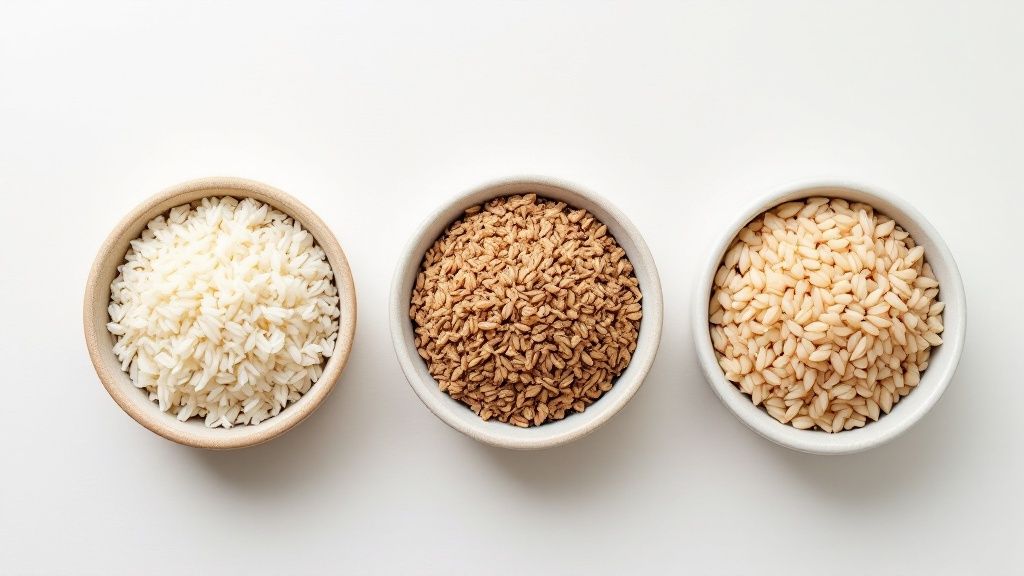
After looking at the risks of cross-contamination, you naturally want to play it safe when shopping. Fortunately, there are clear labels to help you find guaranteed gluten-free rice and rice products on the shelf.
The most important symbol to look for is the official seal for gluten-free products. You can recognize it by the crossed-out ear of wheat. This seal is licensed by celiac disease organizations throughout Europe and is much more than just a stylish logo on the packaging—it is a genuine promise of quality.
Products bearing this seal must meet strict legal requirements. The gluten content must not exceed the limit of 20 milligrams per kilogram (equivalent to 20 ppm). This level is considered safe for people with celiac disease or pronounced gluten sensitivity.
So, when you see this symbol, you can be sure that the manufacturer has taken special precautions. This means there are controlled production processes that virtually eliminate the risk of gluten contamination.
How to correctly interpret packaging and ingredients lists
In addition to the official seal, there are other indications on the packaging that can help guide you. Many manufacturers voluntarily print labels such as “gluten-free” or “naturally gluten-free” on their products. These are also reliable indicators.
A statement that often causes confusion is: “May contain traces of gluten.” You’ll often find this on products that don’t actually contain any gluten-containing ingredients. So what exactly does this mean for you?
- Not an ingredient, but a residual risk: The manufacturer includes this statement for legal protection because gluten-containing foods are also processed in the same facility. Cross-contamination therefore cannot be completely ruled out.
- Your personal tolerance is the deciding factor: If you have been diagnosed with celiac disease, you should avoid such products. However, if you have a mild gluten sensitivity, you may well tolerate them without any problems.
If you’d like to learn more about how a celiac disease diagnosis is made and which tests are required, take a look at our article on the celiac disease test. You’ll find all the important information there.
The safe choice when it comes to processed rice products
You should be especially vigilant with processed foods, even when rice is the main ingredient. Gluten can sometimes be hidden in binders, spice blends, or flavorings.
Here are a few typical examples where it’s worth taking a closer look:
- Rice noodles: Most are gluten-free, but some varieties contain wheat flour to improve their texture.
- Rice flour: It’s best to buy only rice flour that is explicitly labeled gluten-free. Otherwise, it may have been milled in facilities that also process wheat.
- Rice cakes and crackers: Be sure to read the ingredients list. Barley malt extract or other gluten-containing flavorings are sometimes added.
With this knowledge, you’ll be well prepared for your next grocery shop. This means you can enjoy rice safely and with peace of mind if you have a gluten intolerance and make informed choices that are good for your body.
When Symptoms Persist Despite a Gluten-Free Diet
You are really making an effort, paying close attention to your diet, avoiding gluten wherever you can, and choosing safe foods such as rice—and yet the symptoms continue to plague you? That is not only incredibly frustrating, but can also make you feel genuinely uncertain. If symptoms such as stomach pain, bloating, or constant fatigue simply refuse to go away even though you are doing everything right, there could be various reasons.
A very common cause is that your body may not be reacting only to gluten. The tricky part is that the symptoms of many food intolerances look remarkably similar. A completely different reaction that has simply gone undetected so far may be behind your problems. Think of it like a puzzle: just because you have found the first piece does not mean the picture is complete.
More Than Just Gluten in Focus
The world of food intolerances is quite complex. Besides the well-known gluten, there are a number of other substances in foods that can trigger very similar reactions.
Here are a few possible suspects:
- Lactose: The sugar found in milk and many dairy products is a classic cause of digestive problems.
- Fructose: Fruit sugar, found in fruit as well as in many sweetened products, can also cause discomfort.
- Histamine: This substance is found, for example, in aged cheese, red wine, and cured meats, and can become a problem for some people.
- Other grains: Yes, even some gluten-free grains can trigger reactions in sensitive individuals.
Awareness of these connections is steadily growing. Experts estimate that around 5% of the population worldwide is affected by gluten-related diseases. This highlights how important an accurate diagnosis and an individual approach are to truly helping those affected. If you would like to delve deeper into the background and market for treatment solutions, you can find fascinating insights in this report on gluten intolerance.
Find clarity with an intolerance test
To break out of this endless cycle of uncertainty, you need reliable information. You need to know what is really going on in your body. So instead of continuing to grope around in the dark and guess, you can take matters into your own hands.
Taking a targeted look at your individual reactions is often the decisive step toward greater well-being. It is about listening to your body again and asking it the right questions.
This is exactly where the mybody-x Intolerance Test comes in. It offers you a wonderfully simple and convenient way to finally gain clarity from the comfort of your home. With just a tiny blood sample from your fingertip, our certified laboratory analyzes your reaction to a wide range of foods. You then receive an easy-to-understand report that clearly shows what your body reacts to—and what it does not.
With this analysis, you have a sound basis for specifically adjusting your meal plan and finally uncovering the real culprits behind your symptoms. Also take a look at our detailed article on uncovering intolerances to learn more. With this knowledge, you can take charge of your well-being again.
Your path to safe enjoyment with rice
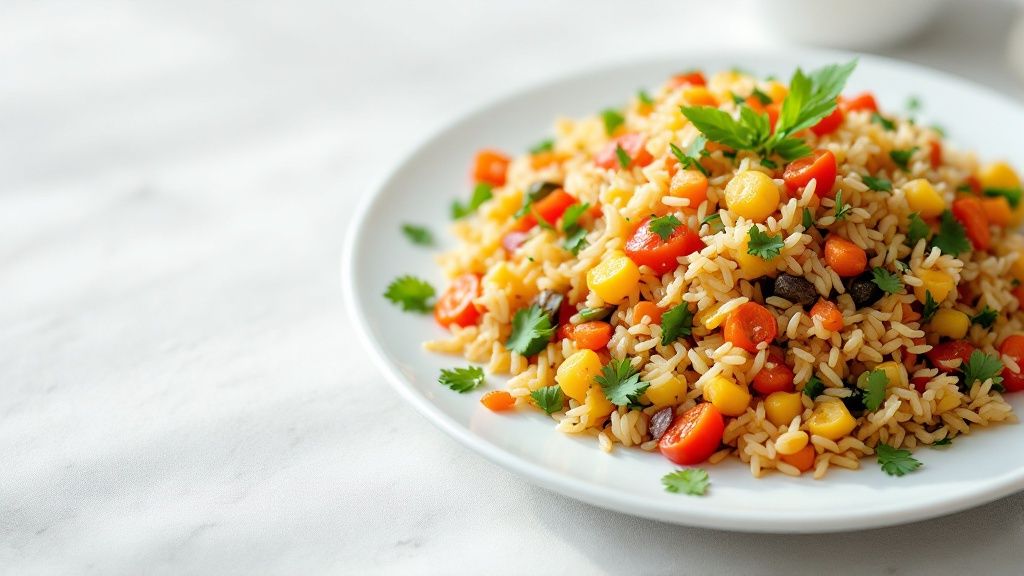
Let’s summarize the most important points once again: rice is and remains a fantastic and safe foundation for your diet if you need to avoid gluten. The key to carefree enjoyment lies in the details—it is about making conscious choices.
If you keep a few key points in mind, you are completely on the safe side. Always remember: rice is naturally gluten-free. When shopping, however, still look for certified products to rule out any residual risk. And in your own kitchen, careful preparation is essential to avoid cross-contamination.
Your path to greater well-being begins with knowledge and trust in your body. Listen to its signals and be curious to discover the enormous variety of rice types that can enrich your meals.
If you continue to experience symptoms despite taking every precaution, it is important to get clarity. Sometimes completely different intolerances are behind them, and these can trigger symptoms very similar to those of gluten intolerance.
To find out what is really behind your symptoms, the mybody-x Intolerance Test can be a valuable aid. It analyzes your reactions to many different foods and gives you a sound basis for specifically adjusting your diet and taking charge of your well-being again.
Your most pressing questions about rice and gluten—answered briefly and clearly
Finally, we’d like to answer a few questions that come up time and again in everyday life when it comes to rice and a gluten-free diet. This short guide is designed to help you feel even more confident and relaxed about your food.
Does glutinous rice contain gluten?
No, even though the name might suggest otherwise! The sticky quality of glutinous rice (sometimes also called mochi rice) has nothing to do with the gluten protein. Instead, it is caused by its high content of amylopectin, a particular type of starch. So don’t worry—you can enjoy it without hesitation!
Are rice cakes automatically gluten-free?
Unfortunately, not always. Although rice is the main ingredient, it’s worth taking a close look at the ingredients list. Sometimes gluten-containing additives, such as barley malt extract, sneak in to improve the flavor. To be on the safe side, look for the official gluten-free seal.
Checking the packaging takes only a few seconds, but protects you from unpleasant surprises. This way, you can truly enjoy your snacks without a worry.
Why are more and more people paying attention to gluten?
Awareness of our own diets and how they affect our well-being has grown enormously in recent years. The figures show this too: Around 2.16 million people in Germany, or approximately 3% of the population, have recently made a conscious decision to buy gluten-free products. So it’s no longer a niche topic! If you’d like to take a deeper dive into consumption trends for gluten-free foods, you’ll find some fascinating insights here.
Can you be allergic to rice?
Yes, this is possible, although a true rice allergy is quite rare. The symptoms can strongly resemble those of gluten intolerance. So if you continue to experience symptoms despite following a gluten-free diet, it may be worth consulting a doctor to get to the bottom of the issue.
Do you have the feeling that not only gluten, but also other foods may be behind your symptoms? At mybody-x, you’ll find scientifically backed blood tests for use at home. They give you clarity and help you tailor your diet perfectly to your body’s needs. Discover your options now at https://mybody-x.com.



Share now:
Food Intolerance Test: Find out what works well for you
Test your hormone levels: Here’s how to gain clarity simply and understandably