
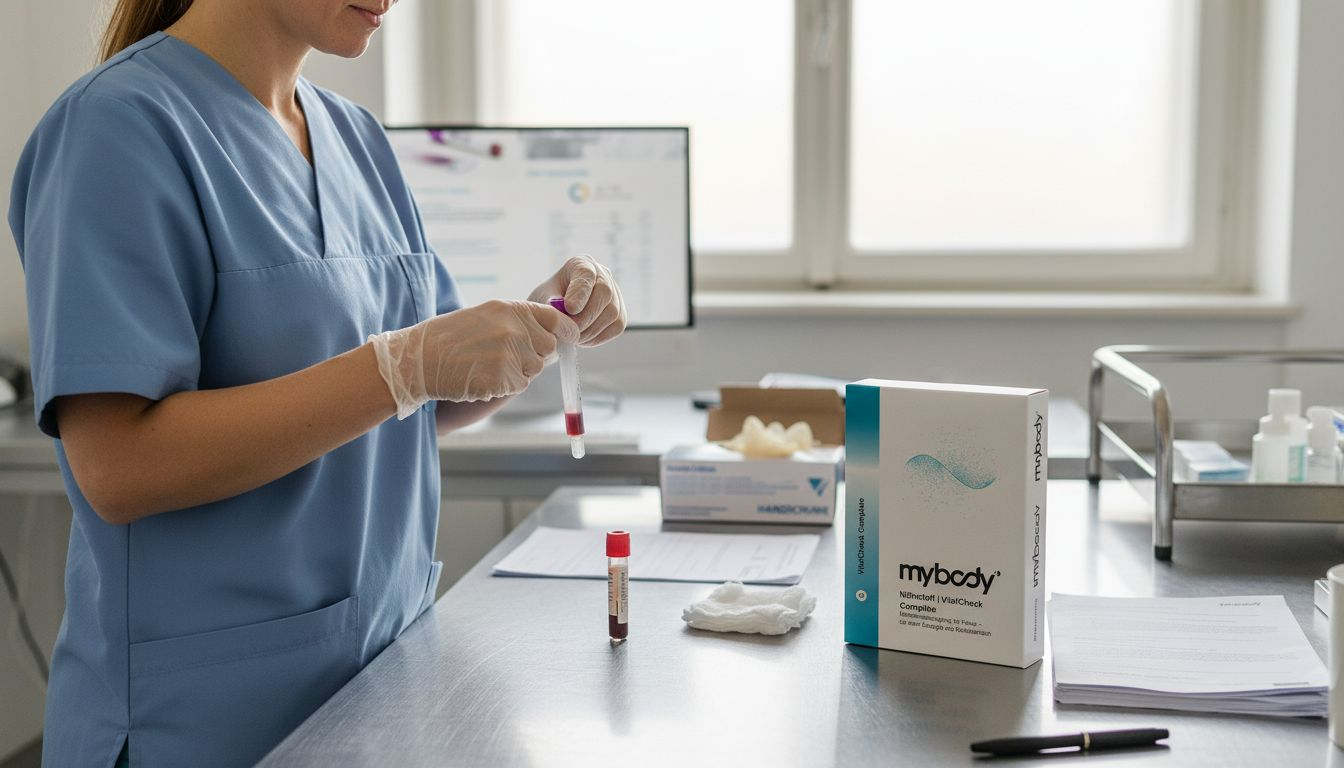
Differences Between Blood and Saliva Tests: Effects and Applications
More than 80 percent of adults in Central Europe want precise information about their own state of health. For anyone who wants to improve their nutrition and well-being in a targeted way, blood and saliva tests offer new possibilities for an individual health check. Those who want to know how these methods work and where the differences lie will find concise facts here about their applications, accuracy, and practical everyday benefits.
Table of contents
- Blood and Saliva Tests: Definition and Basics
- Areas of application and typical uses of both tests
- Procedure and accuracy compared
- Advantages and Disadvantages for Health and Everyday Life
- Costs, data security, and legal aspects
Key findings
| Point | Details |
|---|---|
| Blood tests and saliva tests differ fundamentally | Blood tests are invasive and enable comprehensive analyses, while saliva tests are non-invasive and suitable for hormone analyses. |
| Areas of application vary | Blood tests are used for comprehensive health examinations, while saliva tests are used especially in dentistry and for stress hormone analyses. |
| Costs and legal aspects vary | Blood tests cost between 50 and 300 euros, while saliva tests are less expensive (30 to 150 euros) and often easier to perform. |
| Expert advice is essential | Before deciding on a test, you should consult a healthcare professional to determine the best method for your individual health goals. |
Blood and Saliva Tests: Definition and Basics
Blood and saliva tests are modern diagnostic procedures that provide us with deep insights into our state of health. Both testing methods are used to obtain important information about the body, but they differ fundamentally in how they are performed and what they reveal.
The blood test is an established medical examination method in which blood samples are taken directly from a vein. This method enables a comprehensive analysis of hormones, nutrients, inflammatory markers, and other important health parameters. Hormone levels can be determined precisely particularly well through blood tests, which measure bound and total hormone levels.
The saliva test, on the other hand, is a non-invasive alternative that is painless and easy to perform. It analyzes the free, biologically active hormones directly in the cells and is particularly well suited for examining cyclical hormone fluctuations. Saliva contains valuable information about bacteria, enzymes, and hormones that can provide insights into general health.
Blood and saliva tests mainly differ in the following aspects:
- Collection method: blood (invasive) vs. saliva (non-invasive)
- Hormone measurement: bound vs. free hormones
- Feasibility: doctor's office vs. at home
Pro tip: Always consult a healthcare professional before choosing a test to determine the optimal diagnostic method for you.
Areas of application and typical uses of both tests
Blood and saliva tests offer different diagnostic options that are used depending on the question and health objective. Both testing methods provide valuable information about our bodies, but have specific areas of application and strengths.
Blood tests are typically used for comprehensive health examinations. They are particularly suitable for analyzing nutrient status, hormone balance, inflammation markers, and metabolic parameters. Specific nutrient deficiencies can be identified through a detailed blood test that accurately measures minerals, vitamins, and trace elements.
Saliva tests, on the other hand, have specific areas of application that are less invasive. In dentistry, they are used to identify risks of gum disease at an early stage. They are also suitable for hormone analyses, particularly for examining cyclical hormone fluctuations and stress hormones.
Overview of typical areas of application:
-
Blood tests:
- Comprehensive health screenings
- Nutrient and mineral analyses
- Hormonal examinations
- Inflammation markers
-
Saliva tests:
- Dental health
- Hormonal measurements
- Stress hormone analyses
- Allergy tests
Pro tip: Combine different testing methods to gain a comprehensive understanding of your health, and consult a healthcare professional.
Here is a structured overview of the most important areas of application and benefits of both testing methods:
| Test method | Typical areas of application | Special benefits |
|---|---|---|
| Blood test | Nutrient analysis, inflammation markers | Comprehensive health data |
| Saliva test | Hormone status, dental health | At-home testing, flexible |
Procedure and accuracy compared
Blood and saliva tests differ fundamentally in their procedures, sample collection, and diagnostic precision. These differences directly affect the quality and reliability of test results for various health-related questions.
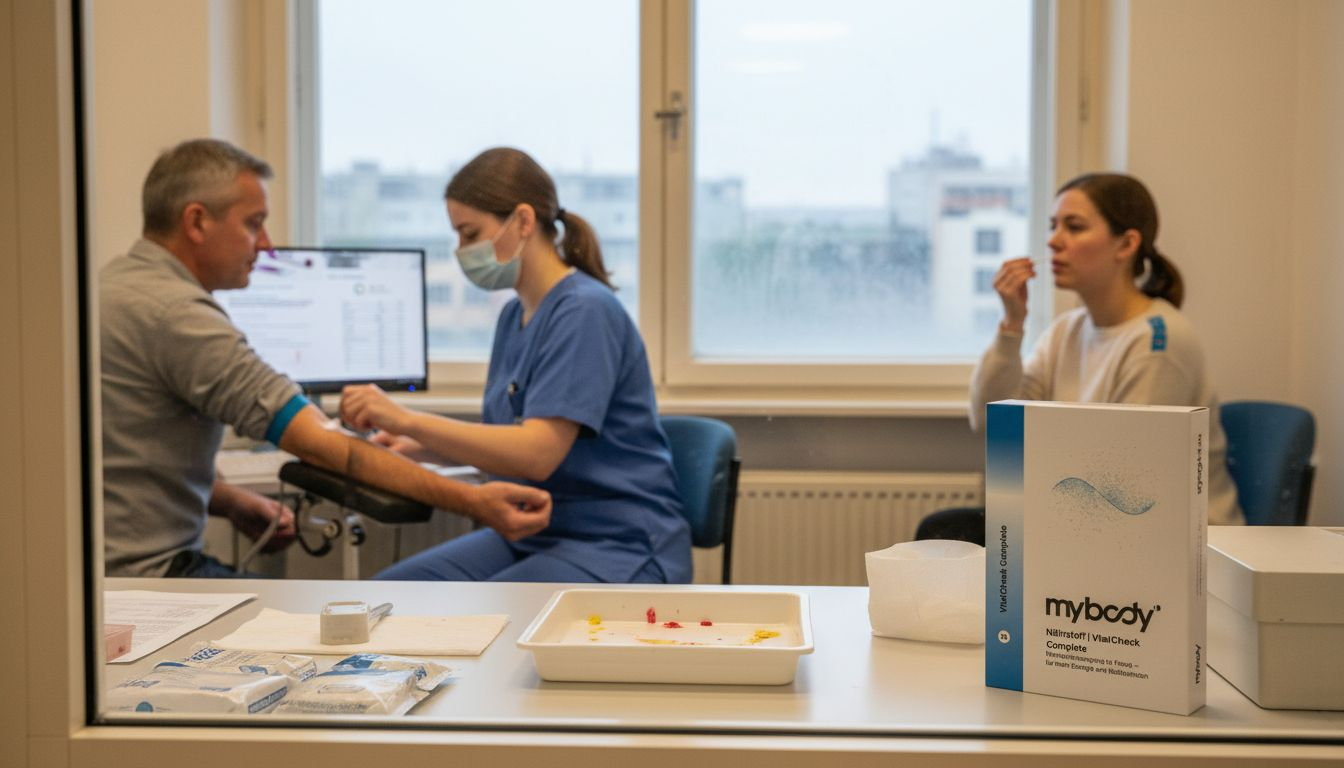
Blood tests require professional blood collection by medical personnel, with blood drawn directly from a vein. This method enables the hormone status to be determined precisely, comprehensively measuring total and bound hormones. Blood collection may be uncomfortable for some patients and requires a visit to a medical practice.
Saliva tests, on the other hand, offer a flexible, non-invasive alternative. They enable time-efficient sample collection directly at home. This method measures only free, biologically active hormones, which allows for a more precise analysis in certain contexts. Accuracy depends critically on the laboratory method used and the quality of the sample.
A Detailed Comparison of the Testing Methods:
-
Blood test:
- Professional Blood Collection
- Comprehensive Total Values
- Greater Invasiveness
- Accurate Assessment of Overall Hormone Balance
-
Saliva test:
- At-Home Sample Collection
- Measurement of Free Hormones
- Non-invasive
- Flexible to perform
Pro tip: Discuss the optimal testing method for your individual health goals with a medical professional beforehand.
Advantages and Disadvantages for Health and Everyday Life
Each testing method has specific advantages and disadvantages that vary depending on the individual health situation and personal needs. Choosing between a blood test and a saliva test requires careful consideration of their respective strengths and limitations.
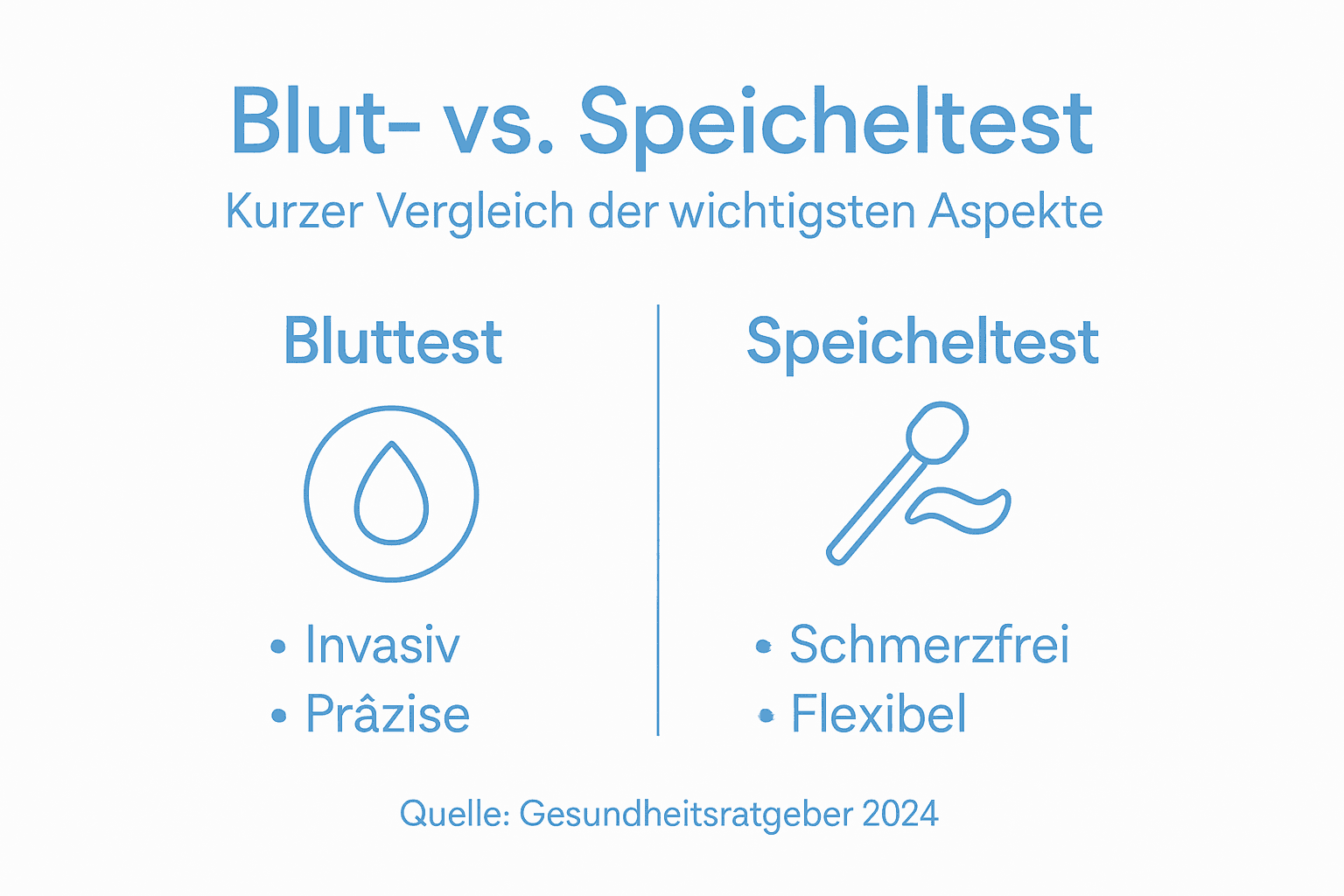
Saliva tests offer a significant advantage in terms of convenience: Painless and quick to perform, they are an attractive option for people who prefer not to have blood drawn. They can be performed conveniently at home and are particularly suitable for patients with a fear of needles or limited mobility.
Blood tests, on the other hand, provide more comprehensive and detailed health information. They enable an in-depth analysis of total hormones, nutrients, and inflammation markers that is not possible with saliva tests. Professional blood collection ensures high precision, but requires a visit to a medical practice and may be uncomfortable for some patients.
Comparison of advantages and disadvantages:
-
Saliva test:
- Advantages:
- Non-invasive
- Painless
- Flexible to perform
- Disadvantages:
- Limited diagnostic options
- Less comprehensive results
- Advantages:
-
Blood test:
- Advantages:
- Highly detailed results
- Comprehensive health analysis
- Accurate diagnosis
- Disadvantages:
- Invasive
- Unpleasant blood draw
- More time-consuming
- Advantages:
Pro tip: Consult a doctor to determine the optimal testing method for you based on your individual health goals.
Costs, data security, and legal aspects
Conducting medical tests requires not only medical but also legal and financial considerations. Blood and saliva tests differ significantly in their costs, data protection requirements, and legal frameworks.
Saliva tests are increasingly used in various contexts, including in legal contexts, for example as a preliminary drug test in road traffic. The testing methods are subject to strict legal regulations to ensure reliability and data protection.
Blood tests are generally more expensive than saliva tests because they require professional blood collection and more complex laboratory analyses. Costs vary depending on the scope of the examination and can range from €50 to €300. Saliva tests are often less expensive and can sometimes be performed directly at home, reducing the overall cost.
Key aspects at a glance:
-
Costs:
- Blood test: €50–300
- Saliva test: €30–150
- Variations depending on the scope of the examination
-
Data security:
- Pseudonymized samples
- Strict data protection policies
- GDPR-compliant processing
-
Legal aspects:
- Voluntary participation
- Informed consent required
- Results are subject to medical confidentiality
Pro tip: Check with your health insurance provider in advance about possible reimbursements and review the provider’s data protection policies.
The following table shows key differences in costs and legal requirements:
| Aspect | Blood test | Saliva test |
|---|---|---|
| Cost range | €50–300 | €30–150 |
| Data protection | GDPR-compliant, medical supervision | Pseudonymized, laboratory processing |
| Legal information | Consent, practice-based | Consent, also possible privately |
Take charge of your health with mybody®x
Are you unsure whether a blood test or saliva test is better suited to your health goals? The decision is often difficult because each method has its own strengths when it comes to determining hormones, nutrients, or intolerances. With the high-quality At-Home Hormone Tests – Triglycerides, Cortisol, Testosterone & More – mybody®x, you can understand exactly how your hormonal system works and take active steps to address symptoms.
Experience the benefits of modern health analyses from the comfort of your home. Whether you are looking for At-Home Intolerance Tests | mybody®x or precise blood tests, mybody®x stands for certified laboratory quality, the highest data protection standards, and personalized recommendations for nutrition and lifestyle. Start your journey toward greater well-being and long-term health today at https://mybody-x.com and take control of your health on your own terms.
Frequently Asked Questions
What are the main differences between blood and saliva tests?
Blood tests are invasive and provide comprehensive health data by analyzing bound and free hormones. Saliva tests are non-invasive, painless, and measure only active, free hormones.
What advantages do saliva tests offer over blood tests?
Saliva tests enable flexible, painless sample collection at home and are particularly suitable for patients who are afraid of needles. They do not require a doctor's visit and are therefore more convenient to carry out.
What are blood and saliva tests best suited for?
Blood tests are ideal for comprehensive blood analyses, nutrient testing, and hormone measurements. Saliva tests, on the other hand, are particularly effective for analyzing hormone levels, cyclical hormonal fluctuations, and dental health.
How much do blood and saliva tests cost?
Blood tests generally cost between 50 and 300 euros, while saliva tests are often less expensive, costing between 30 and 150 euros. Exact prices vary depending on the scope of the analysis.
Recommendation
- Microbiome Test: Your Guide to Better Gut Health – mybody®x
- Understand and Effectively Resolve Constant Belching and Stomach Pressure – mybody®x
- Combination Check | Intolerances & Allergy Blood Test for Home Use – mybody®x
- Food Intolerance Test for Home Use: Your Path to Greater Well-Being – mybody®x



Share now:
Get your hormones tested: Your guide to greater clarity and well-being
7 simple tips for getting vitamins in your daily life