

Health Analysis 2026: 30% Better Nutrient Intake
The human gut microbiome harbors more than 1,000 different bacterial species that significantly influence your well-being. Health analyses use data from genetics, metabolism, and the microbiome to optimize nutrition and lifestyle on an individual basis. This guide explains how modern health analyses work, which scientific methods are used, and how you can benefit from convenient at-home tests to achieve your health goals in 2026.
Table of contents
- What is a health analysis? Definition and fundamentals
- Technical methods and data sources of modern health analyses
- At-home health analysis tests: process, validity, and safety
- Personalized nutrition and health optimization: How analyses help
- Common misconceptions and limitations of health analyses
- Data protection and customer satisfaction with health analyses in Switzerland
- Recommendations for use: Using health analyses at mybody®
- How mybody® supports your health analysis in 2026
- Frequently Asked Questions About Health Analysis
Key findings
| Point | Details |
|---|---|
| Individual data collection | Health analyses capture biometric data such as genetics, metabolism, and the microbiome for personalized recommendations. |
| Validated at-home tests | ISO-certified laboratories deliver medically reliable results directly from home. |
| Nutrient optimization | Personalized nutrition can improve nutrient intake by up to 30%. |
| GDPR data protection | Samples are pseudonymized and destroyed after analysis; the highest level of data security is guaranteed. |
| Preventive focus | Health analyses complement medical diagnostics but do not replace them. |
What is a health analysis? Definition and fundamentals
A health analysis is the measurement and evaluation of biometric data such as blood, saliva, and stool to characterize metabolism, genetics, and the microbiome. Unlike clinical diagnostics, which diagnose diseases, health analysis focuses on preventive optimization and personalized recommendations.
The data sources include genetic profiles, metabolic markers, hormone levels, and the bacterial gut microbiome. Depending on the test type, more than 200 different biomarkers can be analyzed. This information forms the basis for individualized nutrition and health strategies tailored specifically to your genetic predispositions and current physiological state.
The scientific methods of personalized health analyses enable you to proactively manage your health. Instead of merely reacting to symptoms, you can identify opportunities for early optimization in nutrition, weight, and well-being.
Key distinguishing features:
- Preventive approach instead of reactive diagnostics
- Focus on optimization instead of disease detection
- Personalized recommendations based on individual biomarkers
- Long-term health strategies for sustainable success
The impact of genetic analysis on health, for example, shows how genetic variants affect your nutrient utilization. With this knowledge, you can precisely adapt your diet.
Technical methods and data sources of modern health analyses
Modern health analyses use three main data sources that shed light on different aspects of your health. DNA analyses show genetic influences on metabolism, nutrient requirements, and weight management. This genetic information remains constant throughout life and forms the basis for long-term strategies.
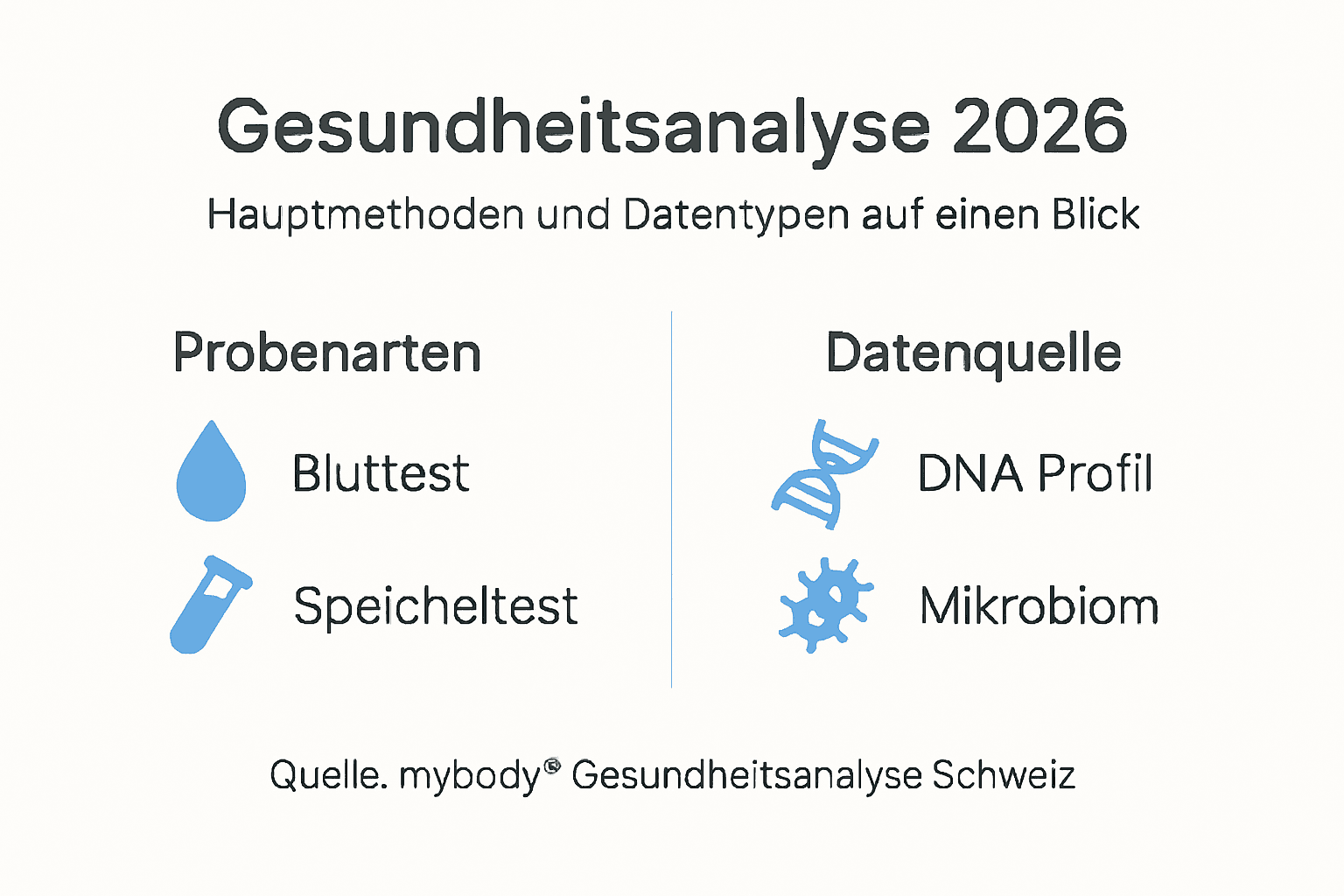
Metabolic and hormone profiles capture your current health status. They show how your body is currently responding to diet, stress, and lifestyle. These values change over time and allow for dynamic adjustments to your health strategy.
Microbiome analyses clarify the bacterial composition in the gut and its impact on digestion, the immune system, and overall well-being. The gut microbiome comprises more than 1,000 bacterial species, whose balance is crucial to your health.
| Data source | Sample type | Main benefits | Example analysis |
|---|---|---|---|
| DNA analysis | Saliva | Genetic predispositions for metabolism and nutrition | Nutrient requirements, weight management |
| Metabolism/hormones | Blood | Current health status and responses | Vitamin deficiency, hormone status |
| Microbiome | Stool | Gut bacteria and digestive health | Bacterial diversity, inflammation markers |
The microbiome analysis guide explains how bacterial diversity is measured. The DNA analysis guide details which genetic markers are analyzed.
Sample collection:
- Saliva samples for DNA analyses are simple and painless
- Blood samples are collected via a finger prick with a lancet
- Stool samples are collected using special collection kits
All samples are analyzed in ISO-certified laboratories, guaranteeing medically reliable results. Combining multiple data sources provides a comprehensive picture of your health.
At-home health analysis tests: process, validity, and safety
ISO 17025-certified laboratory procedures ensure valid, medically reliable at-home test results. This accreditation ensures that the analytical methods meet the same standards as those used in clinical laboratories. So you do not receive inferior results simply because you collect the sample at home.
The process is convenient and precisely structured. After ordering, you receive a test kit containing all the necessary materials and detailed instructions. Sample collection takes only a few minutes and is completely painless for saliva and stool samples, or involves just a minimal prick for blood samples.
Data protection comes first. Samples are pseudonymized in compliance with the GDPR and securely destroyed after analysis, ensuring maximum data security. Your personal data is never linked to the physical sample at any time.
Security features:
- Pseudonymization separates identity from sample data
- Encrypted data transmission protects digital information
- Destruction of samples after completion of the analysis
- No disclosure to third parties without explicit consent
The at-home rapid test guide shows you step by step what to do. The How to perform a blood test at home guide explains blood collection precisely.
Pro tip: Follow the instructions carefully, especially regarding fasting periods before blood samples. This significantly improves the quality of the results and prevents inaccurate measurements caused by food intake.
The validity of at-home tests is scientifically proven. GDPR data protection in health analyses comprehensively safeguards your rights.
Personalized nutrition and health optimization: How analyses help
Health analyses can provide up to 30% better nutrient intake through individually tailored recommendations. Instead of general dietary advice, you receive strategies precisely aligned with your genetics, metabolism, and microbiome. This demonstrably leads to more efficient results.

Personalized plans take your genetic predispositions for nutrient utilization and metabolic types into account. For example, if your DNA indicates poorer vitamin D absorption, you receive targeted dosage recommendations. Your microbiome status determines which probiotics or fiber are optimal for you.
Long-term strategies not only improve acute symptoms but also sustainably optimize metabolism, weight, and overall well-being. You learn which foods your body processes best and which dietary patterns support your health goals.
| Test type | Main focus | Benefits for health optimization |
|---|---|---|
| DNA analysis | Genetics & metabolism | Long-term nutrition and fitness strategies, weight management |
| Microbiome test | Gut health | Optimizing digestion, the immune system, and reducing inflammation |
| Nutrient check | Vitamins & minerals | Targeted supplementation, correcting deficiencies, energy levels |
The benefits of personalized nutrition go far beyond weight loss. DNA analysis for nutrition reveals genetic factors that influence how your body processes food.
Benefits of personalized approaches:
- More efficient goal achievement through tailored strategies
- Avoiding trial and error with diets and supplements
- A better understanding of your body's responses
- Long-term motivation through visible, individual progress
Pro tip: Combine DNA, microbiome, and nutrient tests for a complete health profile. The synergy of multiple data sources significantly optimizes your recommendations and accelerates your progress.
Common misconceptions and limitations of health analyses
Health analyses are preventive tools and cannot provide a comprehensive health guarantee. They identify opportunities for optimization and risk factors, but do not replace a medical examination for acute symptoms. This distinction is crucial for setting realistic expectations.
A common misconception is that at-home tests are inherently unreliable. In fact, when evaluated by an ISO-certified laboratory, they are just as valid as clinical tests. Quality depends on laboratory accreditation, not on where the sample is collected.
False assumption: Health analyses can predict all disease risks. This is misleading. Genetic tests show predispositions, but environmental factors and lifestyle play at least as large a role. An increased genetic predisposition does not necessarily mean that you will develop the disease.
Health analyses do not replace medical diagnoses; they complement clinical examinations. If you suspect an illness, always consult a doctor. Analyses are intended for prevention and optimization, not disease detection.
Realistic limitations:
- No diagnosis of acute or chronic diseases
- Genetic predispositions are probabilities, not certainties
- Results require expert interpretation for optimal implementation
- External factors such as stress also influence biomarkers
The validity of home tests depends on laboratory standards. The limitations and misconceptions surrounding health analyses are scientifically documented.
Clear communication about purpose and limitations creates realistic expectations. Health analyses are powerful tools for self-optimization, but they are not a substitute for medical care.
Data protection and customer satisfaction with health analyses in Switzerland
GDPR-compliant pseudonymization effectively protects personal data from misuse and unauthorized access. Your identity is never linked to the analysis data. Only you can access your results using a secure code.
Samples and data are securely destroyed after the analysis, ensuring maximum data security. No physical or digital traces remain that could later be used against your will. This transparency builds trust.
In Switzerland, more than 11,300 customers use health analyses, with an average satisfaction rating of 4.77 stars. This high rating reflects the quality of the laboratory analyses, the clarity of the reports, and the usefulness of the personalized recommendations.
4.77 out of 5 stars Customer satisfaction among Swiss users in 2026.
Transparent data processing promotes trust and acceptance. You know exactly who has access to which information and how it is used. No sharing with insurance companies, employers, or third parties without your explicit consent.
Data protection guarantees:
- Pseudonymized sample processing in the laboratory
- Encrypted storage of digital results
- Destruction of samples after completion of the analysis
- No sale or sharing of your data
The Swiss data protection standard for health analyses sets the benchmark. GDPR data protection for health analyses is legally binding.
The high level of customer satisfaction confirms that scientific quality and data protection can be successfully combined. You receive reliable results without compromising security.
Recommendations for use: Using health analyses at mybody®
Follow these steps to use health analyses effectively for your goals:
-
Choosing the right test: Define your main goal. Do you want to optimize your diet, manage your weight, or resolve digestive problems? DNA analyses are suitable for long-term strategies, microbiome tests for gut health, and nutrient checks for addressing acute deficiencies.
-
Ordering the home test kit: Order your chosen test from mybody®. The kit contains all the materials and detailed instructions. Free shipping on orders over 49 euros makes getting started easy.
-
Collecting the sample at home: Conveniently collect the sample at home according to the instructions. Observe any fasting periods or instructions regarding intake for optimal results.
-
Returning the sample and laboratory analysis: Send the sample in the enclosed return envelope. The ISO-certified laboratory analyzes your sample according to medical standards.
-
Receiving the analysis report: You will receive a detailed report with your results and personalized recommendations for nutrition, supplementation, and lifestyle.
-
Implementing the recommendations: Implement the strategies step by step. If needed, use mybody®’s optional expert advice to support long-term success and make adjustments.
The guide to choosing the right health analysis test helps you make your decision. The home test instructions explain how to collect the sample. This allows you to implement personalized recommendations effectively.
Pro tip: Define your health goal clearly and specifically before choosing a test. A concrete goal such as “increase energy levels” or “improve digestion” leads to more suitable test recommendations and more targeted measures than vague wishes for “better health.”
How mybody® supports your health analysis in 2026
mybody® offers scientifically grounded DNA and microbiome analyses specifically for Switzerland. Convenient home test kits enable easy sample collection without a doctor’s visit or waiting times. Personalized evaluations and expert advice support you in achieving your health goals.
mybody®’s DNA analysis reveals genetic influences on metabolism and nutrition. The mybody® microbiome test precisely analyzes your gut health. Personalized nutrition recommendations from mybody® help you optimize your nutrient intake.
With over 11,300 satisfied customers and a 4.77-star rating, mybody® is an established partner for preventive healthcare in Switzerland. A money-back guarantee if results are not achieved and GDPR-compliant data protection create trust.
Pro Tip: Use the complete package of testing, analysis, and consultation for tailored recommendations and sustainable results. The combination of scientific expertise and personal support maximizes your chances of success.
Frequently Asked Questions About Health Analysis
What is the difference between health analysis and clinical diagnostics?
Health analyses focus on preventing issues and optimizing the health of healthy people, while clinical diagnostics detect and treat diseases. Health analyses provide personalized recommendations for nutrition and lifestyle based on genetics, metabolism, and the microbiome. Clinical diagnostics investigate symptoms and establish medical diagnoses that require treatment.
How safe and valid are the results of at-home tests?
At-home tests with ISO 17025-certified laboratories are just as valid as clinical tests. Samples are collected at home, but the analysis uses the same medical standards as in doctors’ offices or clinics. The quality of the laboratory—not the location of sample collection—is decisive.
How exactly does a health analysis help optimize weight?
Health analyses reveal genetic metabolic types, nutrient utilization, and microbiome status, which influence your weight. With this information, you receive personalized nutrition plans that suit your body instead of generic diets. This leads to more efficient, sustainable results in weight management.
Are personal data really safe in health analyses?
Yes, through GDPR-compliant pseudonymization and destruction of the samples after analysis. Your identity is never linked to the laboratory data. Encrypted storage and no disclosure to third parties guarantee maximum data security in Switzerland.
Which types of tests are suitable for which health goals?
DNA analyses are suitable for long-term strategies involving nutrition, weight, and fitness. Microbiome tests optimize digestion and the immune system. Nutrient checks identify current deficiencies and improve energy levels in the short term. Combining multiple tests provides the most comprehensive health profile for holistic optimization.
Recommendation
- Nutrient Analysis for Your Optimal Health – mybody®x
- Detect Nutrient Deficiencies | Scientific At-Home Blood Test – mybody®x
- Blood Nutrient Analysis: Easily Find Out Your Deficiencies – mybody®x
- Top Nutrient Deficiency Test Selection – Expert Comparison 2025 – mybody®x
- Natural Food Preservatives: Healthier Choices for 2025 – naturessoulshop



Share now:
Stomach pain: What’s really behind it and what you can do
Gut Microbiome Test 2026: A Guide to Your Gut Health