


Genetic analysis step by step: Optimize your health with purpose
ca. 8 Minuten

Many people wonder how they can truly tailor their diet and fitness to their individual needs. Genetic analyses offer a new level of information by analyzing your genetic makeup and revealing personal health profiles. Choosing the right genetic analysis test provides insights into genetic strengths and risks while laying the groundwork for lasting decisions. Holistic insights into your genetic predisposition can be the starting point for targeted changes.
Table of contents
- Step 1: Choose the right genetic analysis test
- Step 2: Prepare the sample correctly
- Step 3: Collect your sample reliably at home
- Step 4: Send the sample safely to the laboratory
- Step 5: Review your results and get recommendations
Quick summary
| Key point | Explanation |
|---|---|
| 1. Define your test goal | Decide whether you want to analyze disease risks, nutrition, or fitness. |
| 2. Choose reputable providers | Use only providers that offer scientifically sound analyses. |
| 3. Collect the sample carefully | Proper sample collection is essential for accurate test results. |
| 4. Send the order securely | Pack the sample securely to prevent breakage and include all the necessary forms. |
| 5. Interpret the results thoroughly | Consult specialists to develop useful recommendations based on the results. |
Step 1: Choose the right genetic analysis test
Choosing the right genetic analysis test is key to obtaining meaningful, personalized health information. Depending on your individual questions and health goals, various test options can offer specific insights.
Before taking a genetic analysis test, you should consider the following:
- Define your health goals: Do you want to identify disease risks, optimize your diet, or improve your fitness?
- Check the scope of the test: Genetic tests analyze your genetic makeup and can cover different areas
- Consider sample collection: Tests are usually performed using blood or saliva samples
- Compare costs: Prices vary depending on the level of detail and scope of the test
When choosing a test, it’s important to focus on reputable providers with a strong scientific basis who offer comprehensive, easy-to-understand analyses.
Here you’ll find an overview of the most common types of genetic analysis tests and their typical applications:
| Test type | Purpose of the analysis | Recommended use |
|---|---|---|
| Disease risk | Identification of genetic risks | Early detection, prevention |
| Nutritional analysis | Metabolism optimization | Diet adjustment, weight management |
| Fitness analysis | Determining athletic aptitude | Training management, motivation |
| Pharmacogenetics | Selection of personalized medications | Medication compatibility |
Important: Genetic tests provide insights, but they are no substitute for medical advice.
Pro tip: Consult a doctor or genetic counselor before taking the test to help interpret the results optimally.
Step 2: Prepare the sample correctly
After selecting a genetic analysis test, correctly preparing and collecting the sample is essential for precise and meaningful results. The quality of your sample directly affects the accuracy of the analysis.
Consider the following important aspects when collecting your sample:
- Choose the sample type: Genetic tests require cells with nuclei, such as EDTA blood or buccal swabs
- Prepare labels: Note your name, date of birth, and collection date
- Sterile conditions: Collect samples under hygienic conditions
- Observe transport conditions: Pack samples securely in break-resistant packaging
A small blood or saliva sample is sufficient for most genetic tests. You do not need to fast, and you can conveniently collect the sample at home.
Important: Careful sample collection is key to reliable test results.
Pro tip: Read the enclosed instructions carefully and follow the specific instructions provided by the test provider.

Step 3: Collect your sample reliably at home
Now it’s time to collect your genetic analysis sample professionally and safely. At-home tests are designed to be easy for non-professionals to perform, but the accuracy of the results depends on your care.
Follow these important steps for reliable sample collection:
- Prepare your workspace: Clean the work surface and wash your hands thoroughly
- Prepare the test kit: Lay out all the materials from the kit in an organized way
- Read the instructions carefully: Follow each instruction carefully, step by step
- Observe hygiene: Wear sterile gloves and avoid contamination
- Documentation: Record the date and time of sample collection
Be especially careful to use the containers and shipping materials provided correctly. Improper handling can affect the quality of your sample.
Important: The accuracy of your test results depends directly on how carefully the sample is collected.
Pro tip: Allow plenty of time to collect the sample and avoid distractions.
Step 4: Send the sample safely to the laboratory
Now it’s time to safely ship your genetic analysis sample. Samples can be sent unrefrigerated by regular mail, but there are a few important details to keep in mind.
Follow these steps to ship your sample reliably:
- Prepare the shipping container: Make sure the sample is packed securely and in a break-resistant container
- Complete the forms: Include all required documents, such as the consent form and laboratory requisition form
- Check the address: Provide the laboratory address accurately and in full
- Choose a shipping method: Consider express shipping for sensitive samples
- Enable tracking: Note the tracking number
Correct documentation and packaging of your sample are essential for accurate analysis results.
Important: Careful preparation minimizes the risk of problems during shipping and laboratory analysis.
Pro tip: Photograph all documents before shipping as a backup.
Step 5: Review your results and get recommendations
After receiving your genetic analysis results, the most exciting part of your health journey begins. Analyzing genetic variants can help estimate individual health risks and develop tailored prevention strategies.
Keep these important points in mind when interpreting your results:
- Understand the bigger picture: Consider results holistically rather than in isolation
- Seek expert advice: Consult a doctor or genetic counselor about complex findings
- Identify concrete recommendations: What specific steps can you take?
- Assess risks realistically: Genetic predispositions do not guarantee that you will develop a disease
- Develop a long-term strategy: Plan preventive steps to support your health
Interpreting your genetic analysis should always be constructive and motivating.
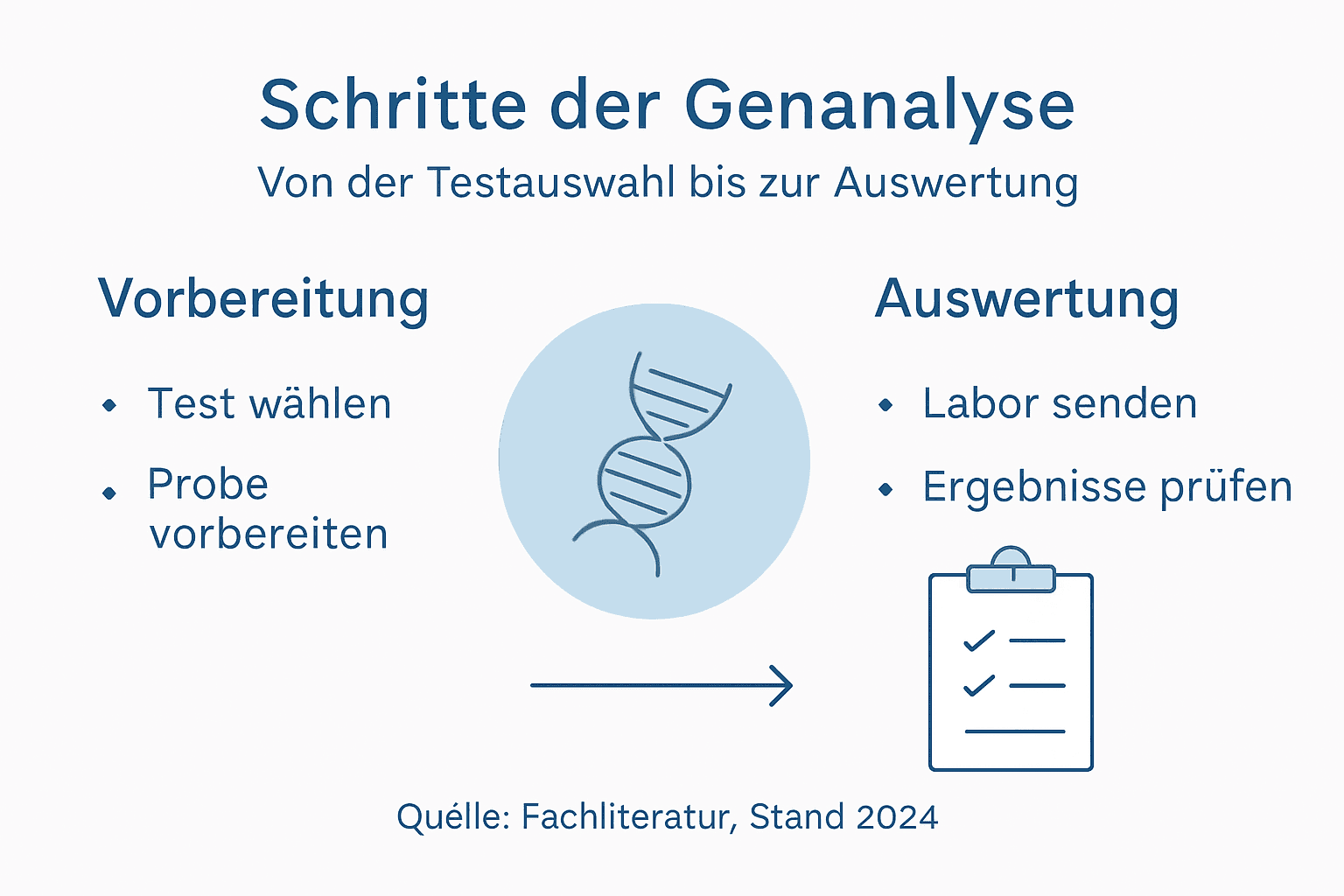
The following steps are recommended after you receive your genetic analysis results:
| Step | Purpose | Health benefits |
|---|---|---|
| Expert advice | Interpreting results | Avoiding poor decisions |
| Recommendations | Taking concrete steps | Lifestyle improvements |
| Health monitoring | Track progress | Long-term prevention |
Important: Genetic test results are a tool for optimizing your health, not your destiny.
Pro tip: Keep a personal health journal to document your progress and changes.
Targeted health optimization with mybody®x
Would you like to make the most of your genetic potential and improve your health in a way that’s tailored to you? Precision and expert support are essential when selecting and taking genetic analysis tests. Many people face the challenge of finding the right test and correctly interpreting the results so they can take concrete steps to improve their health.
With the DNA Metabolism Tests for your optimal diet – mybody®x, we offer scientifically validated analyses tailored precisely to your individual needs. You can conveniently take all the tests at home and benefit from ISO-certified laboratory results that provide clear, actionable recommendations. Whether nutrition, fitness, or prevention, discover how personalized health data can sustainably improve your quality of life.
Start your health journey today at mybody-x.com and also discover Health at a great price | Discover offers at mybody® now – mybody®x. Take the opportunity to improve your well-being with evidence-based genetic analysis and comprehensive advice. Trust your body and shape your future with confidence with mybody®x.
Frequently Asked Questions
How do I choose the right genetic analysis test?
To choose the right genetic analysis test, first define your health goals, such as identifying disease risks or optimizing your diet. Then compare the test options and their scope to find the best fit for your needs.
What type of sample is needed for a genetic analysis test?
Most genetic analysis tests use blood or saliva samples, which are rich in nucleated cells. Be sure to follow the provider’s sample collection instructions carefully to ensure reliable analysis.
How do I properly prepare for sample collection?
Prepare a clean workspace and use sterile conditions for collecting the sample. Also note all relevant information, such as your name and the collection date, to ensure accurate documentation.
How do I safely send the sample to the lab?
Pack the sample in a sturdy shipping container and include all required documents, such as the consent form. If necessary, enable shipment tracking to follow its progress.
How do I interpret my genetic analysis results?
Consider your results in the broader context and consider consulting a medical specialist or genetic counselor. Identify specific recommendations to plan health measures and realistically assess risks.
What steps can I take after receiving the results?
After receiving the results, you should consult a medical specialist to interpret the findings and plan the first steps to optimize your health. Record your progress in a health journal to document your development.


