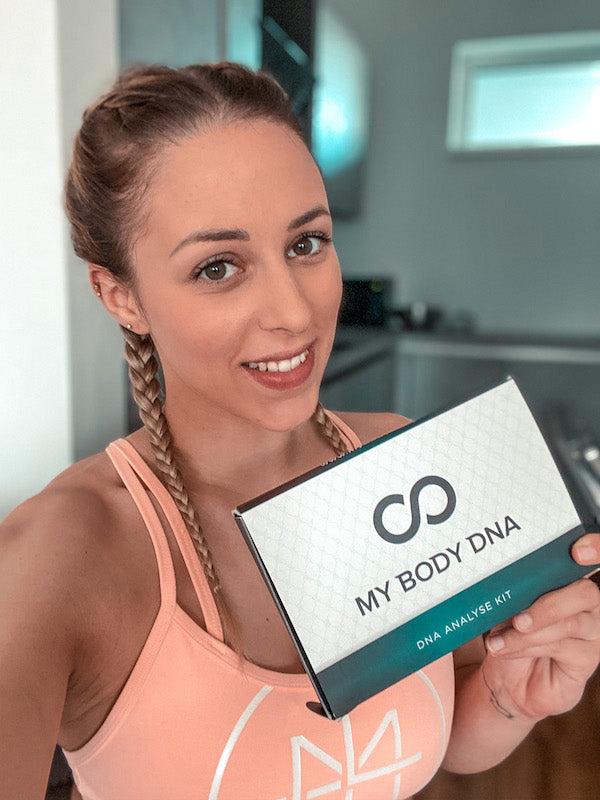
Skincare with a skin analysis: Discover your skin type and optimize your skincare routine
What matters to you also matters to mybody®. That’s why we rely on state-of-the-art laboratory technologies to promote your health holistically – combined with a sustainable approach. Our personalized DNA analyses give you back control over your body and help you make informed decisions for your well-being.
With the help of nutrigenetics and innovative skin analysis technologies, you can not only optimize your diet but also better understand your skin type. A targeted skin type test and a comprehensive skin analysis provide valuable insights to help tailor your skincare and lifestyle to your individual needs. Our solutions are accessible and easy to understand for everyone – so you can actively improve your health and your skin.
Why take a DNA skin test?
A DNA skin test helps you understand how your skin functions at a genetic level – and why it reacts sensitively to certain environmental factors, skincare products, or dietary choices. While conventional skin analyses only assess its current condition, a DNA test reveals your inherent skin characteristics, including how your skin is likely to age over time, retain moisture, or respond to UV radiation.
The mybody® Anti-Aging Skincare DNA Test analyzes relevant gene variants responsible for collagen breakdown, wrinkle formation, pigmentation, skin elasticity, inflammatory tendency, and oxidative stress. This provides you with highly personalized recommendations for skincare, nutrients, and lifestyle – tailored to your biology.
With this knowledge, you can take preventive action early, care for your skin more effectively, and maximize your anti-aging potential.
Causes of possible cellulite
Cellulite is caused not only by diet or a lack of exercise – its main cause often lies deep beneath the surface of the skin. Factors such as genetically weak connective tissue, hormones, circulatory disorders, and fat distribution play a central role.
Women are affected more often because of the structure of their connective tissue: collagen fibers run vertically, allowing fat cells to push upward more easily. A DNA skin test shows whether you have a genetic tendency toward weak connective tissue, slowed collagen production, or impaired microcirculation.
Other possible causes:
- Estrogen fluctuations
- Stress and elevated cortisol levels
- Lack of exercise
- A diet high in sugar
- Water retention
Genetic insights allow you to use targeted measures such as lymphatic drainage, collagen peptides, antioxidants, or specialized skincare.
Recognizing and understanding skin inflammation
Skin inflammation can appear as redness, itching, a feeling of tightness, pimples, or flaky patches. It is often caused by:
- oxidative stress
- a compromised skin barrier
- allergens or intolerances
- hormonal fluctuations
- a genetic tendency toward inflammation
A DNA skin test can determine whether your skin has an increased inflammatory response due to genes involved in immune reactions, collagen breakdown, or antioxidant processes.
Understanding your tendency toward inflammation can help you better control skin problems such as acne, redness, rosacea, or accelerated aging. Blood tests can also help identify nutrient deficiencies, such as omega-3, zinc, or vitamin D deficiencies, that may intensify inflammation.
Test for nutrient deficiencies affecting your skin – easily from home
Radiant skin starts from within. A nutrient deficiency can lead to dry, dull, inflamed, or prematurely aging skin. Nutrients that are particularly important for the skin include:
- Vitamin A, vitamin C, vitamin D, omega-3, zinc, selenium, and iron
With a mybody® at-home blood test, you can conveniently check your nutrient levels yourself. The capillary blood sample is analyzed in a laboratory and shows you exactly which micronutrients are lacking. You then receive recommendations for dietary changes or supplementation to strengthen your skin’s regeneration, elasticity, and protective barrier.
This combination of DNA analysis + nutrient testing is ideal for optimizing your skincare holistically.
How do varicose veins and stretch marks develop?
Varicose veins develop when the venous valves are weak, preventing blood from being transported efficiently back to the heart. Causes may include:
- genetically weak connective tissue
- lack of exercise
- hormonal changes
- pregnancy
- standing for long periods
A DNA test can provide indications of your genetic predisposition to vein problems, as genes influence connective tissue, microcirculation, and inflammatory tendency.
Stretch marks develop when collagen and elastin fibers are overstretched – typically during rapid growth, weight gain, or hormonal changes. Some people have genetically weaker connective tissue or a greater susceptibility to inflammation, making them more prone to stretch marks.
With genetic insights, you can take preventive skincare measures, strengthen your skin’s elasticity, and manage stressors more effectively.
Why does my DNA affect my skin and aging?
Your DNA fundamentally determines how your skin is structured, how quickly it ages, and how it responds to external influences. Key genetic processes include:
- Collagen production (wrinkle formation)
- Elastin regeneration (firmness)
- Oxidative stress protection (UV damage, environmental stress)
- Glycation tendency (sugar-related tissue damage)
- Pigment regulation (hyperpigmentation)
- Inflammatory tendency (acne, redness, rosacea)
These genetic factors determine whether you develop wrinkles more quickly, react more sensitively to the sun, or are prone to dry skin. The mybody® DNA Skin Test analyzes these markers in detail and creates a personalized anti-aging plan – from skincare recommendations to nutrition and lifestyle advice.
Genetics is not destiny – but it is a tool for optimizing your skin in a targeted way.

 Improve skin texture