
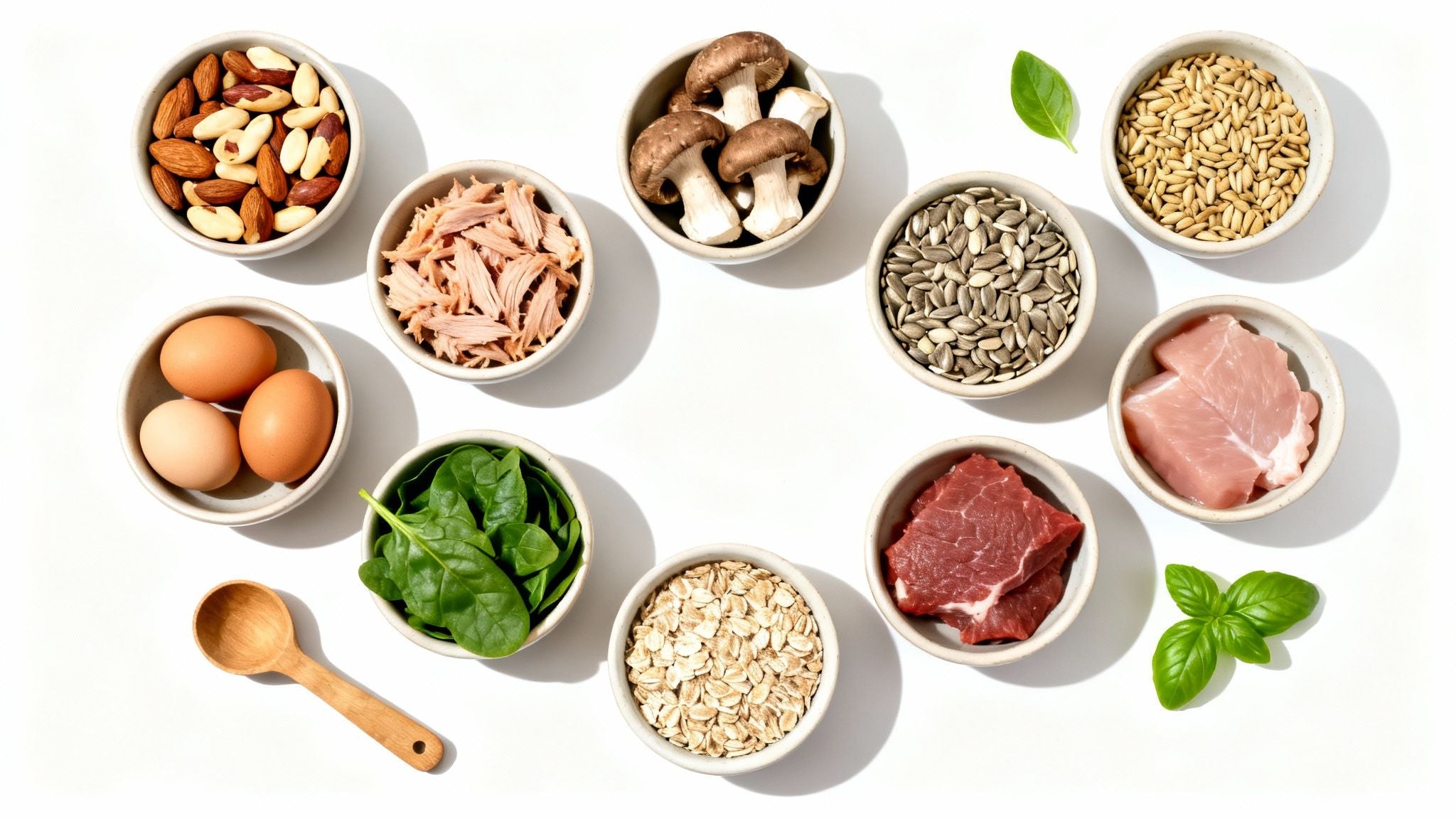
Selenium Foods: Top 8 for Your Health in 2025
Do you value your health, want to understand your body, and actively do something for your well-being? Then you’ve come to the right place. Today, we’re taking a deep dive into the world of an often underestimated but vital trace element: selenium. It plays a key role in your immune system, thyroid function, and even the health of your skin and hair. However, our bodies cannot produce it themselves—we need to obtain it intentionally through our diet.
The challenge is that selenium concentrations in European soils are often low, which can make it difficult to obtain an adequate supply. A deficiency can manifest subtly through fatigue, a weakened immune system, or even skin problems. This is particularly relevant to your skin health, because your genetic predisposition also influences how well your body utilizes antioxidant nutrients such as selenium. Whether you have a particular need to optimally protect your skin can be revealed through a targeted analysis such as the Skincare DNA Metabolism Test by mybody-x.
In this article, we introduce you to the eight best foods with selenium and show you how to easily incorporate them into your daily life. This way, you can take control of your nutrient intake, strengthen your body from within, and specifically support the processes that are crucial to your vitality.
1. Brazil Nuts
When it comes to selenium-rich foods, Brazil nuts are unrivaled. They are the most concentrated natural source of this essential trace element. Their exceptionally high selenium content comes directly from the soil of the Amazon rainforest, where Brazil nut trees grow and absorb the mineral in large quantities. Just one nut can cover an adult’s daily requirement, making it a true superfood.
The selenium content is so impressive that just 100 grams of Brazil nuts can contain up to 1,917 µg of selenium. For comparison, the German Nutrition Society (DGE) recommends a daily intake of approximately 60–70 µg for adults. This makes Brazil nuts an incredibly efficient way to ensure your selenium intake, especially if you have increased requirements or follow a vegan diet.
The Power of Brazil Nuts: Selenium Content in Detail
To illustrate the exceptionally high concentration of selenium in Brazil nuts, the following bar chart shows the content compared with the daily requirement.
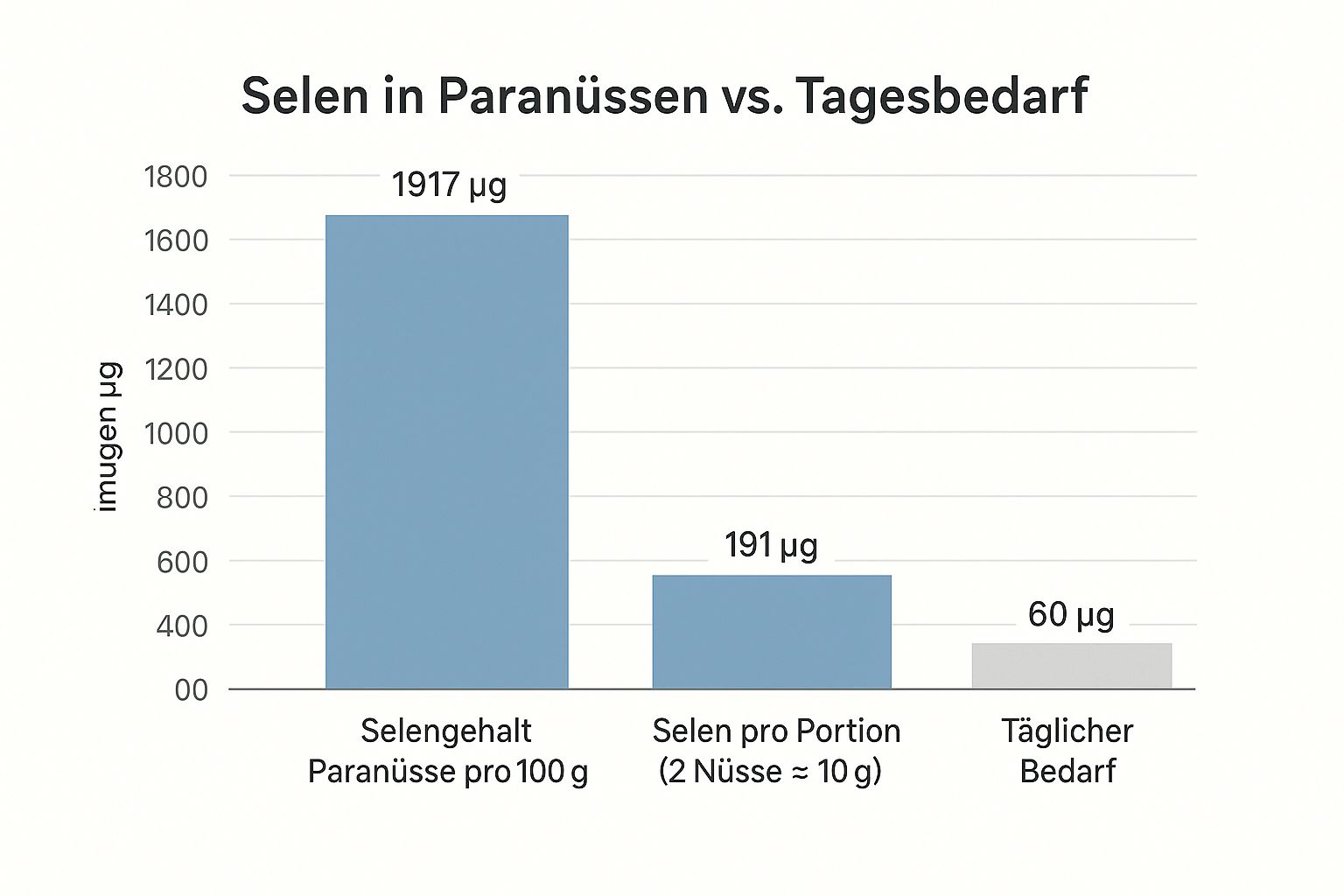
As the diagram impressively shows, a small serving of just two nuts already provides three times the recommended daily amount of selenium.
Practical tips for consumption
Precisely because they are so potent, it is essential to consume Brazil nuts mindfully.
- Watch your dosage: Limit your consumption to one to a maximum of two Brazil nuts per day. This is sufficient to meet your needs and avoid chronic overdosing (selenosis).
- Choose quality: It is best to buy unsalted, natural nuts of organic quality to avoid unnecessary additives.
- Store properly: Their high fat content makes them susceptible to rancidity. Store them in a cool, dry, and dark place, preferably in the refrigerator.
Your genetic predisposition determines how efficiently your body utilizes antioxidants such as selenium. The Skincare DNA Metabolism Test by mybody-x can show you how well your skin is naturally protected against oxidative stress and whether you should place particular emphasis on antioxidant nutrients such as selenium.
2. Fish and Seafood
Alongside plant-based sources, fish and seafood are among the most important and reliable animal sources of selenium. Marine animals absorb this trace element directly from seawater and convert it into organic compounds that our bodies can absorb and utilize particularly well. Fatty fish such as tuna, herring, sardines, and salmon in particular, as well as seafood such as shrimp and oysters, contain significant amounts.
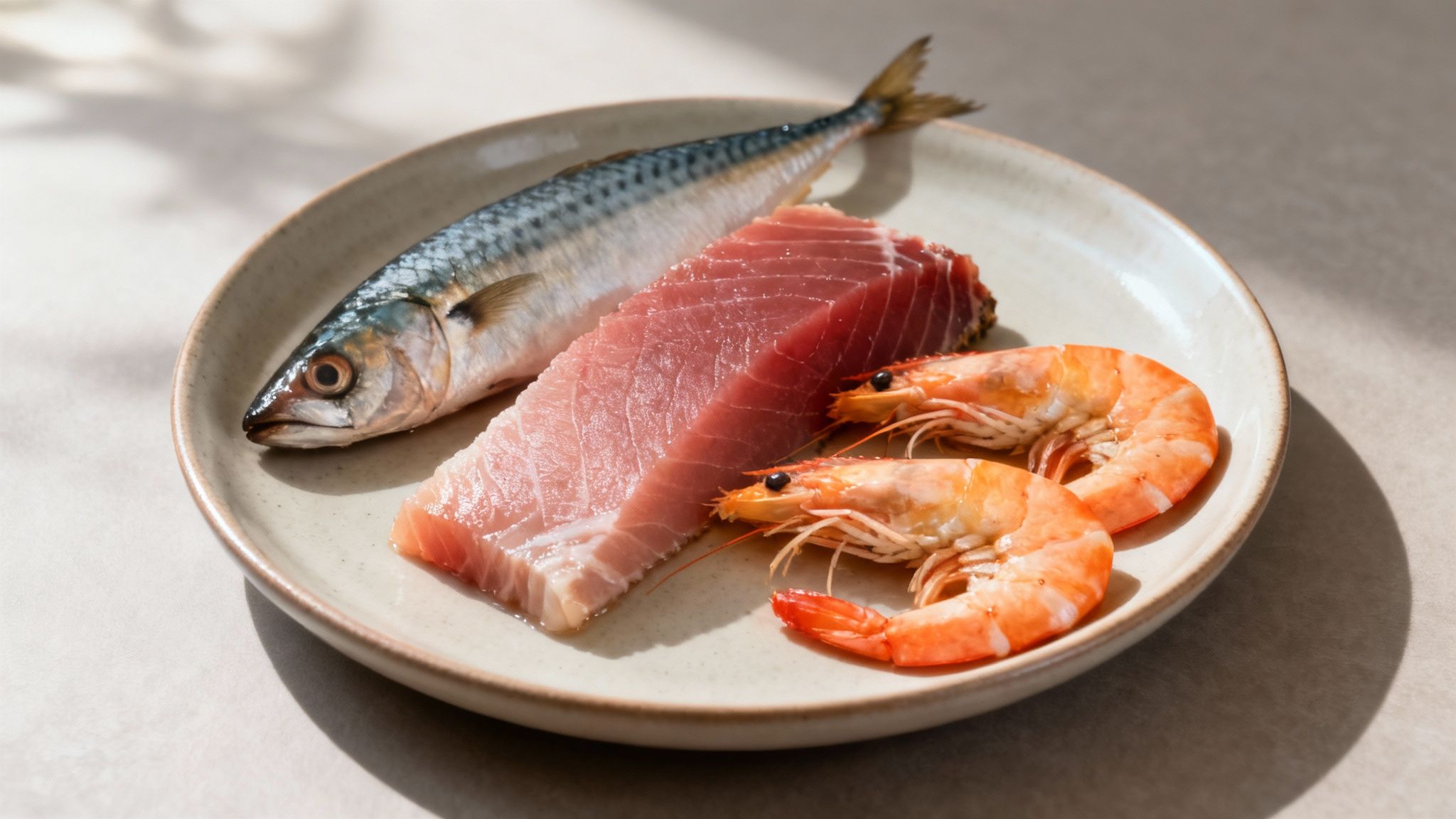
The selenium content varies depending on the species, but is typically between 30 and 90 µg per 100 grams. A 150-gram serving of salmon or tuna can therefore already cover or even exceed an adult’s daily requirement. This explains why selenium deficiency has traditionally been less common in cultures with high fish consumption, such as Japan or Mediterranean coastal regions. Fish is therefore an excellent choice for maintaining a stable supply of this important mineral.
Selenium from the Sea: An Overview of Selenium Content
Fish and seafood provide not only selenium, but also valuable omega-3 fatty acids and high-quality protein. The following overview shows the average selenium content of some popular varieties per 100 grams:
- Tuna: approx. 82 µg
- Herring: approx. 45 µg
- Sardines: approx. 50 µg
- Salmon: approx. 38 µg
- Shrimp: approx. 40 µg
These values make it clear that eating fish regularly makes a significant contribution to meeting your selenium needs.
Practical tips for consumption
To make the most of the benefits of fish while minimizing potential drawbacks, you should keep a few things in mind:
- Regularity is key: Incorporate around two to three fish meals per week into your diet. This ensures a continuous supply of selenium.
- Prefer smaller fish: Smaller species such as herring or sardines are at the beginning of the food chain and tend to accumulate fewer heavy metals than large predatory fish such as tuna.
- Pay attention to sustainability: Choose sustainably caught fish, identified by the MSC label, to protect marine ecosystems.
- Practical alternatives: Canned fish such as tuna or sardines in their own juice or olive oil is a quick and shelf-stable option for a selenium-rich meal.
How well your body absorbs and utilizes nutrients such as selenium also depends on your genetic makeup. Nutrigenetics specifically investigates these connections and can help you tailor your diet more precisely to your individual needs.
3. Meat and organ meats
For anyone who does not follow an exclusively plant-based diet, meat—and organ meats in particular—are an excellent source of selenium. While plant-based foods depend heavily on the selenium content of the soil, animal products often provide a more consistent supply of this important trace element. Beef, pork, and poultry reliably provide selenium, while organ meats such as liver and kidneys are considered true nutritional powerhouses.
The selenium content in muscle meat typically ranges between 10 and 40 µg per 100 grams. Organ meats, however, set the bar considerably higher: Beef liver, for example, can contain up to 55 µg per 100 grams. This means that a single serving of liver can cover a large portion of the daily requirement while also providing important nutrients such as vitamin A, B12, and iron. This makes meat and organ meats a staple of a balanced diet for ensuring adequate selenium intake.
The power of meat and organ meats: Selenium content in detail
Animal products play an important role in meeting the need for many micronutrients, including selenium. Traditional German cuisine, which includes dishes such as liver dumplings and fried liver, has long made use of these nutrient-rich foods. Organ meats are also valued for their high nutrient density in modern dietary approaches such as the Paleo diet. Athletes also benefit from lean meat, which provides not only high-quality protein but also valuable selenium for muscle function and recovery.
Practical tips for consumption
To optimally integrate meat and organ meats into your diet, follow these recommendations:
- Use organ meats selectively: One serving of organ meats (approx. 100–150 g) once or twice a month is sufficient to benefit from their high nutrient density without consuming excessive amounts of other nutrients.
- Pay attention to origin: Choose meat from pasture-raised or organically farmed animals. Animal feed has a direct influence on the selenium content of meat, and species-appropriate farming often results in a better nutrient profile.
- Choose lean varieties: Skinless poultry, lean beef, or pork tenderloin are excellent sources for controlling your intake of saturated fats while also consuming selenium.
- Combine wisely: Complement your meat-based meals with plant-based selenium food sources such as broccoli or lentils to obtain a broad range of nutrients and antioxidants.
Your body's ability to protect itself from free radicals depends on your genetic makeup. The Skincare DNA Metabolism Test by mybody-x analyzes your genes and shows you how efficiently your antioxidant defense systems work. This helps you find out whether you have an increased need for nutrients such as selenium to optimally support your cells.
4. Eggs
Eggs are an everyday, versatile, and easily accessible source of selenium. Valued as a staple food in many cuisines worldwide, they offer a reliable way to replenish selenium levels. Most of the selenium is concentrated in the yolk, which is why eating the whole egg is essential for nutrient absorption.
The selenium content in eggs is impressive: An average-sized egg (approx. 60 g) provides between 15 and 30 µg of selenium. The exact amount may vary and depends heavily on the hens' feed. Hens that receive selenium-rich feed also lay eggs with a higher selenium content. This makes eggs an excellent addition to a balanced diet and supports important bodily functions such as the immune system and thyroid health.
The power of eggs: Selenium content in detail
Eggs are not only an excellent source of protein but also an important source of dietary selenium. Bodybuilders have long valued them for muscle building, but they are also valuable for providing micronutrients. Just two eggs for breakfast, as is customary in many Mediterranean cultures, can make a significant contribution to meeting daily selenium needs and are therefore often recommended in meal plans by fitness apps.
A good selenium supply is especially important for the thyroid. This trace element is involved in the conversion of thyroid hormones and protects tissue from oxidative stress. Learn more about the role of diet in hypothyroidism.
Practical tips for consumption
Eggs are easy to incorporate into your diet. With a few simple tips, you can maximize their benefits:
- Meet your needs: Just two eggs provide around 50–80% of the recommended daily selenium intake.
- The yolk is essential: Do not skip the yolk, as it contains most of the valuable selenium and other important nutrients.
- Prioritize quality: Eggs from free-range or organic production often come from hens with a more varied diet, which can result in higher nutrient content.
- Versatile preparation: Whether boiled, fried, or prepared as an omelet, the preparation method has little effect on the selenium content.
- Combine wisely: Combine eggs with other selenium-rich foods such as whole-grain bread or mushrooms to optimize your intake.
Your body's ability to use nutrients such as selenium and protect itself from harmful influences is also genetically determined. The mybody-x Skincare DNA Metabolism Test can show you how your body responds to environmental influences and whether you have an increased need for protective antioxidants to keep your cells healthy.
5. Grains and Whole-Grain Products
Grains and whole-grain products made from them, such as bread, pasta, or oatmeal, are a staple of diets in many cultures and can make an important contribution to daily selenium intake. Unlike Brazil nuts, however, their selenium content is not consistently high but depends largely on the concentration of this trace element in the soil where the grain is grown.
The selenium content of grains can vary widely, from negligible amounts to significant levels of over 60 µg per 100 grams. Grains from North America, particularly from certain regions of the United States and Canada, grow in selenium-rich soils and therefore often contain significantly more selenium than European grains. Nevertheless, whole-grain products are a relevant source of dietary selenium in our diet because they are consumed regularly.
The role of soil: Selenium content in detail
Choosing the right product can make a big difference. It is not just the type of grain that matters, but above all its origin and processing. Whole-grain products are always the better choice, as selenium is concentrated mainly in the outer layers of the grain, which are removed when white flour is produced. Countries such as Finland even deliberately enrich their fertilizers with selenium to increase levels in locally produced foods and ensure an adequate supply for the population. A whole-grain-based diet can therefore make a moderate but steady contribution to meeting dietary needs.
Practical tips for consumption
To get the most selenium from grains, you can incorporate a few simple strategies into your daily routine.
- Choose whole grains: Consistently choose whole-grain bread, whole-wheat pasta, and brown rice instead of refined varieties. This not only ensures more selenium, but also provides valuable fiber and B vitamins.
- Consider the origin: If possible, pay attention to where the grain comes from. Products made from North American durum wheat may have a higher selenium concentration.
- Combine wisely: Start the day with rolled oats, which provide a good selenium base. Top your muesli with wheat germ or sunflower seeds to further increase its selenium content.
- Increase bioavailability: Soaking whole grains or rolled oats overnight can help break down phytic acid, which may improve the body's absorption of minerals such as selenium.
Adequate selenium intake is essential for protection against oxidative stress. Your individual needs and how effectively your body uses such protective mechanisms are also genetically determined. The Skincare DNA Stoffwechsel Test von mybody-x analyzes your genetic predisposition and provides insight into how efficiently your skin is naturally protected against free radicals and whether you should place particular emphasis on antioxidant nutrients.
6. Legumes and lentils
Legumes such as lentils, beans, chickpeas, and soybeans are a cornerstone of a balanced diet and play a central role as plant-based sources of selenium. They are particularly indispensable for people following a vegetarian or vegan diet to meet their needs for this important trace element. Selenium content can vary depending on the variety and, above all, the soil in which they were grown, underscoring their versatility.
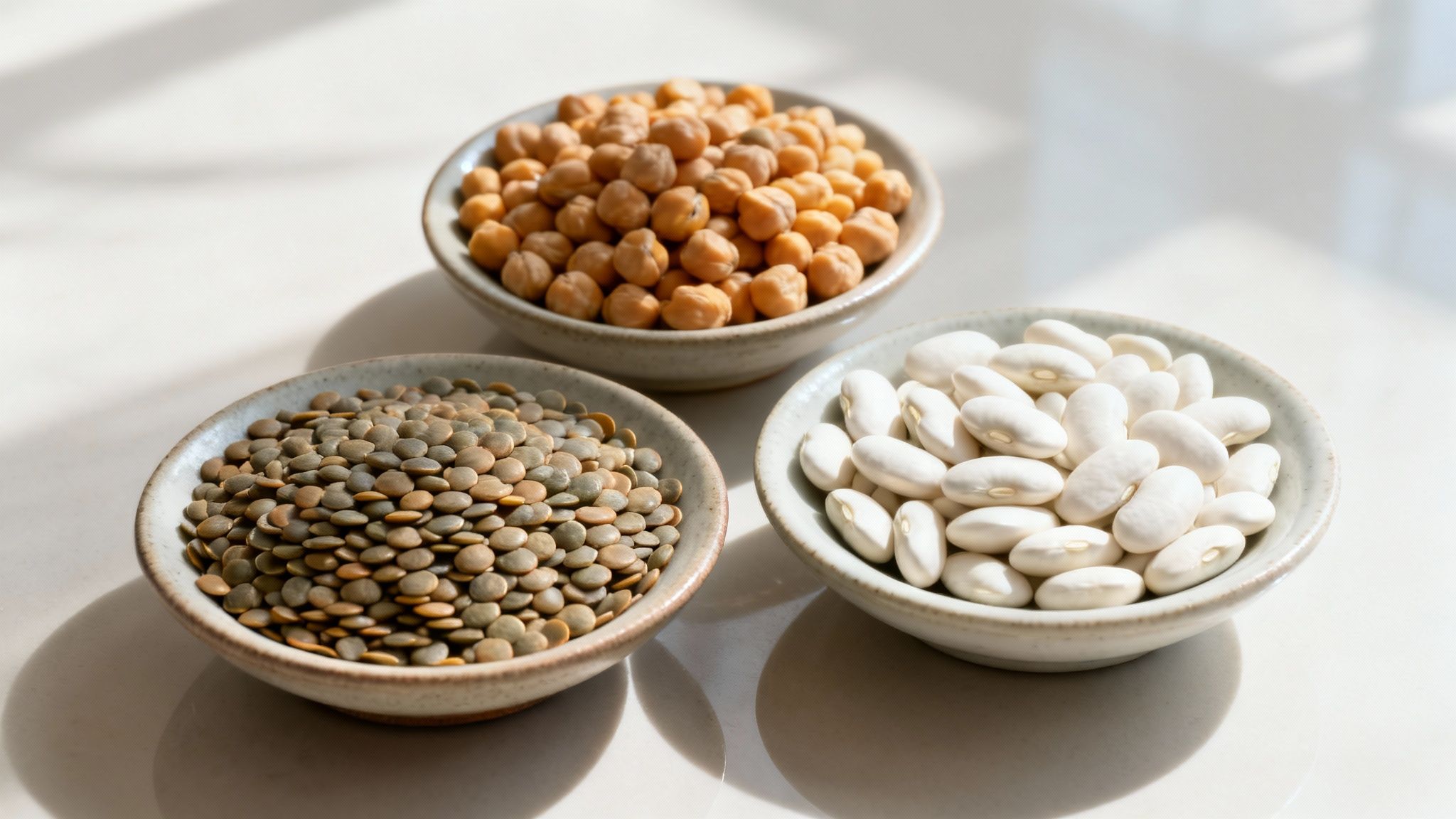
While the selenium content depends heavily on the growing region, legumes still make a reliable contribution to daily intake. For example, lentils contain approximately 10 to 30 µg of selenium per 100 grams, which already covers a significant portion of the recommended daily intake. They are also rich in protein, fiber, and other important minerals such as iron and zinc, making them a nutrient-dense powerhouse.
The Power of Legumes: Selenium Content in Detail
Legumes are more than just a side dish; they form the basis of countless dishes worldwide. In Indian cuisine, lentil-based dal dishes are a major source of protein and selenium. Vegan athletes often rely on a combination of different legumes to meet their nutritional goals. They are also firmly established in Mediterranean cuisine, for example in the form of hummus made from chickpeas or in salads, and contribute to the intake of important nutrients.
Practical tips for consumption
To get the most out of legumes and make optimal use of their nutrients, there are a few simple tricks.
- Preparation is key: Soak dried legumes overnight. This not only shortens the cooking time but also improves their digestibility and the absorption of the nutrients they contain.
- Combine them wisely: Incorporate them regularly into curries, stews, salads, and soups. Combining them with vitamin C-rich foods such as bell peppers or lemon juice can improve the absorption of plant-based iron.
- Make the most of variety: Combine different types, such as red lentils, black beans, and chickpeas, to obtain a broader range of nutrients and amino acids.
Your body's ability to effectively use antioxidant minerals such as selenium to protect cells is partly determined by genetics. A targeted analysis such as the Skincare DNA Metabolism Test by mybody-x can give you valuable insights into how well your skin is naturally protected against oxidative stress. This helps you determine whether you should place particular emphasis on selenium-rich foods such as legumes to support your skin health from within.
7. Mushrooms
Mushrooms are true all-rounders in the world of selenium-rich foods. Varieties such as button mushrooms, shiitake, and porcini can contain a considerable amount of selenium, making them an excellent plant-based source of this important trace element. Their special ability lies in absorbing selenium directly from the soil or growing medium on which they grow and converting it into organic compounds that are readily available to the body.
Selenium content varies greatly depending on the variety and growing conditions and can range from 5 µg to more than 40 µg per 100 grams. Specially cultivated, selenium-enriched button mushrooms can reach even higher levels. In addition, mushrooms are one of the few non-animal sources of vitamin D, making them a particularly valuable part of a balanced diet, especially during the months with less sunlight.
The power of mushrooms: selenium content in detail
Mushrooms are valued not only for their selenium but also as a low-calorie, versatile meat substitute. They provide valuable nutrients and add delicious variety to your diet. In Asian cuisine, shiitake mushrooms are traditionally appreciated not only for their flavor but also for their health-promoting properties. Vegetarian restaurants use the meaty texture of mushrooms to create hearty dishes with an added nutritional boost.
Practical tips for consumption
To get the most out of mushrooms and support your selenium intake, there are a few simple tricks.
- Use dried mushrooms: Dried mushrooms, especially shiitake, have a higher nutrient concentration. Even a small amount in sauces or soups can significantly increase the selenium content of your meal.
- Let them soak up the sun: If you place fresh mushrooms with their undersides facing up in the sun for about 15–30 minutes before preparation, their vitamin D content can multiply naturally.
- Prepare gently: Wash mushrooms only briefly or clean them with a brush. Prolonged soaking can wash out water-soluble nutrients.
- Prioritize quality: Choose organic mushrooms from controlled cultivation. This ensures that the growing medium is free from undesirable substances.
How well your body can use antioxidants such as selenium to protect against oxidative stress is also genetically determined. The Skincare DNA Metabolism Test by mybody-x analyzes your genetic predisposition and gives you insight into how well your skin is naturally protected and whether a targeted intake of nutrients such as selenium could be particularly beneficial for you.
8. Nuts and seeds
Although Brazil nuts are the undisputed selenium champions, a wide variety of other nuts and seeds is an excellent addition for making your selenium intake more varied. They provide more moderate but still valuable amounts of this important trace element and further enrich your diet with healthy fats, proteins, fiber, and other micronutrients.
Sunflower seeds are particularly noteworthy here, as with up to 80 µg per 100 g, a larger handful can already cover an adult's daily requirement. But cashews (approx. 20 µg/100 g), chia seeds (approx. 15 µg/100 g), and flaxseeds (approx. 10 µg/100 g) are also reliable sources that should be regularly incorporated into a balanced diet. These foods are not only rich in selenium but also support heart health and digestion.
Variety for your selenium intake
Unlike highly concentrated Brazil nuts, other nuts and seeds can be consumed more generously, making them more flexible for everyday cooking. They are ideal ingredients for muesli, salads, or as a nutritious snack between meals. For example, athletes use nut mixes for a quick energy boost, while in vegan cooking, ground flaxseeds serve not only as an egg substitute but also provide a selenium boost.
This variety of selenium food sources makes it easy to meet your daily needs without relying on a single product. Learn more about the importance and best sources of essential vitamins and minerals on our blog.
Practical tips for consumption
To get the most out of nuts and seeds, follow these tips:
- Mix for more nutrients: Combine different varieties to take in a broader range of nutrients. A handful (approx. 30 g) of a nut and seed mix is an ideal daily snack.
- Incorporate into meals: Stir sunflower seeds, chia seeds, or flaxseeds into your yogurt or smoothie, or sprinkle them over your salad to easily increase its nutritional value.
- Proper storage: Store nuts and seeds in a cool, dry, dark place, preferably in the refrigerator. This prevents the valuable unsaturated fats from becoming rancid.
- Improve digestibility: Soaking seeds such as chia or flaxseeds overnight can improve nutrient absorption and tolerability.
How well your body can use antioxidants such as selenium to protect your cells is also genetically determined. The Skincare DNA Metabolism Analysis by mybody-x gives you insights into how strong your natural protection against oxidative stress is and whether deliberately increasing your intake of selenium-rich foods could be particularly beneficial for your skin.
Selenium content comparison of the 8 food groups
| 🔄 Implementation complexity | 💡 Resource requirements | 📊 Expected results | 🎯 Ideal use cases | ⭐ Main benefits | ⚡ Key tips |
|---|---|---|---|---|---|
| Brazil nuts: Very easy (ready to eat) | Minimal (1–2 nuts daily) | Very high selenium supply (above average) | Vegan diet, rapid selenium intake | Highest natural selenium content, additional nutrients | Limit to 1–2 nuts per day; store in the refrigerator |
| Fish & seafood: Moderate (preparation required) | Moderate to high (regular fish purchases) | High selenium intake plus omega-3, protein-rich | Heart-healthy diet, moderate intake, athletes | Good bioavailability, versatile preparation options | Look for the MSC label; be mindful of heavy metals |
| Meat & organ meats: Moderate | Moderate (regular shopping, preparation) | Reliable selenium source, high protein content | Traditional dishes, protein-rich meals | Rich in B vitamins and high-quality protein | Pay attention to portions and fat content; prefer organic |
| Eggs: Very easy | Low (inexpensive, store-bought) | Moderate selenium intake, complete protein source | Vegetarian diet, cost-effective source | Versatile, long shelf life | Eat the egg yolk; pay attention to origin |
| Grains & whole grains: Low to moderate | Low to moderate (depending on growing region) | Variable selenium intake, staple food | Vegetarians, dietary staple | Fiber, carbohydrates, affordable | Choose whole grains; pay attention to origin |
| Legumes & lentils: Moderate to high | Moderate (soaking, cooking) | Moderate selenium source, high protein and fiber content | Vegan/vegetarian diet | Sustainable, long shelf life | Soaking improves absorption; be mindful of bloating |
| Mushrooms: Moderate to high | Moderate (buy fresh, store properly) | Variable selenium intake, additional vitamin D | Vegetarians, culinary variety | Low in calories, umami flavor | Prefer organic mushrooms; briefly sauté |
| Nuts & seeds (excluding Brazil nuts): Very easy | Low to moderate (as a snack or ingredient) | Moderate selenium intake, healthy fats, antioxidants | Snacks, varied diet | Long shelf life, plant-based source | Store in a cool place; pay attention to portion control |
From knowledge to action: How to truly understand your selenium status
You now have a comprehensive list of the best foods with selenium at hand. From the powerful Brazil nut and protein-rich fish and eggs to plant-based sources such as lentils and mushrooms—the possibilities for making your diet selenium-conscious are diverse. We have seen that selenium is not just a trace element, but an essential building block for your thyroid health, immune system, and the protection of your cells from oxidative stress.
But simply knowing about foods with selenium is only the first step. The crucial question is: How much of it actually reaches your body, and how well can it use it? This is where individual factors come into play, determining the success of your nutritional strategy.
From general advice to personal precision
A balanced diet is the foundation, but every body is unique. Your genetic predisposition, metabolism, and individual ability to absorb nutrients determine how nutrients such as selenium work in your system. Especially with complex topics such as skin health, this personalized approach proves how important it is.
Selenium is a powerful antioxidant that protects skin cells from damage caused by free radicals—one of the main causes of premature skin aging. But is your skin benefiting optimally from the selenium you consume? Or might your body need more targeted support because your genetic predisposition indicates a higher requirement?
Instead of remaining uncertain and following general recommendations, you can get precise answers. The mybody®x Skincare DNA Metabolism Analysis goes beyond general nutrition tips. It analyzes your genes to show you how your body processes nutrients and what specific needs your skin has. You receive not generic advice, but a scientifically grounded, personalized roadmap.
This completes the picture: You combine knowledge of the best foods with selenium with a deep understanding of your body's unique requirements. This holistic approach enables you to take full control of your health and not merely take action, but act in a targeted and effective way.
Are you ready to go beyond general nutrition tips and discover your individual needs? With a mybody x blood test, you can accurately determine your current selenium status and ensure that your diet truly aligns with your goals. Find out what your body needs now: mybody x blood test.



Share now:
Identify nutrient deficiencies: 7 important signs & tips
Test Your Microbiome: Your Step-by-Step Guide for 2025