
What helps with digestion? 10 tips that work immediately
Do you often feel bloated, uncomfortable, or simply out of balance? Smooth digestion is the invisible engine behind your well-being, energy, and overall health. Yet our modern daily lives, with stress, rushed meals, and highly processed foods, often present major challenges for our gut. If you are wondering what really helps with digestion in the long term, you have come to the right place. The good news is that you can actively support your digestion yourself—often with small but targeted adjustments.
In this guide, we go far beyond superficial advice. We show you 10 well-founded, immediately actionable strategies to restore your digestive system to its natural balance. From the crucial role of hydration and fiber to the power of probiotics and often underestimated factors such as stress management and sleep quality, we cover all the key pillars. We explain clearly why these tips work and give you concrete examples of how to effortlessly incorporate them into your daily life. Because healthy digestion is not a matter of chance, but the result of conscious choices for your body.
1. Your daily glass of clarity: Why sufficient water is the foundation
Water is the elixir of life and the foundation for almost all processes in your body—especially digestion. It helps break down food, dissolve nutrients, and ensures that everything moves smoothly through your intestines. Without enough fluids, stool becomes hard and dry, which can lead to constipation, one of the most common digestive problems.

Think of water as the transport medium that carries nutrients where they are needed and gently flushes out waste products. Conscious and regular water intake is the simplest and yet one of the most effective steps that helps with digestive problems. Water is particularly essential for processing fiber, as fiber swells in the intestines and can only have its beneficial effect with sufficient fluids.
Practical tips for your daily water intake:
Good hydration is about more than just quenching your thirst; it actively supports your entire digestive tract.
- The right amount: Drink 1.5 to 2 liters of still water or unsweetened tea daily. This is the general recommendation for an average adult.
- Spread throughout the day: Instead of drinking large amounts at once, you should take small sips continuously. A reusable bottle on your desk can help.
- Timing is everything: Ideally, drink between meals. Large amounts directly with meals can dilute stomach acid and hinder the digestive enzymes in their work.
- Adjust your needs: In hot weather, during intense exercise, or with a fever, your body loses more fluid. Increase your fluid intake accordingly.
- The urine check: Pay attention to the color of your urine. A light, clear yellow indicates good hydration, while a dark color suggests a lack of fluids.
If you’re looking for more ways to stimulate your digestion, you can find proven home remedies to stimulate digestion here.
2. The indispensable helper: A high-fiber diet for an active gut
Fiber consists of the indigestible plant fibers found in plant-based foods and is the ultimate fuel for your gut. It acts like an internal brush that cleanses the intestines, increases stool bulk, and ensures regular, smooth transit. A high-fiber diet is therefore one of the most effective answers to the question of what helps with digestion, as it addresses the root of many problems.
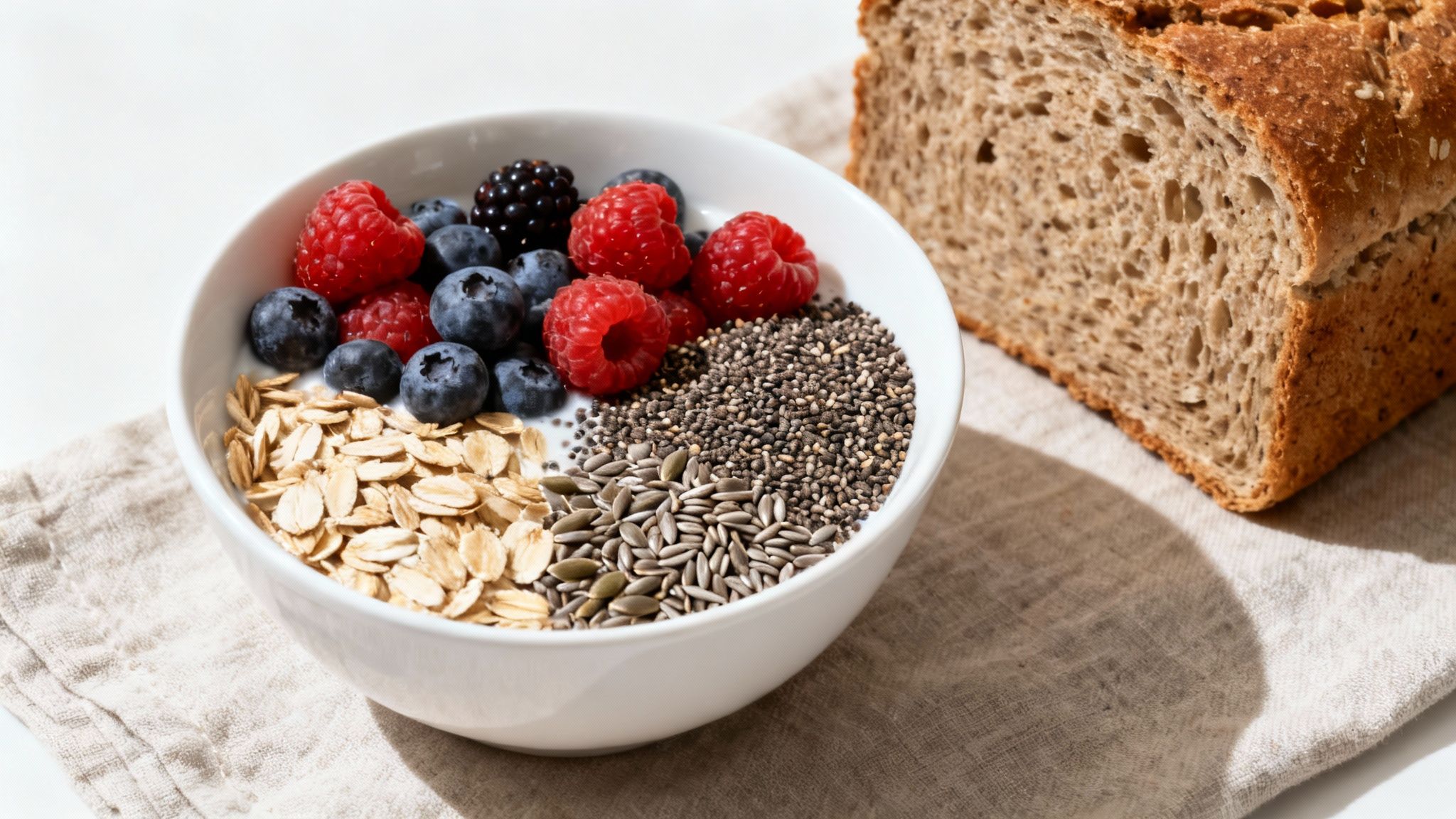
However, these plant fibers are much more than mere filler. They serve as nourishment for the beneficial bacteria in your gut, thereby supporting a healthy microbiome. A well-nourished microbiome is crucial for a strong intestinal barrier, efficient nutrient absorption, and even your immune system. By consciously choosing fiber-rich foods, you lay the foundation for harmonious digestion.
Practical tips for a high-fiber diet:
Incorporating more fiber into your daily routine is simple and incredibly effective for your well-being.
- Increase gradually: Increase your fiber intake gradually over two to three weeks to give your digestive system time to adjust.
- The right amount: The German Nutrition Society (DGE) recommends at least 30 grams of fiber per day.
- Don’t forget water: Fiber needs sufficient fluid to swell and fully exert its effects. So make sure to drink enough water alongside it.
- Colorful variety: Combine different sources such as whole grains (oatmeal, quinoa), legumes (lentils, chickpeas), fruit (berries, apples), and vegetables (broccoli, carrots).
- Smart additions: Flaxseeds, chia seeds, and psyllium husks are true fiber powerhouses and can easily be added to yogurt, muesli, or smoothies.
If you would like to explore the subject in greater depth, you can learn here how to specifically build up your gut flora.
3. Your gut in balance: The power of probiotics and fermented foods
Your gut is home to trillions of microorganisms that together form your microbiome. This ecosystem is essential for healthy digestion. Probiotics are live, beneficial bacteria that support this balance, improve digestive function, and strengthen the gut barrier. They are a valuable answer to the question of what helps with digestive problems, as they can displace harmful bacteria and regulate inflammatory processes.
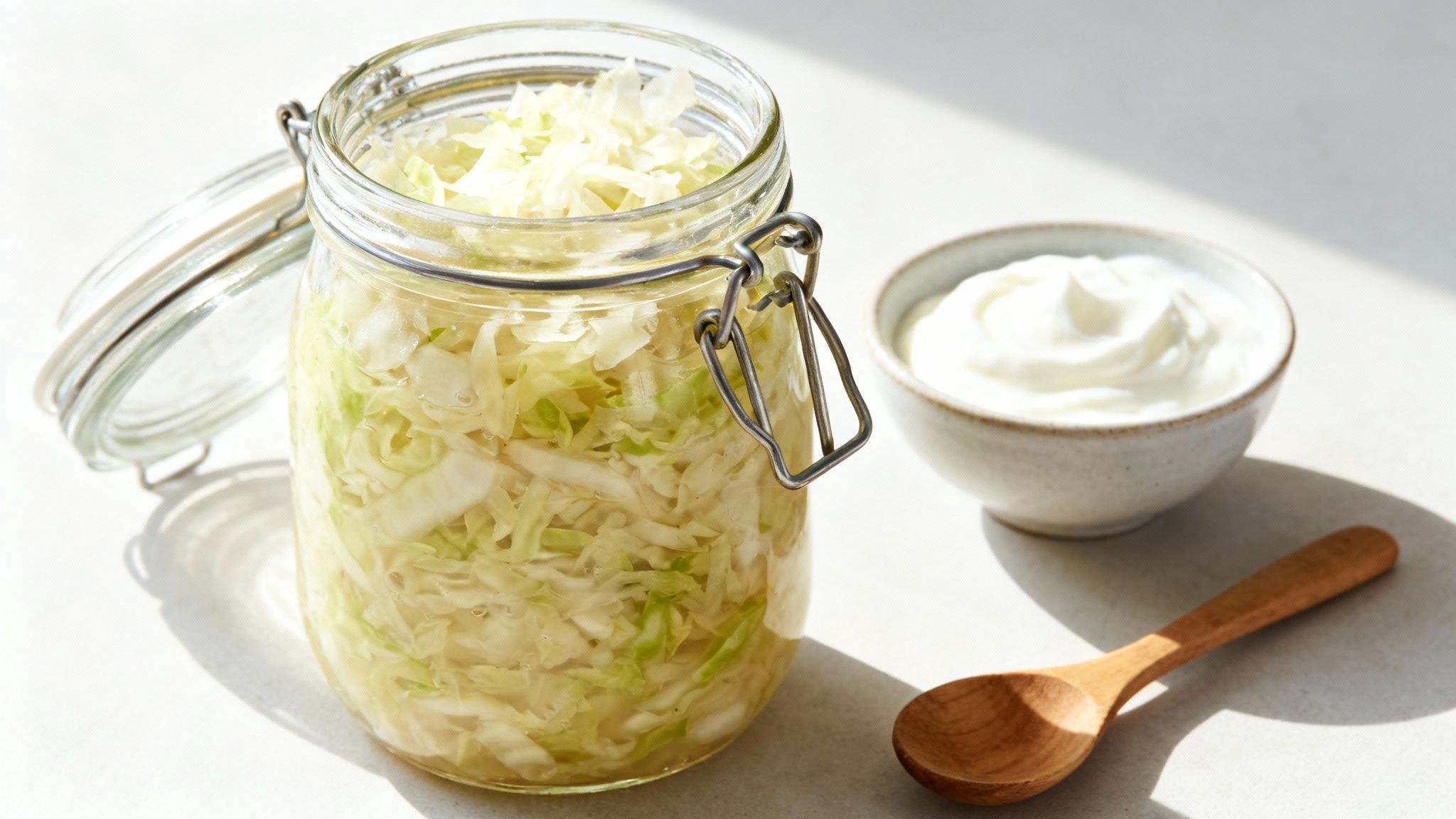
Fermented foods are a natural source of these valuable microorganisms. The fermentation process not only produces probiotic cultures, but also makes foods easier to digest and often improves their nutritional profile. When incorporated into your diet regularly, they can alleviate symptoms such as bloating or irregular bowel movements and enhance your overall well-being.
Practical tips for probiotic foods:
A targeted intake of probiotics can give your gut the support it needs to function smoothly.
- Variety is key: Include various probiotic sources in your diet, such as yogurt with live cultures, unpasteurized sauerkraut, kefir, kimchi, or kombucha.
- Check the labeling: Look for information such as “contains live and active cultures” on labels to ensure that the product is genuinely probiotic.
- Start slowly: When adding fermented foods to your diet for the first time, start with small amounts and increase them gradually to avoid overwhelming your digestive system.
- Feed the good bacteria: Combine probiotic foods with prebiotics (e.g., from onions, garlic, and bananas) to promote the growth of beneficial gut bacteria.
- Proper storage: Store fermented products in a cool place to preserve the viability of the probiotic cultures.
If you would like to explore the benefits of fermented foods in greater depth, you can learn more about the health benefits of kefir here.
4. The art of mindfulness: Why eating slowly and chewing well work wonders
Digestion does not begin in the stomach but in the mouth. Eating hurriedly while standing or at your desk overloads your system from the outset. By taking your time, eating slowly, and chewing thoroughly, you perform valuable preliminary work that eases the strain on your entire digestive tract. Breaking down food and mixing it with saliva, which already contains the first enzymes for digestion, is a crucial step toward optimal nutrient absorption and preventing bloating or a feeling of fullness.

Conscious eating, also known as “Mindful Eating,” also signals to your brain in good time when you are full. This not only helps prevent overeating but also fosters a deeper appreciation for your meal. By following this simple yet powerful principle, you give your body exactly what it needs for smooth digestion. This is one of the most fundamental answers to the question of what helps with digestive problems, as it often addresses the root cause.
Practical tips for mindful eating:
Turn every meal into a small ritual of calm and actively support your digestive health.
- The 20-chew trick: Try to chew each bite at least 20 times. You will be amazed at how this changes the texture and taste of your food.
- Put down your utensils: Consciously put down your fork or spoon after each bite. This forces you to take a short break and automatically slows your pace.
- Minimize distractions: Eat without the television, smartphone, or computer. Instead, focus completely on your meal and your body's signals.
- Take your time: Allow at least 20 to 30 minutes for each main meal. Give your digestive system the time it needs for its important work.
- Savor with all your senses: Pay conscious attention to the colors, smell, consistency, and taste of your food. This not only enhances enjoyment but also mindfulness.
5. The Power of Rest: How Stress Reduction Relieves Your Digestion
Your gut and brain are closely connected through the so-called gut-brain axis. Chronic stress puts your body into "fight-or-flight" mode, which slows digestive activity and can lead to problems such as cramps, bloating, or irritable bowel syndrome. Targeted relaxation, on the other hand, activates the opposing parasympathetic nervous system, which is responsible for "rest and digestion."
By actively reducing stress, you signal to your body that it can relax and redirect its energy toward healthy digestion. That is why consciously incorporating periods of rest is one of the most effective answers to the question of what helps with digestive problems. Techniques such as meditation, deep breathing, or yoga can help permanently break the cycle of stress and digestive discomfort.
Practical tips for your daily relaxation:
Regular relaxation is not a luxury but a necessity for a healthy digestive system.
- Daily mindfulness: Take 10 to 15 minutes every day for meditation or mindfulness exercises. Apps such as Headspace or Calm can make it easier to get started.
- The 4-7-8 breathing technique: Breathe mindfully before meals: Inhale through your nose for 4 seconds, hold your breath for 7 seconds, and slowly exhale through your mouth for 8 seconds. Repeat this 3 to 4 times.
- Movement as an outlet: Incorporate gentle exercise such as yoga, tai chi, or walks in nature into your daily routine 2 to 3 times a week to reduce stress hormones.
- Set boundaries: Create clear boundaries between work and private life. Eat your meals calmly and without distractions from screens.
- Understanding stress hormones: Ongoing stress can increase cortisol levels, which directly affects your digestion. Learn more here about the symptoms that can occur when cortisol is too high.
6. Movement as a Motor: How Physical Activity Gets Your Digestion Moving
Your digestive system loves movement just as much as the rest of your body. Regular physical activity acts like a natural motor for your intestines: It stimulates the muscle contractions (peristalsis) that ensure food is transported efficiently. This helps prevent constipation and promote regular bowel movements.
Imagine how movement stimulates blood circulation throughout the abdominal area. This supplies the digestive organs with more oxygen and nutrients, thereby supporting their function. Exercise also promotes the growth of beneficial gut bacteria and can reduce inflammatory processes in the body. Regular activity is therefore one of the most effective answers to the question of what helps with digestive problems—and it has a positive effect on your overall well-being.
Practical tips for getting more exercise in everyday life:
Exercise doesn't have to be high-performance sport. It's about staying active and gently stimulating your gut.
- Moderate exercise: Aim for about 150 minutes of moderate activity per week. This could be just 30 minutes of brisk walking on five days.
- Choose the right time: Wait about 2–3 hours after a large meal before exercising intensely. A gentle walk to aid digestion immediately after eating, however, is ideal.
- Find what you enjoy: Whether swimming, cycling, dancing, or strength training—every form of movement counts. The best activity is the one you enjoy and do regularly.
- Combination is key: Alternate between endurance activities such as running or cycling and strength training to activate different muscle groups and boost your metabolism.
- Don't forget to hydrate: Drink enough water during and after exercise to compensate for fluid loss and continue supporting digestion.
7. The case against ready-made products: Why your gut loves unprocessed foods
Highly processed foods are often packed with additives, refined sugar, unhealthy fats, and artificial flavors. These ingredients can damage the sensitive intestinal lining, disrupt the balance of your microbiome, and promote inflammatory processes. Avoiding them is therefore a crucial step when you wonder what helps with digestive problems, as they put more strain on your body than they benefit it.
Imagine giving your digestive system pure, natural “building materials” instead of complicated, artificial mixtures. Your gut can recognize whole foods more easily and absorb their nutrients more efficiently. By choosing fresh ingredients, you relieve the strain on your system and lay the foundation for a healthy gut flora and smooth digestion.
Practical tips for a more natural diet:
Switching to a whole-food diet doesn't have to be complicated. With small, mindful choices, you can make a big difference to your gut.
- Read the ingredients list: The shorter the list and the easier the ingredients are to understand, the better. Avoid products with many E numbers and unfamiliar chemical terms.
- Shop the perimeter: Supermarkets usually place fresh products such as fruit, vegetables, and meat along the outer walls, while processed goods are found in the middle aisles.
- Cook for yourself: Prepare your meals yourself as often as possible. This gives you full control over what ends up on your plate.
- Whole grains instead of white flour: Choose whole-grain bread, pasta, or brown rice instead of their refined counterparts to get more fiber.
- Sweeten naturally: Use fruit, dates, or a little honey instead of refined sugar or artificial sweeteners.
8. Healthy fats as a lubricant: Why omega-3 fatty acids are indispensable
Fat has an undeservedly bad reputation, because the right fats are absolutely essential for healthy digestion. Healthy fats, especially omega-3 fatty acids, have an anti-inflammatory effect and support the integrity of your intestinal lining. They act like an internal protective shield that strengthens the intestinal wall and contributes to a balanced gut flora. Without these fats, important fat-soluble vitamins (A, D, E, K) cannot be properly absorbed by the body.
Think of healthy fats as the "lubricant" of your digestive system. They not only help reduce inflammation, which is often the cause of digestive problems, but also promote the growth of beneficial gut bacteria. Making a conscious choice of high-quality fat sources is therefore an effective answer to the question of what helps with digestion in the long term and contributes to overall well-being. The anti-inflammatory properties of omega-3 in particular are a blessing for an irritated gut.
Practical tips for your daily fat intake:
Incorporating healthy fats into your diet is easy and supports your gut in its daily work.
- Fatty fish: Include fatty fish such as salmon, mackerel, or sardines in your diet once or twice a week.
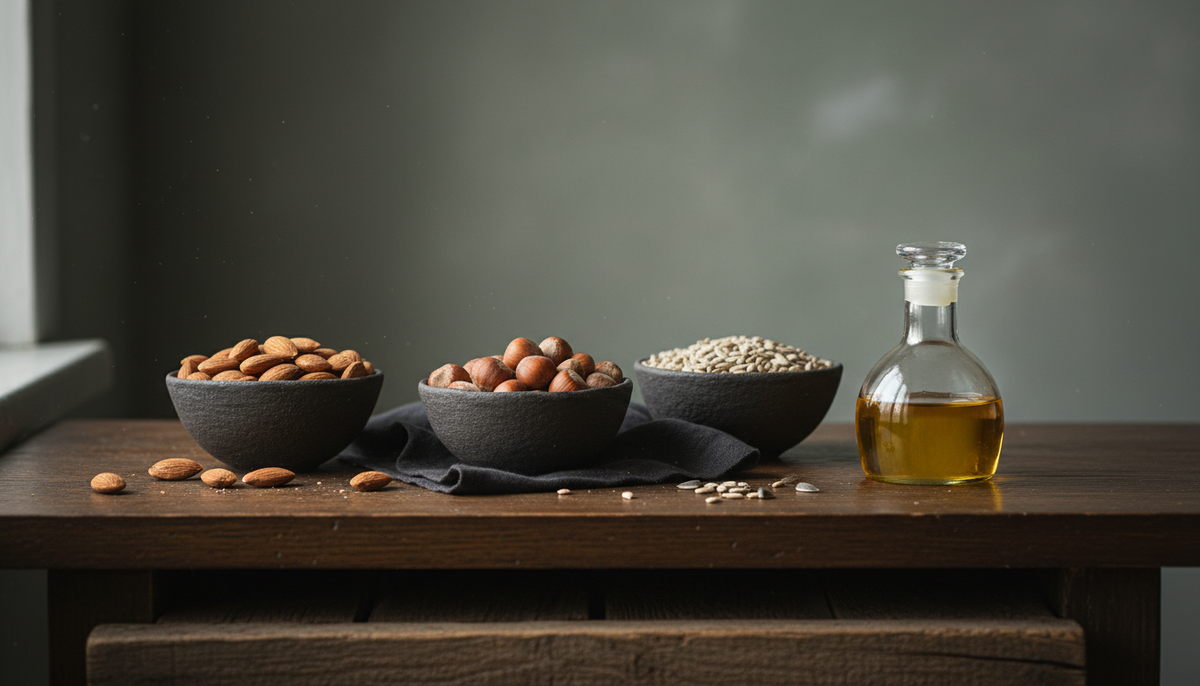
- Plant-based powerhouses: Add avocados, nuts, or seeds to your meals. Ground flaxseeds or chia seeds are an excellent addition to yogurt, muesli, or smoothies.
- High-quality oils: Use extra virgin olive oil for cold dishes such as salads and more stable oils such as ghee or avocado oil for cooking at higher temperatures.
- Avoid processed fats: Reduce your consumption of trans fats and highly processed vegetable oils (e.g., sunflower or soybean oil), which can promote inflammation.
9. Give Your Gut a Break: Meal Frequency and Intermittent Fasting
It’s not only what you eat but also when you eat that has an enormous impact on your digestion. Giving your digestive system breaks is crucial so it can regenerate and carry out repair processes. Constant food intake overloads the gastrointestinal tract, while planned breaks between meals give it the rest it needs to work efficiently.
Intermittent fasting is a structured method for incorporating these breaks. It is not about eating less, but about concentrating meals within a specific time window. This approach helps with digestive problems by relieving the burden on the intestines, stimulating the body’s self-cleaning processes (autophagy), and improving the balance of your microbiome. A mindful meal frequency restores the rhythm your body needs to function optimally.
Practical tips for planning your meals:
Find a rhythm that fits your lifestyle and benefits your body without causing stress.
- The gentle introduction: Start with a 12:12 rhythm, meaning 12 hours of eating and 12 hours of fasting. This often simply means skipping late-night snacking.
- The 16:8 method: This is the most popular form. You eat within an 8-hour window (e.g., from 12 p.m. to 8 p.m.) and fast for the remaining 16 hours.
- Listen to your body: Don’t force yourself. If you experience severe hunger or discomfort, adjust the fasting period. It’s about well-being, not dogma.
- Hydration is essential: Drink enough water or unsweetened herbal tea during fasting periods to keep your body hydrated and flush out toxins.
- Quality over quantity: During your eating windows, make sure to consume nutrient-rich, whole foods. Avoid compensating for the fast by breaking it with large, hard-to-digest meals.
10. Your Internal Timekeeper: Why Sleep Directs Digestion
Sleep is far more than just a nightly pause—it is an active regeneration phase that is crucial for your digestive health. While you sleep, your body repairs tissue, including the intestinal lining, regulates inflammation, and harmonizes the interplay of hormones that control hunger and satiety. A stable circadian rhythm, or your internal 24-hour clock, ensures that these digestive processes run at the right pace.
When this rhythm is disrupted by sleep deprivation or irregular sleep schedules, the delicate ecosystem in the gut becomes unbalanced. This can lead to a weakened gut barrier, an imbalanced microbiome, and impaired nutrient absorption. So if you are looking for an answer to the question of what helps with digestion, caring for your nighttime rest is a fundamental and often underestimated component. Good sleep is, so to speak, the nighttime maintenance program for your entire digestive tract.
Practical tips for restful sleep:
Practicing good sleep hygiene supports not only your daytime energy but also your gut’s unseen work at night.
- Consistent bedtimes: Go to bed at the same time every day and get up at the same time, even on weekends. This stabilizes your circadian rhythm.
- The right environment: Sleep in a cool, dark, and quiet room. Blackout curtains and a comfortable room temperature can work wonders.
- Digital break: Avoid screens (smartphone, TV, tablet) for at least one hour before bedtime. The blue light inhibits the production of the sleep hormone melatonin.
- Meal timing: Ideally, eat your last large meal two to three hours before going to bed to give your digestive system time to wind down.
- Caffeine and exercise: Avoid caffeinated beverages after 2 p.m. Schedule intense workouts earlier in the day, as they can be stimulating in the evening.
Comparison: 10 measures to improve digestion
| Measure | Implementation effort (🔄) | Resource requirements (⚡) | Expected results (📊 / ⭐) | Ideal use cases (💡) | Main benefits (⭐) |
|---|---|---|---|---|---|
| Drink enough water | 🔄 (low) – simple habit | ⚡ (very low) – water/bottle | 📊📊 – rapid relief from constipation · ⭐⭐ | General digestive support, heat, exercise | Simple, affordable, immediately available |
| High-fiber diet | 🔄🔄 – planning & gradual transition | ⚡⚡ – purchasing seasonal whole foods | 📊📊📊 · ⭐⭐⭐ – improves regularity & microbiome | Prevention of constipation, weight management, microbiome development | Regulates bowel movements and lowers the risk of intestinal diseases |
| Probiotics & fermented foods | 🔄🔄 – check selection & tolerability | ⚡⚡ (food/supplements) | 📊📊 – active-ingredient- and strain-specific · ⭐⭐ | Bloating, diarrhea after antibiotics, dysbiotic conditions | Supports the microbiome and may alleviate symptoms |
| Slower eating & thorough chewing | 🔄🔄🔄 – behavioral change required | ⚡ (low) – time & mindfulness | 📊📊 – reduces bloating/overeating · ⭐⭐ | Bloating, overeating, poor nutrient absorption | Improves the start of digestion and increases feelings of fullness |
| Stress reduction & relaxation techniques | 🔄🔄🔄 – requires regular practice | ⚡⚡ – possible cost of classes/therapy, time | 📊📊📊 · ⭐⭐⭐ – affects the gut-brain axis | IBS, functional digestive disorders, chronic stress | Reduces inflammation and improves symptoms and well-being |
| Regular physical activity | 🔄🔄 – establish a training routine | ⚡⚡ – time, possibly equipment | 📊📊📊 · ⭐⭐⭐ – promotes motility and regularity | Constipation, general health prevention | Improves bowel movement, mood, and metabolism |
| Avoiding processed foods | 🔄🔄🔄 – adjustment & planning | ⚡⚡ – more cooking, possible additional costs | 📊📊📊 · ⭐⭐⭐ – reduces inflammation and promotes the microbiome | Chronic inflammation, dysbiosis, digestive complaints | Supports the microbiome and improves nutrient intake |
| Healthy fats & omega-3 fatty acids | 🔄🔄 – source selection | ⚡⚡ – cost of fish/nuts/supplements | 📊📊 – anti-inflammatory · ⭐⭐ | Inflammatory conditions, absorption of fat-soluble nutrients | Strengthens the gut barrier and reduces inflammation |
| Meal frequency & intermittent fasting | 🔄🔄 – adjust timing | ⚡ (low) – planning, possibly consultation | 📊📊 – effective on an individual basis · ⭐⭐ | Metabolic optimization, weight control (not suitable for everyone) | Gives digestion periods of rest and may improve metabolism |
| Adequate sleep & circadian rhythm | 🔄🔄 – establish good sleep hygiene | ⚡ (low) – optimize the sleep environment | 📊📊📊 · ⭐⭐⭐ – influences hormones & microbiome | Chronic digestive problems, need for recovery | Promotes repair processes and regulates hunger and digestive hormones |
Your next step toward better gut instincts: Knowledge alone is not enough
You’ve worked your way through a comprehensive list of strategies showing you what helps with digestive problems. From the crucial role of hydration and a fiber-rich diet to the often-underestimated power of mindful eating, stress management, and sufficient sleep—you now have a strong foundation of knowledge. It’s clear that healthy digestion is not an isolated event, but the result of a holistic lifestyle. It’s about seeing your body as a complex yet understandable system in which nutrition, movement, mental state, and recovery are closely interconnected.
Key insights at a glance
Let’s summarize the key messages you should take away from this article:
- Start with the basics: Adequate water and a fiber-rich diet are essential. Without this foundation, other measures are unlikely to reach their full potential.
- Mindfulness is crucial: How you eat is just as important as what you eat. Slow, mindful chewing and a stress-free environment during meals significantly ease the burden on your digestive system.
- Support your gut inhabitants: Probiotics from fermented foods nourish the good bacteria in your gut and thereby strengthen your gut flora, which is essential when it comes to the question of what helps with digestion.
- Lifestyle as the driving force: Regular, moderate exercise and high-quality sleep are not optional extras, but fundamental pillars of a well-functioning digestive system and your overall well-being.
From knowledge to concrete implementation
True change begins only now, by applying this knowledge. A common mistake is trying to implement everything at once. This often leads to overwhelm and frustration. Instead, choose one or two points from the list that come most easily to you or where you see the greatest potential for yourself.
Start small, but stay consistent. Your goal should not be perfect execution overnight, but establishing sustainable habits. An extra glass of water each day, a 10-minute walk after lunch, or consciously putting away your smartphone during a meal—these are the small victories that make a big difference.
Pay close attention to your body's signals. A food and digestion diary can help you identify connections between certain foods, activities, and your well-being. The goal is to develop an individual “gut feeling” for what personally does you good. Every body is unique, and your perfect formula for feeling better is as individual as you are. Make your digestive health a priority—not because you have to, but because you deserve the energy and quality of life that come with it.
If you want to go beyond general tips and gain a deep, scientifically grounded understanding of your own body, a microbiome analysis from MYBODY Lab GmbH could be the decisive next step. Instead of guessing what helps with digestion, an analysis of your gut microbiome provides concrete, personalized data and recommendations tailored precisely to your gut flora. Discover your body's unique composition and take control of your well-being at MYBODY Lab GmbH.


Share now:
Rapid Tests at Home: Everything You Need to Know
Nutrition for Hashimoto’s: How the right diet can improve your well-being