
Diabetes Self-Test 2026: How to Monitor Your Levels
Many people with diabetes or prediabetes are unsure whether their blood glucose levels are within the normal range or whether action is needed. Diabetes self-tests enable independent monitoring at home, but correctly using and interpreting the results is often difficult. This article explains how diabetes self-tests work, which values are critical, and how to optimally monitor your health through precise measurements. You will learn which methods are available and how to avoid common mistakes to obtain reliable results.
Table of contents
- How does a diabetes self-test work?
- Which values are concerning in a diabetes self-test?
- Blood glucose meters and continuous glucose monitoring compared
- How to perform a diabetes self-test correctly
- Discover personalized blood testing solutions from mybody®x
- Frequently asked questions about diabetes self-testing
Key findings on diabetes self-testing
| Point | Details |
|---|---|
| Rapid blood glucose testing | Self-tests enable convenient, immediate measurement of blood glucose levels at home. |
| Measurement accuracy is crucial | Accuracy depends on the device, correct operation, and proper storage of the test strips. |
| Continuous glucose monitoring | CGM systems complement point-in-time tests with continuous data collection over hours and days. |
| Recognizing critical values | Fasting values above 126 mg/dL or an HbA1c above 6.5% indicate diabetes. |
| Regular monitoring | Continuous monitoring helps adjust treatment and minimize health risks. |
How does a diabetes self-test work?
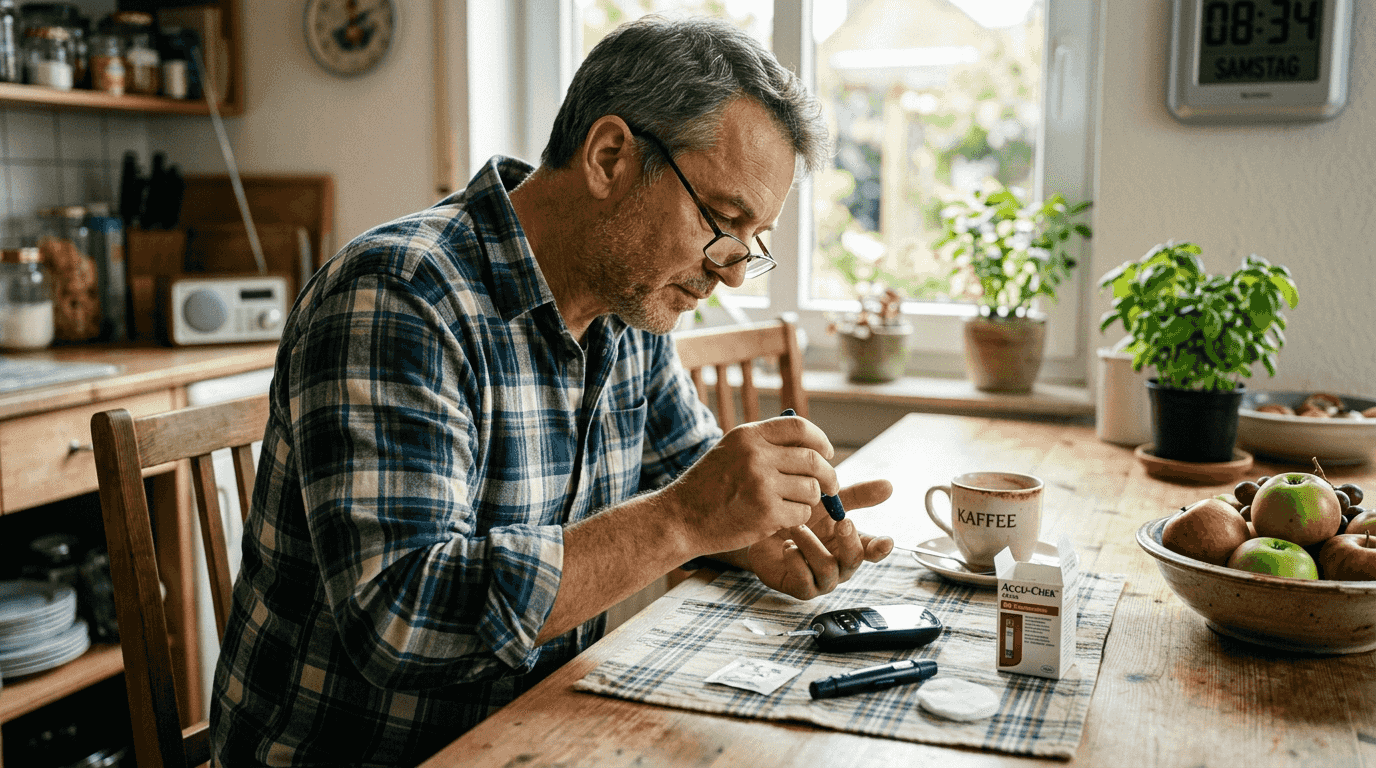
Diabetes self-tests use modern technology to determine blood glucose levels quickly and reliably. Blood glucose meters determine the glucose content in the blood within a few seconds. Most devices use enzymatic measurement methods in which glucose oxidase detects glucose in the blood electrochemically. Only a tiny blood sample is needed, usually taken from the fingertip.
The process is simple: A test strip is inserted into the meter, a small drop of blood is applied to the strip, and the device displays the current blood glucose level within seconds. This point-in-time measurement gives you a snapshot of your blood glucose level. Correct handling is essential for precise results, as even small errors can distort the readings.
In addition to traditional blood glucose meters, continuous glucose monitoring systems (CGM) are becoming increasingly important. CGM systems are based on electrochemical needle sensors that are placed minimally invasively in the interstitial tissue. These sensors continuously measure glucose concentration and send the data to a receiver or smartphone app. This gives you not only individual readings but also a complete overview of your blood glucose fluctuations throughout the day.
CGM systems offer several advantages over single-point measurements:
- Continuous data collection every 5 to 15 minutes
- Early warning of impending low or high blood sugar through alerts
- Detection of patterns and trends over hours and days
- Less invasive because you need to prick yourself less often
Pro tip: Always store test strips in a dry, cool place and in their original packaging. Moisture and heat can alter their chemical composition and lead to inaccurate readings. Check the expiration date regularly.
When blood sugar levels fluctuate rapidly, such as after meals or exercise, measuring capillary blood from the fingertip is recommended for more accurate results. CGM sensors measure glucose in the tissue, with a delay of approximately 5 to 15 minutes compared with blood glucose. During stable periods, both methods are equally reliable. If you would like to learn more about how to perform blood tests at home, you will find detailed instructions there. Further information on various medical self-tests can provide additional guidance.
Which values are concerning in a diabetes self-test?
Interpreting your blood sugar levels is crucial for assessing your health correctly. Normal, abnormal, and critical values vary depending on when the measurement is taken and on your individual situation. Understanding these thresholds helps you take action in good time.
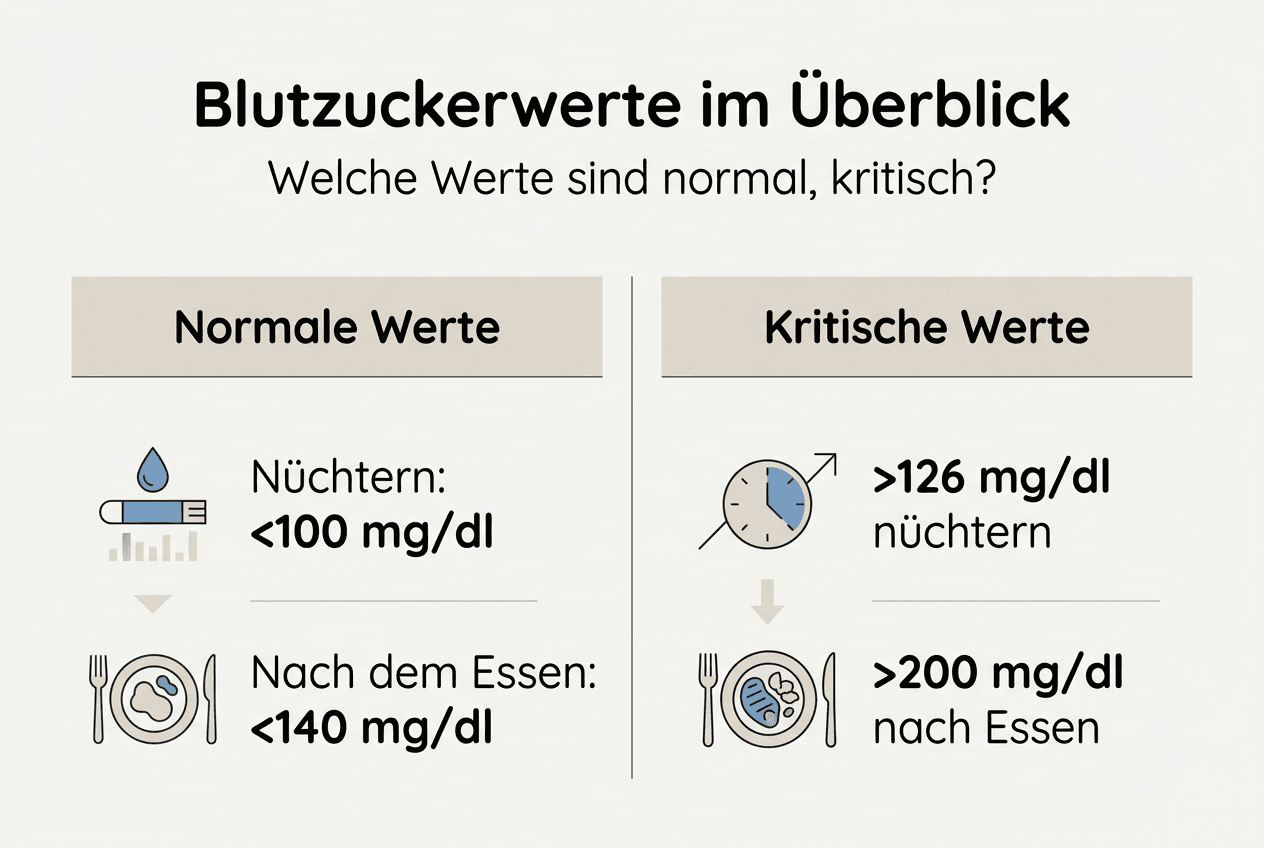
Fasting blood glucose is measured in the morning before breakfast, at least eight hours after the last meal. Values below 100 mg/dl are considered normal. If your fasting value is between 100 and 125 mg/dl, this indicates prediabetes, a precursor to diabetes. Fasting values above 126 mg/dl are suspicious for diabetes and should be medically evaluated.
Postprandial values are measured approximately two hours after a meal. Values up to 140 mg/dl are considered normal. Values between 140 and 199 mg/dl may indicate impaired glucose tolerance. If values remain consistently above 200 mg/dl, there is a high risk of diabetes, or the disease is already present.
The HbA1c value provides information about your average blood sugar control over the past two to three months. It shows how much glucose has bound to the hemoglobin in your red blood cells. An HbA1c below 5.7% is normal. Values between 5.7% and 6.4% indicate prediabetes. An HbA1c above 6.5% is considered an indicator of diabetes and requires medical diagnosis and treatment.
The following table summarizes the key thresholds:
| Reading | Normal | Prediabetes | Diabetes |
|---|---|---|---|
| Fasting blood glucose | below 100 mg/dl | 100 to 125 mg/dl | above 126 mg/dl |
| Postprandial value | below 140 mg/dl | 140 to 199 mg/dl | above 200 mg/dl |
| HbA1c | below 5.7% | 5.7% to 6.4% | above 6.5% |
Important notes on interpretation:
- Individual elevated readings do not automatically mean diabetes, but should be checked repeatedly
- Significant fluctuations may indicate dietary mistakes or the effects of medication
- Hypoglycemia (low blood sugar) occurs at values below 70 mg/dl and requires immediate action
- Values above 300 mg/dl are acutely dangerous and require emergency medical care
Please note that individual factors such as age, comorbidities, and treatment goals influence your personal target levels. Discuss your measurement results regularly with your doctor to optimize your treatment.
Blood glucose meters and continuous glucose monitoring compared
The choice between traditional blood glucose meters and continuous glucose monitoring systems depends on your personal needs, type of diabetes, and lifestyle. Both methods have specific advantages and disadvantages that you should know about.
Traditional blood glucose meters are tried and tested, cost-effective, and provide quick results. They take occasional measurements using a small finger prick. The devices are compact, easy to use, and require no complex installation. Stiftung Warentest tested seven devices and recognized two top models for their accuracy and user-friendliness. These devices are particularly suitable for people with type 2 diabetes who only need to check their levels occasionally.
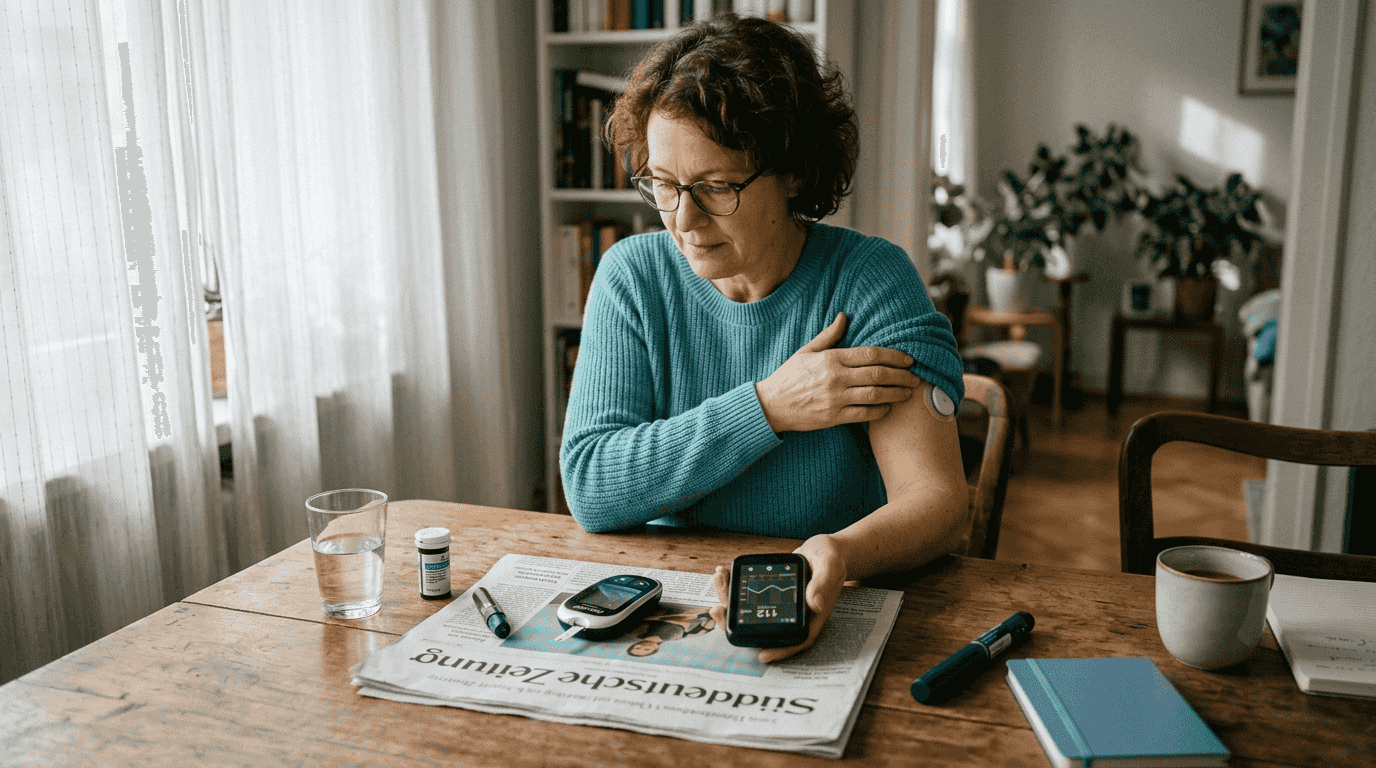
CGM systems offer a completely different approach. You wear a small sensor on your skin, usually on your upper arm or abdomen, that continuously measures the glucose concentration in your tissue. The data is transmitted wirelessly to a receiver or smartphone. CGM improves glycemic control and reduces the risk of complications by providing early warnings of dangerous blood sugar fluctuations.
The following comparison table shows the key differences:
| Aspect | Blood glucose meter | CGM system |
|---|---|---|
| Measurement type | Occasional, manual | Continuous, automatic |
| Invasiveness | Finger prick for every measurement | Change sensor every 7 to 14 days |
| Data scope | Individual readings | Continuous progress curves |
| Cost | Lower, approximately 20 to 50 euros per device | Higher, approximately 60 to 150 euros per month |
| Wearing comfort | No wearing required | Sensor worn permanently on the body |
| Alarm function | None | Warning for hypoglycemia or hyperglycemia |
| Suitability | Type 2 diabetes, infrequent monitoring | Type 1 diabetes, insulin therapy |
Advantages of traditional meters:
- Immediate measurement when needed, with no waiting time
- No ongoing costs apart from test strips
- No need to wear sensors continuously
- Easy to use without technical setup
Advantages of CGM systems:
- Detection of trends and patterns throughout the day
- Fewer finger pricks, greater comfort
- Early warning of dangerous blood glucose levels
- Better therapy adjustments through comprehensive data
Pro tip: Combining both methods can provide optimal control, especially during insulin therapy. Use CGM for continuous monitoring and traditional meters for verification during rapid blood glucose fluctuations or alarms.
If you would like to read more about personal experiences with at-home blood tests, you will find valuable insights there. A comprehensive guide to rapid tests offers additional information on various testing options for home use.
How to perform a diabetes self-test correctly
Performing a diabetes self-test correctly is crucial for reliable results. Even small errors can distort the readings and lead to incorrect conclusions. With the right technique, you can obtain precise readings you can rely on.
Preparation is the first step toward success. Wash your hands thoroughly with warm water and soap to remove contaminants. Dry them completely, as moisture can affect the measurement. Check that your test strips are still within their expiration date and have been stored properly. Improvements in meters simplify handling and minimize sources of error through automatic calibration and coding.
Follow this step-by-step guide:
- Prepare the meter and have a new test strip ready
- Set the lancing device to the desired penetration depth (usually level 2 to 3)
- Disinfect the side of your fingertip, not the pad, as there are more nerve endings there
- Prick the side of the fingertip, not directly on the pad
- Gently massage from the base of the finger toward the tip to form a sufficiently large drop of blood
- Touch the test strip with the drop of blood until the device has absorbed the sample
- Wait for the measurement result and record the value with the date and time
Common sources of error and how to avoid them:
- Insufficient blood: Make sure the drop is large enough; otherwise, the measurement will be inaccurate
- Dirty hands: Sugar residue or fruit juice on your fingers can significantly distort the result
- Expired test strips: Proper storage of the test strips is essential for accurate measurement results
- Incorrect storage: Heat, moisture, and direct sunlight damage the test strips
- Fingers that are too cold: Warm hands promote blood flow and make blood collection easier
Alternative testing sites such as the forearm or thigh are possible with some devices. However, note that blood glucose readings from these sites lag behind fingertip readings by 5 to 15 minutes. When blood glucose levels fluctuate rapidly, such as after meals or exercise, fingertip measurements are therefore more accurate.
Pro tip: Keep a digital measurement log in an app or spreadsheet. In addition to your readings, record meals, medications, exercise, and anything unusual. This will help you identify patterns and make well-informed treatment decisions with your doctor.
If you would generally like to learn more about performing blood tests yourself, you will find comprehensive information there. A detailed guide to blood tests at home also provides additional support for carrying them out correctly.
Discover personalized blood testing solutions from mybody®x
Now that you know how diabetes self-tests work and what to look out for, the next step is putting this knowledge into practice. mybody®x offers you simple, reliable blood tests and diabetes self-tests for home use. With detailed instructions, we support you in carrying out the tests and interpreting your results. Our solutions are ideal for improving control of your blood sugar and health. All tests are ISO-certified and provide scientifically validated results with personalized recommendations. Visit the mybody®x homepage for more information and individual testing options tailored to your needs.
Frequently asked questions about diabetes self-testing
What is a diabetes self-test?
A diabetes self-test independently measures blood glucose levels at home using portable devices. It helps you continuously monitor your health and supports treatment decisions. Modern devices are accurate, fast, and require only small blood samples. Continuous glucose monitoring (CGM) enables ongoing monitoring alongside point-in-time tests.
How does a diabetes self-test differ from laboratory tests?
Self-tests provide immediate blood sugar readings at home and are suitable for daily monitoring. Laboratory tests offer more comprehensive analyses, such as HbA1c, kidney values, or lipid profiles, and are more accurate for diagnoses. Laboratory values are used for medical assessment by doctors, while self-tests enable independent monitoring between doctor visits. Both complement each other optimally for comprehensive diabetes management.
What sources of error are there with diabetes self-tests?
Errors can result from incorrect use, expired or improperly stored test strips, and an insufficient blood sample. Dirty hands with sugar or fruit residue can significantly distort results. Fingers that are too cold, which impairs blood circulation, can also cause inaccurate readings. Proper handling, correct storage of test strips, and thorough handwashing significantly improve measurement accuracy.
How often should you measure your blood sugar at home?
The frequency of measurement varies individually depending on the type of diabetes, treatment, and health status. People with type 1 diabetes or intensified insulin therapy often measure their blood sugar four to seven times a day. For type 2 diabetes without insulin, one to three measurements per week are usually sufficient. Your doctor determines the optimal frequency based on your metabolic status. For prediabetes, occasional checks are sufficient to monitor progression.
Can diabetes self-tests replace a medical diagnosis?
No, diabetes self-tests are intended to monitor progression, not for initial diagnosis. You should always have abnormal results evaluated by a doctor. Only a doctor can make a confirmed diabetes diagnosis based on multiple laboratory values, medical history, and a physical examination. Self-tests are valuable tools for monitoring treatment and detecting problems early between doctor visits.
Recommendation
- Self-Test Procedure 2026: How to Use Personalized Analyses – mybody®x
- Your HbA1c Level in the Blood: Understanding and Optimizing It Made Easy – mybody®x
- Diabetes Nutrition: How to Take Control of Your Blood Sugar Yourself – mybody®x
- How to test for food intolerance | Your path to greater well-being – mybody®x
- Glucose Tests - Self-Testing - mybestpharmacy.net | Mybestpharmacy.net | Online Pharmacy



Share now:
Gut problems: Find the causes and gain clarity with your test
Persistent stomach pain and bloating: What’s really behind it