

Benefits of personalized nutrition for your health
More and more people are realizing that a one-size-fits-all diet rarely leads to lasting success. What surprises many is that: Genetic differences, gut bacteria, and individual metabolic types influence how our bodies respond to food. By exploring your own needs instead of relying on generic recommendations, you can specifically improve your health, energy, and well-being. Here you will learn how personalized nutrition works and why it can be a turning point for many people.
Table of contents
- What personalized nutrition means
- Genetic analyses and metabolism tests explained
- The microbiome, nutrient status, and their role
- Practical examples: Who can benefit from this approach?
- Scientific evidence and potential risks
- Costs, data protection, and alternatives compared
Key findings
| Point | Details |
|---|---|
| Personalized nutrition improves health | It is based on genetic, metabolic, and lifestyle factors and provides tailored nutritional recommendations. |
| A variety of tests are essential | Genetic analyses, blood tests, and microbiome analyses help identify individual nutrient needs. |
| Target groups benefit the most | People with specific health goals, such as athletes or individuals with digestive problems, find personalized nutrition to be a suitable solution. |
| Scientific foundations are essential | Personalized nutrition should be based on sound scientific evidence and requires professional guidance to avoid risks. |
What personalized nutrition means
Personalized nutrition is more than a trend—it is a scientifically sound approach that takes your health to an entirely new level. The German Nutrition Society (DGE) defines this approach as an adaptive system for individualized nutritional support that is specifically tailored to your personal needs and resources.
The basic principle of personalized nutrition is based on the understanding that every person is different. Genetic factors, metabolism, lifestyle, and health goals play a decisive role in developing a tailored nutrition strategy. Instead of one-size-fits-all diets, this approach relies on scientifically sound analyses that take your individual metabolic processes, nutrient needs, and genetic predispositions into account.
How does personalized nutrition work in practice? The DGE describes it as a flexible system that takes individual goals and possibilities into account. Typically, this includes:
- Genetic analyses to identify metabolic traits
- Detailed blood and nutrient tests
- Microbiome testing
- Individual dietary recommendations based on scientific data
The aim is to precisely adapt your diet to your physical needs, thereby minimizing health risks and optimizing your performance.
Genetic analyses and metabolism tests explained
Personalized nutrition uses cutting-edge scientific methods to develop your individual health strategy. Genetic analyses and metabolism tests enable precise identification of specific nutritional needs that go far beyond traditional dietary recommendations.
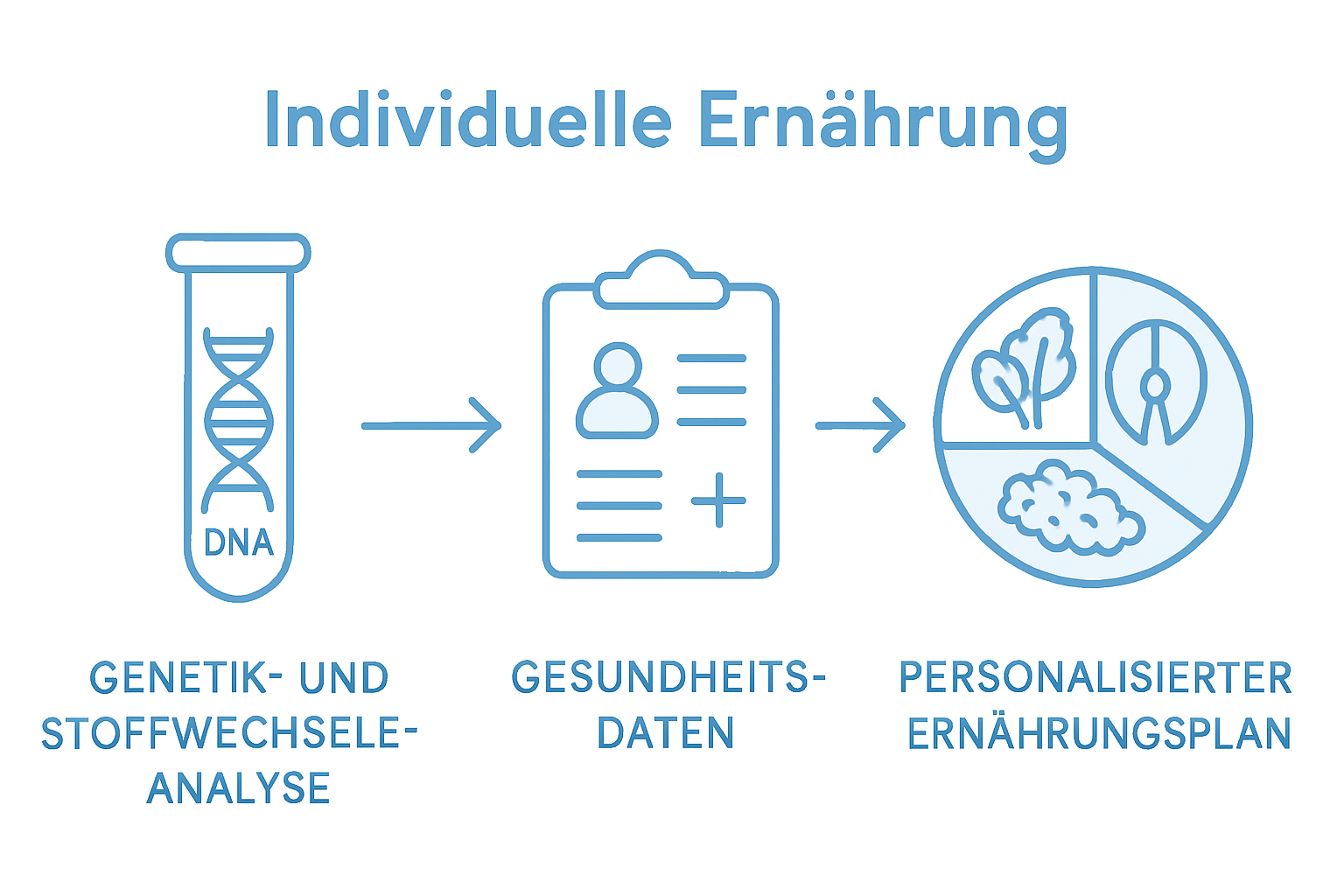
What does this mean in practice? Genetic tests analyze your DNA and reveal genetic variations that influence metabolism, nutrient absorption, and eating behavior. These analyses can provide information, for example, about how your body processes carbohydrates, which nutrients you absorb particularly well or poorly, and which foods are optimal for your metabolism.
The German Nutrition Society (DGE) emphasizes the importance of these individualized testing methods for identifying personal nutritional needs. Metabolism tests include various analytical methods:
- Genetic screenings for metabolic analysis
- Detailed blood tests
- Hormonal profiling
- Microbiome analyses
The aim of these comprehensive tests is to gain a holistic understanding of your individual metabolism and use it to develop tailored dietary recommendations that optimally support your health and performance.
The microbiome, nutrient status, and their role
Personalized nutrition reveals a complex interplay between your microbiome and nutrient status. The Leibniz Research Institute shows how crucial the individual microbiome is for nutrient utilization by fundamentally influencing the conversion and absorption of nutrients.

Your gut microbiome is like a unique ecosystem consisting of trillions of bacteria. These microorganisms play a central role in digestion, immune defense, and even the production of neurotransmitters. Depending on the individual composition of your microbiome, nutrients may be processed with varying efficiency—which means that a dietary recommendation for your neighbor is not automatically optimal for you.
The German Nutrition Society (DGE) emphasizes the importance of the microbiome and nutrient status for individualized nutrition strategies. Important aspects include:
- Analysis of the composition of bacteria in the gut
- Analysis of nutrient absorption and utilization
- Identification of potential deficiencies
- Development of personalized nutrition recommendations
With a deep understanding of your individual nutrient status and microbiome, you can make targeted dietary choices that sustainably support your health, energy, and performance.
Practical examples: Who can benefit from this approach?
Personalized nutrition is not a cure-all, but a targeted approach for people with specific health goals or challenges. This approach is particularly interesting for people with complex genetic metabolic profiles who have not made progress with conventional dietary recommendations.
Which groups of people benefit the most? For example, people with chronic digestive problems, persistent weight issues, competitive athletes who want to optimize their nutrition strategy, or people with a family history of specific metabolic disorders. Individualized analysis helps develop precise nutrition strategies tailored to specific genetic and metabolic needs.
The key target groups at a glance:
- People with digestive problems
- Athletes and competitive athletes
- People facing weight management challenges
- Individuals with a family history of metabolic disorders
- People with food intolerances
- People in life stages with increased nutrient requirements (pregnancy, menopause)
In the long term, the aim is not only to treat symptoms, but to understand the underlying causes and develop an individually optimized nutrition strategy that sustainably improves your health and quality of life.
Scientific evidence and potential risks
Personalized nutrition is based on solid scientific foundations, but it is not a miracle solution. Genetics plays a decisive role in developing individualized nutrition strategies, with research showing that genetic variations significantly influence how we process nutrients and our metabolic processes.
The scientific evidence is supported by numerous studies investigating the relationship between genetic profiles and dietary responses. At the same time, consumers must understand that personalized nutrition does not replace the diagnosis or treatment of diseases, but serves as a complementary approach to optimizing health. A critical perspective and professional advice are important.
Potential risks and challenges include:
- Misinterpretation of genetic data
- Overestimating genetic predispositions
- Unrealistic expectations
- Data protection and confidentiality of genetic information
- Potential psychological burdens caused by genetic findings
Despite these challenges, personalized nutrition offers enormous potential for individualized health strategies when implemented on a scientifically sound and responsible basis.
Costs, data protection, and alternatives compared
Personalized nutritional analyses represent an investment in your own health that should be carefully considered. The German Nutrition Society emphasizes the need to comprehensively evaluate costs, data protection, and alternative approaches in order to make an informed decision.
The cost of personalized nutritional analyses varies depending on the scope and level of detail of the examination. While traditional nutritional counseling costs between 50 and 200 euros, comprehensive genetic tests and metabolism analyses can cost between 150 and 500 euros. It is important to weigh the investment costs against the potential health benefits.
Key aspects in comparison:
- Costs: Price range from 50 to 500 euros
- Data protection: The highest security standards are required
-
Alternative approach:
- Traditional nutritional counseling
- Standardized meal plans
- General health checkups
For people with specific health goals or genetic predispositions, a personalized nutritional analysis may be more cost-effective and beneficial for their health in the long term than conventional approaches, despite the higher costs.
Take the next step toward your personalized health
The benefits of personalized nutrition are clear. If you have ever wondered why general dietary recommendations do not improve your well-being, this is often due to individual genetic differences and metabolic characteristics. The knowledge from our article shows how important a customized analysis, such as genetic or microbiome analysis, is for truly tailoring your diet to your needs and achieving sustainable results.
With DNA metabolic tests for your optimal nutrition – mybody®x, you can find out precisely which nutrients your body particularly needs and how to improve your personal well-being. We also offer Allergy & intolerance tests | blood tests for home use – mybody®x to help you identify intolerances and avoid them in a targeted way.
Start now with a scientifically grounded analysis at mybody-x.com and benefit from personalized nutrition recommendations that take your health to the next level. Don’t miss the opportunity to take care of yourself in an empowered and sustainable way.
Frequently asked questions
What are the main benefits of personalized nutrition?
Personalized nutrition helps identify individual dietary needs based on genetic, metabolic, and environmental factors. This makes it possible to develop a tailored diet that optimizes physical health and minimizes health risks.
How do genetic analyses differ from traditional dietary recommendations?
Genetic analyses examine individual genetic variations that influence metabolism and nutrient absorption, while traditional dietary recommendations are often general guidelines that do not address individual needs.
Who should consider personalized nutrition?
People with specific health goals, chronic digestive problems, competitive athletes, and those with a family history of metabolic disorders benefit particularly from personalized nutrition approaches.
Which tests are commonly performed for personalized nutrition?
Typical tests include genetic analyses, blood tests, microbiome analyses, and metabolic tests, enabling a comprehensive analysis of individual nutrient needs.



Share now:
Regulate Hormones Naturally: How to Restore Balance to Your Body
Role of nutrition tests – For personalized health