

Benefits of hormone analysis – Understanding individual health
Fatigue, mood swings, or unexplained weight gain affect many people in Central Europe far more often than expected. Studies show that hormonal fluctuations go undetected in more than 60 percent of adults. Anyone who wants to actively protect their health should take the body's signals seriously and adopt individualized preventive measures at an early stage. Precise hormone analysis provides clarity about your hormone status and enables a targeted path toward greater well-being and vitality.
Table of contents
- Hormone analysis: What it is and why it matters
- An overview of common hormone imbalances
- Process, methods, and significance of modern hormone tests
- How personalized hormone analysis improves prevention and treatment
- Risks, limitations, and alternatives to hormone tests
Key insights
| Point | Details |
|---|---|
| Importance of hormone analysis | Hormone analysis provides important insights into hormone status and helps identify imbalances. |
| Areas of application | It is crucial when evaluating fertility problems, menstrual disorders, and hormone imbalances. |
| Methods of analysis | Modern tests offer various analysis methods, such as blood, saliva, and urine tests, each with different advantages. |
| Personalized approaches | Personalized hormone analysis enables preventive strategies and individualized treatment plans based on the hormone profile. |
Hormone analysis: What it is and why it matters
A hormone analysis is a targeted diagnostic examination that comprehensively determines your body's individual hormone status. It provides detailed insight into your hormonal balance and identifies potential imbalances that may affect your health. Laboratory analytical methods are crucial for precise diagnosis.
Hormone analysis examines various hormones such as estrogen, testosterone, cortisol, and thyroid hormones. It not only helps detect disorders but also provides valuable information about your overall health. Typical areas of application include:
- Evaluation of fertility problems
- Investigation of menstrual disorders
- Assessment of metabolism
- Diagnosis of hormone imbalances
For women and men, hormone analysis can provide crucial insights. It shows whether hormones are in balance or whether targeted measures such as dietary adjustments, lifestyle changes, or medical treatments are necessary.
This comparison table shows differences in the use of hormone analysis for women and men:
| Sex | Relevant hormones | Typical question | Benefits of the analysis |
|---|---|---|---|
| Women | Estrogen, progesterone | Cycle, menopause, fertility | Therapy adjustment, lifestyle changes |
| Men | Testosterone, cortisol | Potency, muscle mass, energy | Early detection of deficiencies |
Pro tip: Have your hormones tested regularly to identify possible imbalances at an early stage and take preventive action.
An overview of common hormone imbalances
Hormonal imbalances can affect various bodily functions and occur at different stages of life. Gynecological diagnostics show that hormonal fluctuations are complex and individual, with hormones such as estradiol, progesterone, FSH, and LH playing a central role.
Typical hormone imbalances include:
- Estrogen deficiency: Common during perimenopause and can cause mood swings and hot flashes
- Testosterone deficiency: Affects libido, muscle building, and energy levels in men
- Thyroid hormone disorders: Can affect metabolism, weight, and energy
- Cortisol imbalance: Relating to stress and adrenal function
Hormonal changes can have a major impact, especially during menopause. Lifestyle factors such as diet, exercise, and stress management play a crucial role in hormonal balance. A targeted hormone analysis for testosterone deficiency can provide valuable insights.
Pro tip: Pay attention to your body’s signals and have a comprehensive hormone check performed if symptoms persist.
Process, methods, and significance of modern hormone tests
Modern hormone tests are precise diagnostic tools that provide comprehensive insight into your hormonal balance. Hormone levels can be tested simply and clearly to understand individual health connections.

Modern hormone tests include various analysis techniques:
The following table provides an overview of important analysis methods and their distinctive features:
| Analysis method | Sample type | Advantage | Typical area of application |
|---|---|---|---|
| Blood test | Blood | Highest accuracy | Hormone levels, thyroid |
| Saliva test | Saliva | Simple and non-invasive | Stress hormones, daily profiles |
| Urine test | Urine | Long-term measurement possible | Metabolism, steroid profiles |
| Combined analysis | Multiple samples | Comprehensive overall picture | Complex hormonal disorders |
- Blood tests: Most accurate method for determining hormone levels
- Saliva tests: Non-invasive alternative for hormone analysis
- Urine tests: Enable long-term hormone measurements
- Combined analyses: Comprehensive assessment of different hormones
A typical hormone test begins with collecting a sample at home, followed by laboratory-based analysis. Modern tests take individual fluctuations into account and provide detailed evaluations that shed light on hormonal balance.
The informative value of such tests is considerable: They can provide indications of metabolic problems, fertility issues, stress symptoms, and hormonal imbalances. Individual interpretation by specialists is important.
Pro tip: Choose a hormone test that examines multiple hormones simultaneously to obtain a comprehensive picture of your hormonal status.
How personalized hormone analysis improves prevention and treatment
Personalized hormone analysis is revolutionizing healthcare by connecting individual hormone profiles with targeted treatment strategies. It goes far beyond traditional standard approaches and enables tailored medical intervention.
The key benefits of personalized hormone analyses include:
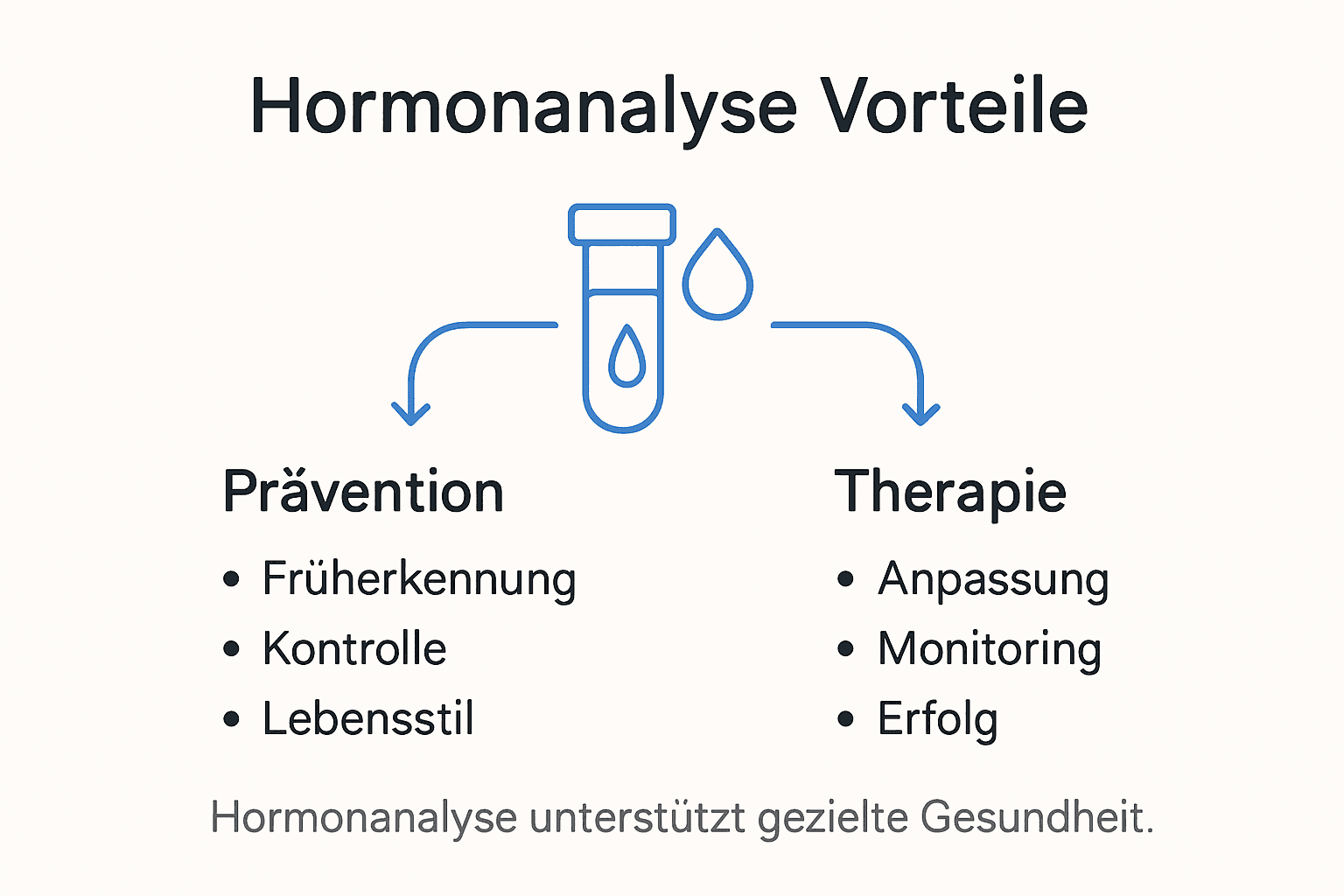
- Early detection: Identifying imbalances before symptoms appear
- Preventive strategies: Targeted lifestyle adjustments based on individual results
- Individualized treatment planning: Tailoring treatments to specific hormonal profiles
- Holistic health approach: Consideration of lifestyle, diet, and personal factors
Personalized hormone analysis during menopause enables a differentiated assessment of hormonal changes. It helps prevent functional disorders and improve overall well-being. By taking individual hormone profiles into account, doctors can provide more precise recommendations.
Pro tip: Document your symptoms and lifestyle factors before the hormone test to enable an even more accurate analysis.
Risks, limitations, and alternatives to hormone tests
Hormone tests are complex diagnostic tools with specific challenges. Standardized reference values can often be misleading and are subject to significant individual variation, making critical interpretation essential.
The most important risks and limitations include:
- Cyclical fluctuations: Hormone levels vary depending on the time of day and cycle
- Snapshot effect: A single test does not reflect the full hormonal dynamics
- Difficulties in interpretation: Complex interactions between different hormones
- Potential misdiagnoses: Risk of over- or underinterpreting the results
Alternatives to standardized hormone tests, such as the comprehensive hormone level check, can offer more holistic approaches. These include:
- Detailed medical history
- Symptom-based clinical examinations
- Long-term observations
- Combining multiple diagnostic methods
Pro tip: Always discuss your test results with a specialist to ensure a comprehensive and accurate interpretation.
Harness the power of personalized hormone analysis for your health
An imbalanced hormone balance can affect many areas of life—from energy and mood to metabolism and fertility. If you notice typical symptoms such as fatigue, mood swings, or menstrual irregularities, it is important to understand your hormone levels accurately at an early stage. Personalized hormone analysis enables you to gain clear insight into your specific hormone profiles and make targeted decisions for your health.
With our precise and easy-to-use at-home hormone tests – triglycerides, cortisol, testosterone & more – mybody®x, we offer you an easy-to-understand, scientifically sound way to check your hormone levels yourself. Benefit from state-of-the-art ISO-certified laboratory quality and a personalized evaluation that provides not only results but also practical recommendations. Combine your hormone analysis with additional diagnostics, such as identify and prevent nutrient deficiencies – at-home tests | mybody® – mybody®x, to gain a comprehensive picture of your health.
Don't wait until symptoms start controlling your daily life. Start your personalized hormone analysis today and discover how scientifically validated methods and personalized advice can help you improve your hormonal balance. Visit mybody-x.com and take the first step toward greater well-being and quality of life.
Frequently asked questions
What is hormone analysis?
Hormone analysis is a diagnostic examination that determines hormone levels in the body and detects possible imbalances that may affect health.
Which hormones are tested during hormone analysis?
The hormones typically tested include estrogen, testosterone, cortisol, and thyroid hormones, which are important for assessing hormonal balance.
Why is hormone analysis important for my health?
A hormone analysis helps identify hormonal imbalances that can cause symptoms such as menstrual irregularities, fertility problems, or metabolic disorders, and enables targeted measures to improve health.
How is a hormone test performed?
A hormone test is generally carried out by collecting a sample, usually blood, saliva, or urine, which is then analyzed in a laboratory to provide insights into hormone levels.



Share now:
At-home hormone test: what a single result tells you—and what it doesn’t
Menopause symptoms you should know about