
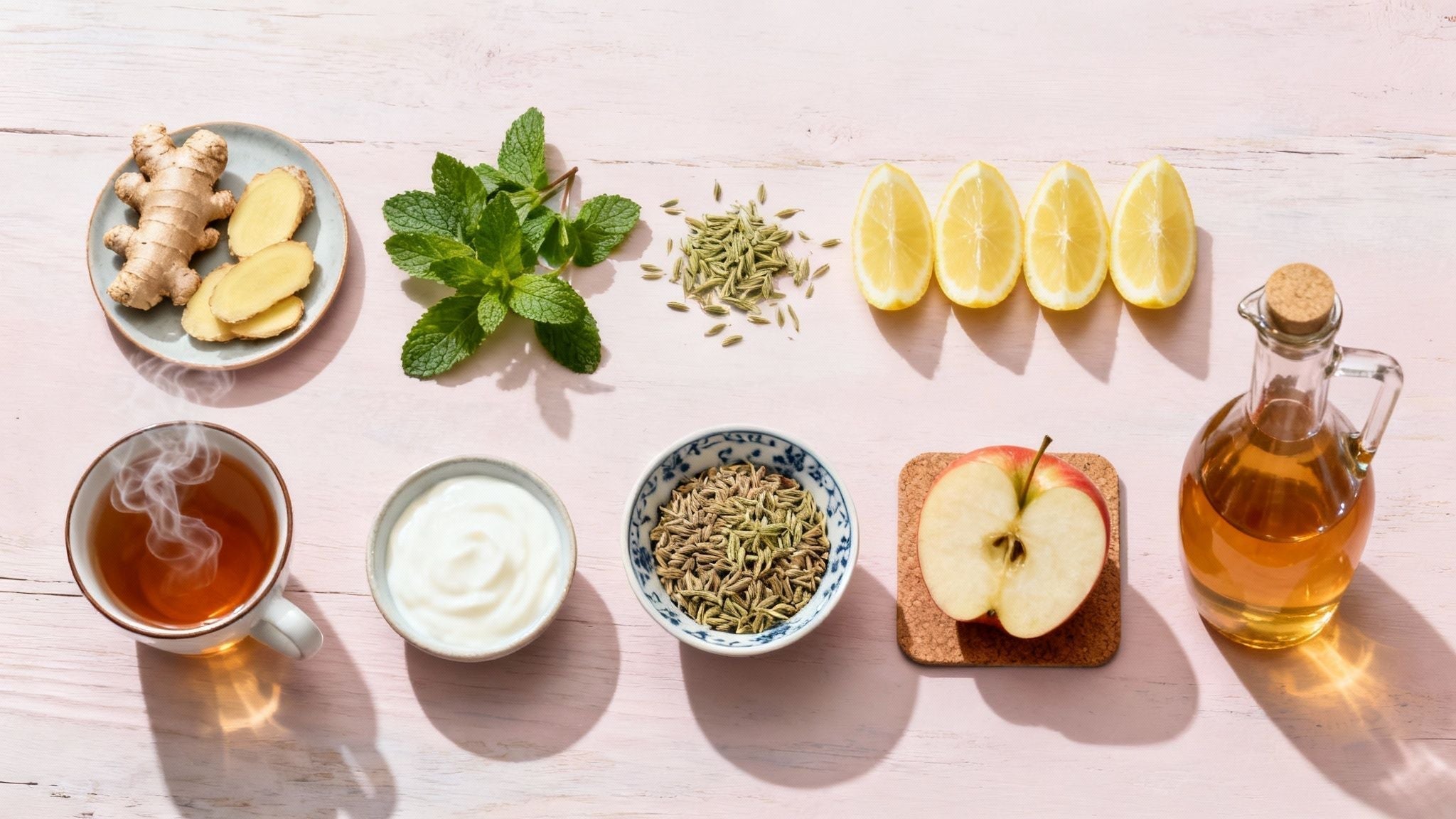
Stimulate Digestion: The 8 Best Home Remedies for a Comfortable Stomach
Do you often feel sluggish, bloated, or simply uncomfortable after eating? You are not alone in feeling this way. Slow digestion can make everyday life more difficult and significantly affect your well-being. But before reaching for quick, often chemical remedies, it is worth looking to nature’s treasures. Many complaints can be relieved with tried-and-tested home remedies that gently support your body instead of overwhelming it. The right support for your gut is often easier to find than you think—right in your kitchen or on your herb shelf.
In this article, we introduce the best home remedies for stimulating digestion. We show you how you can do your stomach some good with simple, natural ingredients such as ginger, peppermint, or apple cider vinegar. You will learn not only what exactly helps, but also why these remedies are so effective and how you can easily incorporate them into your daily routine. A healthy gut is the foundation for more energy, a strong immune system, and a high quality of life. Let’s take the first step together toward feeling better in your stomach.
1. Ginger
Ginger, the spicy root, is much more than just a spice. It is considered one of the most powerful and oldest home remedies for stimulating digestion and is used worldwide to relieve gastrointestinal discomfort. The pungent compounds it contains, particularly gingerols and shogaols, stimulate the production of stomach acid and bile, which is crucial for breaking down food. At the same time, they promote peristalsis—the muscle contractions of the intestines that move food through the digestive tract.
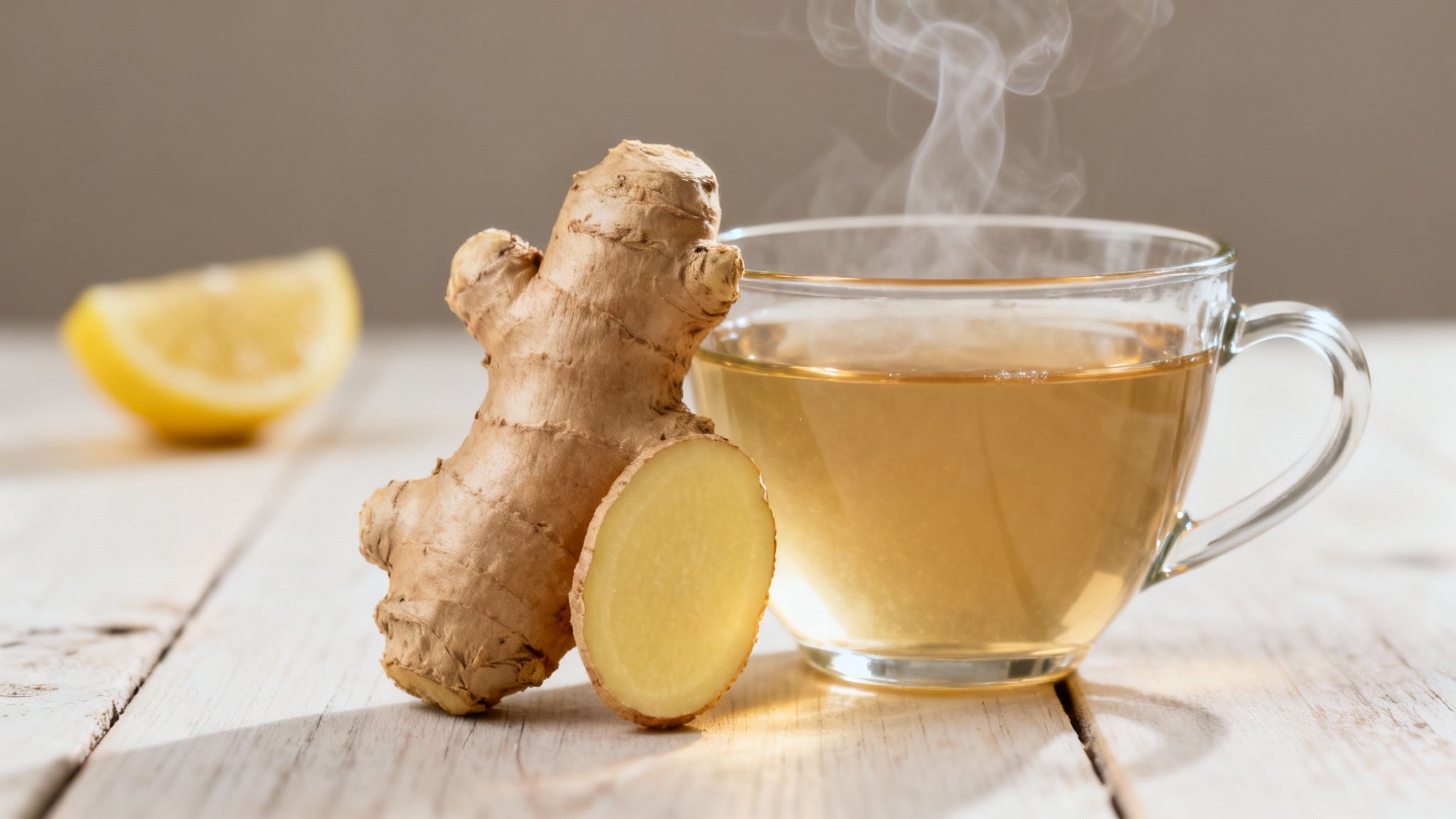
This dual effect makes ginger particularly effective for feelings of fullness, bloating, and nausea. In Japanese cuisine, pickled ginger (gari) is served with sushi to support digestion, while Ayurvedic medicine recommends warm ginger water before meals to kindle the “digestive fire” (Agni).
How to use ginger specifically to support your digestion
To make the most of ginger’s digestive benefits, proper preparation is crucial. Instead of using powder, you should prefer fresh ginger, as it contains the highest concentration of valuable compounds.
- Preparation: Cut a thumb-sized piece (approx. 2–3 cm) of fresh ginger into thin slices. Pour hot, but no longer boiling, water over the slices and let the tea steep, covered, for about 10 minutes.
- Timing: Ideally drink the tea 20 to 30 minutes before a heavy meal to stimulate the digestive juices, or afterward to relieve feelings of fullness and bloating.
- Refinement: A splash of fresh lemon juice and a teaspoon of honey round out the flavor and complement its effects with additional vitamins and enzymes.
- Test your tolerance: Start with a smaller amount to see how your stomach reacts to the spiciness.
Good to know: Ginger’s effect on digestion is closely linked to its ability to stimulate the metabolism. Its thermogenic effect, which creates a pleasant warmth, also promotes calorie expenditure. Learn more about which foods stimulate your metabolism and how you can use them specifically.
2. Apple cider vinegar
Apple cider vinegar, the tangy elixir made from fermented apples, is a time-tested home remedy to stimulate digestion that is firmly rooted in traditional folk medicine. Its effects are based on the acetic acid it contains, which stimulates the production of stomach acid and digestive enzymes. This is particularly helpful because a lack of stomach acid often leads to a feeling of fullness and slowed digestion. Natural fermentation also produces valuable enzymes and probiotic bacterial cultures (the so-called “mother of vinegar”), which support a healthy gut flora.

These mechanisms make apple cider vinegar a versatile aid. In European naturopathy, it has been consumed before meals as a digestive tonic for centuries. Modern nutritional approaches particularly value it for improving fat digestion and preparing the stomach for protein-rich foods. The mildly acidic environment it creates in the stomach optimizes nutrient absorption and can effectively prevent bloating after meals.
How to use apple cider vinegar specifically for your digestion
For safe and effective use, it is important to dose apple cider vinegar correctly and choose a high-quality variety. Always choose raw, unpasteurized organic apple cider vinegar containing the valuable “mother.”
- Preparation: Dilute one to two teaspoons of apple cider vinegar in a large glass (approx. 250 ml) of still water. Never drink it undiluted, as the acid can damage tooth enamel and the esophagus.
- Timing: Drink the apple cider vinegar beverage about 15 to 20 minutes before a meal. This gives your digestive system time to ramp up the production of stomach acid and enzymes.
- Protect your teeth: Ideally, use a straw to minimize the acid’s direct contact with your teeth, and rinse your mouth with plain water afterward.
- Start slowly: If you have never used apple cider vinegar before, start with just one teaspoon per day and gradually increase the dosage to help your body get used to it.
Good to know: Apple cider vinegar not only stimulates digestion but is also often mentioned in connection with weight management. Its ability to stabilize blood sugar levels may reduce cravings. Find out more about how you can boost your metabolism naturally and thereby support your health goals.
3. Chamomile
Chamomile is far more than just a soothing evening tea. This gentle medicinal plant is a proven and highly versatile home remedy for stimulating digestion, particularly effective for stress-related gastrointestinal complaints. Its antispasmodic, anti-inflammatory, and soothing properties, which are mainly attributed to active compounds such as bisabolol and flavonoids, relax the muscles of the digestive tract. This can effectively relieve cramps, feelings of fullness, and nervous stomach irritation.
At the same time, chamomile promotes the production of digestive enzymes, thereby supporting smooth digestion. In European naturopathy, chamomile tea has traditionally been recommended after meals to harmonize digestion and prevent bloating. This gentle yet effective quality makes it an ideal choice for people with a sensitive stomach or when stress and tension literally affect the stomach.
How to use chamomile specifically for your digestion
To fully unleash chamomile’s soothing and digestion-supporting effects, quality and proper use are essential. Use loose, dried chamomile flowers in organic quality, as these contain the highest concentration of essential oils.
- Preparation: Pour hot, but no longer boiling, water over 1 to 2 teaspoons of dried chamomile flowers. Cover and steep the tea for 5 to 10 minutes so that the valuable ingredients can be released.
- Timing: Drink the tea warm, ideally 20 to 30 minutes before a meal to prepare the stomach, or afterward to gently support digestion and relieve cramps.
- Combination: For an enhanced effect against bloating and feelings of fullness, chamomile can be combined excellently with peppermint or fennel seeds.
- Regularity: For a lasting effect on chronic symptoms, it is recommended to drink 2 to 3 cups daily.
Good to know: Chamomile’s ability to soothe the stomach makes it a valuable aid for unpleasant symptoms of impaired digestion. Find out more about what you can do about bloating after eating and how natural remedies can provide relief.
4. Bitters/Bitter herbs
Long excluded from our diets, bitter compounds are experiencing a renaissance as a powerful home remedy for stimulating digestion. These plant compounds, found in herbs such as dandelion, milk thistle, and wormwood, work through a simple yet ingenious mechanism: The bitter taste on the tongue signals to your body that food is on the way. In response, the production of all important digestive juices is reflexively stimulated—from stomach acid and bile to the enzymes of the pancreas.
This holistic stimulus optimally prepares the entire digestive tract for food intake and ensures efficient breakdown and utilization of nutrients. In many European cultures, this knowledge is deeply rooted: German herbal bitters or Italian amaro are traditionally consumed before or after meals to support digestion and prevent a feeling of fullness. Bitter compounds are therefore the natural “starting signal” for a healthy digestive process.
How to use bitter compounds specifically for your digestion
For maximum effect, the bitter compounds must be perceived directly on the tongue. Capsules or pills swallowed quickly bypass this important stimulus and are therefore less effective.
- Preparation: Use high-quality herbal extracts or tinctures. Simply place a few drops directly on your tongue or dilute them in a small sip of water if the taste is initially too intense.
- Timing: Ideally, take the bitter compounds 10 to 15 minutes before a meal. This gives your digestive system enough time to ramp up the production of digestive juices.
- Awareness: Keep the liquid in your mouth for a few seconds to fully develop the bitter taste and activate the receptors on your tongue.
- Integration: Start with a small dose and increase it slowly. You can also add salads with bitter varieties such as arugula or radicchio to gently accustom your palate to the taste.
Good to know: Activating digestion through bitter compounds is a fundamental process for healthy nutrient absorption. Properly functioning digestion ensures that vitamins and minerals can be optimally used by the body. Find out more about how to recognize a vitamin deficiency and the role an intact digestive system plays in this.
5. Peppermint
Peppermint is more than just a refreshing flavor. It is a proven home remedy for stimulating digestion, known primarily for its antispasmodic and soothing effect on the gastrointestinal tract. The key active ingredient is menthol, which relaxes the smooth muscles of the digestive tract. This relieves cramps and bloating while also stimulating bile flow, thereby improving fat digestion.

This relaxing property makes peppermint particularly valuable for functional complaints such as irritable bowel syndrome. It is no coincidence that mint tea after meals is a longstanding tradition in many cultures, from North Africa to the Mediterranean region. In German wellness facilities, peppermint tea is also often served as part of programs designed to promote digestive well-being.
How to use peppermint specifically for your digestion
For optimal results, fresh peppermint or high-quality dried tea is the best choice. The preparation is simple and easy to incorporate into everyday life to provide quick relief.
- Preparation: Pour hot, but not boiling, water over a teaspoon of dried peppermint leaves or a handful of fresh leaves. Cover and steep the tea for 5 to 10 minutes so that the essential oils can develop.
- Timing: It is best to drink the tea after a meal to support digestion, or specifically when bloating and mild cramps occur.
- Variations: In summer, you can let the tea cool and enjoy it as refreshing iced tea. Combining it with ginger can further enhance its digestive effect.
- Important note: If you are prone to heartburn, you should enjoy peppermint tea only in moderation, as it can relax the sphincter between the esophagus and stomach and thereby promote the reflux of stomach acid.
Expert tip: The soothing effect of peppermint on the intestinal muscles is well documented scientifically. In particular, concentrated peppermint oil in capsule form has shown significant symptom relief in studies involving patients with irritable bowel syndrome and is a strong example of how targeted plant compounds can support well-being.
6. Caraway tea
Caraway has been proven for centuries and is one of the best-known home remedies for stimulating digestion, especially in German-speaking regions. The small seeds are famous for their carminative, meaning anti-bloating and antispasmodic, effect. This is due to the essential oils, particularly carvone and limonene, which relax the muscles of the gastrointestinal tract, stimulate the production of digestive juices, and release trapped gas.
This unique property makes caraway a first choice for bloating, a feeling of fullness, and abdominal cramps. Its traditional use is deeply rooted in European culture: In Germany, caraway is often added to hard-to-digest dishes such as cabbage dishes or fatty roasts to make them easier to digest. In Scandinavian countries, caraway is a typical ingredient in rye bread, which also aids digestion.
How to use caraway tea specifically for your digestion
To achieve the maximum effect against bloating and to stimulate digestion, proper use of caraway is essential. Tea is probably the most effective way to make the valuable ingredients quickly available.
- Preparation: Lightly crush 1 to 2 teaspoons of whole caraway seeds in a mortar to release the essential oils. Pour hot, but no longer boiling, water over the seeds and let the tea steep covered for about 10 minutes.
- Timing: It is best to drink the tea 20 to 30 minutes before a heavy meal as a preventive measure, or slowly after eating to relieve acute discomfort such as a feeling of fullness.
- Enhance the effect: For an even stronger effect, you can combine caraway with fennel and anise. This blend is known as the classic “three-wind tea” and is particularly effective for severe bloating.
- Alternative: If you are on the go, you can also slowly and thoroughly chew a few caraway seeds directly after eating.
Good to know: The soothing effect of caraway on the intestines is a prime example of how targeted plant compounds can regulate the digestive system. A healthy gut is the center of your well-being. Would you like to learn more about how you can comprehensively support your gut health? Discover how professional intestinal cleansing works and helps your body make a fresh start.
7. Aloe vera
Aloe vera, often referred to as the “lily of the desert,” is known not only for its skin-care properties but also as a tried-and-tested home remedy to stimulate digestion. The clear gel inside the leaves contains valuable compounds such as acemannan polysaccharides and enzymes that have a dual effect on the digestive tract. On the one hand, they soothe the mucous membranes of the stomach and intestines; on the other, they gently promote intestinal movements (peristalsis), helping to move intestinal contents onward.
This regulating property makes aloe vera particularly helpful for sluggish digestion and constipation. In Ayurvedic medicine, it is used to harmonize the digestive system, while modern integrative practices recommend it for irritable bowel syndrome. Aloe vera juice is also frequently used in wellness and detox programs to support the body’s natural cleansing processes and improve nutrient absorption.
How to use aloe vera specifically for your digestion
For safe and effective use, it is crucial to use only the pure, clear gel and not the yellowish latex located directly beneath the leaf rind, as it can have a strong laxative effect. Commercial products should therefore be “aloin-free” or “latex-free.”
- Preparation: For purchased juices, look for high quality (organic, with no added sugar). The ideal dose is about 60–90 ml (approximately 2–3 shot glasses) of pure aloe vera juice.
- Timing: It is best to drink the juice 15 to 20 minutes before a main meal to stimulate the production of digestive enzymes and prepare the gastrointestinal tract.
- Improving the taste: The pure taste takes some getting used to. Mix the juice with a little water, coconut water, or a splash of lemon juice to make it more pleasant.
- Duration of use: Start with a small amount to test your tolerance. A course of treatment lasting no more than two weeks is recommended, followed by a break.
Good to know: A healthy gut flora is the foundation of proper digestion. Aloe vera can stimulate bowel activity, but probiotics and prebiotics are essential for long-term balance. They support beneficial gut bacteria and contribute to a stable intestinal barrier. Find out how targeted supplementation with probiotics and prebiotics can strengthen your gut and sustainably improve your digestion.
8. Fennel
Fennel, with its mildly sweet aroma, is much more than just a vegetable. Its seeds and the tea made from them are a classic and particularly gentle home remedy for stimulating digestion that has been valued for generations for soothing the gastrointestinal tract. The essential oils they contain, especially anethole, have an antispasmodic effect and relax the muscles in the digestive tract. This helps relieve painful cramps and feelings of fullness. At the same time, they promote the elimination of gas and thus effectively counteract bloating.
This gentle yet effective effect makes fennel a preferred choice for sensitive stomachs, and it has traditionally even been recommended for infants and children. In Indian cuisine, fennel seeds are chewed after meals to support digestion and freshen the breath. In Germany, fennel tea is a trusted classic often drunk after heavy meals to promote well-being.
How to use fennel specifically for your digestion
For optimal results, use high-quality, preferably fresh fennel seeds, as they contain the highest concentration of the active essential oils.
- Preparation: Pour hot, but no longer boiling, water over 1 to 2 teaspoons of fennel seeds. For maximum effectiveness, lightly crush the seeds in a mortar beforehand to release the oils. Cover and let the tea steep for about 10 minutes.
- Timing: Enjoy the tea after meals to prevent bloating and feelings of fullness, or slowly chew a few seeds about 20 minutes after eating.
- Combination: For an especially gentle and soothing effect, fennel tea combines wonderfully with chamomile or anise.
- Caution with young children: In infants and young children, tea should be given only highly diluted and after consulting a pediatrician.
Good to know: Fennel is a wonderful aid for acute symptoms, but long-term healthy digestion depends on a healthy gut microbiome. If you want to sustainably improve your digestion, it is essential to understand the fundamentals of gut health. Learn in our guide how to improve your digestion and specifically support your gut health.
Comparison: 8 home remedies to stimulate digestion
| Medium | 🔄 Application | ⚡ Onset of effect | ⭐ Main effect | 📊 Ideal for | 💡 Benefits & tips |
|---|---|---|---|---|---|
| Ginger | Low – steep the tea for 10 min. | Fast (20–30 min.) | ⭐⭐⭐⭐ – increases gastric motility, relieves nausea | Sluggish digestion, nausea, after heavy meals | Anti-inflammatory; use caution if you have heartburn |
| Apple cider vinegar | Very low – 1–2 tsp in water | Fast (15–20 min. beforehand) | ⭐⭐⭐ – stimulates digestive juices | Preventively before meals, mild symptoms | Choose naturally cloudy vinegar; always dilute it to protect your teeth |
| Chamomile | Very low – steep the tea for 5–10 min. | Medium – ideal for regular use | ⭐⭐ – mild, soothing, antispasmodic | Nervous stomach, mild cramps, stress | Very safe and gentle; may cause drowsiness |
| Bitters | Medium – place drops on the tongue | Very fast (5–10 min.) | ⭐⭐⭐⭐ – stimulates bile & enzymes | Fat digestion problems, loss of appetite | Very effective; the bitter taste may take some getting used to |
| Peppermint | Low – steep the tea for 5–10 min. | Fast (15–20 min.) | ⭐⭐⭐⭐ – strongly antispasmodic, relieves bloating | Cramps, bloating, irritable bowel syndrome | Rapid relief; avoid if you have heartburn |
| Caraway tea | Very low – steep the seeds | Fast (20–30 min.) | ⭐⭐⭐ – very effective against bloating | Acute bloating, feeling of fullness | Safe for children; can be combined with anise & fennel |
| Aloe vera | Medium – measure the juice | Slow (hours to days) | ⭐⭐⭐ – gently laxative, soothing | Sluggish digestion, mild constipation | Anti-inflammatory; use only aloin-free products |
| Fennel | Very low – steep the seeds | Fast (20–30 min.) | ⭐⭐⭐ – gently antispasmodic, relieves bloating | Sensitive stomach, bloating in children | Very well tolerated, pleasant taste |
Conclusion: Small helpers with a big impact—and the next step
As you can see, your kitchen is a true treasure trove when it comes to supporting your digestion naturally. From the warming spice of ginger and the soothing power of chamomile to the stimulating effect of bitters, nature has numerous solutions to offer. These tried-and-tested home remedies to stimulate digestion are not complicated miracle cures, but simple yet effective tools that you can easily incorporate into your daily routine.
The key to success is listening to your body and finding out which of these methods helps you personally the most. Perhaps a glass of water with apple cider vinegar will become your morning ritual, or fennel tea will become your regular companion after heavy meals. It's not about implementing everything at once, but about mindfully and gradually establishing new habits that sustainably improve your well-being.
Your key takeaways summarized
- Prevention is better than cure: Many home remedies, such as ginger or bitters, work best when used regularly to keep your digestive system in balance.
- Combine for greater effect: Peppermint tea after a meal and bitters beforehand can complement each other perfectly and support different aspects of your digestion.
- Timing matters: Some remedies, such as apple cider vinegar, work best before meals. Others, such as chamomile or fennel, are ideal afterward to soothe digestion and prevent bloating.
When home remedies aren't enough: Taking a deeper look
As effective as these natural helpers may be, they often treat the symptoms but not always the deeper cause. If you find that digestive problems, discomfort, or low energy have become your constant companions despite all your efforts, this could indicate an underlying imbalance. Undiscovered food intolerances, a nutrient deficiency, or an impaired gut flora—a condition known as dysbiosis—could be behind it.
This is exactly where the effectiveness of many general recommendations ends and the need for personalized analysis begins. Instead of continuing to guess what your body is lacking, you can investigate purposefully. Understanding your unique microbiome is the crucial next step—not only to stimulate digestion, but also to establish your health on an entirely new foundation. It marks the transition from relieving symptoms to actively shaping your long-term health.
Ready to understand the causes of your digestive problems? The mybody® microbiome test from MYBODY Lab GmbH precisely analyzes your gut flora and provides you with personalized, scientifically sound recommendations that go far beyond general home remedies. Find out what your body really needs and begin your journey toward lasting digestive well-being.

Share now:
Nutrition to Strengthen the Immune System – Your Guide to Stronger Defenses
Rapid Tests at Home: Everything You Need to Know