

Strengthen your immune system through nutrition – Your guide to strong defenses
Your diet is the most powerful lever you have for strengthening your defenses and preparing yourself to fight infections. With every meal, you lay the foundation: Choosing nutrient-rich foods mindfully supplies your immune cells with exactly the building blocks they need for their demanding work.
Your immune system understands what you eat
Do you often feel tired, lacking energy, or feel like you catch every infection that is going around? These are often typical signals from your body that your immune system could use some support.
Imagine your immune system as a well-organized army. It is constantly on patrol to protect your body from invaders such as viruses and bacteria. This army consists of various specialists: white blood cells (leukocytes), antibodies, and many other helpers. But for these troops to function optimally, they need fuel and building materials—and that is exactly what you provide through your diet.
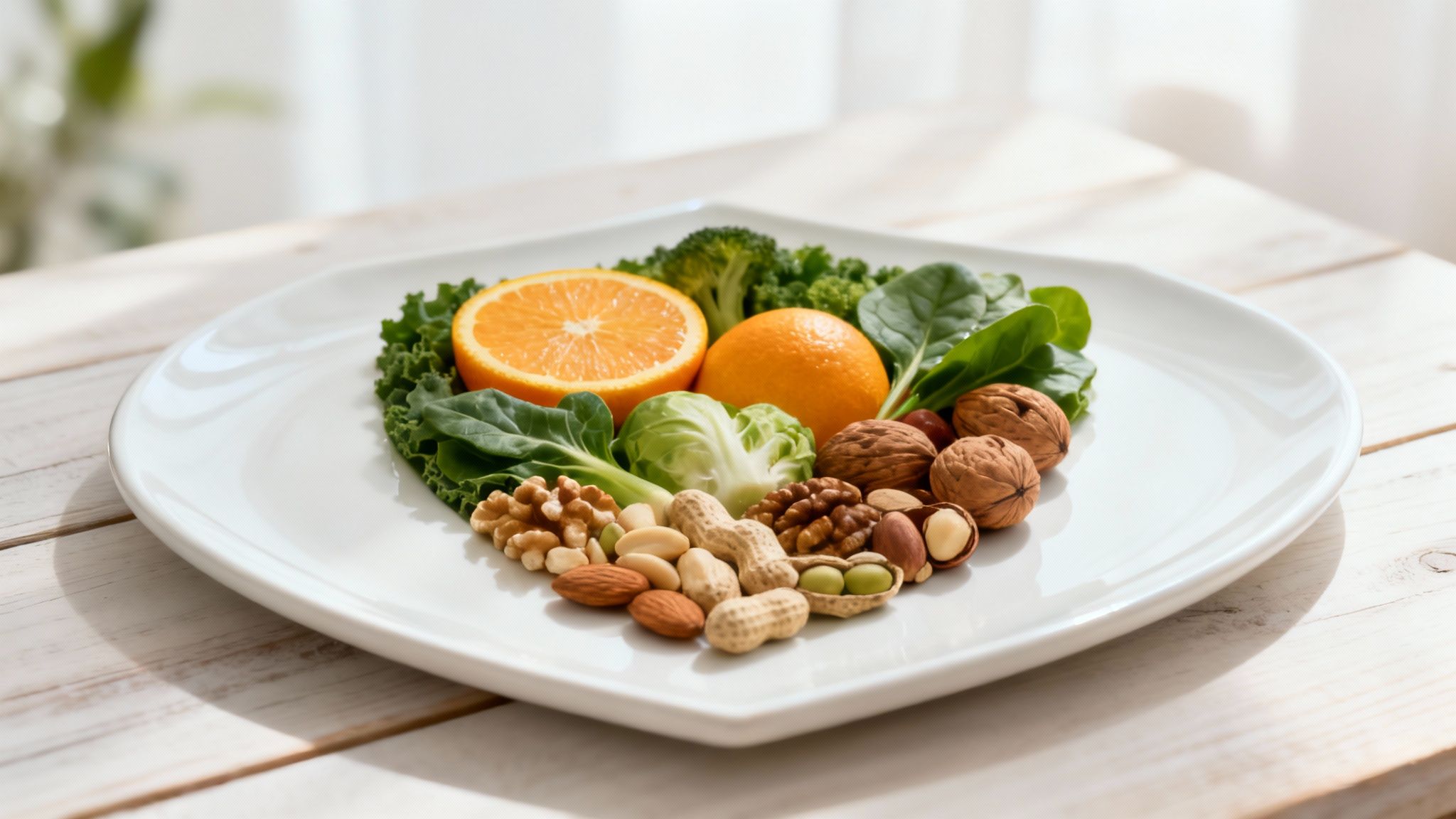
The direct connection between your plate and your defenses
Every meal is a decision: Are you strengthening your defenses or weakening them? A diet rich in vitamins, minerals, and secondary plant compounds acts like a training camp for your immune cells. In contrast, crash diets, lots of sugar, and highly processed products can seriously hinder your defenses.
Unfortunately, this is not a rare problem. According to current data, 20 to 30 percent of all hospital patients in Germany are affected by malnutrition. The consequences are serious, as poor nutrient intake weakens the immune system, promotes muscle loss, and can noticeably prolong recovery time. You can find more information in the DGEM analyses.
What your immune system really needs
To effectively strengthen your defense system, it all comes down to specific nutrients. They are the true heroes for your immune cells and play a variety of crucial roles:
- Vitamins: Vitamins C and D are probably the best known, but vitamins A and E are also essential for the production and function of immune cells.
- Trace elements: Zinc, selenium, and iron are crucial for activating immune responses and producing antibodies.
- Proteins: Your antibodies are made of protein. Without enough protein, your body cannot build an effective defense force.
A strong immune system is not a coincidence but the result of a conscious and consistent diet. It’s not about being perfect, but about regularly providing your body with the nutrients it needs for its protective function.
This section lays the foundation for understanding why your diet plays such a central role. In the following chapters, I’ll show you exactly which foods you should choose and how to easily apply your knowledge in everyday life. You can also find further background information in our overview article on strengthening the immune system.
The most important nutrients for your immune defenses
To specifically strengthen your immune system through your diet, you need to know the true heroes among the nutrients. Think of them as a special forces unit for your defenses: Every vitamin and trace element has a very specific mission to fend off invaders and protect your cells.
The goal is not to count calories. Much more important is maximizing the nutrient density of your meals. Rather than focusing on deprivation, you learn how to design your plate cleverly and colorfully to give your body exactly what it needs.
Vitamin C – the well-known classic
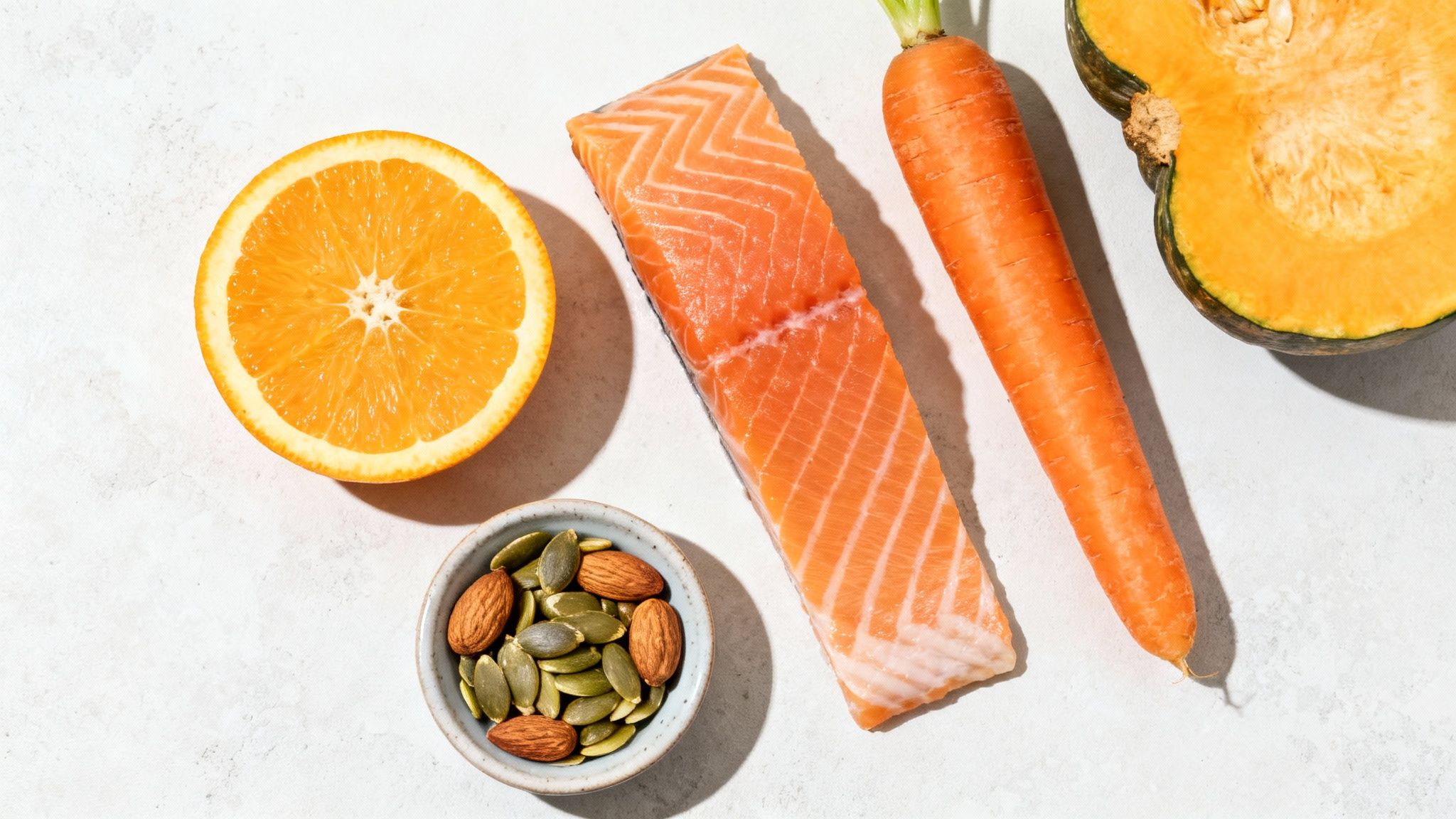
When you think of a diet to strengthen the immune system, vitamin C immediately comes to mind. And rightly so. As a powerful antioxidant, it protects your cells from damage caused by free radicals, which are produced in greater quantities during infections.
In addition, vitamin C supports the function of various immune cells, such as phagocytes, which literally render pathogens harmless.
- Top sources: Red bell peppers, broccoli, kale, berries (especially currants), citrus fruits, and sea buckthorn.
- Practical tip: Even a small side salad with red bell pepper or a handful of berries in yogurt provides a large portion of your daily requirement.
Vitamin D – the sunshine vitamin
Vitamin D plays an absolutely vital role in activating your immune cells. Without an adequate amount, your T cells—the elite soldiers against infections—simply remain inactive and cannot begin their work.
Unfortunately, zinc intake is often a critical issue here. According to the National Nutrition Survey II, 82 percent of men and 91 percent of women do not reach the recommended daily intake. Especially during the dark months from November to March, the sunlight in Germany simply is not sufficient for the skin to produce enough vitamin D. You can read more about this at the Lebensmittelverband.
Zinc – the defense manager
Zinc is a true all-rounder for your immune system. This trace element is involved not only in the formation and activation of immune cells, but also regulates the production of important antibodies.
A zinc deficiency can noticeably slow your body's immune response and make you more susceptible to every minor infection.
Zinc is like the conductor of an orchestra. It ensures that all immune cells are in the right place at the right time and work together harmoniously to fight an infection effectively.
Good sources of zinc include:
- Animal-based: Beef, liver, eggs, and cheese.
- Plant-based: Pumpkin seeds, oatmeal, lentils, and nuts.
A handful of pumpkin seeds as a snack or sprinkled over a salad is a super-easy way to boost your zinc intake.
Selenium – the cell-protecting bodyguard
Selenium is another essential trace element with powerful antioxidant properties. Its main task: protecting your cells from oxidative stress that occurs during an immune response.
At the same time, selenium supports the production of antibodies and ensures that your immune response does not overshoot – which can prevent unnecessary inflammation.
- Best source: Brazil nuts. Incredible but true: Just one or two Brazil nuts per day can fully meet your selenium requirements.
- Additional sources: Fish (especially herring and tuna), eggs, and lentils.
Vitamin A – for healthy barriers
Vitamin A is important not only for your eyes, but above all for the integrity of the mucous membranes in your nose, throat, and intestines. You can think of them as the first physical line of defense against invading pathogens.
A deficiency weakens these barriers and makes it much too easy for viruses and bacteria to enter your body.
You can get vitamin A directly from animal products or consume its precursor, beta-carotene, through plant-based foods. Your body then simply converts beta-carotene into vitamin A.
- Sources of vitamin A: Liver, egg yolk, butter.
- Sources of beta-carotene: Carrots, sweet potatoes, pumpkin, kale, and spinach.
The targeted selection of foods rich in these key nutrients forms the foundation for strong immune defenses. It's about making the most of variety and providing your body with everything it needs for its demanding protective function. If you would like to delve even deeper into the world of micronutrients, also take a look at our comprehensive guide to vitamins and minerals.
Why your gut is the command center of your immune system
You've surely heard it before: “Health begins in the gut.” When it comes to your immune system, this isn't an empty phrase but the absolute foundation. Don't think of your gut simply as a digestive organ, but as the busiest command center in your body. An incredible 80 percent of your immune cells are stationed right here—constantly training and ready for action.
A strong immune system therefore stands or falls with the health of your gut microbiome. This is the fascinating community of trillions of microorganisms that inhabit your digestive tract. These tiny helpers are far more than passive roommates: They communicate nonstop with your immune cells, help defend against pathogens, and even produce substances that regulate inflammation in the body.
Food for your good gut bacteria
To really get your defenses in top shape, let's take a closer look at how probiotics and prebiotics work together. It sounds more complicated than it is.
- Probiotics: These are the “good” living bacteria themselves. You mainly find them in fermented foods. They settle in your gut and strengthen the beneficial bacterial strains already present there.
- Prebiotics: This is, so to speak, the favorite food of these good bacteria. These are special dietary fibers that we humans cannot digest but that serve as the perfect food source for your beneficial gut inhabitants.
The combination of the two is the key. Even if you eat probiotic foods, if you don't give your new roommates the right food, they can't multiply properly and do their job.
Imagine your gut as a garden: Probiotics are the valuable seeds you plant. Prebiotics are the nutrient-rich fertilizer that helps everything grow and flourish. Only when both are in place will you get a rich harvest—in your case, a truly strong immune system.
Probiotics and prebiotics for a healthy gut
This table explains the difference between probiotic and prebiotic foods and gives you specific examples for your shopping list.
| Property | Probiotics | Prebiotics |
|---|---|---|
| What it is | Living microorganisms (“good” bacteria) | Indigestible fiber (food for the bacteria) |
| Function | Strengthen the existing gut flora and establish themselves anew | Promote the growth and activity of beneficial bacteria |
| Examples | Plain yogurt, kefir, raw sauerkraut, kimchi, miso, kombucha | Onions, garlic, leeks, asparagus, artichokes, chicory, bananas (preferably green), oatmeal, lentils |
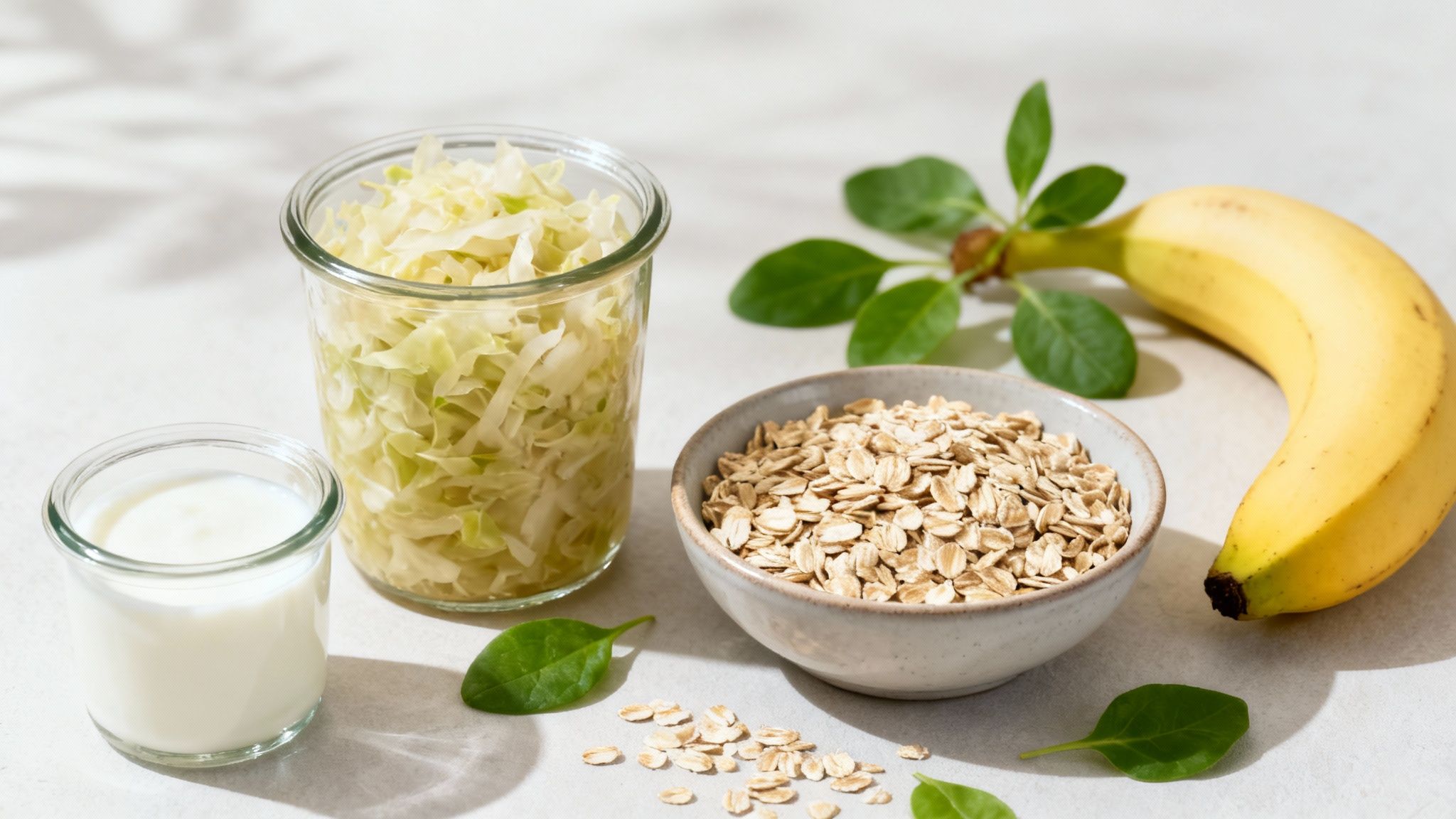
By regularly combining both types of food—for example, oatmeal (prebiotic) with yogurt (probiotic)—you create the best conditions for a healthy gut flora.
How to easily get your daily dose of probiotics
Fermented foods are a fantastic and completely natural source of probiotics. The lactic acid bacteria they contain not only support digestion but also play a direct role in defending against invaders in the small intestine.
Why not try incorporating these foods naturally into your everyday routine:
- Plain yogurt or kefir: A classic for breakfast or as a snack. However, make sure to choose products without added sugar—sugar tends to feed the undesirable bacteria instead.
- Sauerkraut: A traditional and incredibly effective source. Just a small forkful of raw, unpasteurized sauerkraut as a side dish provides valuable cultures.
- Kimchi: The Korean version of fermented cabbage is often a little spicier and is a brilliant, intensely flavorful addition to many dishes.
- Miso: This Japanese seasoning paste made from soybeans is perfect for soups or salad dressings.
Prebiotics: The true unsung heroes
The most important energy source for your beneficial gut bacteria is fiber. It helps a diverse and healthy gut flora develop. A great side effect: When these bacteria metabolize fiber, they produce short-chain fatty acids such as butyrate. This substance is a true superstar: It has a powerful anti-inflammatory effect and serves as an energy source for the cells lining your gut.
To increase your prebiotic intake, a varied, plant-based diet is the best approach. Focus especially on these foods:
- Vegetables: Chicory, artichokes, leeks, onions, garlic, and asparagus are top choices here.
- Legumes: Lentils, chickpeas, and black beans provide not only prebiotics but also valuable protein.
- Fruit: Slightly underripe bananas, apples, and berries are excellent choices.
- Whole Grains & Seeds: Oatmeal, barley, rye bread, as well as flaxseeds and psyllium husks, are true powerhouses for your gut.
By deliberately incorporating these foods into your meals, you create the ideal environment for a strong and resilient microbiome.
If you want to dive even deeper into how to specifically build a healthy gut microbiome with the right diet, be sure to check out our comprehensive guide on the subject. It is worth it, because a healthy gut remains your most loyal ally in the fight against pathogens.
When Targeted Nutrient Optimization Really Makes Sense
A balanced, colorful diet is and remains the unbeatable foundation for a strong immune system. It gives you the daily foundation your defenses need to operate at full capacity. But—and this is an important but—sometimes even the healthiest plate is not enough to meet your individual needs.
There are phases of life or situations in which your body simply demands more. Maybe you are juggling chronic stress, pushing yourself to your limits during exercise, or everyday life simply does not allow for a consistently perfect diet. In moments like these, your nutrient requirements can suddenly skyrocket.
More Than Just a Gut Feeling
Catching one cold after another? Do you often feel exhausted or take forever to recover after training? These could be early signals from your immune system that it is lacking important building blocks. Many people then reach for the nearest multivitamin supplement, following the motto “more is better.” But that is often just a shot in the dark.
Taking supplements indiscriminately can even backfire: you could overdose on nutrients you do not need while an important deficiency elsewhere goes unnoticed. Truly targeted nutrition to strengthen your immune system is based not on guesswork, but on facts about your body.
Knowledge instead of guesswork: The key to an effective immune strategy lies in knowing your individual needs. Only then can you specifically fill the gaps that truly weaken your defenses.
Modern health analyses give you exactly this opportunity. Instead of groping in the dark, you can find out precisely where your body really needs support.
Which values really tell you something
To examine your nutrient status, certain blood values are particularly informative. They show you clearly whether your stores are well filled or whether you should replenish them. For immune function, these are primarily:
- Vitamin D (25-OH): As you know, vitamin D is the ignition key for your immune cells. Deficiency is widespread in this country and should definitely be checked, especially before the winter months.
- Zinc & selenium: These two trace elements manage your immune response. Without them, your defenses operate at reduced capacity. Since the body cannot store them, regular intake is essential.
- Ferritin (stored iron): Iron is important not only for oxygen transport but also for the production of new immune cells. An empty iron store is particularly common among women, athletes, and vegetarians.
- Vitamin B12: This vitamin plays a central role in cell division and is therefore essential for the rapid production of new immune cells.
If you finally want clarity about your nutrient status, there are now simple ways to test for nutrient deficiencies. These analyses, which you can conveniently perform at home, provide a solid basis for your next steps.
Why it’s worth taking a closer look at your gut
In addition to the classic nutrients, another area is increasingly coming into focus: the gut microbiome. And for good reason, because around 80% of your immune cells are located in the gut. Its health is therefore absolutely crucial to your defenses. An imbalance in gut bacteria (dysbiosis) can directly undermine your immune function.
A microbiome analysis can give you incredibly valuable insights here:
- Microbiome diversity: It shows how varied and diverse your gut flora is. High diversity is considered a sign of a strong, adaptable microbiome.
- Ratio of “good” to “bad” bacteria: The analysis reveals whether beneficial strains such as lactobacilli or bifidobacteria are present in greater numbers.
- Butyrate production: It can provide clues as to whether your bacteria are producing enough of the anti-inflammatory short-chain fatty acids—essentially super fuel for your gut lining.
With this information, you can tailor your diet even more precisely—for example, by eating more prebiotic and probiotic foods to specifically nourish the beneficial inhabitants of your gut. This personalized approach is far more effective than blanket recommendations and helps you build lasting immune strength from within.
Putting your immune strategy into practice every day
Theory is one thing. You now know which nutrients your immune system needs, how important your gut is, and which analyses can provide clarity. But the real test takes place in everyday life—between meetings, appointments, and ordinary routines. Now it is about turning this knowledge into simple habits that feel good and do not overwhelm you.
Forget the idea that you have to overhaul everything from one day to the next. Instead, the goal is to give you a smart roadmap that shows you how small but consistent adjustments can have a powerful effect on your immune defenses.
Your roadmap to a week of strong immune defenses
The key to success is almost always good preparation. If you roughly plan over the weekend what will be on the table and have the right foods at home, you will make better choices even on stressful days. Almost automatically.
A simple weekly plan can be a huge help. It gives you structure and takes away the daily uncertainty about what to eat. Here is an example of what such a plan could look like—packed with everything your immune system loves:
-
Monday: Start with a creamy porridge made from oats (great prebiotics), topped with a handful of berries (antioxidants) and a few walnuts (omega-3 fatty acids). In the evening, warm up with pumpkin-ginger soup refined with a spoonful of pumpkin seed oil.
-
Wednesday: For lunch, have a large, colorful salad with chickpeas, red bell pepper (packed with vitamin C), and pumpkin seeds (hello, zinc!). In the evening, enjoy pan-fried salmon (vitamin D) with roasted vegetables such as broccoli and sweet potatoes.
-
Friday: Start the day with a green smoothie made from spinach, an apple, and a little flaxseed oil. In the evening, enjoy a quick lentil Bolognese with whole-wheat pasta—a real powerhouse for your gut and immune defenses.
Think of this plan as inspiration. Find dishes you genuinely enjoy and that fit into your everyday life. It’s not about perfection, but about regularly giving your body a diverse dose of immune-supporting nutrients.
Quick recipe ideas for every day
Healthy eating doesn’t have to be complicated or time-consuming. Here are three incredibly easy ideas you can have on the table in under 20 minutes that perfectly support your diet for strengthening the immune system.
1. The 5-minute immune smoothie in the morning
- Ingredients: 1 handful of spinach, ½ banana, 1 small orange (peeled), 1 tbsp flaxseed, a small piece of ginger, water or plant-based milk.
- Preparation: Add everything to a blender, blend until creamy, and serve. The perfect nutrient boost to kick-start your day!
2. Quick lentil salad for the office
- Ingredients: 1 can of pre-cooked lentils, 1 red bell pepper (diced), a handful of arugula, some feta or tofu, and a dressing made from olive oil, lemon juice, salt, and pepper.
- Preparation: Rinse the lentils, mix with the remaining ingredients, and dress. It can easily be prepared the evening before and tastes even better the next day.
3. Warming miso soup in the evening
- Ingredients: 1 tbsp miso paste (probiotics!), hot (but not boiling) water, some tofu, spring onions, and a handful of mushrooms.
- Preparation: Stir the miso paste with a little water in a bowl until smooth, then add the remaining water. Add the tofu, mushrooms, and onions and let steep briefly. Soothes the gut and warms you from the inside.
Your kitchen should be your pharmacy—not your hospital. With the right foods, you give your body exactly the tools it needs every day to protect itself.
This simple three-step process shows you at a glance how to optimize your nutrient supply for your immune system.
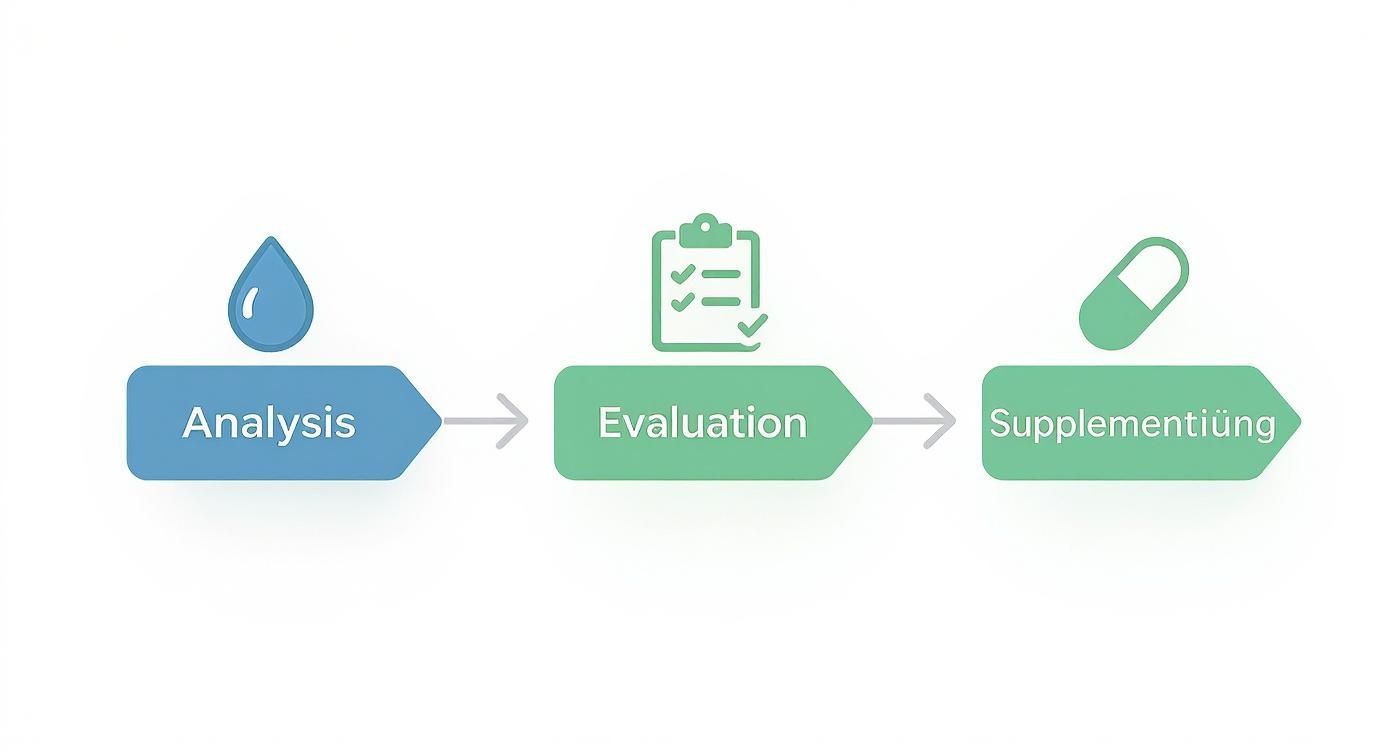
The graphic makes it clear: Sustainable immune system support is based on facts—from analyzing your current status to targeted optimization.
The ultimate shopping list for your immune defenses
A well-stocked pantry is half the battle. If these foods are always within reach, you’ll always have the basis for an immune-supporting meal ready:
| Category | Food | Why it strengthens your immune system |
|---|---|---|
| Vegetables | Broccoli, kale, bell peppers, onions, garlic | Rich in vitamin C, sulforaphane, and prebiotics |
| Fruit | Berries (frozen), citrus fruits, apples | Full of antioxidants and secondary plant compounds |
| Protein | Lentils, chickpeas, eggs, salmon (frozen) | Important for the production of antibodies, zinc & vitamin D |
| Healthy fats | Nuts, pumpkin seeds, flaxseeds, olive oil | Provide zinc, selenium, and anti-inflammatory fats |
| Fermented foods | Plain yogurt, kefir, raw sauerkraut, miso paste | Probiotics for a healthy gut microbiome |
| Spices | Ginger, turmeric, cinnamon | Highly anti-inflammatory and antioxidant |
With these basic ingredients on hand, you’ll be prepared for anything. You can whip up countless quick, healthy dishes that not only taste good but also specifically support your immune defenses from within. The path to a strong immune system begins with your next grocery shop.
Questions & answers about nutrition for your immune system
You’ve now learned a lot about how to specifically strengthen your immune defenses through your diet. But as is often the case, detailed questions arise in everyday life. To clear up any remaining uncertainties, I’ve collected the most frequently asked questions for you here.
How quickly will I notice a difference from changing my diet?
It’s a question that comes up almost every time—and the honest answer is: It depends. Your starting point is crucial. Do you often feel sluggish and low on energy? Then you may notice the first positive effects, such as more energy or calmer digestion, after just a few weeks.
Your immune system itself, however, is a complex system that requires a little more patience.
While a good dose of vitamin C can support your immune defenses fairly quickly, other processes simply take time. Building a diverse, healthy gut microbiome or replenishing depleted stores of nutrients like vitamin D or iron—these are projects that can easily take several months.
Don’t view changing your diet as a short sprint, but as a long-term investment in yourself and your health. The truly profound, lasting improvements to your immune system usually become apparent after three to six months of consistent implementation.
Is there one ultimate superfood for immune defense?
Honestly, the term “superfood” is often more clever marketing than scientific reality. No single food, no matter how exotic or expensive, can get your immune system into shape on its own. The real magic lies not in an isolated nutrient, but in diversity and smart combinations.
Instead of putting your money into a single, expensive powder, opt for a colorful mix of local powerhouses:
- Kale & broccoli: Provide valuable sulforaphane and vitamin C.
- Berries (fresh or frozen): Packed with protective plant compounds (anthocyanins).
- Nuts & seeds: Your top sources of zinc, selenium, and healthy fats.
- Legumes: The best food (prebiotics) for your beneficial gut bacteria.
Ginger, garlic, and turmeric are also fantastic additions with powerful anti-inflammatory effects. The true “superpower” lies in a balanced and varied plate.
What role do stress and sleep actually play?
Absolutely crucial! You can eat as perfectly as possible—but if you are constantly under pressure and sleep too little, you are sabotaging your own defenses. Nutrition, stress management, and sleep are the three inseparable pillars.
Chronic stress floods your body with the hormone cortisol, which directly suppresses the function of your immune cells. It puts you in a permanent state of alarm, leaving no energy for defending against viruses and bacteria.
At the same time, deep sleep is the most important regeneration phase for your immune system. During this time, cytokines are produced—messenger substances that regulate inflammation and fight infections. Seven to eight hours of good sleep per night are therefore just as important as the vitamins on your plate.
Do I need to do more for my immune system in winter?
Yes, that makes perfect sense in our latitudes. In winter, two challenges come together. On the one hand, we spend much more time indoors, often in poorly ventilated spaces, which promotes the transmission of pathogens.
On the other hand, from around October to March, the sun is too weak for our skin to produce enough vitamin D. And this vitamin plays a key role in activating your defense cells. A deficiency is therefore particularly critical during this period.
Now focus specifically on seasonal winter vegetables such as all types of cabbage, root vegetables like beetroot and carrots, as well as citrus fruits. Checking your vitamin D levels and taking targeted supplements can provide invaluable support for your immune defenses in winter.
Do you finally want to gain certainty about your personal nutrient supply or the condition of your gut microbiome? The modern health analyses from mybody-x.com provide scientifically sound insights so that you can strengthen your immune system purposefully and based on facts instead of flying blind. Find out now what your body really needs: https://mybody-x.com


Share now:
Home Lab Tests: Your Guide to Better Health and Well-Being
Stimulate digestion: The 8 best home remedies for a happy gut