
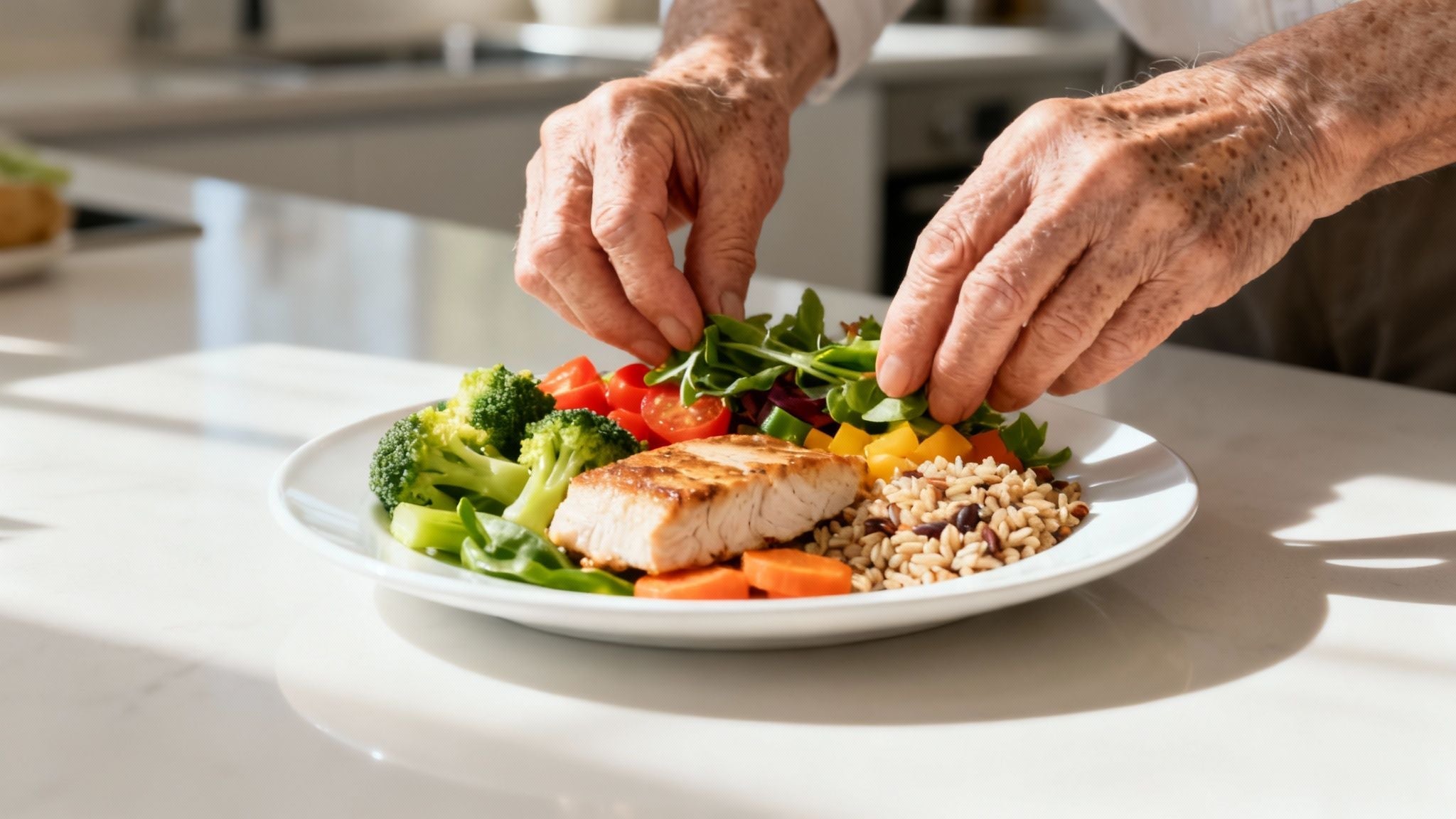
Nutrition in Old Age: How to Stay Fit and Full of Energy
A balanced diet in old age is the essential fuel for your vitality and health. As the years go by, the clocks inside our bodies simply tick a little differently. With increasing age, metabolism changes—the body needs less energy but more nutrients. This means that although you may need fewer calories, your need for important nutrients such as vitamins, protein, and minerals remains just as high—and sometimes even increases.
Why Your Diet Becomes So Important as You Age
Think of your body as a beloved vintage car. It has reliably accompanied you through life for many decades. To keep running smoothly, it now needs different care and more specialized fuel than a new car. Your body is the same: The dietary strategies that worked so well at 30 or 40 now need to be adjusted a little.
Over time, your metabolism slows down, and your physical activity often naturally decreases as well. The result: Your daily calorie requirement drops. If you simply continue eating as before, this can quickly lead to a few extra pounds that you never wanted.
The Nutrient Paradox of Aging
Here, we face a particular challenge that could be called the “nutrient paradox of aging”: With fewer calories, you need to consume the same or even a higher amount of essential nutrients. A diet that is low in nutrients but high in calories can quickly become a problem, especially now.
At an older age, a conscious and nutrient-dense diet is not just a nice idea—it is the key to prevention. It actively helps you support your muscle strength, bone stability, and immune system—and thus preserve your independence.
However, the reality in Germany shows that there is often a significant gap between this knowledge and putting it into practice. According to the Federal Ministry of Food and Agriculture (BMEL), 68.2 percent of men and 56.3 percent of women over the age of 65 are already overweight. These figures make it clear: The risk of diet-related diseases such as diabetes and cardiovascular problems increases noticeably with age. Learn more about the challenges of nutrition in old age on bmleh.de.
Actively Shape Your Health
The good news is that you have the power to make a difference. Adjusting your diet deliberately is one of the most effective ways to positively influence your health and quality of life. This is not about strict diets or constant deprivation. It is about making smart choices and giving your body exactly what it needs most right now. A blood test or DNA nutrition test can help identify individual needs and optimize your diet accordingly. This way, you can remain full of energy and zest for life even as you age.
Your body’s changes and what it needs now
This table summarizes the most important physical changes that occur with age and shows which nutrients become particularly important as a result.
| Physical change | Impact on nutrient needs | Practical tip |
|---|---|---|
| Slower metabolism | Lower calorie needs but unchanged nutrient needs | Choose nutrient-dense foods such as vegetables, legumes, and whole-grain products. |
| Muscle loss | Increased need for high-quality protein | Include low-fat quark, eggs, fish, or lentils in your meals. |
| Diminished sense of thirst | Increased risk of dehydration | Always keep a glass of water within sight and drink even when you are not thirsty. |
| Changes in nutrient absorption | Reduced absorption of vitamin B12, vitamin D, and calcium | Pay attention to dairy products, green vegetables, and fatty fish. Have your levels checked if necessary. |
| Changes in taste & smell | Loss of appetite or an unbalanced diet | Season generously with fresh herbs instead of salt to intensify the flavor. |
This overview shows what matters. Often, small but targeted adjustments can make a big difference.
Your goal should be to provide your body with optimal nourishment so that you can stay active, full of energy and zest for life. Think of it this way: Good nutrition is the best investment in your future.
The most important nutrients for your health after 60
As you get older, quite a few things change in your body. Although your energy needs decrease because we often move less, your need for certain vitamins and minerals actually increases. You could think of these nutrients as your personal expert team for vitality—they provide support exactly where your body now needs a little more help. A balanced diet as you age supports your muscles, bones, and immune system.
Making smart choices on your plate is therefore the most direct way to strengthen your muscles, bones, and overall well-being. The key is to prioritize foods that are “nutrient-dense.” These are foods that provide a maximum amount of valuable vitamins, minerals, and protein in a small amount of food—in other words, with few calories. This gives your body optimal nourishment without exceeding your calorie budget.
The following infographic gives you an overview of how the body changes and why choosing the right nutrients is now so important.
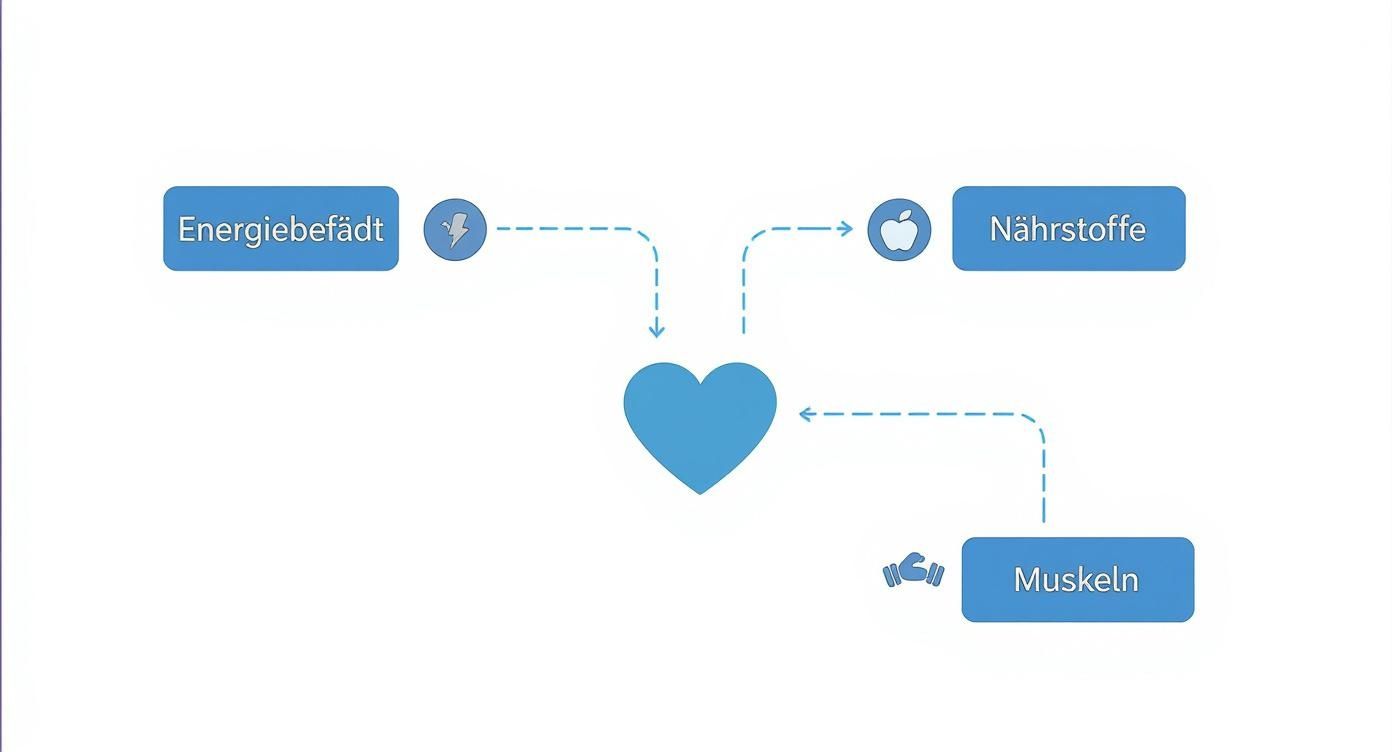
As you can see, declining energy needs, increasing nutrient needs, and maintaining muscle mass are directly connected. This calls for a conscious diet in later life.
Protein: The building block for your muscles
As the years go by, the body tends to break down muscle mass—a process experts call sarcopenia. Having less muscle doesn’t just mean having less strength. It also increases the risk of falls and slows recovery. Your best ally against this? Protein, also known as dietary protein.
Proteins are essentially the building blocks of your muscles. Getting enough helps you maintain your muscle strength—and therefore your mobility and independence. The German Nutrition Society (DGE) even recommends a slightly higher amount of 1.0 grams of protein per kilogram of body weight per day for adults aged 65 and over.
Here’s how to easily add more protein to your plate:
- For breakfast: Low-fat quark with fresh fruit or scrambled eggs with herbs.
- At lunchtime: A hearty lentil soup, a piece of salmon, or lean chicken.
- In the evening: A chickpea salad or cottage cheese with crunchy vegetables.
Even small adjustments to each meal can make a huge difference to your muscle health.
Vitamin D and calcium: The duo for strong bones
Think of vitamin D and calcium as an inseparable team that works together to keep your skeleton stable. Calcium is the most important building material for your bones, but without vitamin D, your body can absorb and use it only very poorly. Vitamin D and calcium are especially important for strong bones.
As you age, the risk of osteoporosis increases—a disease that makes bones porous and brittle. Ensuring a good supply of this powerful duo is therefore one of the most important measures for preventing it.
Calcium is found primarily in dairy products, green vegetables such as kale or broccoli, and calcium-rich mineral water. Vitamin D, on the other hand, is produced mainly through exposure of the skin to sunlight, which is often no longer sufficient with age, especially during the winter months.
That’s why foods such as fatty fish (salmon, herring, mackerel) and vitamin D-fortified products are a valuable addition to your diet.
B vitamins: For nerves and energy
The group of B vitamins, especially vitamin B12, plays a central role in your nervous system and energy production. A deficiency can manifest as fatigue, difficulty concentrating, or even nerve disorders.
The challenge in later life: The body’s ability to absorb vitamin B12 from food often declines. This is frequently due to changes in the gastrointestinal tract. Deliberately consuming foods such as meat, fish, eggs, and dairy products is therefore particularly important. If you would like to learn more about the symptoms and background, you can find detailed information about vitamin B12 deficiency in our guide.
Omega-3 fatty acids and fiber
Healthy fats and fiber round out the nutrient profile for healthy aging perfectly. Choose protein, vitamins, omega-3 fatty acids, and fiber to stay fit and active.
- Omega-3 fatty acids: These “good” fats are known for their anti-inflammatory properties and support heart and brain health. They are abundant in oily sea fish, flaxseeds, chia seeds, and walnuts.
- Fiber: It is your digestion’s best friend. It promotes a healthy gut flora, prevents constipation, and helps keep blood sugar levels stable. Whole-grain products, legumes, vegetables, and fruit are excellent sources.
The often-forgotten foundation: Drink enough
One aspect of nutrition in later life that is far too often underestimated is fluid intake. It is also important not to forget to drink enough. The problem is that the feeling of thirst often decreases with age. This increases the risk of dehydration, often without anyone noticing.
Dehydration can lead to confusion, dizziness, circulatory problems, and an increased risk of falls. The goal should be around 1.5 to 2 liters of fluids per day, preferably in the form of water, unsweetened tea, or diluted fruit juice.
Here are a few simple everyday tips:
- Put a carafe of water out in the morning and empty it over the course of the day.
- Make a conscious point of drinking a glass of water with every meal.
- Use an app or set an alarm as a small reminder.
Recognize and avoid common dietary pitfalls in everyday life
Everyone knows them: the small but persistent obstacles in everyday life that can make maintaining a conscious diet in later life a challenge. This is not about a lack of discipline, but about completely natural changes and new circumstances that can suddenly come between you and a balanced meal.
But you’re not alone. There are practical and often surprisingly simple solutions for each of these barriers that can help you continue to give your body the nourishment it needs. The important thing is to recognize these pitfalls and address them with smart strategies.

When your appetite decreases
This may sound familiar: Portions become smaller, hunger strikes less often, and sometimes you simply don’t feel like eating. Loss of appetite in older age can take many forms—it may be caused by changes in your sense of taste and smell, medication, or loneliness.
The tricky thing is that as your appetite wanes, your intake of important nutrients also decreases. But don’t worry—here are a few tips to counteract this:
- Choose several small meals: Instead of three large portions, five or six smaller, nutrient-rich snacks spread throughout the day can nourish your body better without overwhelming you.
- Boost the flavor: Use plenty of fresh herbs such as parsley, chives, or basil, as well as spices like turmeric or paprika. They stimulate your appetite and make food interesting again.
- Eat in company: Sharing a meal with family or friends is simply more enjoyable and can also stimulate your appetite.
Difficulty chewing and swallowing
Dental problems or a dry mouth can make chewing a real challenge. Hard or crumbly foods are often avoided as a result—and unfortunately, so are many valuable sources of nutrients, such as whole-grain bread, nuts, or raw vegetables.
But that doesn’t mean you have to give up these nutrients. The solution often lies in how they are prepared:
- Purée and blend: Nutrient-rich smoothies made from fruit, vegetables, and a spoonful of protein powder, or creamy vegetable soups, are real powerhouses that are easy to enjoy.
- Cook until soft: Vegetables, potatoes, or legumes become wonderfully soft and easy to digest when cooked or steamed for longer.
- Chop finely: You can simply grind nuts or seeds and sprinkle them over yogurt, quark, or soups. This way, you still get valuable fats and minerals.
The insidious danger of malnutrition often begins unnoticed. Signs such as unexplained weight loss, persistent fatigue, or increased susceptibility to infections should be taken seriously and addressed early.
Social and financial barriers
Not all challenges are purely physical. Cooking and eating alone can be quite demotivating and may lead people to choose simple but often nutrient-poor ready-made meals. Another frequently underestimated factor is the financial situation in old age.
The ELSinA project by the Max Rubner Institute found that almost one in five people aged 65 and over in Germany were affected by old-age poverty—and this proportion is rising. Low pensions force many older people to cut back on food, often leading them to choose cheaper but less healthy products. These foods are frequently full of unhealthy fats and sugar. You can find more insights in the study results on the dietary situation of older people on food-monitor.de.
You can take action here as well:
- Plan your shopping: A weekly plan helps you shop purposefully and avoid food waste. Seasonal fruit and vegetables are often cheaper, too.
- Choose smart alternatives: Legumes such as lentils and chickpeas are an affordable and excellent source of protein. Frozen vegetables are often cheaper than fresh ones, yet contain just as many vitamins.
- Avoid unhealthy ready-made products: Many ready-made meals contain hidden sugars, salt, and unhealthy hydrogenated fats. You can learn how harmful these can be in our article about the dangers of trans fats.
By recognizing these common dietary pitfalls, you can take deliberate countermeasures. It is often the small but consistent adjustments that make a huge difference to your health and well-being.
What happens when your diet is inadequate as you age?
A mindful diet in old age is so much more than simply feeling full—it is your most important insurance for living an independent life. What ends up on your plate each day determines how fit and resilient your body remains. Don’t worry, this section is not meant to frighten you. It is meant to show you the tremendous power behind your food choices.
Just imagine your body as a house. After many years, the foundation (your bones) and the supporting framework (your muscles) need special care to keep from becoming fragile. An unbalanced diet is like inferior building material: over time, cracks and weak points develop that threaten your health and, ultimately, your independence.
When muscles and bones lose substance
Two of the most serious consequences of inadequate nutrition in old age are the gradual loss of muscle and bone mass. The insidious thing is that you often notice it only when it is almost too late.
- Sarcopenia (muscle loss): If your body does not get enough high-quality protein, it begins to cannibalize itself—it breaks down its own muscle reserves. The result is not only less strength in everyday life, but also a drastically increased risk of falls because the stabilizing muscles are missing.
- Osteoporosis (bone loss): When calcium and vitamin D are lacking, bones become porous and brittle like old wood. A harmless stumble can then lead to a complicated fracture that keeps you bedridden for weeks and severely limits your mobility.
But this is crucial: These two conditions are not an inevitable fate. They are very often the direct consequence of a diet that no longer matches your body's changing needs.
Nutrition as a shield against common diseases of aging
How you eat affects not only your muscles and bones, but also your heart, metabolism, and immune system. A diet full of processed foods, sugar, and unhealthy fats practically rolls out the red carpet for chronic diseases.
In fact, the risk of cardiovascular problems, type 2 diabetes, or dementia rises sharply with age. The figure for needing long-term care is particularly alarming: Among people over 90, it is already 75.3 percent of men and 91.4 percent of women. However, a healthy lifestyle with the right diet is a powerful weapon for preventing many of these conditions or mitigating their progression. Anyone interested in the background can find useful information about prevention in old age directly from the Federal Ministry of Health.
Your fork is one of the most effective tools you have to protect your independence and zest for life well into old age. Every bite is a decision for or against your long-term health.
With the right nutrient intake, you can actively reduce the risk of becoming dependent on assistance and take control of your life yourself for as long as possible.
Understanding the chain reaction
Poor nutrition often triggers a fatal chain reaction. A simple nutrient deficiency, for example, can lead to constant fatigue. That, in turn, takes away any desire to exercise, which only accelerates muscle loss.
This is how you end up in a vicious cycle that becomes increasingly difficult to escape. The key is to take countermeasures early and recognize the first warning signs. If you want to know what to look out for, we recommend our article, which shows you how to specifically identify and address nutrient deficiency symptoms.
Dietary mistakes and their potential long-term consequences
This table shows how specific dietary mistakes can affect health in the long term, highlighting the importance of prevention.
| Common dietary mistake | Possible long-term consequence | Preventive measure |
|---|---|---|
| Too little protein | Muscle loss (sarcopenia), weakened immune system, increased risk of falls | Include protein-rich foods such as quark, lentils, fish, or eggs in every meal. |
| Calcium & vitamin D deficiency | Bone loss (osteoporosis), increased risk of bone fractures | Eat dairy products, green vegetables, and oily fish regularly. Get some sunlight to support vitamin D production. |
| Too little fiber | Digestive problems such as constipation, unfavorable blood sugar levels | Choose whole-grain products, legumes, plenty of vegetables, and fruit. |
| Too much sugar & simple carbohydrates | Increased risk of type 2 diabetes, obesity, inflammation in the body | Choose complex carbohydrates and avoid sugary drinks and highly processed foods. |
| Too little fluid | Dehydration, confusion, circulatory problems, strain on the kidneys | Drink water or unsweetened tea regularly throughout the day, even when you don’t feel thirsty. |
Understanding these connections is the first and most important step. It’s about giving your body the right fuel so that it can carry you reliably and energetically through life in the future, too.
Find out what your body really needs
General recommendations for nutrition in old age are a great starting point for setting the most important foundations. Think of them as a good map: it shows you the general direction, but not the small, crucial details of your very personal journey. Your body is unique, shaped by your life story, your genetics, and your metabolism.
What is perfect for one person may be the second-best solution for another. So the logical next step is to go beyond this general advice and find out specifically what your body really needs. It’s about moving from guessing to knowing.

A look beneath the surface with a blood test
Imagine holding a detailed status report on your body in your hands. That is exactly what a targeted blood test provides. It is like a snapshot of your internal system and gives you precise data about your supply of the most important vitamins and minerals.
As you age, your body may no longer absorb some nutrients from food as well. A blood test uncompromisingly reveals where deficiencies may be hiding—often long before you notice them through fatigue or frequent infections.
A blood test can show you, for example:
- Your vitamin D status: Crucial for strong bones and a fit immune system.
- Your B12 status: Important for the nerves and energy; absorption often declines with age.
- Iron and magnesium levels: Essential for blood formation and normal muscle function.
- Your omega-3 index: An important indicator of your supply of heart- and brain-protective fatty acids.
With these specific values, you can fine-tune your diet. Instead of randomly taking supplements, you give your body exactly what it lacks. No more and no less.
A blood test is not a sign of illness, but a smart tool for preventive care. It puts you back in control and allows you to actively shape your health instead of simply reacting to problems.
The genetic blueprint of your metabolism
While a blood test shows your current status, a DNA nutrition test goes one step further. It looks at your genetic predisposition—essentially, the personal “instruction manual” you have carried within you since birth.
Your genes have a huge influence on how your body responds to certain foods and nutrients. A DNA test can answer very personal questions for you:
- Is my body naturally inclined to process certain vitamins less efficiently?
- How efficiently do I process carbohydrates, fats, and proteins?
- Do I have a genetic predisposition to intolerances such as lactose intolerance?
- How do I respond to caffeine or alcohol?
These insights are worth their weight in gold. They often explain why certain diets simply don’t work as well for you as they do for others. If you want to take a deeper look at how this type of analysis works, check out our detailed explanation of DNA analysis for your diet.
From knowledge to action
Imagine combining both: The blood test is your current GPS signal, telling you where you are right now. The DNA test is the topographic map showing your innate terrain. Together, they create an incredibly precise and personal health map.
With this information, you can take your nutrition in later life to an entirely new level. You can deliberately choose foods that perfectly match your metabolic type and correct potential deficiencies before they even become a problem. Think of these tests as a sustainable investment in your quality of life—they are the key to staying full of energy, vitality, and joie de vivre in the years ahead.
All clear? The most important questions about nutrition in later life
Finally, let’s clear up the most common questions we keep hearing about nutrition in later life. Here are the answers—short, clear, and straight from practice.
Do I need to eat less as I get older?
Yes and no. On the one hand, it is true that your calorie needs decrease because your basal metabolic rate slows down somewhat and you may not be quite as active as you used to be.
On the other hand, this definitely does not mean that you need fewer nutrients—in fact, quite the opposite! Your need for vitamins, minerals, and especially valuable protein remains the same or is even higher. The key, therefore, is to choose foods that offer a lot of nutritional value per calorie. Think of crisp vegetables in every color, filling legumes, low-fat dairy products, or good old whole-grain bread.
Which nutrients are especially important now?
As the years go by, a few nutrients become more important. This is because the body may sometimes absorb them less effectively or simply have a higher need for them. You should pay particular attention to these:
- Protein: Absolutely crucial for maintaining your muscles and strength. A good guideline is around 1.0 gram per kilogram of body weight per day.
- Vitamin D: A true all-rounder for strong bones and a healthy immune system. Since the skin produces less of it on its own with age, obtaining it through food (e.g. fatty fish) becomes all the more important. Sometimes, a supplement may also be advisable after consulting a doctor.
- Calcium: The number one building block for strong bones. Top sources include dairy products, as well as green vegetables such as kale or broccoli and calcium-rich mineral water.
- Vitamin B12: Essential for your nerves and blood formation. Because absorption from food often declines with age, it is wise to pay deliberate attention to ensuring an adequate supply.
How much should I drink each day?
Even if your feeling of thirst sometimes decreases, your body needs fluids just as urgently as ever. Drinking enough is extremely important for your circulation, kidney function, and staying mentally alert.
Your goal should be at least 1.5 liters per day. It is best to choose water, unsweetened teas, or light juice spritzers. And yes, your morning coffee also counts toward your fluid intake in moderation.
A simple trick that really works: Put a large carafe of water somewhere you pass by constantly in the morning. Your goal: It has to be empty by evening. That way, you definitely won't forget.
What can I do if I have a loss of appetite?
Not feeling hungry is a fairly common challenge in old age. When the desire to eat is lacking, it is easy to become undernourished. But don't worry, there are things you can do:
- Smaller, more frequent meals: Five or six small but delicious portions spread throughout the day are often much more pleasant than three huge plates.
- Add some flavor: Season your food generously for a change! Fresh herbs and spices make every meal more interesting than just salt and pepper—and stimulate your appetite.
- Food tastes better together: Make plans to eat with others. Whether with family, friends, or the neighbors, eating in company is simply more enjoyable.
- Make it look appealing: A carelessly thrown-together plate is hardly appetizing. Arrange your food nicely; it often makes a huge difference.
How do I know if I am lacking nutrients?
General tips are great, but each of us is unique. Instead of fumbling in the dark, the only way to know whether you are well supplied or perhaps have developed an unnoticed deficiency is to take a close look.
A simple blood test can show you in black and white how well you are supplied with important vitamins and minerals such as vitamin D, B12, or iron. It provides an honest assessment that allows you to improve your diet purposefully instead of simply guessing. This way, you give your body exactly what it needs to stay fit and full of energy.
Are you ready to move from guessing to knowing and give your health a solid foundation? The modern health analyses from MYBODY Lab GmbH help you identify your individual nutrient needs precisely and tailor your diet perfectly to them. Discover the right tests for you now at: https://mybody-x.com



Share now:
Proper nutrition for more energy and well-being
Understand your eating habits and improve them sustainably