

A diet that really helps with vaginal yeast infections: Your guide
A targeted diet is often the key to managing the bothersome symptoms of vaginal yeast infections and preventing relapses. The basic idea is simple yet effective: to deprive the yeast Candida albicans of its favorite food source – sugar. This means a low-sugar, but nutrient-rich diet that boosts your immune system and restores the healthy balance of your vaginal flora.
What really happens in the body during a yeast infection
You know it all too well: that agonizing itching, burning, and altered discharge. A vaginal yeast infection, also known medically as vaginal mycosis, is much more than just a local nuisance. Often, it's your body's warning signal, indicating that something is out of balance. But what exactly is going on in your intimate area?
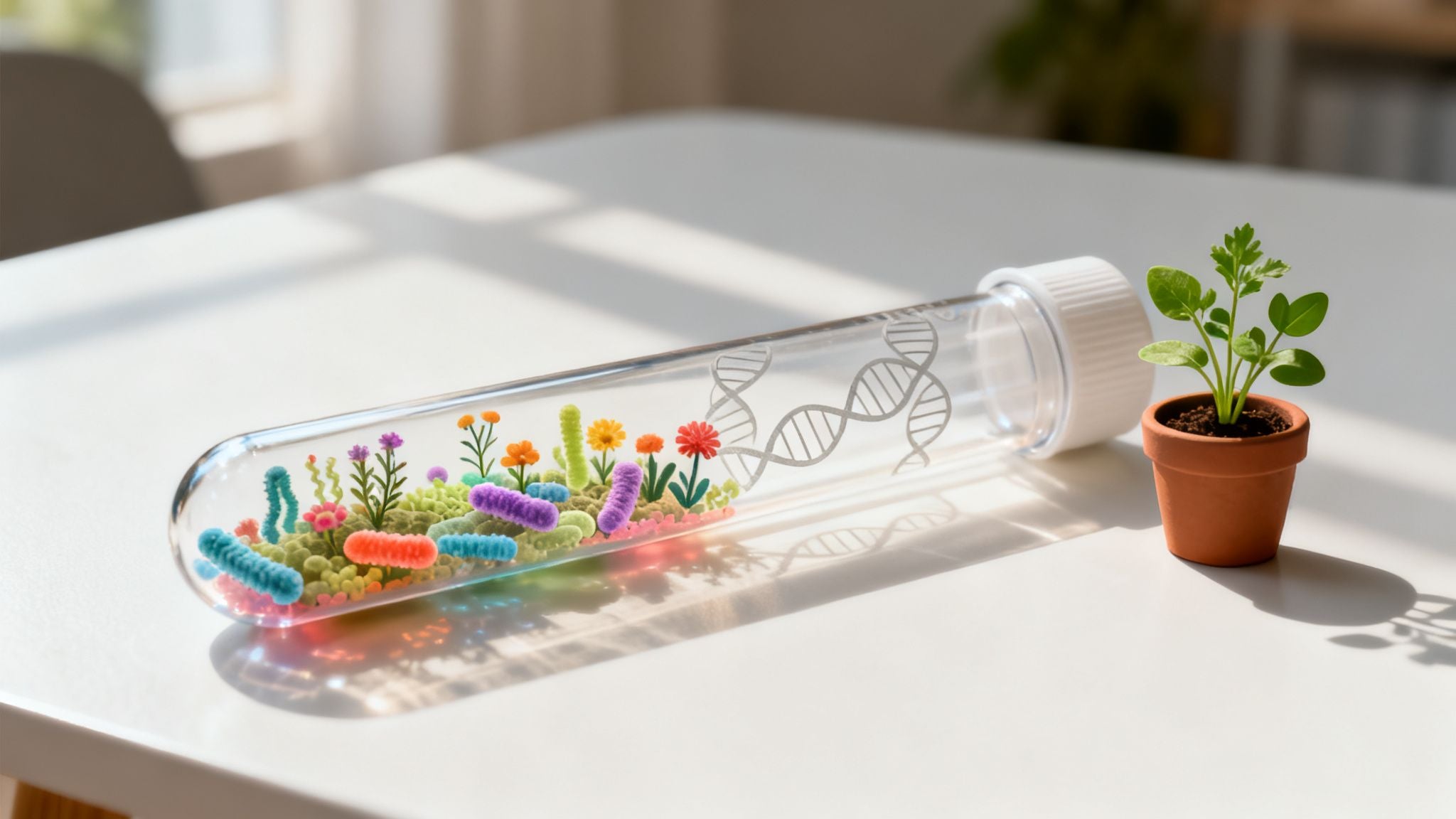
Imagine your vaginal flora as a well-tended, blooming garden. The most important gardeners and guardians in this system are the lactobacilli , better known as lactic acid bacteria. They perform valuable work by producing lactic acid, thus ensuring a consistently acidic environment – with a pH value between 3.8 and 4.4 .
This acidic environment is your vagina's natural protective shield. It ensures that unwanted guests like germs or the yeast Candida albicans cannot easily spread.
When the guards are weakened
Candida fungi are actually quite normal inhabitants of our mucous membranes. They only become a problem when the delicate balance is disrupted and your protective lactobacilli are suddenly outnumbered. At that moment, the guardians lose control, the fungus senses its opportunity and spreads uncontrollably – an infection is the result.
There are a number of factors that can disrupt this balance and open the door to fungal growth:
- Hormonal fluctuations , for example due to the pill, pregnancy, or simply during your cycle.
- Taking antibiotics , which unfortunately do not distinguish between "good" and "bad" bacteria and also kill your beneficial lactobacilli.
- A weakened immune system , for example due to chronic stress, lack of sleep or another illness.
- An unhealthy diet , rich in sugar and simple carbohydrates, which actually feeds the fungus.
"You are what you eat" – this saying couldn't be more directly applicable to your vaginal health. An imbalanced gut flora often has a direct impact on the vagina, as the gut serves as the most important reservoir for the colonization of the vaginal flora.
Understanding the role of nutrition
The crucial factor that you can control is your diet. Candida loves sugar. Every time you eat sugary foods or easily digestible carbohydrates like white bread or pasta, you're giving the fungus a feast and helping it to spread further.
This connection is so direct that the risk of recurrent infections increases significantly in women with high blood sugar levels. In fact, diet plays such a crucial role in vaginal yeast infections that consciously changing your eating habits is often the most effective weapon against the infection. Many women are unaware that the fungus can be a problem not only locally, but also systemically throughout the body – especially in the gut. If you'd like to learn more, you can find further information on the symptoms of a Candida overgrowth in the gut in our guide.
The problem is far from rare: In Germany, an estimated one million women suffer from recurring vaginal yeast infections. Studies show that an unhealthy, sugary diet, which leads to consistently high blood sugar levels, can triple the risk of such infections. You can read more about the general increase in yeast infections in this study from the University of Würzburg .
The intestinal-vaginal axis as a key to healing
Have you ever wondered why vaginal yeast infections can be so persistent, even when you use creams and suppositories exactly as directed? The answer often lies not in the vagina itself, but much further up: in your gut. Experts call this crucial connection the gut-vaginal axis .
Imagine your gut as your body's headquarters. Not only does it house most of your immune cells, but it's also the central reservoir for beneficial bacteria. From here, other mucous membranes in your body – including your vagina – are supplied with a protective force of good microorganisms. A healthy gut flora is therefore the foundation for a resilient vaginal flora.
When this foundation crumbles, there are direct consequences. A poor diet during a vaginal yeast infection , high stress levels, or antibiotic treatment can severely weaken the beneficial gut bacteria. The result is dysbiosis, an imbalance in which unwanted germs like the Candida fungus suddenly thrive and can multiply unchecked.
How the problem gets from the intestines to the vagina
The anatomical proximity between the intestines and vagina unfortunately makes it quite easy for unwanted germs to enter. They can migrate from the anus to the vagina and trigger an infection there, especially if the protective barrier of the vaginal flora is already weakened. Candida fungi, which often live quite harmlessly in the intestines, ruthlessly exploit this opportunity.
This also explains why local treatments often only scratch the surface and merely combat the symptoms. As long as your gut serves as a constant source of nourishment for the fungus, the infection will keep flaring up – an incredibly frustrating cycle.
A holistic approach that begins in the gut is the key to lasting success. It aims to deprive the fungus of its food source while simultaneously strengthening the beneficial bacteria throughout the body.
This infographic clearly illustrates how the path from a healthy balance to an imbalance leads to the typical symptoms of a vaginal yeast infection.
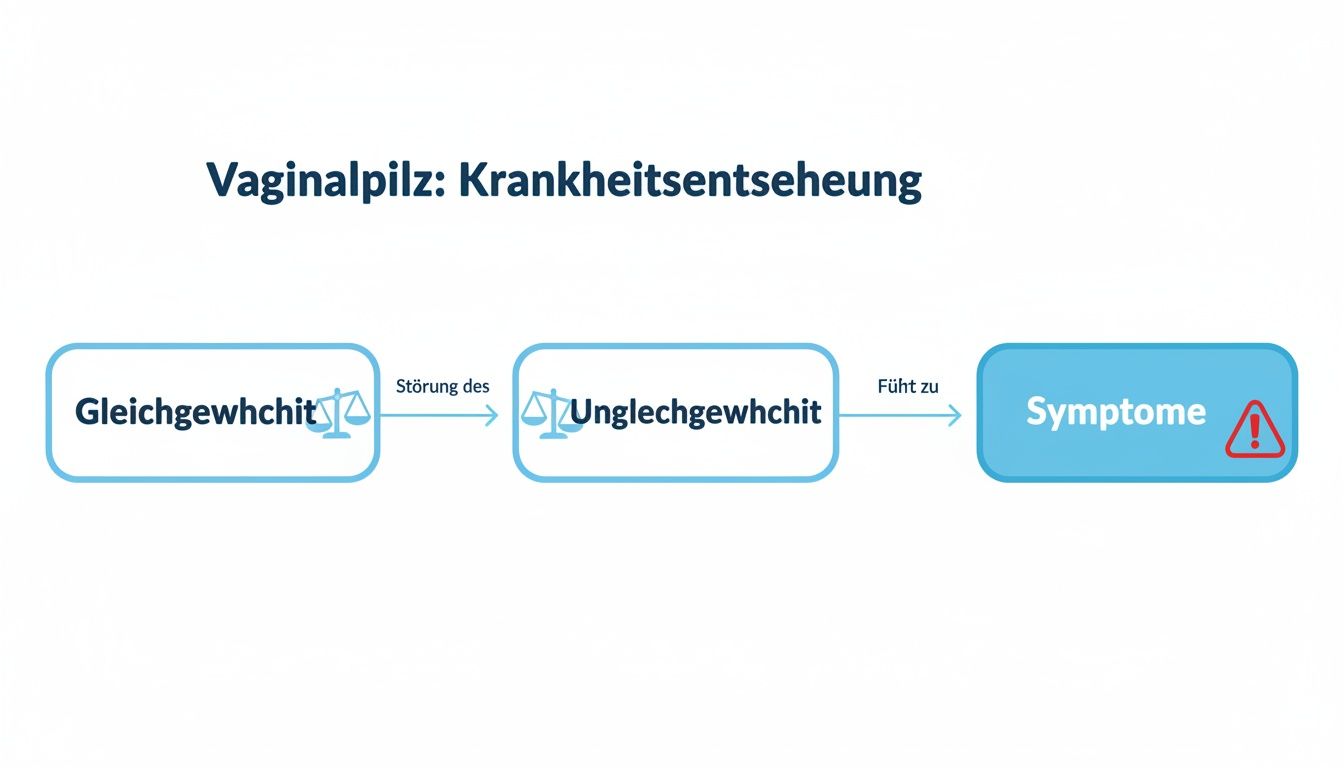
The illustration makes it clear: The symptoms are only the visible end of a process that begins deep inside with a disturbed microbial balance.
Why your gut should be a focus
Taking care of your gut is therefore not a secondary matter, but the absolute core strategy in the fight against recurring vaginal yeast infections. By focusing on your gut health, you kill two birds with one stone:
- You strengthen your immune system: Approximately 80% of your immune cells reside in the gut. A healthy gut flora trains your immune system and helps it to effectively fight off infections throughout the body.
- You're rebuilding your vaginal flora: A healthy gut ensures a steady supply of lactobacilli. These are precisely the bacteria responsible for the acidic, protective environment in your vagina.
A targeted diet tackles the problem at its root, instead of just masking the symptoms. If you'd like to delve deeper into this topic, you can learn more about the crucial role of gut bacteria for your health in our guide.
It's about restoring balance to your body's ecosystem. The good news is: with the right tools and knowledge, you have enormous control over this process. And that's exactly where we come in the following sections, where we'll show you which foods are your allies and which ones you should avoid.
Your diet plan against Candida
Now we're getting down to specifics. You understand that your gut and vagina are a closely connected team, and that the right diet often makes all the difference when it comes to vaginal yeast infections . This section is your practical roadmap to depriving the fungus of its food source while simultaneously strengthening your beneficial bacteria.
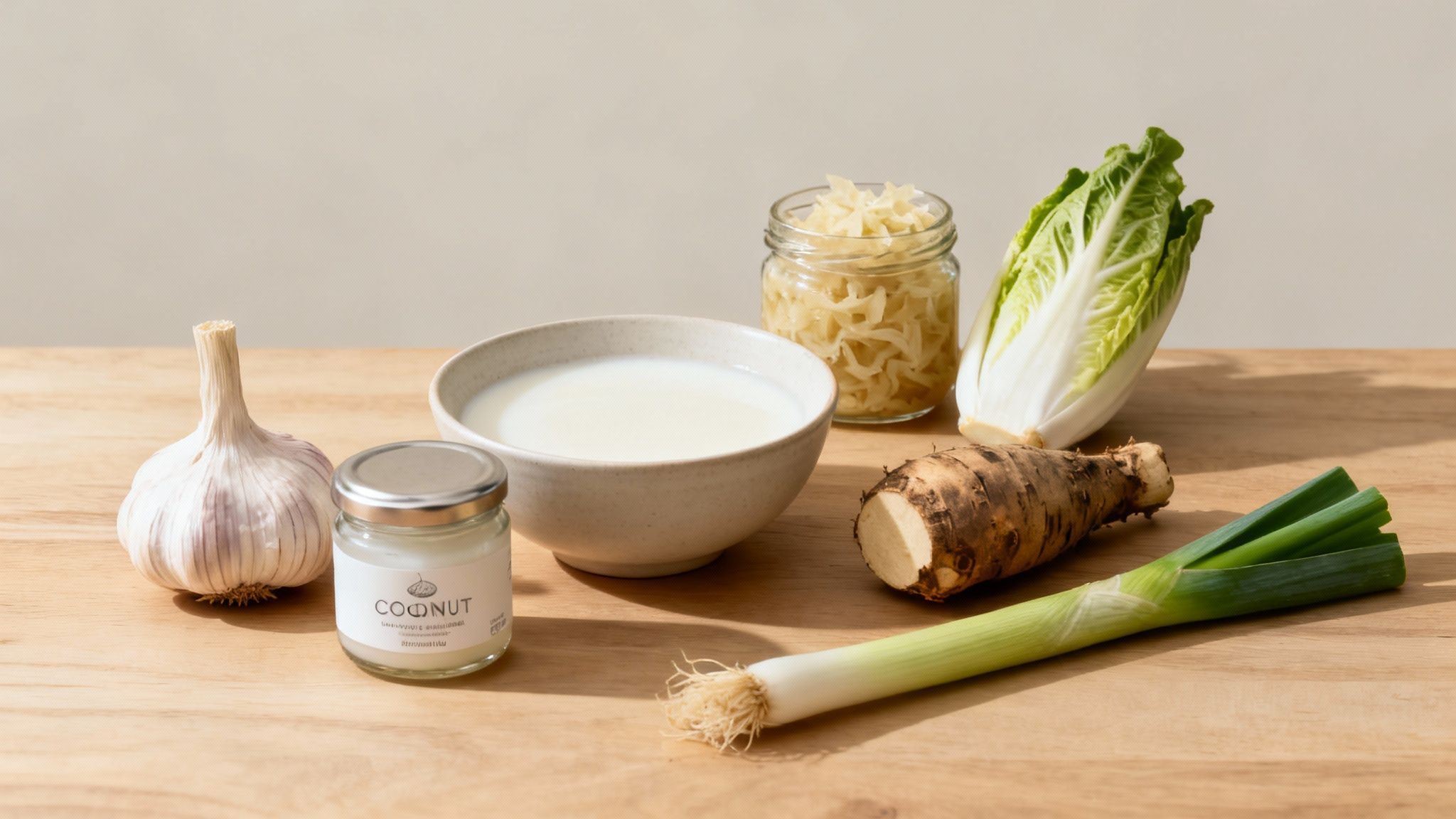
The strategy is actually quite simple: We create an environment in which Candida feels anything but comfortable, while simultaneously boosting your body's own defenses. This is achieved by specifically selecting foods that naturally have antifungal properties and support your beneficial gut and vaginal flora.
Using nature's natural weapons
Some foods are true powerhouses in the fight against fungal infections. They contain natural active ingredients that can actively inhibit the growth of Candida. Ideally, incorporate these "anti-fungal fighters" into your meals regularly:
- Garlic: Contains allicin , a sulfur-containing compound with strong antifungal properties. Garlic is most effective when fresh and raw, for example finely chopped in a salad dressing or as a base for pesto.
- Coconut oil: It is rich in caprylic acid . This medium-chain fatty acid has been shown to attack and dissolve the cell walls of yeast fungi. Use high-quality, cold-pressed coconut oil for cooking or simply add a teaspoon to your smoothie.
- Onions: Similar to garlic, they contain sulfur compounds that have antifungal properties. They are a fantastic base for soups, sauces, and almost any vegetable dish.
- Ginger and turmeric: These roots are primarily known for their anti-inflammatory properties. They support your immune system and promote a healthy gut flora. Fresh ginger tea or turmeric in your curry are simple ways to incorporate them.
These natural helpers are an important pillar. However, the core of a successful dietary change lies in depriving the fungus of its favorite food source – simple carbohydrates and sugars. Data from microbiome analyses show that simply reducing these carbohydrates can lower the fungal load by an impressive 40–60% . Combining this with antifungal foods and probiotics creates a powerful approach with success rates of up to 70% . You can read more about the scientific background of these therapeutic approaches for recurrent candidiasis here.
Probiotics: A boost for your gut flora
Probiotics are live microorganisms – your good bacteria – that restore the balance of your gut and vaginal flora. They colonize the mucous membranes and literally deprive the Candida fungus of space and nutrients.
Think of probiotics as a reinforcement force. They move in to support the weakened lactobacilli in your body and push back the unwanted invaders.
Some of the best probiotic foods include fermented products:
- Natural yogurt (without sugar): Look for varieties with live cultures such as Lactobacillus acidophilus .
- Kefir: This fermented milk drink often contains an even greater variety of bacterial strains than yogurt.
- Sauerkraut (unpasteurized): Fresh sauerkraut from the refrigerated section is an excellent source of valuable lactic acid bacteria.
- Kimchi and miso: These fermented specialties from Asian cuisine also contain plenty of beneficial bacterial cultures.
Prebiotics: Food for your good bacteria
While probiotics are the new troops, prebiotics are the "food" that makes them strong and ready for battle. Prebiotics are indigestible fibers that serve exclusively as a food source for the beneficial bacteria in your gut.
By eating plenty of prebiotic foods, you ensure that your beneficial bacteria multiply and establish a healthy microbiome in the long term. Include these foods regularly in your diet:
- Chicory: One of the best sources of the prebiotic dietary fiber inulin.
- Leeks, onions and garlic: They are not only antifungal fighters, but also excellent food for your good bacteria.
- Asparagus: Also contains inulin and specifically promotes the growth of bifidobacteria.
- Flaxseeds and psyllium husks: They bind water in the intestines and serve as food for good bacteria, while also promoting healthy digestion.
A truly well-thought-out diet combines antifungal foods with probiotic and prebiotic sources. This creates a lasting change that not only gets rid of the fungus but also improves your overall well-being.
To make getting started easier, we have put together a handy shopping list for you.
Your shopping list for an anti-fungal diet
This table gives you a quick overview of recommended foods and their positive effects in the fight against vaginal yeast infections.
| Food category | Recommended foods | Why it helps |
|---|---|---|
| Antifungal foods | Garlic, onions, coconut oil, ginger, turmeric | Contains natural active ingredients (e.g., allicin, caprylic acid) that inhibit fungal growth. |
| Probiotics (good bacteria) | Natural yogurt (sugar-free), kefir, fresh sauerkraut, kimchi | They deliver live bacterial cultures that strengthen the vaginal and intestinal flora and displace Candida. |
| Prebiotics (food for good bacteria) | Chicory, leeks, asparagus, flaxseed, psyllium husks | They promote the growth of beneficial bacteria, thus creating a healthy microbiome. |
| Vegetables (low sugar) | Leafy greens (spinach, kale), broccoli, cucumbers, zucchini | They provide important nutrients and fiber without feeding the fungus sugar. |
| Healthy fats & proteins | Avocado, nuts (in moderation), seeds, fish, lean meat, eggs | They provide long-lasting satiety and stabilize blood sugar, preventing cravings for sugar. |
Use this list as inspiration for your next shopping trip. It will help you to specifically select the right foods to optimally support your body.
These foods feed the fungus
While you're filling your diet with antifungal and probiotic powerhouses, there's a second, equally important strategy: depriving the Candida fungus of its food source. It's like weeding – it's not very effective to just pull off the leaves if you keep watering the roots.

The yeast Candida albicans has one absolute favorite food: sugar . Every time you eat something sweet, you're directly providing it with the energy it needs to grow and multiply. Therefore, a consistent diet for vaginal yeast infections primarily means one thing: drastically reducing sugar intake.
The obvious and the hidden sugar
The first step is to banish the obvious sugar bombs from your kitchen. This includes not only sweets, cakes, cookies, and chocolate, but also sugary drinks like sodas, iced teas, and most fruit juices.
But the fungus isn't picky and thrives on sugar, even when it's cleverly disguised. Many processed foods contain significant amounts without us realizing it. So be especially vigilant in the supermarket when looking for:
- Ready-made meals: They often contain sugar to round off the flavor.
- Sauces and dressings: Ketchup, barbecue sauces and ready-made salad dressings are often heavily sweetened.
- Muesli mixes and breakfast cereals: Here, sugar is often hidden behind names like glucose syrup or fructose.
- Fruit yogurt and flavored dairy products: These usually contain more sugar than sweets.
A critical look at the ingredient list is essential. Terms ending in "-ose" (such as sucrose, glucose, fructose), as well as syrup or dextrin, are clear indications of added sugar.
When carbohydrates are converted into sugar
Candida doesn't distinguish between the sources of sugar. Simple carbohydrates from white flour products are just as much of a feast for it as table sugar. Your body converts these carbohydrates into glucose (i.e., sugar) in a flash during digestion.
This means that the following foods also actively feed the fungus and you should avoid them, especially during the acute phase:
- White bread, rolls and toast
- Light pasta made from wheat flour
- White rice
- Pastries, cakes and sweet treats
- Potato products such as fries or croquettes
These foods cause your blood sugar levels to spike, thus providing ideal growing conditions for the fungus.
Other problematic foods
Besides sugar and simple carbohydrates, there are a few other food groups that you should critically examine during an anti-fungal diet.
Alcohol: Alcoholic drinks often contain a lot of sugar (especially cocktails, liqueurs, and sweet wines), which is also metabolized into sugar in the body. In addition, alcohol puts a strain on the liver, which plays a central role in detoxification and regulating your metabolism.
Certain dairy products: While unsweetened natural yogurt or kefir are truly helpful due to their probiotics, many other dairy products contain lactose (milk sugar). In the initial phase, it can be beneficial to reduce the consumption of milk, sweet cream, and soft cheeses to deprive the yeast of this sugar source as well.
The link between high sugar consumption and yeast infections is well-documented scientifically. Worldwide , 75 to 80% of women experience a vaginal yeast infection at least once. Among women with diabetes, who often struggle with elevated blood sugar levels, the infection rate is even higher, exceeding 30% . Studies on the microbiome show that a low-sugar diet can reduce the frequency of recurrences by up to 50% . Learn more about the causes of vaginal yeast infections and the role of risk factors.
Targeted root cause analysis with at-home tests
Sometimes, simply changing your diet isn't enough. You've banished sugar and white flour from your life, you diligently eat probiotic foods, and yet the yeast infection keeps coming back? This is not only incredibly frustrating, but it can also make you feel like you're going in circles.
If you've reached this point, it's time to dig deeper. Instead of continuing to grope in the dark and only treating the symptoms, you can take the search for the root cause into your own hands. It's about replacing vague assumptions with solid data and uncovering the true triggers for your recurring ailments.
Getting to the bottom of things
A self-test at home from mybody-x.com is a simple and discreet way to do just that. It provides you with highly personalized insights into your body and helps you understand why your immune system might not be functioning at full strength. Instead of following generic advice, you receive a targeted analysis based on your individual values.
A test is of course no substitute for a medical diagnosis, but it is an incredibly valuable tool for getting to the bottom of the cause. It gives you back control and allows you to proactively work on your health instead of just waiting for the next flare-up of the infection.
The results will help you put the puzzle pieces together and finally understand why your body is so susceptible to Candida.
Which mybody-x tests can give you clarity?
Depending on where you suspect the root of the problem lies, different analyses from mybody-x may be suitable. They help you to specifically uncover weaknesses in your system:
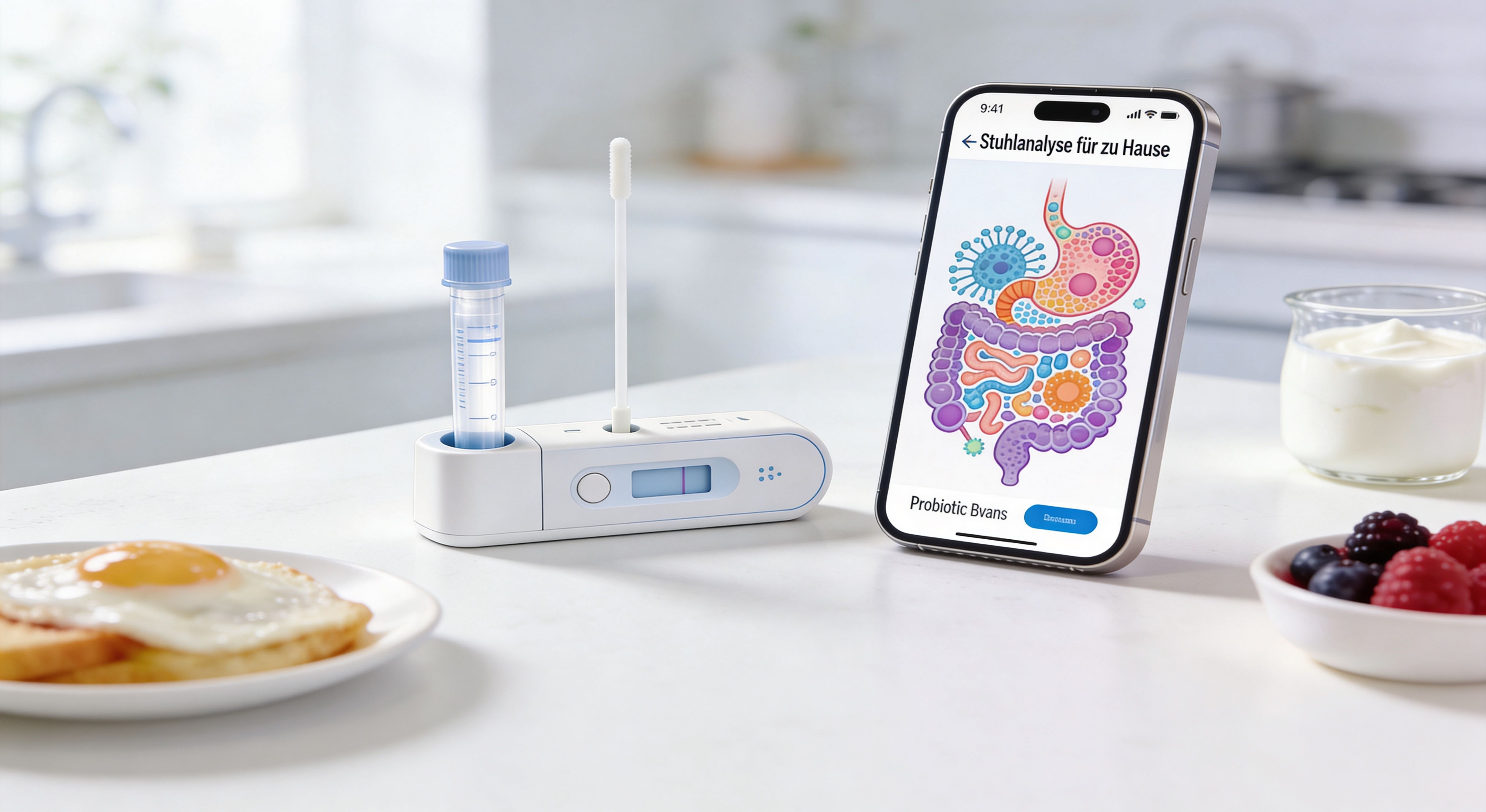
- Gut microbiome test: As you already know, the gut-vaginal axis is absolutely crucial. A test of your gut microbiome will show you definitively whether an imbalance in your gut flora is the real problem. Perhaps you're lacking important lactobacilli, or there's an undetected overgrowth of yeast in your gut. You can learn more about how to get your microbiome tested in our follow-up article.
- Nutrient deficiency test: A strong immune system is your best ally in the fight against infections. However, if it lacks essential building blocks such as zinc, vitamin D, or B vitamins , it cannot function at its full potential. A nutrient test ruthlessly reveals such deficiencies, allowing you to address them effectively.
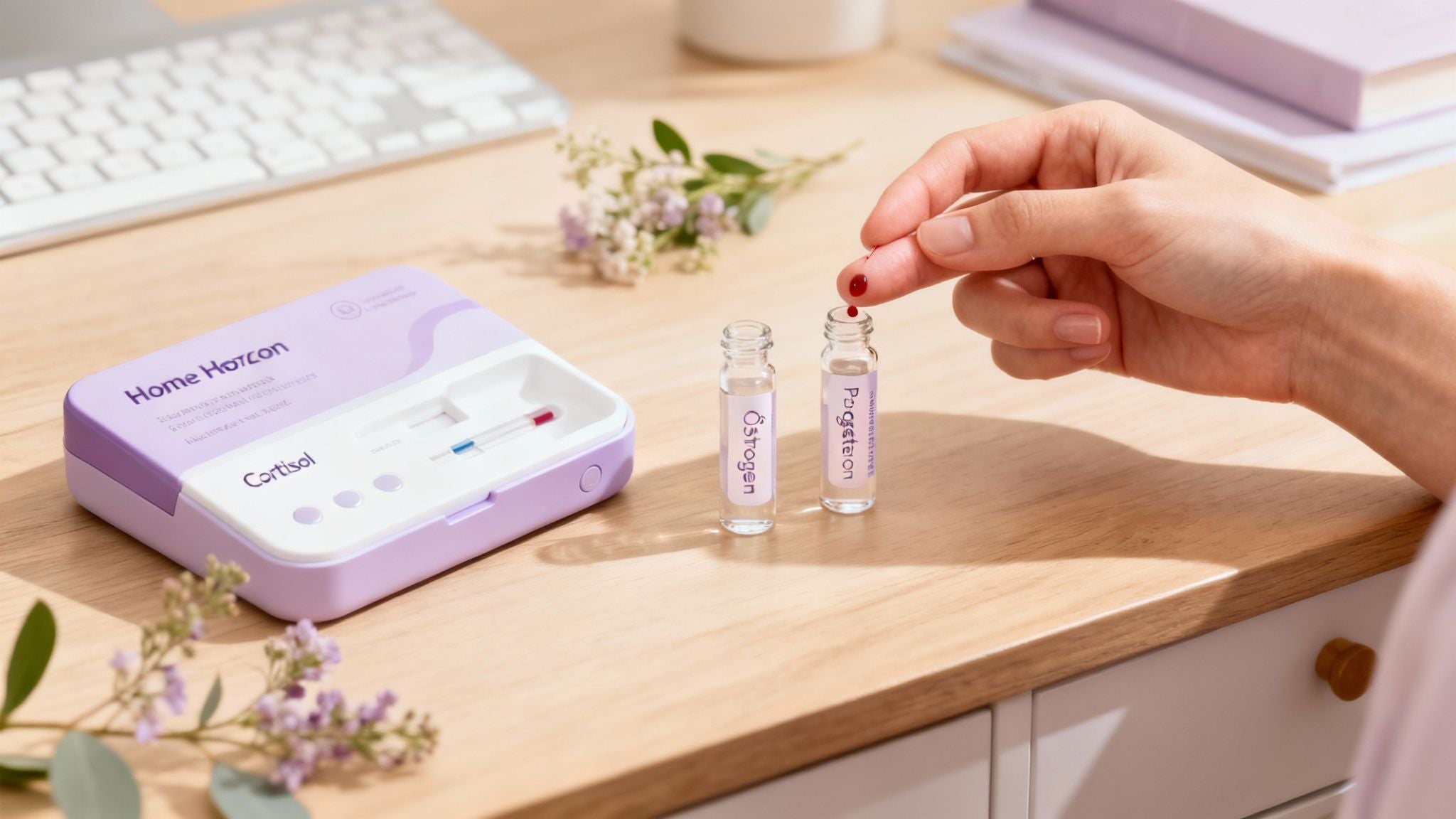
- Hormone test: Hormones have a significant influence on the vaginal environment. An imbalance, such as estrogen dominance, can considerably increase susceptibility to yeast infections. A hormone test can clarify whether there is an underlying cause.
These tests are very easy to do at home. You take a small sample (stool, blood from your fingertip, or saliva), send it to our lab, and receive a detailed yet easy-to-understand report. With these results in hand, you can finally adjust your diet and lifestyle to effectively combat vaginal yeast infections and address the root causes.
Frequently asked questions about the anti-fungal diet
Deciding to change your diet to eliminate the breeding ground for vaginal yeast infections is a big step – and it's perfectly normal to have questions. After all, it means changing cherished habits. To alleviate any remaining uncertainties and support you on your journey, we've compiled the answers to the most frequently asked questions here.
How quickly does a change in diet work for vaginal yeast infections?
This varies greatly from woman to woman and naturally depends on how consistent you are and how your body reacts. Many women, however, experience initial relief from the distressing symptoms like itching and burning after just a few days. This makes sense, as your body finally gets a break from the constant supply of sugar that essentially feeds the fungus.
To truly and sustainably stabilize your gut and vaginal flora and prevent relapses, you should stick to the dietary changes for at least 4 to 12 weeks . Don't see it as a sprint, but as a process in which your body needs time to regain its natural balance.
Am I not allowed to eat any fruit at all on an anti-fungal diet?
We hear this question all the time. In the first, very strict phase (roughly the first 2-4 weeks), it's actually best to almost completely avoid fruit. The fructose it contains can nourish the fungus just like regular sugar, and that's something we definitely want to avoid at the beginning.
After that, you can slowly start incorporating low-sugar fruits back into your diet. It's important to pay close attention to your body's signals.
- A good choice (in small quantities): berries such as raspberries or blueberries, papaya, green apples and grapefruit.
- What you should avoid for longer: Very sweet fruits such as bananas, grapes, mangoes and any dried fruit – these are true sugar bombs.
Can a mybody-x test replace a doctor's visit?
No, and that's a crucial point. A mybody-x test is never a substitute for a medical diagnosis or treatment, especially not in cases of acute or severe symptoms. Your doctor is always the first point of contact to reliably diagnose a vaginal yeast infection and begin medical treatment.
Our tests are a valuable supplement, not a replacement. They help you understand the underlying causes of your recurring problems – such as a disrupted gut microbiome, hidden nutrient deficiencies, or a hormonal imbalance. They provide you with data-driven tools to proactively and specifically support your health.
What role does stress play in recurrent vaginal yeast infections?
Stress is an often underestimated but extremely important factor. Chronic stress puts your body in a constant state of alert. This weakens your immune system and can severely disrupt your hormonal balance. Both of these factors together create ideal conditions for Candida to proliferate.
A change in diet is the foundation, but stress management is an equally important complement. Techniques such as yoga, meditation, walks in nature, or simply getting enough sleep help your body to exit stress mode and strengthen its defenses. Always consider your health holistically – body and mind work hand in hand.
Do you finally want clarity and to address the root causes of your recurring symptoms? The health tests from mybody-x help you better understand your body and optimize your diet and lifestyle based on your individual results. Discover the right analyses for you now at https://mybody-x.com .
Share:
Zinc on an empty stomach: A good idea or a risk of nausea?
Face Mapping of Acne: Understand your skin's signals and find the causes