

Step-by-step optimization of gut health for greater well-being
Many people feel the effects of their gut every day, yet the exact causes often remain unclear. Surprisingly, a gut analysis can reveal more than 500 different bacterial species in the microbiome. If you are only thinking about diet or probiotics, you are overlooking a crucial point: only the combination of honest self-assessment, targeted nutrient analysis, and an individualized strategy provides real clarity for long-term health.
Table of contents
- Step 1: Assess your current gut health
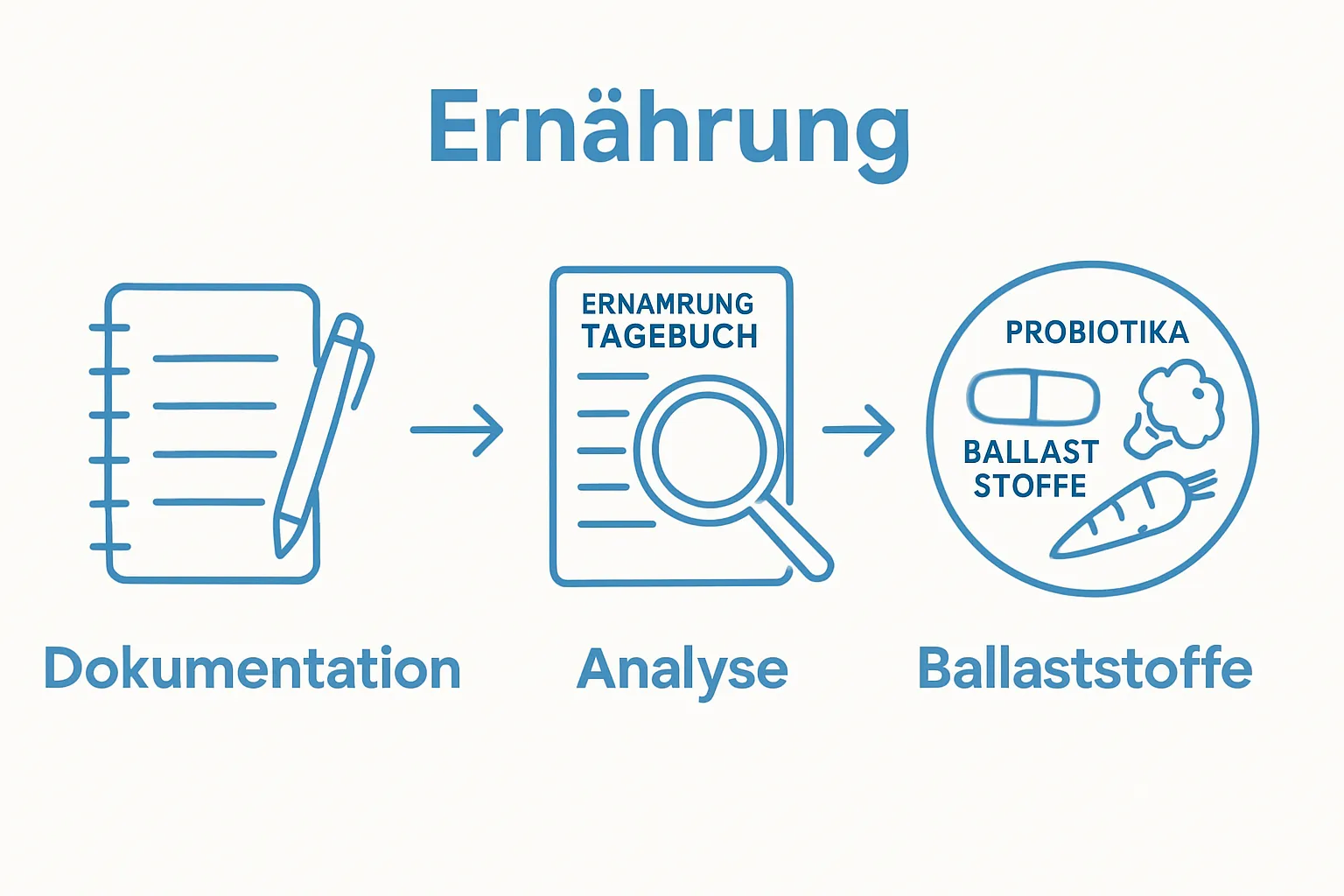
- Step 2: Keep a food diary
- Step 3: Analyze your diet for nutrient deficiencies
- Step 4: Incorporate probiotics and fiber into your diet
- Step 5: Monitor your progress and adjustments
- Step 6: Consult professionals for personalized recommendations
Quick overview
| Key point | Explanation |
|---|---|
| 1. Assess your gut health | Keep a two-week digestive diary to analyze the status of your gut health. |
| 2. Keep a food diary | Document your food intake and reactions to understand connections between foods and gut health. |
| 3. Analyze nutrient deficiencies | Review your diet for deficiencies and develop strategies to improve nutrient absorption. |
| 4. Incorporate probiotics and fiber | Increase your intake of probiotics and fiber to strengthen your gut microbiome and support digestion. |
| 5. Monitor progress continuously | Keep a progress diary to track changes and make appropriate adjustments. |
Step 1: Assess your current gut health
The first step toward optimizing your gut health begins with an honest and thorough self-assessment. A comprehensive assessment enables you to understand exactly where you currently stand and which areas have room for improvement.
Begin your analysis with a detailed diary of your digestion and overall gut function. Over a period of two weeks, systematically record your stool frequency, consistency, and any discomfort such as bloating, digestive problems, or unusual symptoms. Pay particular attention to patterns and connections with your diet and lifestyle.
A helpful approach is to use a standardized rating scale for your gut health. This takes into account various aspects such as stool frequency, consistency according to the Bristol Stool Form Scale, digestive comfort, and possible inflammatory markers. Typical indicators of impaired gut health include irregular bowel movements, constipation, diarrhea, persistent bloating, or abdominal pain.
For a scientifically sound assessment, a professional gut analysis that provides detailed insights into your gut microbiome is recommended. Such tests can provide information about the microbiome, inflammatory markers, and potential imbalances.
You should also keep an eye out for typical warning signs:
- Persistent digestive problems over several weeks
- Unexplained weight loss or gain
- Chronic fatigue
- Skin problems
- Mood swings
Assessing your gut health is a sensitive and individual process. Do not hesitate to seek professional medical help if you experience persistent or concerning symptoms. The goal of this initial analysis phase is to establish a solid foundation for targeted improvements.
Below you will find a tabular overview of the most important warning signs and indicators that may point to impaired gut health.
| Warning sign/indicator | Meaning |
|---|---|
| Persistent digestive problems | Indication of possible disruptions in the microbiome |
| Unexplained weight loss/gain | May indicate nutrient deficiencies or inflammation |
| Chronic fatigue | Possible sign of poor nutrient absorption |
| Skin problems | Frequently associated with a disturbed gut microbiome |
| Mood swings | Connection between the gut and brain (gut-brain axis) |
Step 2: Keep a food diary
A food diary is your personal key to unlocking the connections between your diet and gut health. This method helps you identify and understand precise connections between foods and digestive reactions.
Start with a structured approach. Every day, record not only the foods and drinks consumed, but also the time and quantity. Additionally, document immediate reactions such as bloating, digestive discomfort, energy levels, and overall well-being. This comprehensive documentation creates a clear picture of your individual digestive patterns.
Use a method that suits your lifestyle. Whether a classic notebook, digital app, or spreadsheet, consistency and level of detail are what matter. Be as precise as possible: Note the ingredients, preparation method, and portion sizes. An example would be “250 ml whole-grain bread with avocado, grilled” instead of just “Breakfast.”
When reviewing your diary, look for recurring patterns. Which foods cause discomfort? Which promote your well-being? Professional nutritional therapy for gut health can help you understand these connections even better.
Watch out for potential triggers:
- Dairy products
- Gluten-containing foods
- Artificial sweeteners
- Highly processed foods
- Alcohol
After two weeks, systematically review your diary. Look for patterns, identify foods that negatively affect your gut health, and develop strategies for targeted dietary changes. The goal is not perfection, but a deeper understanding of your individual body.
Step 3: Analyze your diet for nutrient deficiencies
Nutrient deficiencies are often hidden key factors behind gut problems and general discomfort. In this step, the goal is to systematically examine your diet for possible deficiency symptoms and develop targeted strategies to address them.
First, review your food diary from the perspective of nutritional diversity. Make sure you are getting a balanced intake of vitamins, minerals, and trace elements. Typical warning signs of nutrient deficiencies include fatigue, a weakened immune system, digestive problems, and persistent difficulty concentrating.
A professional analysis can provide you with precise insights. Learn about the various ways to identify and treat vitamin deficiencies in order to develop targeted countermeasures. The following nutrients are particularly important for gut health:
- Vitamin D
- B-complex vitamins
- Zinc
- Magnesium
- Omega-3 fatty acids
A holistic approach means not only supplementing missing nutrients but also understanding the causes. Chronic stress, an irregular diet, or digestive problems can severely impair nutrient absorption and utilization.
For a comprehensive assessment, a professional nutrient check is recommended. Blood tests can accurately show which minerals and vitamins may be insufficient in your body. These results will help you develop a customized nutritional strategy that takes your individual needs into account.
The goal of this step is to gain a clear understanding of your nutritional status and initiate targeted measures to optimize your gut health. If uncertainties persist, do not hesitate to seek professional nutritional counseling.
Step 4: Incorporate probiotics and fiber into your diet
Integrating probiotics and fiber is essential for a healthy gut flora and optimal digestive function. Probiotics are living microorganisms that directly and sustainably support your gut health, while fiber serves as food for these beneficial bacteria.
Begin by gradually introducing fermented foods into your diet. Classic options include yogurt, kefir, sauerkraut, kimchi, and kombucha. These natural sources of probiotics promote a diverse and healthy gut flora. Be sure to choose unprocessed products that have not been overheated to preserve the vitality of the cultures.
The importance of a balanced gut microbiome for your health cannot be underestimated. The right probiotics can reduce inflammation, strengthen the immune system, and even positively influence your mood.
Fiber is the key to nourishing your gut bacteria. Focus on complex sources of fiber such as:
- Whole-grain products
- Legumes
- Vegetables
- Nuts and seeds
- Fruit with the peel
A slow and steady increase is important. Gradually increase your fiber intake to avoid bloating and digestive discomfort. Start with small amounts and increase continuously. Drink enough water to support digestion.
When choosing probiotics, pay attention to quality and variety. A good probiotic contains different bacterial strains and a sufficiently high number of live cultures. If in doubt, consult a nutritionist who can help you make an individual selection.
The goal of this step is to diversify and strengthen your gut flora. Monitor your reactions and adjust your dietary strategy accordingly.
The following table compares classic sources of fiber and fermented probiotic foods, including their contribution to gut health.
| Food | Category | Contribution to gut health |
|---|---|---|
| Whole-grain products | Fiber | Promotes bowel movement and feeds beneficial bacteria |
| Legumes | Fiber | Supports gut flora diversity |
| Vegetables | Fiber | Provides vitamins and indigestible fiber |
| Nuts and seeds | Fiber | Provides sustained energy and satiety |
| Fruit with the peel | Fiber | Improves digestion and provides vitamins |
| Yogurt | Probiotic | Provides live cultures for a diverse microbiome |
| Sauerkraut | Probiotic | Increases probiotic content and has anti-inflammatory effects |
| Kimchi | Probiotic | Promotes bacterial diversity and digestion |
 Improved digestion, increased energy, and a stronger immune system are promising signs of progress.
Step 5: Monitor your progress and adjustments
The final step in optimizing your gut health focuses on systematic monitoring and targeted adjustments. Continuous evaluation is crucial for achieving long-term improvements and developing personalized strategies.
Keep a detailed progress journal that goes beyond your original food diary. Document not only your diet and digestion, but also energy levels, mood, sleep quality, and overall well-being. This holistic approach helps you identify subtle changes that indicate the initial successes of optimizing your gut health.
The importance of systematic health monitoring for a longer, better life cannot be overstated. Set specific, measurable goals and define indicators of progress.
Pay attention to the following key indicators:
- Digestive regularity
- Disappearance of bloating
- Improved stool consistency
- Increased energy and mental clarity
- Reduction of inflammatory markers
Plan a comprehensive review of your strategies every three to four weeks. Be prepared to adjust your diet, probiotic intake, or fiber intake flexibly. What worked in the first phase does not necessarily have to remain optimal in the long term.
For persistent symptoms or unclear complaints, a professional microbiome test is recommended. Such scientific analyses can provide precise insights into your individual gut flora and help develop more targeted interventions.
The goal of this step is to understand your gut health not as a static state but as a dynamic process. Remain patient, attentive, and open to adjustments. Small, consistent changes often lead to the most significant long-term improvements in your well-being.
Step 6: Consult professionals for personalized recommendations
The complexity of gut health often requires professional support to address individual challenges precisely. Professionals can provide in-depth insights and tailored strategies that go far beyond general recommendations.
Start by selecting suitable experts. Nutritionists, gastroenterologists, naturopaths, and functional medicine practitioners are ideal contacts for holistic gut health consultations. It is important to find a professional who not only treats symptoms but also investigates their causes and follows an individualized approach.
Personalized nutrition strategies can be crucial to your health success. A professional expert can help you interpret your previous records and analyses from a scientific perspective.
When choosing your healthcare professional, pay attention to the following criteria:
- Additional qualifications in functional medicine
- Experience with holistic treatment approaches
- Demonstrated expertise in gut health
- Willingness to provide a detailed medical history
- Openness to different treatment strategies
Prepare carefully for your first consultation. Bring your food diaries, symptom logs, and previous test results. The more comprehensive your documentation, the more precisely professionals can assess your individual situation.
A good consultation should be more than a superficial description of symptoms. Expect a comprehensive analysis that takes your diet, lifestyle, stress levels, and genetic predispositions into account. The focus should be on holistic solutions that not only alleviate symptoms but also sustainably improve your gut health.
The goal of this step is to use professional expertise to validate and optimize your previous efforts. An open, trusting dialogue with specialists can be the key to achieving a holistic understanding of your gut health.
Take the next step toward better gut health
Many people remain uncertain about optimizing their gut health because causes such as an imbalanced microbiome or undetected nutrient deficiencies remain invisible. Your desire for more energy and well-being begins with measurability and individual clarity. mybody®x offers scientifically grounded gut microbiome analyses that provide deep insights into your digestion and the composition of your gut bacteria. The results are provided on a personal level, including specific recommendations on how you can improve your diet and health in a targeted way. Benefit from ISO-certified tests that you can perform conveniently and safely at home, and avoid long-term digestive problems such as bloating or discomfort. Would you like to address several areas? Discover solutions for digestive problems and particularly proven products from our bestseller range.
Start your journey toward a healthier everyday life now and secure visible results. Browse mybody-x.com for the right test for you, or contact our team for personal advice. Your gut health deserves a measurable difference.
Frequently asked questions
How can I assess my current gut health?
To assess your gut health, keep a detailed diary of your digestion and symptoms. Record stool frequency, consistency, and discomfort over a period of two weeks.
What should I include in my food diary?
In your food diary, you should record all foods and beverages consumed, the time, quantity, and any immediate reactions such as bloating, digestive discomfort, and energy levels.
Which nutrients are essential for improving my gut health?
Important nutrients for gut health include vitamin D, B-complex vitamins, zinc, magnesium, and omega-3 fatty acids. A deficiency can negatively affect your digestion and overall well-being.
How do I incorporate probiotics and fiber into my diet?
Start with fermented foods such as yogurt and sauerkraut to consume probiotics. Gradually increase your fiber intake through whole grains, legumes, and vegetables to support digestion.
Recommendation
- Healthy gut: How to strengthen your gut microbiome | Gut health – mybody®x
- Promote gut health for greater well-being – mybody®x
- Gut health nutrition: Your immune system booster for autumn – mybody®x
- Build a healthy gut microbiome: Your nutrition guide to a healthy feeling in your gut – mybody®x
- Improve gut health: Simple ways to greater well-being



Share now:
Meaning of Microbes: The Role of the Microbiome in Our Health
Why gut flora is important: Understand its role