

Weight problems: Everything important explained
Being overweight now affects more than one in two adults in Germany. The issue goes far beyond numbers on a scale, as weight gain rarely results from a single cause. Many people experience how diet, exercise, stress, and even their own metabolism interact. Anyone who wants to understand why losing weight often remains difficult will find new insights here into the causes, physical connections, and possibilities for a personal path to a healthy weight.
Table of Contents
- Causes and definition of weight problems
- Genetic, hormonal, and metabolic influences
- The role of the microbiome and nutrient supply
- Modern diagnostics: DNA, hormone, and metabolic tests
- Recommended treatment approaches and prevention strategies
Key findings
| Point | Details |
|---|---|
| Causes of weight problems | Overeating and lack of exercise are the main causes, while psychological, genetic, and hormonal factors also play a role. |
| The role of the microbiome | The microbiome and nutrient supply are crucial for weight regulation, and their influence on well-being should not be underestimated. |
| Modern diagnostics | Innovative tests such as DNA, hormone, and metabolic analyses help identify individual health factors and develop customized strategies. |
| Holistic therapeutic approaches | Effective interventions require comprehensive health education and personalized strategies that go beyond diets and incorporate the psychosocial dimension. |
Causes and definition of weight problems
Being overweight is a complex health phenomenon that involves more than just a number on the scale. According to Wikipedia, being overweight is defined as a body mass index (BMI) between 25 and 29.9 kg/m², which provides important indications of potential health risks.
The main causes of weight problems are varied and primarily include two core aspects: overeating and lack of exercise. Interestingly, increased calorie intake plays a greater role than insufficient physical activity. In addition to these obvious factors, there are a number of other influences that can contribute to weight problems:
- Psychological factors such as stress or emotional eating
- Genetic predispositions
- Metabolic disorders
- Hormonal changes
- Side effects of certain medications
Anyone who wants to learn more about their individual metabolic factors can use a nutrition guide for weight management, which provides personalized insights into their body's processes. It is important to understand that weight problems are rarely attributable to a single factor; rather, they result from a complex interplay of various influences.
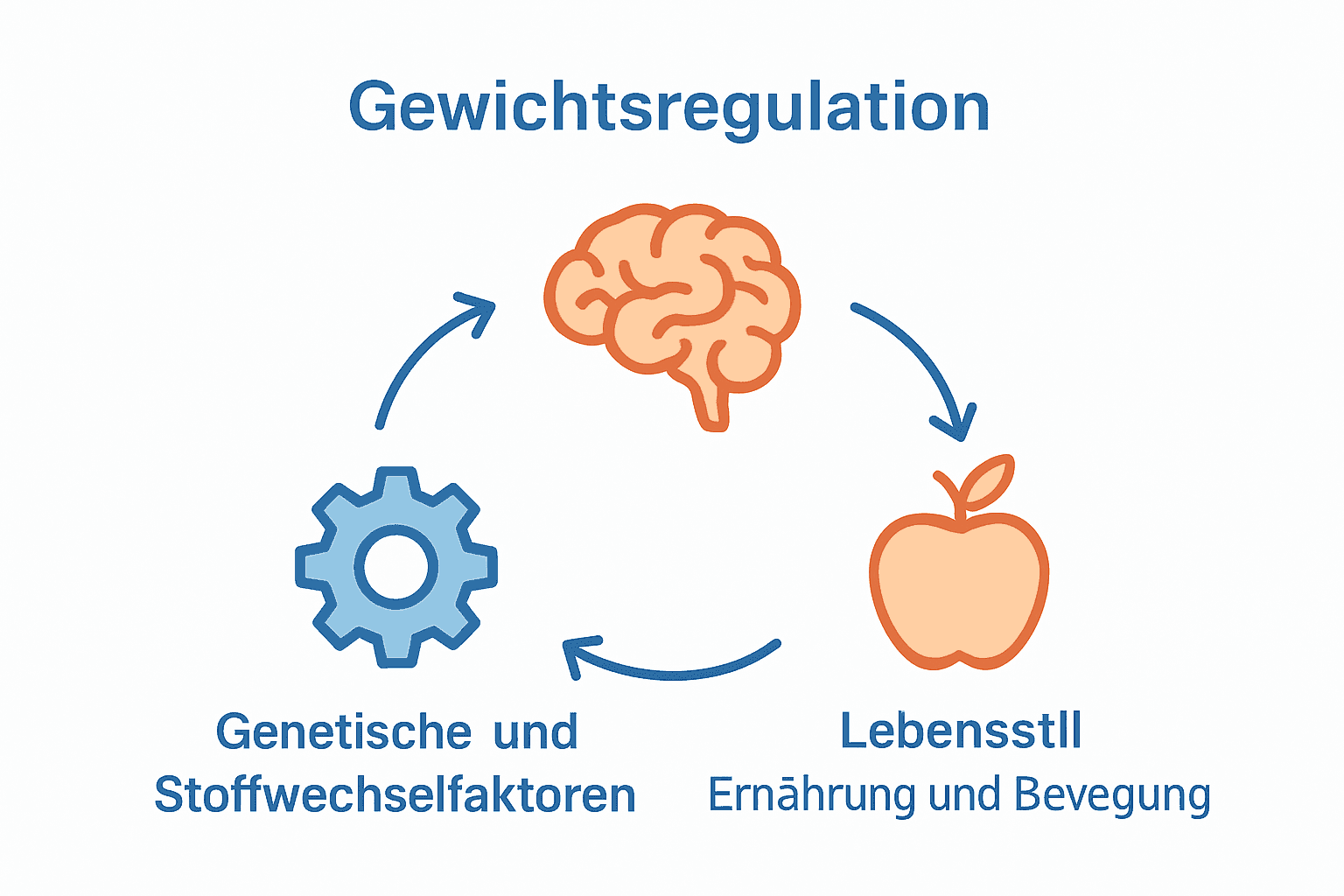
Genetic, hormonal, and metabolic influences
While many people long considered weight problems to be a simple consequence of diet and exercise, modern science paints a far more complex picture. Genetic factors, hormones, and metabolic processes play a crucial role in weight regulation.
Technical University of Munich investigated, in a systematic literature review, the extent to which genetic factors actually influence our calorie, carbohydrate, and fat intake. Surprisingly, no clear evidence of a direct genetic link has been found to date, calling the effectiveness of gene diets into question.
One fascinating aspect is highlighted by University Hospital Tübingen: The brain plays a central role in the development of obesity. Insulin in the brain influences not only metabolic processes but is also crucial to the development of overweight and type 2 diabetes. This finding shows how complex the interactions between our biological systems actually are.
For a deeper insight into the connections between genetics and nutrition, I recommend the guide to the gene diet, which helps provide a better understanding of the individual characteristics of one's metabolism. It is important to remember that every body is unique, and broad generalizations often fall short.
The role of the microbiome and nutrient supply
Our body is a complex ecosystem in which the microbiome and nutrient supply play a crucial role in weight regulation. For a long time, scientists underestimated the importance of these microscopic helpers in our digestive system.
The German Center for Diabetes Research investigated the effects of weight changes on our metabolism in a comprehensive study. The results are impressive: Being overweight has been shown to increase the risk of cardiovascular disease, lipid metabolism disorders, and diabetes.
Another exciting discovery by scientists reveals the complex connections: Researchers found the protein Cited1 in the brains of mice, where it regulates sex-specific signaling pathways and influences feelings of satiety. These findings illustrate how closely the microbiome, hormones, and weight regulation are intertwined.
Anyone who wants to learn more about the connections between their gut health can take a microbiome test to analyze their gut flora. Every body is unique, and only by gaining an accurate understanding of our individual biological processes can we develop targeted strategies for healthy weight regulation.
Modern diagnostics: DNA, hormone, and metabolic tests
Medical diagnostics have made enormous advances in recent years. Modern health tests now enable a precise understanding of individual physical processes directly related to weight problems.
A study using deep-learning methods demonstrates the immense potential of modern genetics: Through complex data analyses, scientists can identify specific genetic markers (SNPs) associated with obesity. This technology opens up entirely new perspectives for personalized weight-management strategies.
The University of Lübeck underscored the importance of metabolic tests in a groundbreaking dissertation. Studies of male participants revealed how individual metabolic processes influence changes in weight. These scientific findings emphasize that one-size-fits-all dietary recommendations often fall short.

Anyone who wants to explore their personal health connections in greater depth can consider a hormone test for women. Such tests help identify individual hormonal changes that may contribute to weight problems. One thing is clear: Every body is unique and deserves a tailored approach.
Recommended treatment approaches and prevention strategies
Weight problems require a holistic approach that goes far beyond simple diets and exercise programs. Personalized treatment strategies aim to understand and specifically address the individual causes of weight problems.
Local pharmacists emphasize that effective solutions involve more than dietary changes alone. Important prevention strategies include:
- Comprehensive health education
- Promoting healthy lifestyles
- Early interventions
- Regular physical activity
- Psychological support
The IDEFICS study, the largest European study on childhood overweight, highlights the importance of comprehensive prevention approaches. It shows that health factors can already be positively influenced at an early age.
Anyone looking to specifically activate their metabolism can use a guide to activating the metabolism. The key lies in an individualized, scientifically grounded approach that respects every body’s uniqueness.
Tailored support for weight problems for lasting success
Weight problems are often the result of a complex interplay of genetic, hormonal, and metabolic factors. Anyone who has struggled for years without achieving lasting results knows the frustration of generic diets and impersonal recommendations. This is precisely where personalized analysis comes in, taking an in-depth look at the underlying causes and offering individual solutions.
Discover at mybody®x how you can use modern DNA metabolic tests for your optimal nutrition and targeted at-home hormone tests to use personal health data to better understand your metabolism and weight regulation. Benefit from individually tailored recommendations based on scientifically validated analyses, enabling genuine long-term changes. Start now with your individual solution for overweight and take control of your health.
Frequently asked questions
What are the main causes of weight problems?
The main causes are overeating and lack of exercise, with increased calorie intake often playing a greater role. Other factors may include psychological influences, genetic predisposition, metabolic disorders, and hormonal changes.
How do genetic factors influence weight?
Genetic factors can influence weight regulation, even though no conclusive evidence of a direct link to calorie or fat intake has been found. Individual differences in metabolism can affect body weight.
What role does the microbiome play in weight problems?
The microbiome has a decisive influence on weight regulation. A healthy gut flora can help reduce the risk of obesity, cardiovascular disease, and metabolic disorders.
Which tests help diagnose weight problems?
Modern health tests, including DNA, hormone, and metabolic tests, provide precise insights into individual bodily processes. These tests help identify genetic markers and hormonal changes associated with weight problems.
Recommendation
- Healthy nutrition for weight loss – How to make it easy – mybody®x
- Losing weight through nutrition: Your path to a comfortable weight starts on T – mybody®x
- Switch your metabolism to fat burning: Here’s how – mybody®x
- Triglycerides too high? Tips & strategies for lowering them – mybody®x
- Recognize micronutrient deficiency symptoms and take targeted preventive measures



Share now:
The food pyramid: Everything you need to know
7 Science-Based Ways to Manage Your Weight