
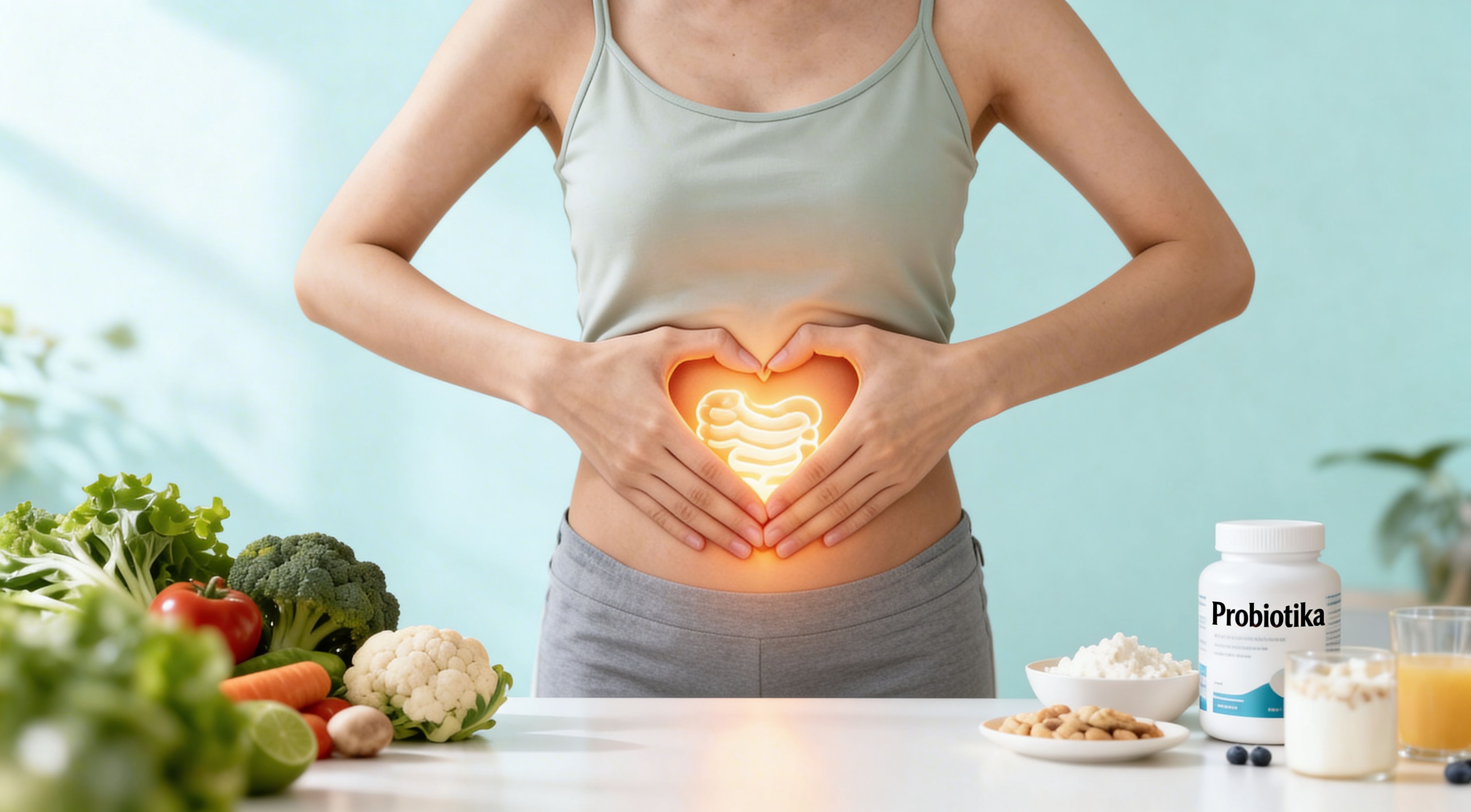
Make your gut healthy and finally feel good again
Constantly tired, a bloated stomach, skin acting up—and nothing seems to help? If you are struggling with one symptom after another and still cannot find a clear cause, your gut may not be the first thing you think of. But to finally restore balance and make your gut healthy again, this is exactly where we need to start. The root of an entire chain of complaints that seem unrelated at first glance often lies there.
Why your gut is the center of your health
Think of your gut less as a mere digestive organ and more as the pulsating control center of your body. Trillions of microorganisms live here—your personal microbiome. These tiny helpers work around the clock for you: they break down nutrients, produce essential vitamins, and train most of your immune system.
When everything runs smoothly in this complex ecosystem, you feel energized, your digestion functions smoothly, and your skin glows. But when the system becomes unbalanced—what experts call dysbiosis—the problems begin.
An unbalanced diet, chronic stress, or taking medication can cause unwanted bacteria to spread and displace your beneficial microbial inhabitants. This imbalance can have far-reaching consequences:
- Digestive problems: Constant bloating, a feeling of fullness, or irregular bowel movements are the most obvious warning signs.
- Persistent fatigue: A disrupted gut can hinder the absorption of nutrients such as iron or vitamin B12. The result: you feel permanently exhausted and lacking in energy.
- Skin blemishes: The connection between the gut and the skin—the so-called gut-skin axis—is well established scientifically. An imbalance in the microbiome can manifest directly as acne, eczema, or redness.
- Mood swings: Your gut is a true hormone factory and produces a large portion of the happiness hormone serotonin. If your gut flora gets out of balance, this can have a direct impact on your mental state.
You are not alone with these problems. Many people struggle with such nonspecific symptoms and have no idea that the cause lies in their gut. Instead of fighting the symptoms individually, it is much more effective to strengthen the foundation: your gut.
Your body is sending you signals—you just have to listen
Learn to pay attention to your body’s subtle messages. A bloated stomach after every meal isn’t simply “normal.” Constant susceptibility to infections could indicate that your immune system, around 80% of which is located in the gut, is overwhelmed. The point is to stop ignoring these signals and instead understand them as valuable clues.
You may be wondering why these complaints are so widespread today. Current data shows a worrying trend: The number of people with irritable bowel syndrome in Germany is rising dramatically. According to an analysis by KKH Kaufmännische Krankenkasse, the number of cases among 20- to 24-year-olds increased by 15 percent over the past ten years, with young women particularly affected. Modern lifestyle factors such as stress and a diet full of processed foods are placing increasing strain on our digestive system. You can read more about this development in KKH’s press release.
This trend makes one thing very clear: It’s time to take action yourself. Instead of continuing to guess what your gut might be lacking, you can gain targeted clarity. A mybody-x microbiome test analyzes the exact composition of your gut flora and shows you in black and white where an imbalance exists. Such a test provides a scientific basis for finally taking the right measures and promoting lasting gut health.
Find the Real Causes of Your Gut Problems
Before you enthusiastically get started and try to make your gut “healthy,” let’s take a quick step back. Simply taking probiotics on a whim or cutting out certain foods is like feeling around in the fog. To truly make a difference, we need to identify the real troublemakers that make life difficult for your microbiome. That’s the only way to tackle the problem at its root instead of merely treating the surface.
The good news is that recurring patterns and a few familiar suspects are usually responsible for the chaos in your gut. It’s time to move from guesswork to facts and systematically investigate the evidence.
The following graphic clearly shows how a cause—such as stress or a poor diet—leads to dysbiosis and ultimately to noticeable symptoms.

What this illustration makes so clear is that your symptoms—whether bloating, fatigue, or skin problems—don’t come out of nowhere. They are the end result of a chain of events that often began much earlier and unnoticed.
The Usual Suspects on Your List
Your gut is a highly sensitive ecosystem that responds to a wide range of influences. You may already suspect some of the most common disruptive factors that promote an imbalance (known as dysbiosis):
- Chronic stress: The gut-brain axis is not a one-way street. Prolonged stress can demonstrably alter the composition of your gut flora, make the gut barrier more permeable, and promote low-grade inflammation.
- Lack of sleep: Anyone who does not get enough sleep or sleeps poorly is also doing their gut no favors. Your sleep schedule directly affects the diversity and activity of your microbiome.
- Medications: Antibiotics are of course at the top of the list because they do not distinguish between good and bad bacteria. But painkillers such as ibuprofen and acid blockers can also seriously disrupt your gut flora.
- Hidden food intolerances: Often, the culprits are not the obvious ones. They may be foods you eat every day that unknowingly trigger a subtle immune response.
Your first step toward feeling better is to become a detective in your own life. Instead of continuing to speculate, start uncovering connections between your everyday life and your symptoms.
A simple symptom diary is an incredibly powerful tool for this. Record the following in detail for one or two weeks:
- What you eat and drink: Every meal, every snack, every drink. Be honest!
- How you feel: Your energy level, mood, and of course your digestion (bloating, stomach rumbling, bowel movements).
- Special events: Did you have a stressful day, sleep poorly, or exercise?
You will probably recognize the first patterns after a short time. Perhaps you will notice that your stomach always rebels after your morning cereal, or that you have more digestive problems on stressful days. These are exactly the first important clues.
From suspicions to facts with targeted tests
A symptom diary can provide valuable initial clues. But what if the patterns are unclear or you simply want to dig deeper? This is exactly where modern at-home self-tests come in. They are a useful shortcut for replacing vague suspicions with data-based facts.
Instead of groping in the dark for weeks, they give you a clear picture of what is really going on in your body. They help you make the right adjustments from the very beginning and base your actions on a solid foundation.
Two types of tests in particular have proven effective for targeted investigation into the causes:
-
The mybody-x food intolerance test: If you suspect that certain foods are behind your symptoms, this test finally provides clarity. It analyzes your immune system’s response to a wide range of foods and shows you precisely which ones could trigger reactions and put stress on your gut. This allows you to adjust your diet strategically without unnecessarily giving up all kinds of foods.
-
The mybody-x microbiome test: This test is like a detailed assessment of your gut. It analyzes the exact composition of your gut flora—which bacterial strains are present, whether there is an imbalance, and how diverse your microbiome is. The results then provide you with specific recommendations on how to get your gut flora back on track with the right foods and probiotics.
With these tools at your disposal, you can finally stop guessing. You get a personal roadmap for your gut health that shows you where you are now and which steps are right and most effective for you.
How to create your meal plan for a healthy gut
Your diet is the most powerful tool you have to restore balance to your gut. Forget complicated diet rules or radical restrictions. It’s about giving your body—and especially your beneficial gut bacteria—exactly what they need to thrive. Think of your food as the most effective medicine for your microbiome.

The key is to focus on the three pillars of a gut-friendly diet: fiber, prebiotics, and probiotics. These three elements work hand in hand to build up, strengthen, and keep your gut flora stable over the long term.
Fiber as the foundation for everything
Fiber is the foundation of any gut-healthy diet. These indigestible plant fibers are the main source of nourishment for your beneficial gut bacteria. Without them, your microbiome essentially starves.
A high-fiber diet not only promotes diversity in your gut flora, but also supports regular digestion and helps eliminate toxins from the body. Aim for at least 30 grams of fiber per day.
Here’s how to get started:
- Whole grains instead of white flour: Consistently replace white bread, white pasta, and white rice with their whole-grain alternatives.
- Vegetables with every meal: Incorporate vegetables not just as a side dish, but as an integral part of every plate. Broccoli, carrots, and leafy greens are excellent choices.
- Add legumes: Lentils, chickpeas, and beans are true fiber powerhouses. Start with small amounts so your gut can gradually get used to them.
Prebiotics: Food for your best friends
While all dietary fibers are beneficial, some are especially valuable. Prebiotics are special types of dietary fiber that specifically promote the growth and activity of the most beneficial bacterial strains, such as bifidobacteria and lactobacilli. They are, so to speak, your little helpers’ favorite food.
You do not need to buy exotic superfoods for this. Prebiotics are hidden in many everyday foods:
- Alliums: Onions, garlic, and leeks are potent sources of prebiotics and can easily be incorporated into almost any savory dish.
- Root vegetables: Chicory root, Jerusalem artichokes, and parsnips contain plenty of inulin, a particularly effective prebiotic.
- Chilled potatoes: When cooked potatoes, pasta, or rice cool down, so-called resistant starch forms. It also serves as excellent food for your gut bacteria. So a potato salad the next day is not only delicious but also very gut-friendly.
Think of it this way: With prebiotics, you are essentially fertilizing the garden in your belly so that the beneficial plants—your good bacteria—can grow and thrive.
Probiotics: New helpers for your team
Probiotics are living microorganisms that, when consumed in sufficient amounts, provide health benefits. They colonize your gut and support your existing flora in its work. They are particularly valuable after antibiotic treatment or when your gut has become unbalanced.
Fermented foods are the best natural source here:
- Plain yogurt and kefir: Look for products without added sugar that contain live cultures.
- Sauerkraut (unpasteurized): Fresh sauerkraut from the refrigerated section is packed with lactic acid bacteria. Important: Heated sauerkraut from a can or jar no longer contains live cultures.
- Kimchi and miso: These Asian specialties add variety to your meals and provide a broad range of beneficial bacteria.
This table shows you which food groups are particularly important for your gut health and provides specific examples for your shopping trip.
Gut superfoods for your shopping list
| Nutrient type | Effects in the gut | Examples of foods |
|---|---|---|
| Dietary fiber (general) | Basic nourishment for the gut flora; supports digestion. | Whole-grain bread, oats, broccoli, berries, nuts, seeds |
| Prebiotics (special dietary fibers) | Specifically promote the growth of beneficial bacteria (Bifido & Lacto). | Onions, garlic, leeks, artichokes, bananas (preferably underripe), chicory |
| Resistant starch (special type) | Also serves as food; it forms when cooked starch cools. | Cooled potatoes, cold rice, cold pasta, green bananas |
| Probiotics (live bacteria) | Colonize the gut and support the existing flora. | Plain yogurt, kefir, unpasteurized sauerkraut, kimchi, miso, kombucha |
A well-stocked pantry filled with these foods is the first crucial step toward feeling better in your gut.
Individuality is key: The link to your test
As valuable as these general recommendations are, you are the most important factor. Every gut is unique. What is a superfood for one person can cause bloating and discomfort in another. And this is exactly where the self-tests from mybody-x.com come full circle.
Your personal path to your goal begins with data, not guesswork. A mybody-x food intolerance test, for example, can show you whether seemingly healthy foods such as almonds or tomatoes are quietly triggering inflammatory reactions in your body and sabotaging your progress.
The results of a microbiome analysis provide even more specific insights. They show you in black and white which bacterial strains are lacking in your gut. This allows you to select probiotic foods that contain exactly those strains, or recognize that you should focus more on prebiotic foods to strengthen the beneficial bacteria already present. The insights from a test also help you better understand your nutritional needs. If you would like to learn more about how to adjust your diet in a targeted way, you can find more valuable information in our article on building healthy gut flora with the right diet.
Your test result becomes your personal nutrition compass. It guides you safely through the jungle of recommendations and helps you create a plan that truly suits you and your body.
A gut-friendly diet is a huge step forward, but it’s only half the battle. To truly bring your gut back into balance for the long term, we need to consider the bigger picture. Think of it this way: You tend and care for the most beautiful plants in your garden (that’s your diet), but the soil is completely depleted by persistent rain (stress) and nighttime frost (sleep deprivation). Your microbiome reacts to your lifestyle in much the same way.
Your gut and brain are inextricably connected via the so-called gut-brain axis. It’s not a one-way street. Every thought, feeling, and restless night sends signals directly to your gut—and can significantly disrupt the delicate balance of your gut flora. Let’s take a closer look at the three most important lifestyle factors that are often underestimated: stress, sleep, and exercise.
Stress management as gut protection
Chronic stress is one of the biggest enemies of a healthy gut. When you are constantly tense, your body releases stress hormones such as cortisol. These can make the intestinal barrier more permeable (the so-called “leaky gut”), promote inflammation in the body, and reduce the vital diversity of your microbiome. You often feel the result immediately: bloating, cramps, and a generally increased susceptibility to infections.
The good news is that you don’t have to completely overhaul your life overnight. It is the small but regular breaks that make the biggest difference. They signal to your nervous system that it is allowed to relax.
Even tiny, conscious interruptions can lower your stress level. Here are a few simple techniques you can put into practice right away:
- The 4-7-8 breathing exercise: Sit up straight and close your eyes. Inhale deeply through your nose for four seconds, hold your breath for seven seconds, and then exhale slowly through your mouth for eight seconds. Repeat this for just five minutes. This simple exercise activates the parasympathetic nervous system, your “relaxation nerve.”
- Mindful moments in everyday life: Build in tiny pauses to step out of the thought carousel. When drinking coffee, consciously feel the warmth of the cup in your hands. For a moment, listen only to the birds. Focus on the feeling of your feet on the ground. This immediately grounds you.
The extent to which our gut responds to stress and unhealthy habits is enormous. In Germany, gastrointestinal infections reached a record high in 2023. AOK Rheinland/Hamburg reported a staggering 50 percent increase in sick notes compared with the previous year. Young people were particularly affected, showing how important a robust lifestyle is for prevention. You can find more details in AOK’s latest report.
The underestimated power of sleep
Sleep is the most important recovery period for your body—and your gut is no exception. While you sleep, your intestinal lining repairs itself, and your microbiome has time to regulate and reorganize. Sleep deprivation disrupts not only your daily rhythm but also that of your gut bacteria. This negatively affects their diversity and activity.
A consistent sleep routine is therefore much more than just a way to combat fatigue. It is active gut care. Try to go to bed and get up at roughly the same time every day—yes, even on weekends. Create a relaxing evening routine that signals to your body that it is time to wind down: Read a book, listen to calm music, or take a warm bath.
Movement that’s good for your gut
When it comes to exercise, many people immediately think of strenuous workouts at the gym. For your gut health, however, moderate and above all regular activity is much more important. It’s not about running a marathon, but about staying active.
Even gentle, regular exercise has several positive effects:
- It stimulates gut activity: Exercise promotes peristalsis, the natural muscle contractions of your gut. This is one of the best ways to prevent constipation.
- It promotes diversity: Studies show that moderate exercise increases the diversity of bacterial species in your gut. A diverse microbiome is a resilient microbiome.
- It reduces stress: Exercise is an excellent way to reduce stress hormones and stimulate the production of feel-good hormones (endorphins). This is a direct benefit for your gut-brain axis.
Simply try to incorporate 20 to 30 minutes of moderate exercise into your daily routine. This could be a brisk walk during your lunch break, a bike ride in the evening, or a yoga session in the morning. The important thing is to find something you genuinely enjoy, because that’s the only way you’ll stick with it over the long term. If you’re looking for more practical ideas, you’ll find them in our 7 tips for everyday microbiome health.
Measure your successes and stick with it for the long term
You’ve taken the first steps—great! You’ve changed your diet, are working on managing stress, and are focusing on getting better sleep. But how do you ensure that these positive changes don’t remain just a short phase, but become lasting habits that support you over the long term? The key is to make your successes visible and see setbacks not as failures, but as what they are: part of the journey.

Restoring balance to your gut isn’t a 100-meter sprint. It’s more like a marathon, where perseverance and patience matter. It’s about sticking with it, even when your motivation wanes. And this is exactly where measuring your progress and seeing in black and white that your efforts are paying off can help enormously.
Listen to your body’s signals
The first and most direct way to track your progress is to listen closely to yourself. Your sense of how your body feels is the best initial indicator that you’re on the right track. Often, it’s the small, subtle changes that mark the beginning.
Pay attention to these positive signals:
- Better digestion: Your stomach no longer feels as bloated after eating, the feeling of fullness subsides, and your bowel movements become more regular. These are the first clear signs that your gut is calming down.
- More energy in everyday life: You get out of bed more easily in the morning, and the afternoon slump becomes a rare exception. When your gut can absorb nutrients better again, your energy level noticeably increases.
- Clearer skin: The close connection between the gut and the skin is no secret. When redness, blemishes, or eczema gradually subside, it is often a direct reflection of the improved situation in your gut.
- Stronger resilience: You are no longer the first to catch every cold going around. A healthy gut is the foundation of a strong immune system.
These physical signals are extremely motivating. They show you directly that your efforts are improving your quality of life.
Make your progress objectively measurable
Subjective well-being is fantastic, but sometimes we doubt our own perceptions, especially on bad days. That is why it becomes even more valuable when you can see your progress in black and white and measure it objectively. And this is exactly where mybody-x.com’s self-tests come into play again.
A follow-up test is much more than just a monitoring tool—it is a powerful motivational tool. It gives you confidence that your strategy is working and helps you adjust the right levers.
The health of your gut is one of the best investments in your long-term prevention. Data-based monitoring helps you stay on track and make the right decisions for your future.
The mybody-x microbiome test is ideal for this. A second test after around three to six months of consistently making these changes can show you specifically:
- Has the diversity of your gut flora increased? Greater diversity is a clear sign of a more resilient microbiome.
- Have important bacterial strains grown? You can see directly whether your prebiotic diet has had an effect and whether beneficial bacteria such as bifidobacteria have increased.
- Is the ratio of “good” to “bad” bacteria improving? The test shows whether the balance (eubiosis) is being restored.
These data-based results are an enormous boost to your motivation. They prove that you are not just alleviating symptoms but addressing the problem at its root.
Think long term and plan for setbacks
Keeping your gut healthy is one of the most important preventive measures for your health. This becomes especially clear when you consider that, with more than 54,000 new cases each year, colorectal cancer is one of the most common types of cancer in Germany. Studies show that a healthy microbiome and a preventive lifestyle can reduce the risk, making early attention to gut health a crucial measure. You can find more facts about this important topic on the Cancer Information Service website.
There will be days when you fall back into old patterns. That’s human and absolutely no reason to throw everything away. What matters is how you deal with it: briefly analyze why it happened, then simply return to your new, healthy habits. Every step counts, no matter how small it may seem.
Frequently asked questions about gut health: Your most pressing questions, answered briefly and clearly
On the way to a healthy gut, the same questions come up almost every time. That’s completely normal, because much of the advice out there is contradictory and leaves people more confused than helped.
That’s why I’ve collected the most common concerns we encounter time and again in our practice and summed them up for you. Think of it as a kind of compass that gives you quick guidance and helps you see your path more clearly.
How quickly can I make my gut healthy?
I hear this question all the time—and I can completely understand it. Who wants to live with bloating, fatigue, or that constant feeling of discomfort any longer than necessary? But the honest answer is that there is no magic timeline. Your gut’s regeneration is as individual as you are.
The good news is that you will often notice the first positive changes after just a few weeks. If you consistently change your diet and consciously reduce stress, your body usually responds surprisingly quickly. A calmer stomach or less bloating are often the first rewards.
However, profound healing—that is, sustainably improving your microbiome—simply takes more time. Here, we are talking more about several months. Think of it like a marathon, not a sprint. Patience and consistency are your most important allies here.
A brilliant motivational boost is making your progress visible. A mybody-x microbiome test after three to six months can show you in black and white how positively your gut flora has already changed. Such data-based successes are worth their weight in gold when it comes to staying on track!
What is the difference between probiotics and prebiotics?
The two terms sound confusingly similar, but they describe two completely different helpers for your gut that complement each other perfectly. It is best to think of it like gardening:
- Prebiotics are the fertilizer: These are special types of fiber that serve as food for your good, existing gut bacteria. So you strengthen the team that is already there. They are found abundantly in foods such as onions, garlic, leeks, artichokes, and oats.
- Probiotics are the new seedlings: These are the living, beneficial bacteria themselves that you add to your gut to strengthen your flora. You are essentially planting new, hardworking helpers in your gut garden. Natural sources include fermented foods such as plain yogurt, kefir, and unpasteurized sauerkraut.
The smartest strategy is almost always a combination of both. You fertilize the soil and, when needed, deliberately plant new helpers. A microbiome analysis from mybody-x.com can also tell you exactly whether your “garden” would benefit from certain new seedlings or whether the focus should be more on fertilizing.
Do I have to give up sugar and gluten forever?
The idea of having to give up beloved foods forever is a real motivation killer for many people. Radical bans are often not only difficult to maintain, but in many cases not even necessary to make your gut healthy.
Much more important than a strict “all or nothing” approach is being mindful and developing a better understanding of how your body reacts to certain things.
- Sugar: Too much refined sugar is a problem because it actively fuels the growth of unwanted bacteria and yeast in the gut. Instead of banning it completely, focus on significantly reducing sweets, soft drinks, and highly processed products.
- Gluten: The gluten protein found in many grains can trigger inflammatory reactions in some people—even without actual celiac disease (gluten intolerance). This is known as gluten sensitivity.
Whether you react sensitively to gluten or other foods, you don’t have to guess. A food intolerance test from mybody-x.com can finally give you clarity. It shows you which foods may be causing unnoticed disruption in your body. With this knowledge, you can adjust your diet strategically, without frustrating blanket bans.
Are you ready to stop guessing and start making data-driven decisions for your health? The tests from mybody-x give you the tools you need to truly understand your body and deliberately shape your path to a healthy gut.



Share now:
What types of microbiome tests are available? Your guide
Microbial Testing: Benefits for Your Gut Health