
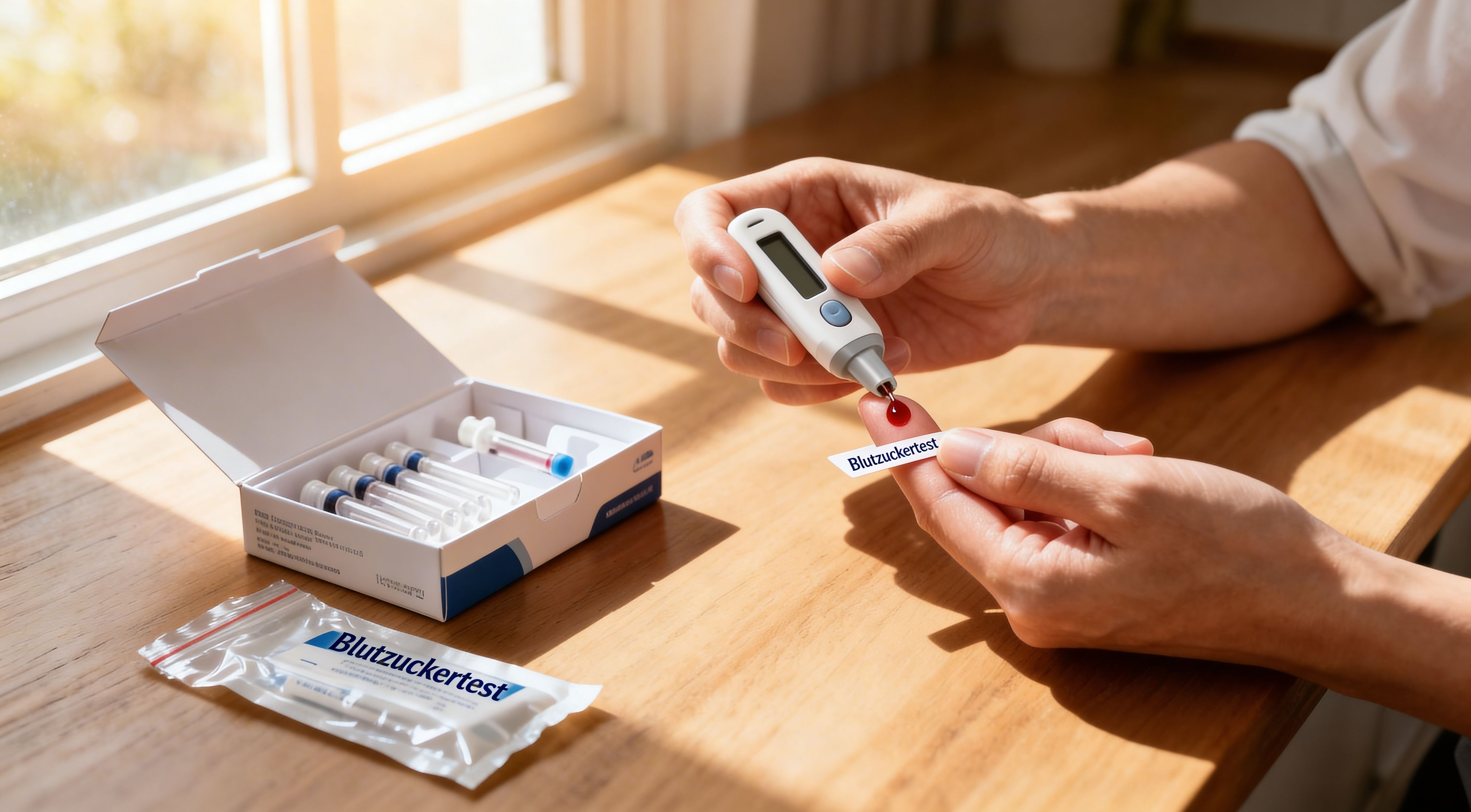
Do a blood test yourself: A practical guide to your well-being
A blood test yourself? What sounded like science fiction a few years ago is now easy for anyone to do. With modern at-home tests, such as those we offer at mybody-x.com, you can easily check important health values from the comfort of your own home. The aim is not to replace a comprehensive medical blood test, but to provide targeted answers to your personal health questions and help you understand your body better.
What at-home blood tests can really do
The idea of checking important health markers yourself is incredibly practical. Do you often feel tired, struggle with skin problems, or simply want to make sure your diet is providing you with optimal nutrition? This is where the idea of doing a “blood test yourself” comes in.

But what exactly does that mean? It is important to understand that an at-home test does not replace a complete blood count performed by a doctor to diagnose serious illnesses. Instead, these are specialized analyses that provide targeted insights into specific areas of your health.
Targeted insights instead of a general check-up
A conventional complete blood count, such as the one performed by your doctor, focuses primarily on the different blood cells—red and white blood cells as well as platelets. This is essential for detecting infections, anemia, or other serious conditions.
An at-home blood test is not an oracle for every health question. Rather, it is a precise tool that gives you a clear answer to a specific question—for example, whether a nutrient deficiency is draining your energy.
At-home tests from mybody-x.com take a different approach. They focus on specific biomarkers that play a role in your daily well-being. This allows you to find out what might be behind certain symptoms:
- Nutrient levels: Could you be lacking vitamin D, iron (ferritin), or important omega-3 fatty acids?
- Hormonal balance: Could an imbalance of stress hormones such as cortisol be the reason for your constant fatigue?
- Food intolerances: Does your body react sensitively to certain foods such as gluten or lactose?
This focused approach gives you clarity quickly and easily, without having to wait weeks for a doctor’s appointment to get valuable initial insights. If you want to take a deeper dive into what a blood analysis can include, take a look at our comprehensive guide to blood analysis.
The trend toward taking personal responsibility is growing
More and more people want to take active responsibility for their health and learn more about their bodies. This trend is impossible to miss. An interesting development in retail reflects this as well: Since August 2025, major drugstore chains such as dm have been offering blood analyses for self-paying customers in some stores. Offers such as a complete blood count for €9.95 or checks for age-related risks for €16.95 make it clear that demand for easily accessible health tests is rising rapidly. You can read more about this development in this Ärztezeitung article.
At mybody-x.com, we take this one crucial step further. We combine simple at-home sample collection with the high precision of certified German specialist laboratories. So you receive not just raw data, but reliable, meaningful results—including easy-to-understand explanations and specific recommendations that can genuinely help you in everyday life.
Find the right test for your health questions
There isn’t one test that suits everyone. This is an important point to consider when thinking about getting a blood test yourself. Instead of simply measuring without a clear plan, it is much wiser to look for targeted answers to your personal health questions. That is precisely why we at mybody-x.com have divided our tests into different categories: nutrient tests, hormone tests, and intolerance tests.
Are you constantly tired and wondering whether a nutrient deficiency might be the cause? Would you like to know whether your hormone balance is in order? Or do you suspect that certain foods are upsetting your digestion? We’ll now take you through our test categories and show you specifically which test can provide the best answers for you.
Nutrient testing when you feel low on energy
Persistent fatigue, difficulty concentrating, or unexplained lack of motivation—these are often the first signs that your body is missing important building blocks. So before reaching for coffee or energy drinks again, taking a closer look at your nutrient status could provide much more clarity.
Our nutrient tests are specifically designed to uncover such gaps. Imagine struggling through the winter, feeling low and often lacking energy. A classic suspect here would be a low vitamin D level, as our body can barely produce this “sunshine vitamin” itself during winter.
Other important values that often play a role here include:
- Ferritin (stored iron): A deficiency is one of the most common causes of fatigue and paleness, especially in women.
- Vitamin B12: Essential for energy production and the nervous system. Deficiency is more common among people following a vegan or vegetarian diet.
- Omega-3 fatty acids: Important for brain function and keeping low-grade inflammation in the body under control.
A test like this from mybody-x.com gives you a clear picture of which nutrients you should specifically replenish through your diet or with supplements to regain your former energy.
Hormone checks for stress and mood swings
Hormones are essentially the invisible conductors of our bodies. They control everything—from our sleep and mood to our stress levels. When this finely tuned system becomes unbalanced, we often feel it very clearly, but it can be difficult to pinpoint the cause.
Do you feel battered in the morning even though you have actually slept enough? Are you constantly “wired” during the day and simply unable to unwind in the evening? This could indicate an imbalance of the stress hormone cortisol. A hormone test can track your daily cortisol pattern and show whether your body is stuck in constant-stress mode.
A hormone test is like looking into your body’s control center. It helps you understand why you feel the way you do and gives you starting points for finding your balance again.
Other symptoms, such as sleep problems (melatonin) or unexplained weight gain, may also be caused by hormonal imbalances. With a hormone check from mybody-x.com, you get precise data to help you adjust your lifestyle in a targeted way—whether through better stress management, a different diet, or more exercise.
Intolerance tests for digestive complaints
Bloating, stomach rumbling, or skin problems after eating—many people are familiar with these complaints without finding the exact cause. Often, food intolerances are to blame, causing the body to respond to certain food components with a defensive reaction.
Our intolerance tests analyze your immune system’s response to a wide range of foods. Unlike a classic allergy, intolerance symptoms often appear with a delay, making it so difficult to identify the culprit.
A typical scenario: You regularly eat bread, pasta, and muesli and have been struggling with bloating and blemished skin for months. A test for IgG4 antibodies against gluten could provide clarity here. If the result shows an elevated reaction, even trying a gluten-free diet may bring noticeable improvement after a short time.
Choosing the right test is the first and most important step to truly benefit from an at-home blood test. If you're still unsure which test best matches your symptoms, you'll find further guidance in our article “Which test is right for me?”. This ensures that you invest in the analysis that offers genuine added value for your well-being.
How to collect your sample at home successfully
For many people, the idea of performing a blood test themselves initially sounds like a small challenge. But don't worry: With the right preparation and a few simple steps, the whole process is straightforward and safe. The quality of your blood sample is ultimately the decisive factor for an accurate result. That's why we're showing you step by step how to collect your sample correctly using mybody®x's dried blood spot method.
You are in good company, by the way: More than 95 % of our users successfully complete the test on their first attempt. The detailed instructions in every test kit guide you safely through the process.
The right preparation is half the battle
Before you begin, take a moment to create a calm atmosphere. There is no room for haste here. Arrange all the components of your mybody®x test kit clearly on the table in front of you.
The be-all and end-all for a clean result is hygiene. Wash your hands thoroughly with warm water and soap—for at least 20 seconds. The warm water has a practical side effect: It stimulates blood flow to your fingers. Then dry your hands well with a clean towel.
Here are a few more personal tips to really get your blood flowing:
- Rotating your arm: Relax your arm and rotate it from the shoulder for about 30 seconds. This helps move blood into your fingertips.
- Rubbing your hands: Rub your palms together vigorously until they feel noticeably warm.
- Massaging your finger: Gently massage the finger you selected for the sample (the middle or ring finger is best), from the base to the tip.
These little tricks often work wonders and help the blood flow more easily later.
This infographic helps you find the right test based on your symptoms and take the first step.

This is how you can go from general symptoms such as fatigue or digestive problems to a targeted test that can finally provide you with concrete answers.
The technique for a clean sample
Once you’re ready, disinfect the selected fingertip with the alcohol swab provided. This is very important: Let the alcohol air-dry completely. Otherwise, alcohol residue could contaminate your sample and distort the result.
Now comes the small but crucial moment: the prick. Place the lancet firmly against the side of your fingertip and press the trigger. It really is only a brief, barely noticeable prick.
Always wipe away the very first drop of blood with a clean tissue. It often contains tissue fluid, which can interfere with the analysis results. The drops that follow are ideal for your sample.
Now it’s time to fill the marked circles on the dried blood spot card. Keep your hand relaxed and pointing downward, and gently massage your finger from the palm toward the fingertip. Please make absolutely sure not to press directly on or squeeze the fingertip. Excessive pressure mixes the blood with tissue fluid and can even destroy blood cells, making the test results unusable. Instead, let gravity work for you and wait until a nice, large drop has formed, then let it fall onto the card. If you’re looking for more detailed instructions with images, you’ll find further help in our article “How to Perform a Blood Test at Home”.
Proper technique is truly crucial here. Especially when collecting blood samples yourself, small application errors can occur—whether from pressing too hard, working unsafely, or not filling the sample fields completely. Capillary blood from the fingertip is generally somewhat more sensitive than venous blood from the arm, which makes careful sample collection even more important. You can read more about the background and risks of self-tests on meindirektlabor.de. That is exactly why we designed our instructions in such detail—to help everything go smoothly for you.
Packaging and shipping to the laboratory
Once all the circles on the test card are completely filled, put a plaster on your finger. Now leave the blood sample card to air-dry at room temperature for at least two to three hours. Find a clean, dry place protected from direct sunlight and dust.
Important note: Under no circumstances should the card be placed on a radiator or dried with a hair dryer. Heat would destroy the biomarkers in your sample and make analysis impossible.
Once the sample is completely dry, simply put it back into the enclosed, prepaid return envelope. Drop it in the nearest mailbox! Our certified partner laboratories in Germany will take care of the rest and analyze your sample with the utmost precision.
Finally understand your laboratory results
The wait is finally over: Your result report from mybody-x.com is in your inbox. You now hold a wealth of valuable data about your body in your hands. But what do all these terms and numbers really mean? Don’t worry—you don’t need to have completed medical school to decipher your results. We’re your personal translator for “laboratory jargon” and will show you how to use the results for your benefit.

We won’t leave you alone with the technical terms. Together, we’ll go through your mybody-x.com report and explain everything in a way you can apply directly to your everyday life.
How to correctly read your mybody®x report
Your report is deliberately designed to be clear and easy to understand, so you can immediately see what matters most. Each measured value is shown together with your personal result and a so-called reference range.
This reference range is essentially the “normal range” in which most healthy people’s values fall. If your value is within this range, that’s already a good sign. A value above or below it is no reason to panic, but rather a valuable initial indication.
But remember: A laboratory result is always just a snapshot. What matters is considering it in the overall context of your current life situation, how you feel, and any possible symptoms.
From laboratory result to concrete action
The real goal of an at-home blood test is to provide you with actionable insights. Let’s look at two typical examples that could also appear in your report:
Example 1: Low ferritin level Your result shows that your ferritin level (stored iron) is significantly below the reference range. Ferritin is the most important marker for detecting iron deficiency at an early stage.
- What this means: A low level could be the cause of your persistent fatigue, paleness, and concentration problems.
- Your recommended action: Your report will now provide you with specific tips. In most cases, the goal is to incorporate iron-rich foods such as red meat, lentils, or oatmeal into your diet. Combining them with vitamin C is also often recommended (e.g., by having a glass of orange juice with your meal) to improve iron absorption.
Example 2: Elevated cortisol level in the morning You took a hormone test, and your cortisol level in the morning is unusually high. Cortisol is our most important stress hormone.
- What this means: A persistently high level may indicate that your body is under constant stress. This could be the reason for your sleep problems, inner restlessness, or stubborn belly fat.
- Your recommended action: The recommendations here could focus on stress management—for example, through relaxation exercises such as yoga, taking mindful breaks at work, or avoiding your morning coffee on an empty stomach.
A laboratory value is not a verdict but a guide. It shows you where your body currently needs support and gives you the opportunity to take targeted action—often long before serious problems develop.
When you should consult a doctor
The results of your mybody-x.com test are a powerful tool for preventive healthcare and provide information about your health. However, they do not replace a medical diagnosis. If a value deviates significantly from the normal range, you feel unwell, or you are simply unsure, talking to your doctor is always the right next step.
Your results report is the perfect basis for this. Instead of vaguely telling your doctor, “I feel so exhausted,” you can be specific: “My ferritin level is X. Could this explain my fatigue, and what would you recommend?” This precise information helps your doctor quickly assess your concern and initiate targeted measures. If you would like to learn more about everything analyzed in a medical blood test, you can find valuable background information here.
At mybody-x.com, we also make sure you are not left on your own: After receiving your results, you have the option of booking free coaching with our health experts. They will help you understand your values in detail and develop a plan with you for integrating the recommendations into your daily life as effectively as possible. This way, you will be supported every step of the way toward greater well-being.
Why you should know your values: The power of regular testing
Your health is not something you achieve once and then check off. It is an ongoing process, with constant ups and downs. Many changes in the body creep in so quietly that we only notice them when something already starts to hurt or feel off. That is precisely why it is so smart to keep an eye on important health markers—not only when symptoms appear, but long beforehand. Regular blood analyses, which you can easily perform at home with mybody®x tests, are your best ally for this.
You have to think of the body as a finely tuned system. Small imbalances can build up over months or years before revealing themselves as a genuine problem. This is where smart prevention comes in: take countermeasures early instead of facing the consequences later.
Detecting gradual changes in time
The development of type 2 diabetes is a prime example of such gradual processes. The disease does not develop overnight. It is the result of a long phase during which blood sugar metabolism increasingly gets out of balance.
Long before typical symptoms such as constant thirst or frequent urination appear, the first warning signs are already visible in the blood—for example, a slowly rising long-term blood glucose level known as HbA1c.
The figures from Germany show how important early detection is: In 2026, the number of people with type 2 diabetes exceeded 9.3 million. The increase since 2020 is particularly alarming: By 2022, there were 16.3 percent more new cases, especially among people over 50. These data from the German Health Report 2026 make it clear how crucial regular blood glucose checks are for being able to intervene in time.
Prevention means taking control yourself. You are no longer just a passenger on your health journey, but become an active navigator who determines your own course.
Recognizing trends and making achievements visible
A single blood value is always just a snapshot. The real benefits emerge when you monitor your values over a longer period. This allows you to identify personal trends and see in black and white how your lifestyle affects you.
Take your vitamin D level, for example. It is normal for it to drop in winter when there is less sunlight. But how much does it drop for you personally? And can you bring it back into the optimal range in spring? Repeated tests give you a clear, personal answer.
Other values for which regular monitoring is worthwhile:
- Iron status (ferritin): Especially for women with heavy periods or people who follow a vegetarian or vegan diet, checking iron stores every 6 to 12 months is a good idea.
- Hormone balance: Values such as the stress hormone cortisol can change noticeably through better stress management or new sleep routines. A check after 3 to 6 months will show you whether your efforts are paying off.
- Long-term blood sugar (HbA1c): If you change your diet or exercise more, a repeat measurement after around 3 months can already show a significant improvement.
By doing your own blood test—that is, using targeted home tests—you take control. You can see what is working and where you may need to make adjustments. This turns vague health goals into tangible, measurable results. With each analysis, for example from mybody®x, you sharpen your awareness of your body’s signals and actively shape your health.
Home blood tests: What you should know
Are you considering taking a blood test conveniently at home but still have a few questions? That’s completely normal, and many people feel the same way. We’ve collected the most frequently asked questions we receive and answer them here briefly and clearly so you can feel confident.
Are home tests just as reliable as tests at the doctor’s office?
Yes, absolutely. Your sample is analyzed in the same certified medical laboratories in Germany that medical practices use. The laboratory analysis itself is therefore identical and guarantees the highest precision.
The small but important difference lies in how the blood is collected. While a medical practice draws venous blood from the crook of your arm, at home you collect a small amount of capillary blood from your fingertip. To ensure the results are accurate, it is crucial to carry out the procedure correctly. That is exactly why every mybody-x.com test kit includes detailed, illustrated step-by-step instructions that virtually eliminate errors.
In addition, our tests are designed to answer specific questions about your well-being—for example, about nutrient levels or hormones. A complete blood count performed by a doctor often has a broader diagnostic focus to investigate illnesses.
What happens if a value is abnormal or even critical?
Your health comes first for us. If the analysis detects a value that deviates significantly from the normal range or requires medical evaluation, we will make this unmistakably clear in your results report.
Your report always includes clear recommendations on how to proceed. Our tests are intended for information and prevention; they do not replace a medical diagnosis. We always encourage you to discuss any abnormal results with your doctor. The mybody-x.com report is the perfect basis for this conversation because it provides concrete, measurable data.
How secure is my personal health data?
Data protection is non-negotiable for us. We not only strictly comply with the GDPR, but are also ISO 27001 certified—the gold standard for information security.
Your sample is processed in the laboratory solely via an anonymized ID. There is no direct connection to your name or personal data.
Your personal data is stored completely separately from your sample on highly secure servers in Germany. Only you can view your result online using your individual code. We guarantee that your sensitive health data will never be sold to third parties or used for other purposes.
Do I need to fast for the test?
It depends entirely on the test. For many analyses, such as vitamin D or most intolerance tests, you do not need to fast.
For certain values, however, fasting leads to significantly more accurate results. This applies particularly to parameters such as blood sugar (HbA1c) or certain hormones that are affected by eating and drinking.
Don’t worry—you don’t have to guess: The instructions included with every mybody-x.com test kit clearly state whether you need to fast for your specific test and, if so, for how long. Read this section carefully before collecting your sample to ensure a reliable result.
Are you ready to take control of your health metrics and get targeted answers to your questions? At mybody-x.com, you’ll find the right test for your needs—simple, secure, and backed by scientifically sound results. Discover our range now and start your journey toward greater well-being.



Share now:
Analyze your blood test results: Understand your body better
Intolerance test: Find the right test for you