

Cravings for sweets: Understand the causes and finally get them under control
When the craving for sweets takes over
Munich - It is a familiar scenario: The day was long, you actually ate enough, and yet in the evening, an irresistible urge for chocolate, cookies, or ice cream comes over you. We call this feeling—not simply having an appetite, but being driven by an inner compulsion—cravings.
Cravings for sweets affect many people in particular and can not only lead to frustration but also impair long-term health and well-being. In this article, you will learn why cravings occur, what role nutrition, hormones, and your gut play, and what you can do specifically to regain control. We will also look at studies, practical examples, and modern tests that can help you better understand your personal causes.
Definition & Basics: What Exactly Are Cravings?
Cravings are understood as a sudden, very intense desire for specific foods. While “normal” hunger is usually triggered by the body’s need for energy or nutrients, cravings are often the result of an interplay of various factors: fluctuations in blood sugar levels, hormonal influences, psychological stress, or even an imbalance in the gut microbiome. What is striking is that cravings almost always target energy-dense foods containing sugar and fat—an indication that our body is seeking a quick, albeit short-term, source of energy.
Scientifically speaking, cravings are the result of an interplay between:
-
Blood sugar fluctuations
-
Hormonal influences (e.g., insulin, cortisol, ghrelin)
-
Psychological factors (stress, boredom, habits)
-
Genetics & Metabolism
Relevance & Benefits: Why Understanding Cravings Is Worthwhile
Many people regard their cravings for sweets as a harmless habit, even though they are often a serious signal from the body. Recurring cravings can lead not only to weight gain but are also associated with a higher risk of insulin resistance, type 2 diabetes, and cardiovascular disease. At the same time, they negatively affect mood and energy levels, as the rapid rise in blood sugar caused by sweets is always followed by a sharp drop—the familiar “sugar crash.” Those who understand what is behind these episodes can take targeted action and benefit in the long term from more energy, a more stable weight, and a better quality of life.
👉 Learn more about how genetic factors or your metabolism play a role in this in the Metabolism Test Overview.
Types of cravings and their causes
Cravings are not all the same. Some people experience them because their blood sugar is on a roller coaster. Others respond to stress or lack of sleep with cravings for sweets. Women experience stronger cravings during certain phases of their cycle, which is linked to hormonal changes. The microbiome—the community of bacteria in the gut—can also play a major role: Certain bacteria practically “demand” sugar and thereby influence our eating behavior.
For example, if you frequently experience cravings in the evening despite having eaten enough, this often points to blood sugar fluctuations. If they occur in stressful situations instead, cortisol is often the cause—a hormone that increases the appetite for quick sources of energy. This makes one thing clear: To understand cravings, you need to know the cause—and that cause varies from person to person.
Comparison: At-home tests or medical diagnostics?
To identify the reasons behind your cravings, you can use both modern self-tests and medical diagnostics. At-home tests, such as DNA or microbiome analyses, provide personalized insights into your metabolism and gut flora. They are simple, fast, and offer valuable clues as to whether your body is processing nutrients poorly or your microbiome has become unbalanced.
Medical diagnostics, on the other hand, are useful when there is suspicion of specific diseases. For example, a glucose tolerance test at the doctor’s office can show whether insulin resistance is present. While self-tests focus on prevention and lifestyle optimization, medical examinations clearly focus on diagnosis and treatment. Ideally, the two complement each other: With an at-home test, you can gather information that you can then have medically evaluated.
| Criterion | At-home tests (e.g., DNA, microbiome) | Medical diagnostics |
|---|---|---|
| Procedure | Easy to do at home, saliva/stool sample | Blood tests, clinical examinations |
| Cost | 80–300 € | Variable, often covered by health insurance |
| Results | Personalized nutrition tips | Medical findings |
| Goal | Prevention, lifestyle optimization | Diagnosis & treatment |
| Examples | Intolerance test | Glucose tolerance test, blood values |
For quick, practical answers, at-home tests are ideal. For clinical issues, seeing a doctor is the right choice.
👉 You can find an overview of self-tests in the Self-Test Overview.
Practical methods: What can you do about cravings for sweets?
Cravings cannot simply be stopped through discipline, but there are strategies that can help curb them. The first step is to structure your diet so that your blood sugar level remains as stable as possible. You can achieve this by eating regularly, choosing protein-rich meals, and avoiding simple sugars. Getting enough sleep also plays a crucial role: studies show that sleep deprivation increases the release of the hunger hormone ghrelin and intensifies cravings for sweets.
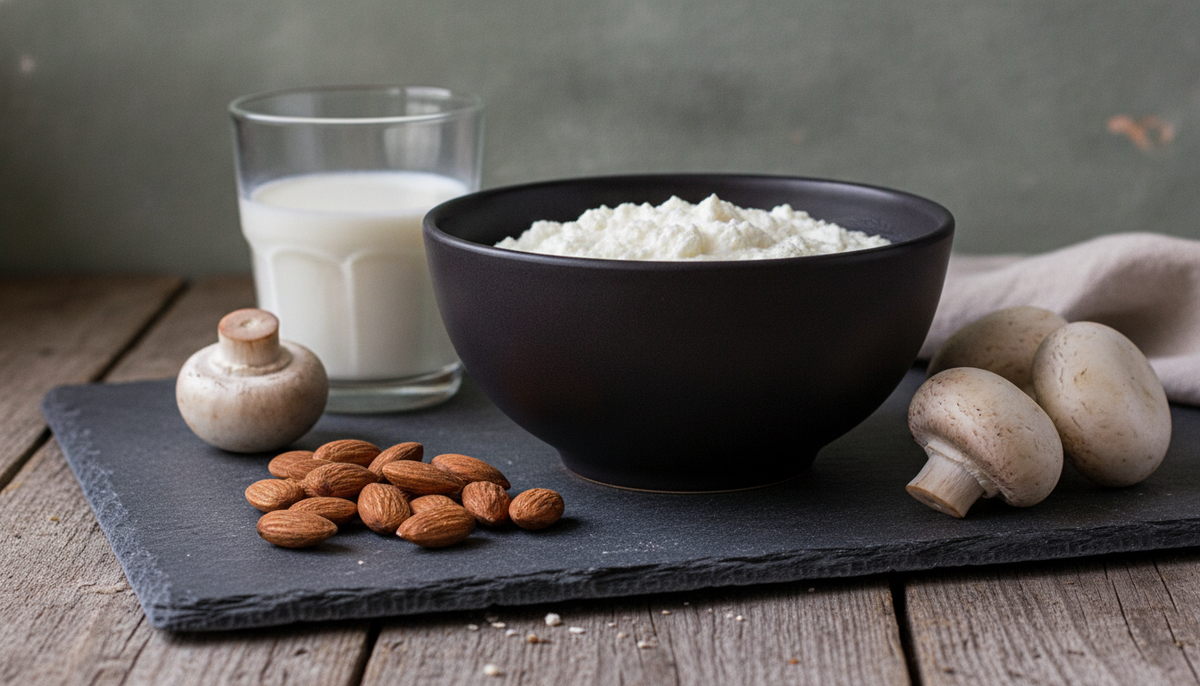
Another approach is to have alternatives on hand. Instead of chocolate, you can eat fruit or a small handful of nuts. While these also provide energy, they keep you full for longer and do not cause extreme blood sugar fluctuations. If cravings overwhelm you in the evening, try warm drinks such as herbal tea or a small portion of yogurt with berries—both satisfy your craving for something sweet without throwing you off balance.
Application for weight loss, health, or lifestyle
Getting sweet cravings under control offers multiple benefits. For weight loss, it means avoiding calorie traps more effectively and making lasting changes to your diet. For your health, it means keeping your blood sugar stable and reducing the risk of metabolic disorders. And for your lifestyle, it means greater peace of mind: no guilty feelings after a chocolate bar, but rather mindful eating that suits you.
👉 Tests such as the microbiome test or an intolerance test can provide support if you want to find out whether intolerances or your gut flora are behind your cravings.
Experiences & Studies
Research on cravings is extensive. A 2018 study by Harvard Medical School showed that people who slept fewer than six hours per night had a 30% higher desire for sweets. In 2020, German scientists found that regular sugar binges can double the risk of insulin resistance. These findings clearly show that sleep, stress, and diet are closely linked to cravings.
Personal accounts confirm this as well. Julia, 29, suffered from evening cravings for years. A microbiome test revealed an imbalance in her gut flora. After making targeted dietary changes, the cravings almost completely disappeared. Thomas, 42, took a DNA metabolism test and discovered that he breaks down fats more slowly. By following a higher-protein diet, he was able not only to lose weight but also to reduce his cravings for sweets.
How It Works: Step by Step Against Cravings
To sustainably control cravings, it helps to take a structured approach. Start by keeping a food diary to identify patterns: Do your cravings always occur at certain times of day? Or after stressful situations? A home test can also provide valuable information. With the results, you can make targeted changes to your diet, sleep, or stress management. Also keep an emergency plan ready—healthy snacks or drinks to help you avoid reaching for chocolate in critical moments.
Health Benefits
Controlling your cravings means more than simply eating less sugar. You gain energy, stabilize your metabolism, and reduce your risk of serious illnesses. At the same time, you benefit from increased self-confidence because you realize that you can actively control your eating habits. Cravings do not have to be your daily companion—they can become a signal to understand your body better and treat it more healthily.
When you understand and control your cravings, you benefit in the long term:
-
Less weight gain
-
More stable blood sugar levels
-
Better mood & energy
-
Lower risk of diabetes & heart disease
-
Greater self-control & well-being
FAQ – Frequently Asked Questions
What can I do about cravings?
Eating regularly, getting enough sleep, and taking stress-reducing measures are the most effective methods.
What can I do about evening cravings?
Light, protein-rich snacks such as yogurt or cottage cheese, as well as hot drinks, are better than sweets.
What can I do about cravings for sweets?
Fresh fruit, nuts, or a small portion of dark chocolate are good alternatives.
Why am I always craving sweets?
Blood sugar fluctuations, stress, or an imbalance in the gut are often the cause.
What should I eat when I have evening cravings?
Fiber-rich, light foods such as vegetables or protein-rich snacks are best.
Case Study / Personal Experience
Sandra, 37, had an unstoppable craving for sweets every evening after dinner. A DNA test showed that her body broke down carbohydrates particularly quickly, which led to significant blood sugar fluctuations. After switching to meals higher in protein and creating a clear emergency plan with healthy snacks such as yogurt and berries, her cravings almost completely disappeared. Within three months, she was not only able to lose 5 kg but also felt more stable and energetic overall.
Conclusion: Your Way Out of the Sugar Trap
Cravings for sweets are not a sign of a lack of discipline, but rather a complex interplay of metabolism, hormones, stress, and habits. With knowledge, self-observation, and the right tools, you can successfully get them under control. See cravings as a signal from your body—and use them to make targeted improvements to your lifestyle.
👉 Discover the right tests now to help you understand the causes: MyBodyX Homepage.


Share now:
Skin & Genes: Why Your DNA Determines Acne, Wrinkles, and Glow
Sleep & Genes – Why You’re Tired Despite 8 Hours of Sleep and How a DNA Test Helps