
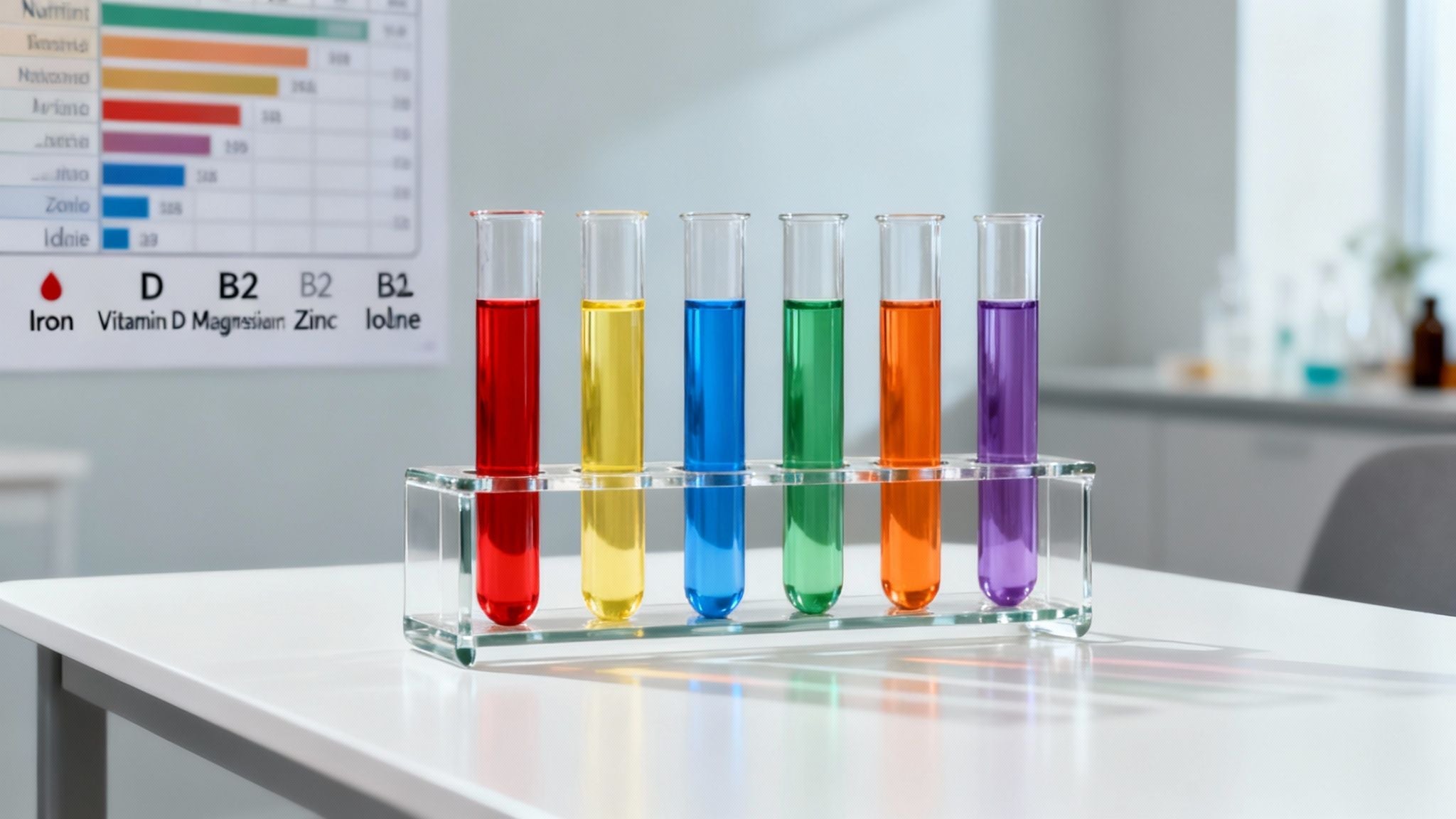
Recognize nutrient deficiency symptoms and address them effectively
Do you often feel tired or unfocused, or have you recently noticed changes to your skin and hair? We are quick to blame such general complaints on stress or a hectic daily routine. Yet they are often the first, subtle signals from your body indicating a deficiency of important vitamins and minerals.
When your body calls for help
Imagine your body as a finely tuned orchestra. If even a single instrument is missing, the entire melody starts to falter. The symptoms of a nutrient deficiency are often so nonspecific at first that you can easily overlook them. You may simply no longer feel as fit as usual, become exhausted more quickly, or suddenly find it harder to concentrate.
These early signs are more than just minor everyday complaints. They are your body's way of telling you that it is missing something important. Learning to interpret these signals correctly lays the foundation for greater energy and well-being.
The following infographic shows you how early signs such as fatigue and a dull complexion can manifest.
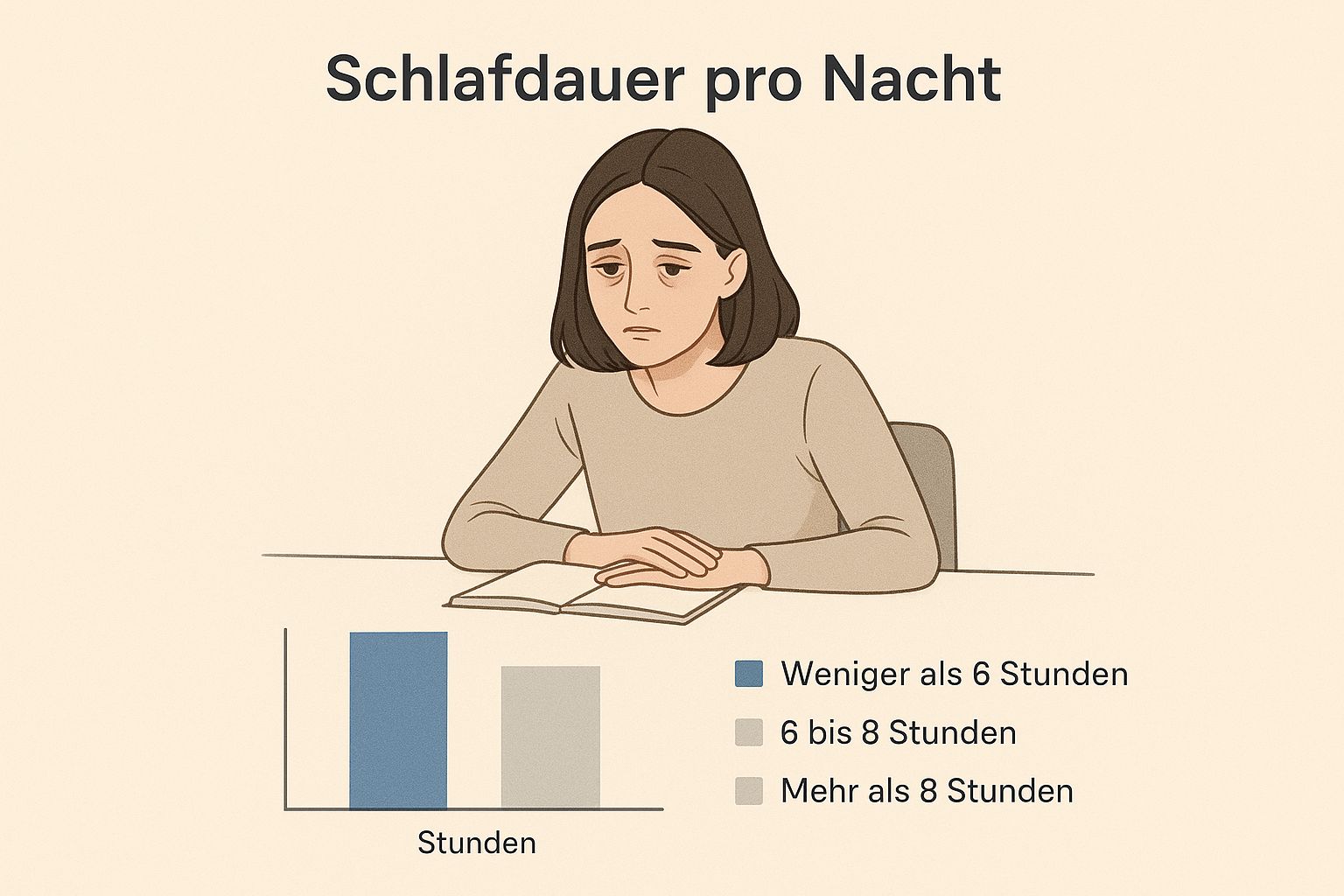
Such visual clues can be the first step toward getting to the bottom of the underlying causes of your symptoms.
Why early detection is so important
If you ignore these initial warnings, the deficiencies can worsen over time and lead to more pronounced problems. The most common nonspecific symptoms that may indicate a nutrient deficiency include:
-
Persistent fatigue and weakness: Despite getting enough sleep, you constantly feel completely drained.
-
Poor concentration and forgetfulness: Everyday tasks suddenly seem more difficult than usual.
-
Changes to the skin, hair, and nails: Dry skin, hair loss, or brittle nails may be the first warning signs.
-
Increased susceptibility to infections: You get sick more often because your immune system is no longer working at full capacity.
A mild deficiency often manifests only through very general complaints. The key is to interpret these signals correctly and not simply dismiss them as “normal.”
Understanding what is behind these symptoms is the first and most important step toward feeling better. Instead of groping in the dark and trying out various supplements at random, a targeted analysis gives you certainty. A mybody®x at-home nutrient test provides a reliable basis for finding out what your body is really lacking. This allows you to take targeted action and replenish your stores.
How a nutrient deficiency develops in the first place
A nutrient deficiency rarely appears out of nowhere. It is usually a gradual process that develops over weeks and months—often unnoticed. Imagine your body is like a bank account: if you constantly withdraw more than you deposit, it will eventually be empty. That is exactly when the problems begin.
The most common cause is obvious: an unbalanced or one-sided diet. If you mainly eat processed foods or neglect fresh fruit and vegetables, you risk nutritional gaps in the long run. Important vitamins and minerals simply fall by the wayside.
But consciously chosen diets can also become a trap if they are not well planned. A vegetarian or vegan diet can absolutely be healthy, but it requires some planning. Otherwise, deficiencies in vitamin B12, iron, or omega-3 fatty acids can develop quickly.
More than what’s on the plate
But sometimes the problem is not the diet, but the body itself. You may be consuming enough nutrients, but your body may not be able to absorb or utilize them properly.
There can be various causes behind this:
-
Digestive problems: Chronic intestinal diseases such as Crohn’s disease or celiac disease can severely impair the absorption of nutrients.
-
Certain medications: Taking acid blockers or certain antibiotics over a long period can interfere with the utilization of vitamins and minerals.
-
Lifestyle factors: Persistent stress is a real nutrient drain—especially magnesium and B vitamins are used up at a rapid rate. Regular alcohol consumption also blocks the absorption of many important substances.
Malnutrition is a problem in Germany that often goes overlooked. The Federal Statistical Office shows that around 25% of the more than 11 million hospital patients are malnourished or at high risk of malnutrition. That is almost 2.8 million people for whom a nutrient deficiency is often associated with chronic diseases. You can find out more in the malnutrition statistics on trinknahrung.pro.
When the body suddenly needs more
There are phases in life when our body is working at full capacity and simply has higher needs. That is completely normal, but it needs to be taken into account in our diet.
Typical situations involving increased needs include:
-
Pregnancy and breastfeeding: During this time, the body accomplishes incredible things and requires more folic acid, iron, and iodine.
-
Intense exercise: Those who train a lot need more magnesium, zinc, and protein for muscle recovery.
-
Growth phases: Growing children and adolescents have an enormous need for nutrients to develop healthily.
-
Advanced age: As we age, the body’s ability to absorb nutrients decreases. At the same time, the need for vitamin D and B12 often increases.
All these factors show how quickly an imbalance can develop. The symptoms are often the final warning sign. With a mybody®x nutrient test, you can detect potential deficiencies early—before serious symptoms become noticeable.
The signs of iron deficiency—how to identify them specifically
Do you often feel tired and lacking in motivation even though you have actually had enough sleep? Are you completely out of breath after just a few flights of stairs? These could be more than everyday symptoms—they are classic signs of iron deficiency, the most common nutrient deficiency worldwide.
Iron is an absolutely vital trace element because it is the central building block of hemoglobin, our red blood pigment. You can think of it as a taxi that transports oxygen through our blood. When iron is lacking, not enough of these “oxygen taxis” can be built. The result: Your cells do not receive enough oxygen, and you feel this throughout your entire body.

This lack of oxygen can manifest in many nonspecific symptoms, which often makes it difficult to identify correctly. Women of childbearing age, endurance athletes, and people who follow a vegetarian or vegan diet are particularly at risk.
Your body’s typical warning signs
Iron deficiency usually develops gradually. At first, you may only notice that your performance is declining somewhat. But over time, the signs become increasingly clear. Listen carefully to whether your body is sending you these signals:
-
Persistent tiredness and exhaustion: This is by far the most common symptom. You simply feel weak and lacking in energy, even after a long night’s sleep.
-
Pale skin and mucous membranes: A quick look in the mirror or at the inside of your eyelids can already provide a clue. If the red blood pigment is lacking, you lose your healthy complexion.
-
Shortness of breath during exertion: Your body tries to compensate for the lack of oxygen by breathing faster. As a result, you quickly become out of breath even with minor exertion.
-
Concentration problems and headaches: Your brain also suffers from insufficient oxygen supply. This can manifest as difficulty concentrating and frequent headaches.
Less well-known but important signs
In addition to these classic symptoms, there are other, often overlooked signs that may indicate depleted iron stores. They should be taken just as seriously.
These include, for example:
-
Hair loss: If your hair is becoming thinner or you find more of it in your brush than usual, this may be a sign of chronic iron deficiency.
-
Brittle nails with ridges: Vertical ridges or even a spoon-shaped deformation of the fingernails, known as koilonychia, often appear.
-
Cracked corners of the mouth (angular cheilitis): Painful cracks at the corners of the mouth that simply refuse to heal are also a typical sign.
Iron deficiency is by no means only an issue for adults. A study by the Robert Koch Institute (RKI) shows that one in four girls between the ages of 14 and 17 is affected, often showing symptoms such as paleness and rapid fatigue.
The variety of symptoms makes one thing clear: Self-diagnosis is truly difficult in this case. The signs can point to so many other health problems. Only a targeted blood test can provide real clarity.
If you recognize several of these symptoms in yourself, you should definitely get to the bottom of the issue. A mybody®x nutrient test can show you easily and reliably from home whether your iron stores are actually depleted. Would you like to explore the topic in more depth? Then also read our article about what iron deficiency actually is and how it develops. This will help you make informed decisions and take targeted action to regain your energy and well-being.
What your body is telling you about a vitamin D and B12 deficiency
In addition to iron deficiency, deficiencies in vitamin D— the famous “sunshine vitamin”—and vitamin B12 are particularly widespread. The tricky part is that the signs are often so vague that you quickly dismiss them as everyday stress or a temporary low mood. We’ll show you what to look out for so you can detect a deficiency early.
Although both vitamins perform very different functions in the body, they are equally indispensable. Vitamin D ensures strong bones and a healthy immune system, while vitamin B12 plays a central role in our nerves and blood formation. A deficiency can therefore manifest itself in many different ways.

When the sunshine vitamin is missing: Symptoms of a vitamin D deficiency
Especially in our latitudes, vitamin D deficiency is not uncommon, particularly during the dark months. Between October and March, sunlight in Germany is simply too weak for our skin to produce enough vitamin D.
Unfortunately, the typical signs of a deficiency are often nonspecific. Take a moment to check in with yourself:
-
Increased susceptibility to infections: Do you constantly have colds and feel like you catch every wave of illness?
-
Muscle weakness and aching limbs: Do your muscles often feel weak, or are you plagued by unexplained bone pain?
-
Fatigue and depressive moods: Persistent lack of motivation or a low mood can also indicate depleted vitamin D stores.
Estimates suggest that around 75% of the population in this country has an inadequate vitamin D supply, which is often directly due to a lack of sunlight. You can find more fascinating facts about the prevalence of vitamin deficiencies on zentrum-der-gesundheit.de.
Recognizing the signs of a vitamin B12 deficiency
Vitamin B12 is found almost exclusively in animal-based foods. This means that vegans, vegetarians, and older people whose intestinal absorption decreases are particularly at risk of developing a deficiency.
The symptoms of a vitamin B12 deficiency often affect the nervous system because the vitamin protects the nerve pathways. That is precisely why it is so important to take the first signs seriously.
Look out for these warning signs from your body:
-
Tingling or numbness: A sensation like “pins and needles” in your hands and feet is a very typical symptom.
-
Memory and concentration problems: You often feel forgetful, unfocused, and somehow out of sorts.
-
Persistent exhaustion and weakness: Unexplained tiredness that goes far beyond normal levels can also be a sign.
Since the nutrient deficiency symptoms of vitamin D and B12 are so varied and easy to confuse with other conditions, a blood analysis is the only way to obtain genuine clarity. If you want to explore the topic in greater depth, read our detailed guide on vitamin B12 deficiency and its consequences. A mybody®x nutrient test can quickly and easily show you whether your nutrient stores are well filled or whether you should take action.
Other important nutrient deficiencies in detail
In addition to iron, vitamin D, and B12, there are many other nutrients whose absence can have a significant impact on your well-being. However, the symptoms are often so commonplace that we do not associate them with our diet in the first place. This section is therefore intended to serve as a practical reference guide to other important nutrient deficiency symptoms.
Here, we take a closer look at what happens in your body when you lack magnesium, zinc, iodine, and folic acid. This will help you interpret your body's signals even better and identify certain symptoms more quickly.
Magnesium deficiency: When the muscles and nerves go on strike
Magnesium is something like the anti-stress mineral for our body. It is involved in more than 300 involved in metabolic processes and therefore essential for relaxed muscles, strong nerves, and balanced energy levels. It is no wonder, then, that a deficiency often manifests itself through highly noticeable physical and psychological signs.
Typical symptoms of magnesium deficiency include:
-
Muscle cramps and tension: The classic symptom is nighttime calf cramps. But a twitching eyelid or persistent tension in the neck and shoulder area can also be a clear sign.
-
Inner restlessness and nervousness: Do you often feel tense for no apparent reason, become irritable easily, or feel nervous? Magnesium deficiency can significantly increase your susceptibility to stress and throw you off balance.
-
Sleep disturbances and exhaustion: If you have trouble winding down in the evening, cannot fall asleep, or often wake up during the night, your body may be lacking precisely the mineral that promotes the necessary relaxation.
Interestingly, certain nutrient deficiencies, such as a lack of magnesium or vitamin B2, are also discussed in connection with migraine symptoms.
Zinc deficiency and its consequences for the skin and immune system
Zinc is a true all-rounder—especially important for your immune system, skin, and wound healing. A deficiency weakens your defenses and often becomes clearly visible in your outward appearance. Since the body cannot store zinc, you depend on getting a regular supply through your diet.
Look out for these warning signs from your body:
-
Weakened immune system: You are constantly ill, and every cold seems to drag on forever.
-
Skin problems and poor wound healing: Dry skin, acne, or small scratches that simply refuse to heal can indicate a zinc deficiency.
-
Brittle nails and hair loss: White spots on your fingernails, brittle nails, or thinning hair are also common signs.
Iodine and folic acid—often underestimated, but essential
Iodine is the most important building block for your thyroid hormones, which in turn control your entire metabolism. A deficiency can therefore have far-reaching consequences and essentially cause your body to run on low power.
Iodine deficiency often manifests as unexplained fatigue and the feeling of being cold all the time. Your concentration decreases, and you feel unmotivated.
Folic acid (vitamin B9) is also absolutely essential, especially for cell division and blood formation. A deficiency does not only affect pregnant women—it can cause problems for anyone. Typical signs include paleness, persistent fatigue, and an inflamed tongue.
Quick overview of other nutrient deficiency symptoms
To help you better distinguish between the symptoms of various nutrient deficiencies, the following table gives you a quick overview.
|
Nutrient |
Important function in the body |
Typical deficiency symptoms |
|---|---|---|
|
Magnesium |
Muscle and nerve function, energy metabolism |
Muscle cramps, inner restlessness, sleep disorders |
|
Zinc |
Immune system, skin health, wound healing |
High susceptibility to infections, skin problems, brittle nails |
|
Iodine |
Production of thyroid hormones, metabolism |
Fatigue, feeling cold, concentration problems, weight gain |
|
Folic acid |
Cell division, blood formation, growth processes |
Paleness, exhaustion, inflamed tongue |
If you recognize yourself in several of these symptoms, a mybody®x nutrient test could be the right next step for you. It gives you clarity about which nutrients your body is actually lacking, so you can take targeted and effective action.
Stop guessing: Here’s how to gain clarity about your nutrient status
Do you recognize yourself in some of the nutrient deficiency symptoms described? Then it’s completely understandable that you’re concerned and want to take action. In this situation, many people quickly turn to multivitamin supplements from the drugstore, hoping they’re doing the right thing. But that’s often like taking a shot in the dark—you don’t know what your body is actually lacking or whether this will address the root of the problem at all.
Self-diagnosis can quickly lead you astray. The symptoms are simply too nonspecific and can overlap considerably. Fatigue? It may indicate iron deficiency, but could just as easily be due to a deficiency in vitamin B12, magnesium, or vitamin D. Without a precise blood analysis, it’s impossible to identify the true cause.
Why Guesswork Is Not the Answer
Taking random supplements on a whim is useless at best and may even be harmful at worst. An overdose of certain nutrients, such as fat-soluble vitamins or minerals like iron, can put strain on your body and further disrupt the delicate balance of your nutrient levels.
The only reliable way to identify a nutrient deficiency with certainty and understand its exact extent is through targeted blood analysis. This is the only way to establish a sound basis for making the right decisions for your health.
Instead of guessing, you can take targeted action based on reliable data. This not only saves money on unnecessary pills and powders, but also gives you the confidence that you’re giving your body exactly what it really needs right now.
Your path to certainty—right from home
Fortunately, you no longer have to wait weeks for a doctor’s appointment for an analysis like this. With a modern at-home self-test, you can check your levels easily, quickly, and discreetly.
That’s exactly what the mybody®x Nutrient Test was developed for. It gives you a convenient way to finally gain clarity about your personal nutrient status.
The process couldn’t be easier and is suitable for everyone:
-
Order the test kit: Everything you need will be conveniently delivered to your home by mail.
-
Collecting the sample: Use a small lancet to draw a few drops of blood from your fingertip. It’s quick and really easy.
-
Free return shipping: Send your sample in the enclosed return envelope to our certified specialist laboratory in Germany.
-
Receive an easy-to-understand report: After just a few days, your results will be available online in an easy-to-understand report that shows you exactly where potential deficiencies may be hiding.
With these specific results in hand, you can adjust your diet accordingly and, if necessary, choose the right supplements in the appropriate dosage. If you would like to learn more about how such a test works and which values are analyzed, you can find all the details in our comprehensive guide to the nutrient deficiency test. Take control of your health—based on facts, not assumptions.
Your plan for a diagnosed nutrient deficiency
A confirmed deficiency is no reason to panic, but rather your opportunity to take active steps for your health. When your blood test shows you exactly where the problem lies, you can take targeted action. Simply view the result as your personal roadmap back to greater energy and well-being.
The first and most important step is always to adjust your diet. Why? Because your body can best absorb and utilize nutrients from natural foods. So instead of blindly reaching for just any capsules, you should deliberately enrich your meal plan with the right nutrient sources.
Diet as the foundation of your treatment
A conscious and balanced diet is the absolute foundation for replenishing your depleted stores. Each nutrient has its own powerful sources that you can easily incorporate into your everyday life.
Here are a few specific examples of common deficiencies:
-
For iron deficiency: Choose red meat such as beef, as well as plant-based sources like lentils, chickpeas, and spinach. Combining these with vitamin C (e.g., from bell peppers or a glass of orange juice) is especially important, as it greatly improves iron absorption from plant-based foods.
-
For vitamin D deficiency: Fatty fish such as salmon, herring, and mackerel are excellent natural sources. Mushrooms and egg yolks also provide some vitamin D. However, the most important source remains the sun, so spending regular time outdoors is essential.
-
For magnesium deficiency: Include nuts (especially almonds and cashews), seeds (sunflower and pumpkin seeds), whole-grain products, and legumes in your meals. Even a handful of nuts a day can make a noticeable difference.
If you would like to explore this topic in more depth, take a look at our guide. It explains what you should eat if you have an iron deficiency to properly replenish your stores again.
When supplementation makes sense
Sometimes changing your diet alone is not enough to get a pronounced deficiency under control quickly. Especially when nutrient deficiency symptoms are already severe or your needs are increased for certain reasons, targeted supplementation can be absolutely necessary.
But be careful: Supplementation should never be based on mere guesswork. Only the results of a reliable blood test, such as the mybody®x nutrient test, give you the confidence to choose the right product at the right dosage.
Supplementation is especially a good idea in these cases:
-
In the case of a severe, confirmed deficiency: When your stores are truly depleted, it often simply takes too long to replenish them through diet alone.
-
In cases of increased requirements: During pregnancy, intensive competitive sports, or certain phases of illness, your body often needs more than even the best diet can provide.
-
In cases of absorption disorders: Chronic intestinal diseases or taking certain medications can block nutrient absorption. In such cases, supplementation becomes unavoidable.
Your mybody®x test result provides the perfect basis for deciding together with a specialist whether supplements are right for you and, if so, which ones. This ensures that your body gets exactly what it needs for your vitality.
Any more questions? Here are the answers
There is a lot of uncertainty surrounding nutrient deficiencies. We have collected the most frequently asked questions for you and provide clear, easy-to-understand answers here to help you in everyday life.
How quickly will I notice that things are improving?
This is one of the most frequently asked questions—and the answer is: it depends. The nutrient, the severity of your deficiency, and your own body all play the leading roles here.
With a mild iron deficiency, you often feel noticeably fitter and more energetic again after just a few weeks. Vitamin D, on the other hand, requires more patience. It can take several months for your stores to be replenished and for you to notice, for example, that you are less susceptible to infections. The key here is consistent intake at the correct dosage.
To take targeted and effective action, a blood test like the one from mybody®x provides the best foundation. It shows you in black and white where you need to start.
Is a healthy diet enough to prevent a deficiency?
A balanced, nutrient-rich diet is and remains the best form of prevention. For many people, that is entirely sufficient. However, there are situations and stages of life when the body simply needs more—just think of pregnancy, breastfeeding, or intensive competitive sports.
Certain chronic conditions can also impair nutrient absorption in the intestines. Those who follow a vegan diet (especially regarding vitamin B12) or get very little sunlight in winter (vitamin D) should also remain vigilant. A test gives you certainty about whether your diet alone is truly sufficient or whether you should take targeted action.
Do men and women experience different symptoms?
Some signs are very similar in both sexes. Everyone whose reserves are depleted may experience fatigue, difficulty concentrating, or a general lack of energy. Nevertheless, there are clear differences.
Women are significantly more susceptible to iron deficiency simply because of their monthly periods, which often manifest through paleness and extreme exhaustion. Hormonal fluctuations can also influence the symptoms. That is why it is so important to consider your individual symptoms and risk factors—there is no one-size-fits-all answer here.
Important to know: A nutrient deficiency often develops gradually over months or even years. Many symptoms only become noticeable once the body's reserves have already been severely depleted.
Does a nutrient test make sense even without symptoms?
Yes, absolutely! Many deficiencies cause no clear symptoms for a long time. Perhaps you just feel slightly less capable than usual or are tired more often, but attribute it to everyday stress.
A test can serve as valuable preventive care here. It helps you identify deficiencies early, before they seriously affect your health and well-being. This allows you to take proactive measures and maintain your vitality in the long term, instead of only reacting when you already feel unwell.
Are you ready to gain clarity about your nutrient levels and take control of your health? With mybody®x blood tests, you can easily and reliably find out what your body is really lacking. Discover the right test for you at mybody-x.com now.



Share now:
Vitamin C for the skin and your radiant complexion
Boost fat burning: 8 simple tips that really work