

Low-fat diet: Your guide to greater well-being
A low-fat diet initially means simply consciously reducing your daily fat intake—generally to around 30% of total calories. But be careful: this is not about eliminating fat from your diet completely. Instead, you learn to deliberately prioritize healthy fats and leave the unhealthy ones aside. The goal? To support your health, whether through weight management or by maintaining a strong heart.
What a low-fat diet really means
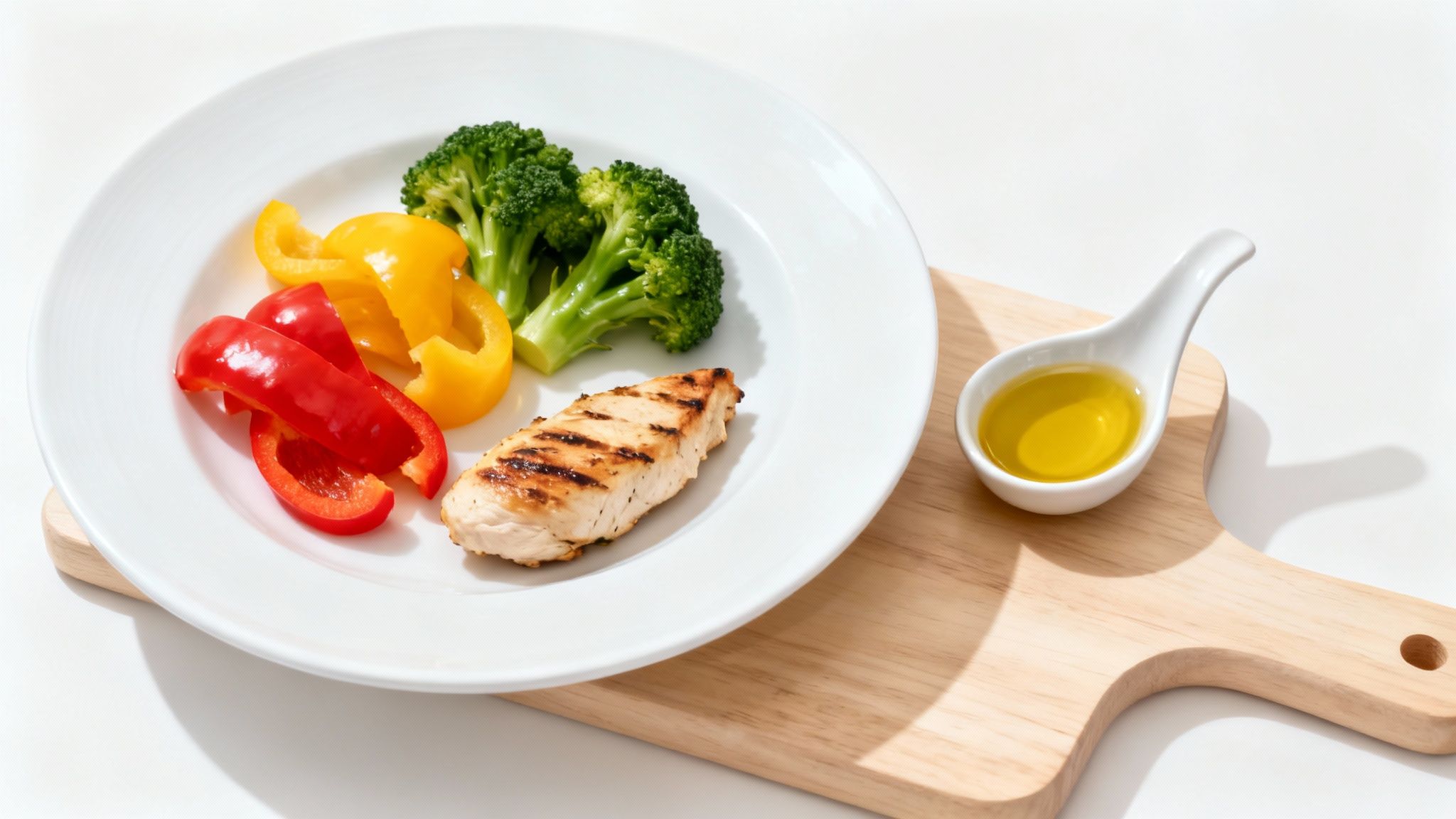
You have probably heard the term “low fat” countless times, usually in connection with diets that promise quick results. But what is really behind it? A low-fat diet is much more than a short-lived trend—it is a conscious approach to promoting your long-term health.
Imagine your body as a high-quality engine. It needs oil to run smoothly, but the quality and quantity are crucial. The same is true of the fats in your diet. They are essential building blocks, but too much—especially of the wrong kind—can quickly make the engine sputter.
More than just counting calories
The essence of a smart low-fat diet lies not in strict abstinence, but in intelligent substitution. It is about developing an understanding that fats perform very different roles in your body. Some protect your heart and brain, while others can promote inflammation and strain your blood vessels.
This dietary style helps you recognize which foods truly nourish you and which tend to hold you back. Instead of viewing fat as the enemy, you learn to see it as a valuable ally—provided you choose wisely.
The key is not to blindly minimize fat intake, but to optimize it. Making conscious choices about fats can improve your blood lipid levels, lower your risk of cardiovascular disease, and help you achieve and maintain a healthy body weight.
The three cornerstones of a low-fat diet
To make the concept more tangible, imagine it as being built on three simple principles:
- Reducing the overall amount: Daily fat intake is limited to a certain percentage of calorie intake, usually around 30%.
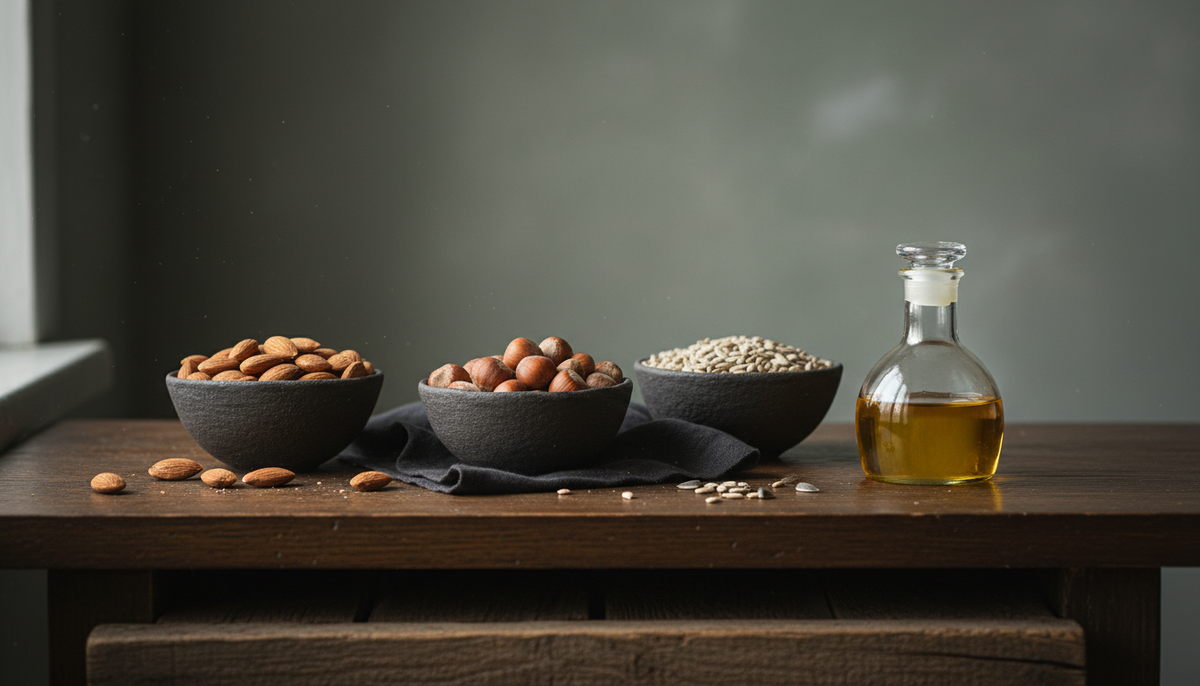
- Focus on quality: Unsaturated fats from plant-based sources such as avocados, nuts, and high-quality oils are clearly preferred.
- Avoiding unhealthy fats: Saturated fats from animal products and highly processed foods, as well as trans fats, are significantly restricted.
So it is not a rigid set of rules, but rather a flexible guide. You will learn to read nutrition labels, uncover hidden fats, and prepare dishes that are light yet still filling.
To better understand the basics of macronutrients, you can also read our article on the roles of fat, carbohydrates, and protein. In the next sections, we will take a close look at how you can easily integrate these principles into your everyday life.
How eating less fat improves your health
Choosing to pay more conscious attention to your fat intake is about much more than just a weight-loss strategy. It is a powerful lever that allows you to actively shape and protect your overall well-being in the long term. To understand why this is the case, we need to look at what actually happens in your body.
Fat is not just a source of energy. It is a fundamental building block of your cell membranes, a means of transporting important vitamins (A, D, E, K), and the basis for hormone production. Your body therefore absolutely needs fat—but as is so often the case in life, the right amount and, above all, the quality are what matter.
The path of fat through your body
Imagine eating a meal that contains fat. In the small intestine, this fat is broken down into tiny building blocks: fatty acids and glycerol. These are then absorbed by intestinal cells and packaged into special “transport packages” called lipoproteins. These packages travel through your bloodstream to either provide energy directly or be stored in fat cells for later.
This is exactly the crux of the matter: When you consistently provide your body with more energy in the form of fat than it uses, your stores keep getting fuller. You can see the result not only on the scales—it also affects invisible but crucial processes inside your body.
Excess weight and its hidden consequences
A high body fat percentage is not merely an aesthetic issue; it places a serious burden on your entire body. It increases the risk of a wide range of health problems that can significantly affect your quality of life:
- Cardiovascular system: Your heart has to work harder to pump blood through your body. This can drive up your blood pressure.
- Metabolism: Being overweight can lead to insulin resistance. In this condition, your cells no longer respond properly to the hormone insulin—a classic precursor to type 2 diabetes.
- Joints: Every additional kilogram of body weight puts pressure on your joints, especially your knees and hips. This can lead to premature wear and tear and pain.
A mindful low-fat diet helps you maintain a healthy energy balance. By reducing your intake of calorie-dense fat, you make it easier for your body to achieve or maintain a healthy weight. This protects it from the far-reaching consequences of being overweight.
Cholesterol and the health of your blood vessels
Another key point is the impact of dietary fats on your cholesterol levels. An excess of saturated fats and trans fats in particular can increase the level of “bad” LDL cholesterol in the blood. Unfortunately, this LDL cholesterol tends to build up on the inner walls of your arteries.
These deposits, also known as plaques, can narrow and harden the blood vessels over time—a process known as atherosclerosis. This significantly increases the risk of heart attacks and strokes. If you want to explore the topic in greater depth, take a look at our comprehensive guide on how you can lower your cholesterol levels through the right diet.
In Germany, many recommendations are based on the guidelines of the German Nutrition Society (DGE). It recommends that a maximum of 30% of daily calories should come from fat. With a requirement of 2,000 calories, this corresponds to around 67 grams of fat per day. This approach aims to prevent overweight without compromising the intake of essential fatty acids and fat-soluble vitamins.
Weight control is, by the way, a universal health principle. Weight control is also an important issue in the animal world, as demonstrated, for example, by special weight-control food for dogs.
Distinguishing good fats from bad fats
To make a low-fat diet truly successful, it takes far more than simply reducing fat. The key point is: not all fat is created equal. Think of it like a large family: some members support and strengthen you, while others tend to hinder your well-being. This distinction is the key.
When you learn to distinguish the “good” fats from the “bad” ones, your diet transforms from a simple calorie hunt into targeted nutrient optimization. You then give your body exactly what it needs for its most important tasks—from cellular health to hormone production.
The heroes of your diet: unsaturated fats
The absolute stars in the world of fats are unsaturated fatty acids. They are your heart's best friends and the bodyguards of your cells. This group can be divided into two important categories:
-
Monounsaturated fatty acids: Think of olive oil, avocados, or almonds. These fats help lower harmful LDL cholesterol while keeping “good” HDL cholesterol stable. True team players for your blood vessels.
-
Polyunsaturated fatty acids: These include the famous omega-3 and omega-6 fatty acids. You can find them in fatty fish such as salmon, as well as in flaxseeds and walnuts. Omega-3 in particular is known for its anti-inflammatory properties and its support of brain function.
These fats are essential. This means your body cannot produce them itself and relies on you to provide them through your diet. They are the foundation of a healthy low-fat diet.

This graphic makes it clear: A diet rich in the wrong fats can quickly lead to overweight, unfavorable cholesterol levels, and an increased risk of cardiovascular disease.
The opponents: saturated and trans fats
On the other side of the scale are the fats you should consume more sparingly. Think of them as the contacts on your friends list who simply aren't good for you in the long run.
Saturated fatty acids are found mainly in animal products such as fatty meat, sausage, butter, and full-fat dairy products. But they are also found in some plant-based fats, such as coconut or palm fat. In moderation, they are not inherently harmful, but consuming too much has been linked to an increase in harmful LDL cholesterol levels.
A simple rule of thumb can help you remember: Saturated fats are usually solid at room temperature (like butter or coconut fat), while unsaturated fats are liquid (like olive oil).
Things get particularly problematic, however, when it comes to trans fats. These industrially hardened fats lurk in many processed foods, baked goods, fast food, and fried foods. They are the worst enemies of your heart health because they send harmful LDL cholesterol soaring while simultaneously lowering protective HDL cholesterol.
Trans fats are often well hidden and aren’t always recognizable at first glance. If you’d like to know more about how to identify them, take a look at our article on what trans fats are and why they’re so harmful to you.
Overview of fat types and their sources
This table helps you distinguish good fats from bad fats and shows which foods contain them.
| Type of fat | Effects on the body | Typical foods |
|---|---|---|
| Unsaturated fats | Beneficial for the heart, blood vessels, and brain; anti-inflammatory | Avocados, nuts, seeds, olive oil, rapeseed oil, salmon, herring |
| Saturated fats | May increase LDL cholesterol when consumed in large amounts | Fatty meat, sausages, butter, cheese, cream, coconut fat, palm oil |
| Trans fats | Significantly increase LDL cholesterol and lower HDL cholesterol | Ready meals, baked goods, crisps, French fries, margarine (partially hydrogenated) |
With this knowledge, you’re fully prepared. When shopping and cooking, you’ll become someone who makes mindful decisions and deliberately chooses the nutrients that strengthen your body rather than burden it. It’s not about perfection, but about making a conscious, healthier choice for your well-being every day.
Mastering your low-fat routine in practice

Theory is one thing; practice is another. You now know which fats are good for you and which aren’t. But how can you put this knowledge into practice in a hectic everyday routine without turning it into a source of stress? That’s exactly what we’re addressing now: your roadmap for effortlessly integrating it into everyday life – with enjoyment, not deprivation.
The good news first: A low-fat diet doesn’t have to be complicated or require a huge adjustment. It’s about developing a few smart habits that quickly become second nature. From the supermarket to dining out – with the right tricks, you’ll soon become a pro.
Your compass in the supermarket
Your weekly grocery shop is your first testing ground. This is where you lay the foundation for your success. At first, it may feel a bit like detective work, but you’ll quickly get the hang of it.
A crucial skill is reading nutrition tables. The “per 100 g” information is your best friend for comparing products honestly. Pay particular attention to the value for “of which saturated fatty acids” – the lower, the better.
Be skeptical of products that prominently advertise “less fat” or “light.” Often, the missing fat is simply replaced with sugar or artificial additives so the product still tastes good. A quick look at the ingredients list immediately exposes such deceptive products.
Uncovering hidden fats
Some fats are obvious—the butter on your bread, the oil in the pan. But most of it often lurks where you least expect it.
Here are the most common fat traps:
- Ready meals and sauces: Creamy pasta sauces, breaded schnitzels, and frozen pizza are often packed with saturated fats and trans fats.
- Sausages and cheese: Salami, liver sausage, and many types of cheese can be real fat bombs. Better alternatives include lean cold cuts such as chicken breast or reduced-fat cheeses.
- Baked goods and sweets: Croissants, puff pastries, and many types of chocolate also contain huge amounts of palm or coconut fat, which are rich in saturated fatty acids.
It's not about perfection, but progress. If you make mindful choices when shopping 80 % make mindful, low-fat choices and treat yourself for the rest of the 20 % if you treat yourself occasionally, you're on a fantastic path.
The biggest fat traps often lurk in professional life, whether in the cafeteria or when grabbing a quick snack. Valuable tips for healthy eating at work can help you stay on track in your everyday office life.
Low-fat cooking without sacrificing flavor
Anyone who thinks low-fat cooking tastes like cardboard is completely mistaken. With a few clever cooking tricks, you not only cut down on a lot of fat, but often bring out even more intense flavors from your ingredients.
Try these simple techniques:
- Steam and sauté: This not only helps vegetables retain their vitamins and vibrant color, but also means they need no additional fat at all. Add a squeeze of lemon or some fresh herbs—perfect.
- Grill and cook in the oven: Instead of drowning meat or fish in oil, place it on the grill or cook it on a rack in the oven. The fat simply drips away, and the result is still wonderfully crispy.
- Use nonstick pans: A good nonstick pan is worth its weight in gold. With it, you only need a tiny drop of oil where you used to need a whole splash.
- Smart sauce alternatives: Simply replace cream with low-fat yogurt, cream cheese, or puréed vegetables. This makes the sauce wonderfully creamy, but much lighter.
Even when eating out, you don't have to abandon your principles. At the restaurant, simply ask for grilled rather than fried dishes, order the salad dressing on the side, or choose a clear broth instead of a cream soup. You'll see: With a little practice, you'll find it easy to make delicious, mindful choices on the go.
Low Fat Compared with Other Dietary Approaches
Low fat, low carb, keto—in the nutrition jungle, it is easy to get lost. Everywhere you look, you read about new concepts that all promise the ultimate path to health and well-being. But which approach is right for you? To find out, we need to take an impartial look at the different dietary approaches.
Think of it like buying a car. Every model has its strengths and weaknesses. One is fuel-efficient and practical for everyday use, while the other has plenty of horsepower under the hood for quick results but may require more maintenance. There is no one-size-fits-all solution that is perfect for every type of driver.
Low Fat vs. Low Carb: The classic
The best-known counterpart to a low-fat diet is probably the low-carb diet. As the name suggests, the focus here is on reducing carbohydrates. Instead, fats and proteins become the main sources of energy. At its core, this is a completely opposite philosophy.
- Low Fat: Reduces fat, the most calorie-dense macronutrient. Energy comes primarily from carbohydrates and proteins.
- Low Carb: Reduces carbohydrates, forcing the body to use fat as its primary energy source.
Both approaches can help with weight loss, but the route to get there is different. While a low-fat diet is often considered particularly heart-friendly because it limits the intake of saturated fats, low carb often scores points with more stable blood sugar levels and a feeling of fullness that lasts longer. If you would like to learn more about the background, you can find a detailed explanation in our article of what a low-carb diet involves.
Comparative studies provide fascinating insights into this. A German study suggests that a low-carb diet could be more effective for weight loss under certain circumstances. After one year, participants on a low-carb diet had lost an average of 5.3 kg, while those in the low-fat group had lost only 1.8 kg. Interestingly, the low-carb group also showed better muscle retention—an important factor for sustainable changes in body composition. You can read more about these findings here.
The extreme case: the ketogenic diet
The ketogenic diet is essentially the hardcore version of low carb. Here, carbohydrate intake is reduced so drastically (often to under 50 grams per day) that the body enters a metabolic state called ketosis. In this state, it produces so-called ketone bodies from fat, which serve as the brain’s and body’s main energy source instead of glucose.
By comparison, low fat is much more moderate and far easier to follow in everyday life. The keto diet requires strict discipline and careful monitoring of nutrients, which is a real obstacle for many people. Although it can lead to impressive short-term results, it is generally unsuitable as a long-term eating pattern for most people.
Every eating pattern has its own “operating manual.” While low fat aims to reduce calorie density by limiting fat, low carb and keto fundamentally change how your body gets its energy. The choice depends heavily on your personal goals, metabolic health, and, of course, your everyday life.
Which path is right for you?
Choosing a particular eating pattern is always a very personal matter. There is no clear “better” or “worse,” only “more suitable” or “less suitable.”
Ask yourself the following questions to find your personal path:
- What are my main goals? Is your primary focus on losing weight, improving your heart health, having more energy, or getting your blood sugar under control?
- What does my everyday life look like? Which eating pattern can best fit into your social life, work, and cooking habits?
- What is my body telling me? Do you feel energized or rather tired when you eat more carbohydrates? Do fats and proteins keep you fuller for longer?
A low-fat diet is often a great starting point for people who want to make their diet more conscious without overhauling their entire routine. It is well researched, relatively flexible, and focuses on a balanced, varied selection of foods.
Making your low-fat diet sustainable
A diet is often just a sprint, whereas a healthy lifestyle is more like a marathon. You’ve now learned a lot about what a low-fat diet involves and how it works. But now comes the crucial part: How can you turn it into a lasting habit that feels good and supports you over the long term?
It's about so much more than just counting fat. A sustainable change begins in your mind. Forget perfection—it's about making a conscious decision for your well-being every day. Setbacks aren't failures. They're simply signposts showing you where you may still need to make some adjustments.
Set realistic goals
Let go of the idea that you have to make everything perfect overnight. Instead, start with small, manageable steps that feel good.
- Start with one meal: For now, focus only on making your breakfast or dinner lower in fat. That alone is already a major achievement.
- Replace one food: Replace high-fat salami with lean sliced chicken or a heavy cream sauce with a light yogurt-based alternative. Small changes, big impact.
- Celebrate small successes: Every conscious choice of an apple instead of a chocolate bar is a victory. Acknowledge these moments, because they are the building blocks of major changes.
That’s exactly how you build positive routines that don’t feel forced, but rather like a natural choice for yourself.
Sustainability means finding an approach that fits so well into your life that you no longer want to give it up. It’s about balance, not restrictions. Your goal is to develop a healthy relationship with food, shaped by knowledge and self-care.
The power of combining exercise and nutrition
Changing your diet alone is effective, without a doubt. But it only reaches its full potential when combined with regular exercise. This is no secret, but it is often underestimated. Exercise not only boosts your metabolism and burns calories, it also lifts your mood and strengthens your motivation.
By the way, this isn’t just a matter of feelings. Historical analyses of the sustainability of low-fat diets in Germany provide compelling confirmation. Weight-loss programs that cleverly combine nutrition and exercise have been shown to be more successful than diet-only approaches. Social support, for example through shared activities, makes it even easier to stay on track and maintain the weight you’ve achieved. If you’d like to better understand the connections, read more about the success factors for sustainable weight loss.
Choose a form of exercise that you genuinely enjoy. Whether it’s a daily walk, a weekend bike ride, or a dance class—if you enjoy it, you’re more likely to stick with it.
Your journey to a healthier you is your own personal path. There will be days when everything feels easy, and others when it feels more difficult. Be patient with yourself. With the knowledge from this guide, you have everything you need to make your low-fat diet a lasting and positive part of your life.
Still have questions about a low-fat diet? Here are the answers.
To wrap up, we want to answer a few typical questions that keep coming up in connection with low fat. These quick answers are intended to help clear up any final uncertainties so that you can start changing your diet with confidence.
Does a low-fat diet actually keep you full?
Yes, absolutely! The secret to long-lasting satiety lies not in fat, but in the smart combination of proteins and fiber. Your body digests these two nutrients much more slowly, which keeps blood sugar levels stable and prevents cravings.
Imagine a meal consisting of lean chicken, a large portion of vegetables, and some whole-grain rice. It will keep you feeling full for a long time—without a large amount of fat. So you really do not need to worry about constantly feeling hungry.
Will I automatically lose weight on a low-fat diet?
A reduced-fat diet is a great tool for losing weight, but it is not automatic. At nine calories per gram, fat is simply the most energy-dense nutrient. So when you reduce your fat intake, you often lower your total calorie intake at the same time—and that can lead to weight loss.
However, your overall energy balance always remains decisive. If you simply replace the fat you save with huge amounts of sugar or empty carbohydrates, the number on the scale probably will not change.
Low fat is a tool, not a miracle cure. Success depends on how you use it: focusing on nutrient-rich, whole foods is the key to reaching your goal.
Can a low-fat diet also be unhealthy?
Definitely—but only when it is implemented incorrectly. Your body needs fat for vital processes, such as absorbing vitamins A, D, E, and K or producing hormones. An extreme reduction that also eliminates healthy fats from your diet can quickly lead to deficiencies.
The goal is not to ban fat completely. It is about minimizing unhealthy saturated fats and trans fats while ensuring that you consume enough good, unsaturated fats from avocados, nuts, or high-quality oils.
Would you like to know exactly how your body metabolizes fat and which diet really suits you? With a DNA metabolism analysis from mybody-x.com, you gain scientifically sound insights into your body. Discover your personalized recommendations for nutrition and health to achieve your goals effectively and sustainably. Learn more about your personal metabolism analysis here.


Share now:
Why am I not losing weight despite a calorie deficit: 7 reasons
Self-tests: Everything you need to know about medical home tests