
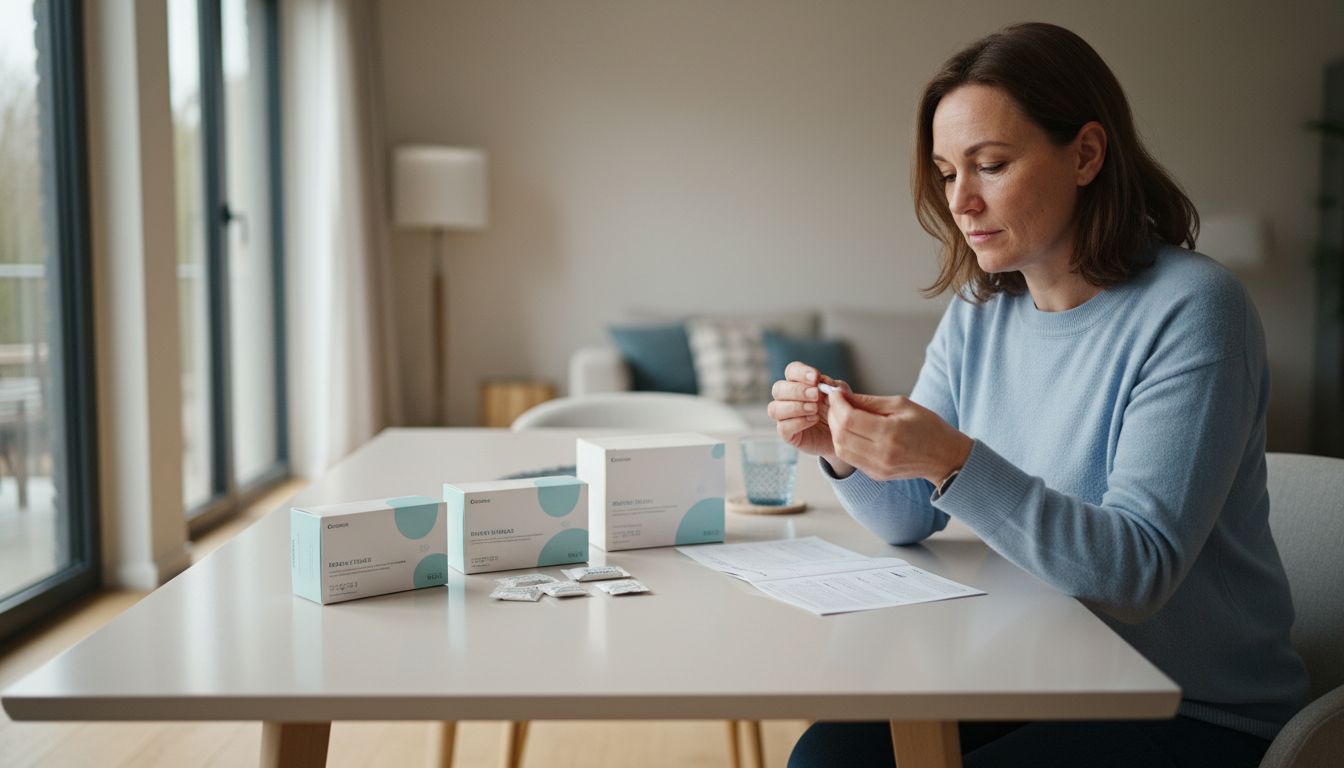
Self-tests: Everything you need to know about medical home tests
More than 40 percent of people in Germany already use medical self-tests to keep track of their health. Direct access to quick results gives many people a sense of control and security, especially when long waits for doctor's appointments are frustrating. Modern self-tests are easy to use and cover numerous areas of health, allowing users to check their most important health values independently.
Table of contents
- What characterizes medical self-tests
- Important types of medical home tests
- Self-test procedure and how it works
- Reliability and limitations of the results
- Safety, data protection, and legal aspects
Key findings
| Point | Details |
|---|---|
| Medical self-tests | They enable people to check health parameters independently and provide quick results. |
| Reliability | Accuracy depends on correct use and the selection of approved testing procedures. |
| Target group | Self-tests are ideal for health-conscious individuals but should never replace medical diagnoses. |
| Legal aspects | Strict regulations ensure that self-tests are safe and that users' privacy is protected. |
What characterizes medical self-tests
Medical self-tests are modern diagnostic tools that enable people to check important health parameters independently. According to Apotheken Umschau, these tests can analyze various bodily fluids, such as blood, saliva, or urine, and provide quick results without a doctor's visit.
The main features of medical self-tests include:
- Quick and straightforward to perform
- Testing of various health parameters
- Available in pharmacies, drugstores, and online
- Opportunity for early detection of health issues
As the PKV Institute emphasizes, these tests are becoming particularly important at a time of shortages of general practitioners and long waits for specialist appointments. They provide a quick assessment of health status and can help identify possible abnormalities at an early stage.
Who are self-tests particularly suitable for? They are ideal for health-conscious people who want to actively monitor their health. At-home health tests can provide initial indications of potential health risks and serve as a supplement to medical care. However, it is important to emphasize that self-tests do not replace a professional medical diagnosis; they are an additional tool for preventive healthcare.
Important types of medical home tests
Medical home tests offer a wide range of options for monitoring your health. According to Gesundmed, the most common home testing methods include blood glucose meters for diabetics, pregnancy tests, HIV self-tests, and tests to identify vitamin deficiencies.
The most important categories of medical home tests include:
- Metabolic tests: blood sugar, cholesterol, vitamins
- Hormone and fertility tests: pregnancy, menopause
- Infection tests: COVID-19, flu, HIV
- Allergy and intolerance tests
- Genetic health risk screenings
As the German Health Portal emphasizes, these tests offer a quick and straightforward way to check your own health.
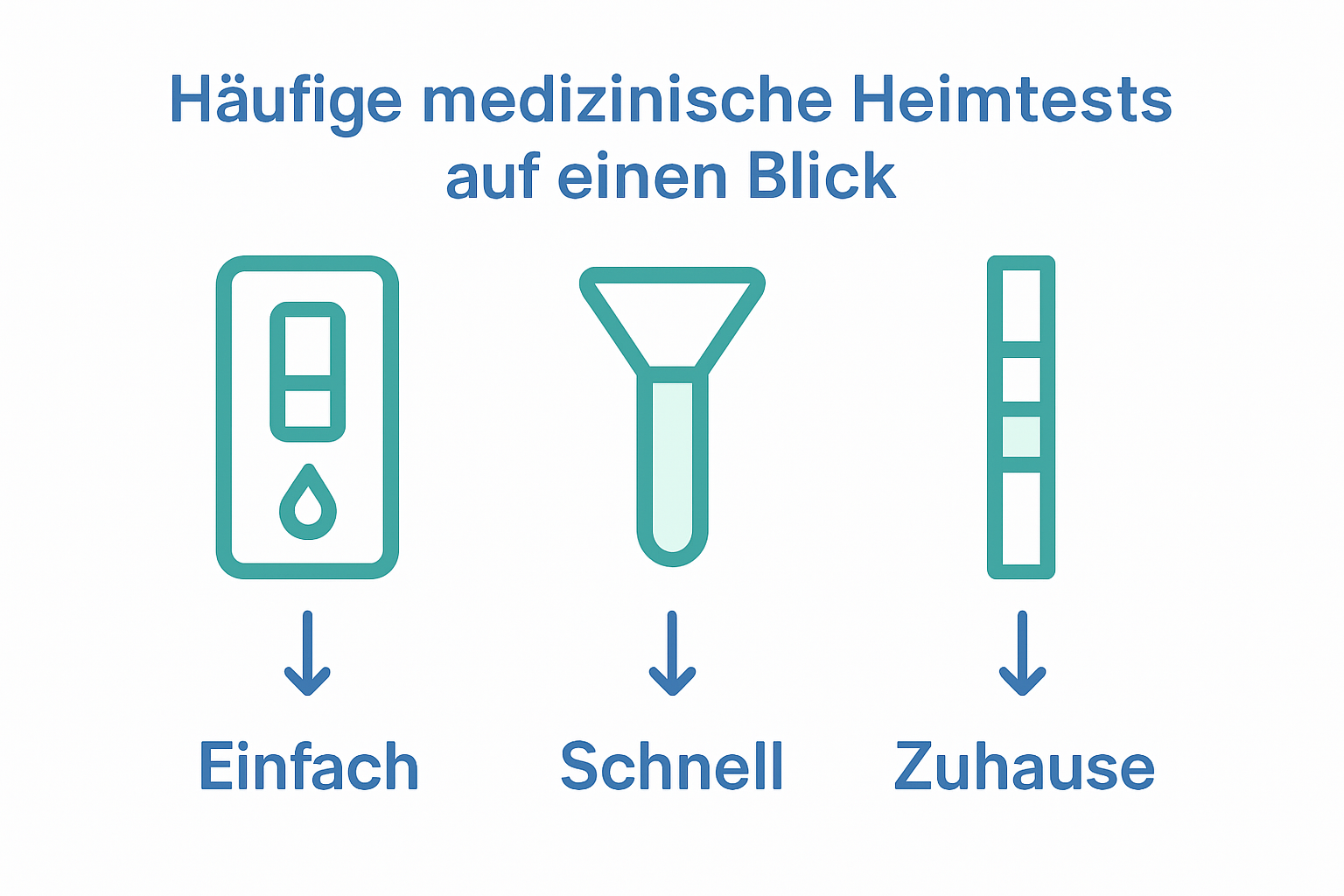 Self-tests are particularly practical for people with limited mobility or in regions with limited medical infrastructure.
There are now highly advanced home testing methods for a stool test for gut health or an allergy test. However, it is important to remember that self-tests can supplement medical examinations but never fully replace them. They are primarily used for early detection and should always be followed by a doctor's visit if the results are abnormal.
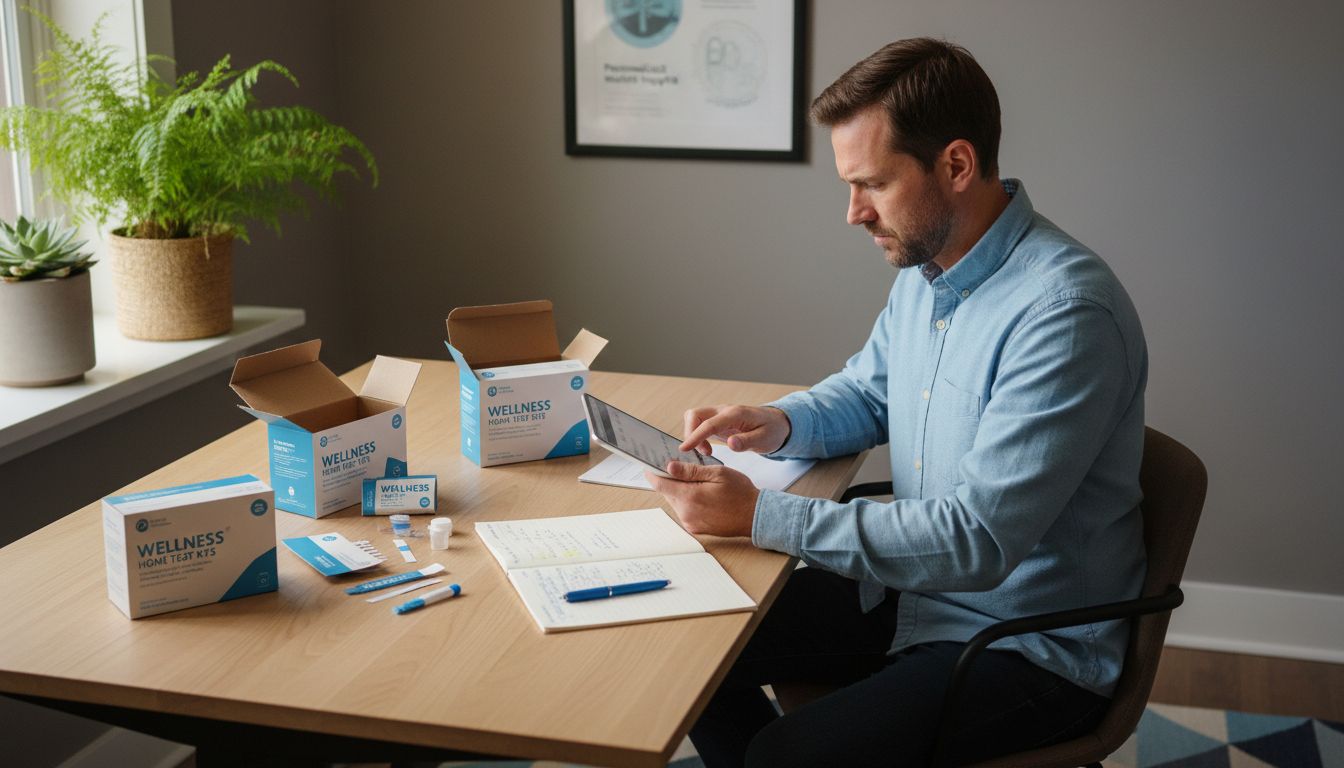
Self-test procedure and how it works
Self-tests are modern diagnostic tools that require precise execution. As the German Health Portal emphasizes, correct application is crucial for reliable results.
The typical self-test procedure includes the following steps:
- Careful review of the instructions for use
- Preparing the required materials
- Hygienic sample collection
- Accurate test performance
- Evaluation and interpretation of the results
There are important basic rules to observe when collecting samples. These include strict adherence to hygiene regulations and taking specific requirements such as fasting or the timing of sample collection into account.
For precise results, it is recommended to use a thyroid TSH self-test, which enables a simple and reliable health check. It is important to remember: Self-tests are a helpful supplement, but they can never replace a professional medical diagnosis.
Reliability and limitations of the results
The reliability of medical self-tests is a complex issue that requires careful consideration. According to JustMed, accuracy depends on the validity and sensitivity of the tests, with correct application being crucial.
The most important factors for reliable test results are:
- Using approved testing procedures
- Following the instructions for use precisely
- Correct sample collection and storage
- Taking possible interfering factors into account
- Timing and conditions for conducting the test
As the PKV Institute points out, accuracy varies depending on the type of test and the manufacturer. It is therefore important to use only tests with CE marking or official approval.
For a comprehensive health assessment, a microbiome test is recommended, as it provides detailed insights into gut health. Nevertheless, it is important to emphasize that self-tests are useful screening tools but do not replace a professional medical diagnosis. A doctor should always be consulted if the results are abnormal.
Safety, data protection, and legal aspects
The field of medical self-tests is subject to strict legal requirements intended to ensure consumer safety and data protection. According to VDGH, the Medical Devices Distribution Regulation was recently amended to make self-tests more accessible to consumers.
The most important legal and safety-related aspects include:
- CE marking as proof of quality
- Compliance with European medical device directives
- Strict data protection regulations
- Pseudonymization of personal health data
- Voluntary participation in testing
According to Biolago, EU law distinguishes between self-tests for laypeople and professional near-patient tests. Self-tests must meet specific safety and quality standards to be approved for the market.
If you would like to learn more about reimbursement for such tests, this article on microbiome tests and health insurance funds provides additional information. In general, data protection, voluntariness, and informed consent should be given the highest priority when using self-tests.
Discover modern self-tests for greater health and safety
Medical at-home tests give you the opportunity to actively monitor your health yourself and obtain initial indications of health changes. Self-tests make a valuable contribution, especially when quick results are important or doctor visits seem difficult. Simple handling and scientifically validated accuracy play a crucial role. At Gesundheitstest für Zuhause – Alle Tests entdecken - mybody®x, you will find a large selection of high-quality self-tests for various health areas such as metabolism, gut health, and allergies.
Benefit from certified laboratory analyses with personalized evaluations and recommendations for sustainable lifestyle improvements. mybody® combines state-of-the-art diagnostics, comprehensive data protection, and personalized advice. Start your individual health journey now and conveniently check your most important parameters from home. Visit https://mybody-x.com and learn how easy medical self-testing can be.
Frequently Asked Questions
What Are Medical Self-Tests?
Medical self-tests are diagnostic tools that allow users to independently check important health parameters such as blood, saliva, or urine. They provide quick results and enable early health detection.
How Do Self-Tests Work and What Steps Are Required?
The process of a self-test normally includes reviewing the instructions for use, preparing the materials, collecting the sample hygienically, performing the test, and evaluating the results. Correct use is crucial for the reliability of the results.
What Types of Medical At-Home Tests Are Available?
There are various types of medical at-home tests, including metabolic tests (e.g., blood sugar, cholesterol), hormone and fertility tests (e.g., pregnancy), infection tests (e.g., COVID-19, HIV), as well as allergy and intolerance tests and genetic screenings.
How Reliable Are the Results of Self-Tests?
The reliability of self-tests depends on various factors, including the validity and sensitivity of the tests. Following the instructions for use, collecting samples correctly, and taking interfering factors into account are important for accurate results. Tests with CE marking or regulatory approval are generally more reliable.
Recommendation
- At-Home Stool Test: How to Check Your Gut Health | MYBODY-X – mybody®x
- Irritable Bowel Syndrome Test: Finally Find Clarity for Your Gut – mybody®x
- Get Your Testosterone Tested: Simple and Discreet from Home – mybody®x
- Microbiome Test: Your Guide to Better Gut Health – mybody®x
- 6 Types of Household Batteries Explained Simply for Consumers - accu.blog
- What Makes Toys Safe? The Most Important Aspects Explained | PAT & PATTY


Share now:
Low-Fat Diet: Your Guide to Greater Well-Being
Hara Hachi Bu: What the 80-percent rule proves and what it does not