
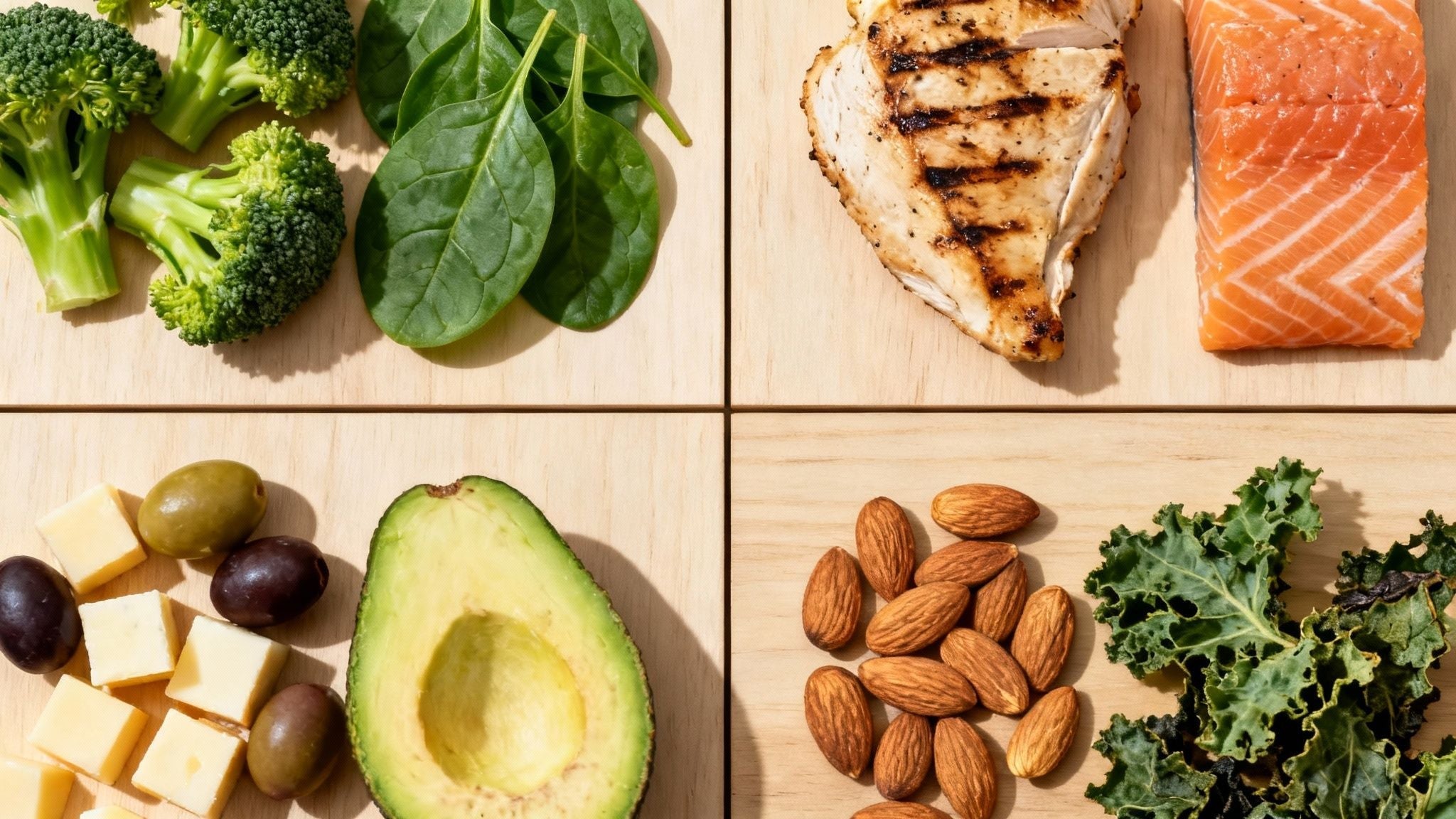
Low Carb: Which foods? Your top 10 for a successful start
Do you want to change your diet, eat fewer carbohydrates, and finally feel energized and comfortable in your own skin again? Getting started with a low-carb diet can seem overwhelming at first. The central question almost everyone asks is: "Low carb – what foods can I actually eat?" Don't worry, you've come to the right place. We'll guide you and show you that a low-carb diet isn't about deprivation, but rather pure enjoyment and impressive variety.
In this comprehensive guide, we present the 10 best food groups that form the foundation for your success. You'll learn not only what you can eat, but also how to cleverly combine these foods to achieve your individual goals – whether it's weight management, more energy in everyday life, or more stable blood sugar levels. We go beyond simple lists and give you practical tips so you can get started right away.
The most important thing is that you learn to better understand your body and your metabolism. This knowledge is key to staying motivated in the long run and achieving sustainable results. Let's debunk the myth that low-carb is complicated and instead discover the abundance of delicious options available to you.
1. Eggs
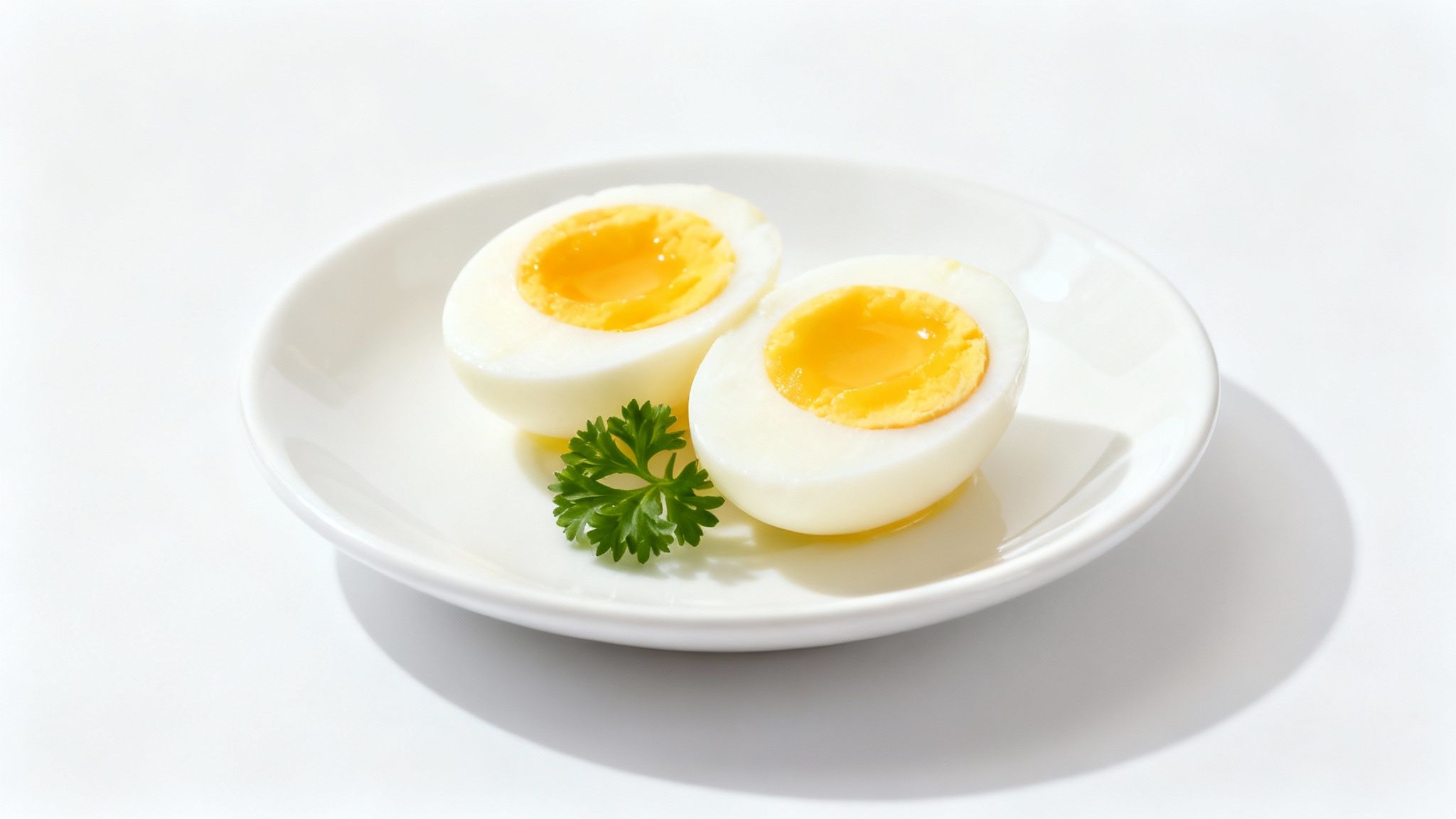
Eggs are rightfully a superstar among low-carb foods. With virtually no carbohydrates (less than 1 gram per egg), they are a true nutritional powerhouse and incredibly versatile. They provide high-quality, complete protein containing all the essential amino acids your body needs for muscle building and recovery.
Why eggs belong in your low-carb kitchen
What makes eggs special is their nutritional profile: The yolk is rich in healthy fats, vitamins such as A, D, E, K, and B vitamins, as well as the important nutrient choline, which is crucial for brain function and metabolism. This combination of protein and fat ensures long-lasting satiety and helps you avoid cravings.
Practical tips and ideas
Eggs are not only ideal for breakfast, but are suitable for any time of day.
- Quick snack: Hard-boil a larger quantity of eggs and store them in the refrigerator. This way you always have a protein-rich snack ready.
- Meal prep: Prepare egg muffins with vegetables and cheese. They are perfect for a quick breakfast or lunch on the go.
- Creative dishes: Try making "cloud bread" from egg whites and egg yolks, or prepare deviled eggs as a delicious appetizer.
- Quality matters: Choose eggs from pasture-raised or free-range hens. They often have a better nutritional profile, including a higher content of omega-3 fatty acids.
2. Salmon and fatty fish
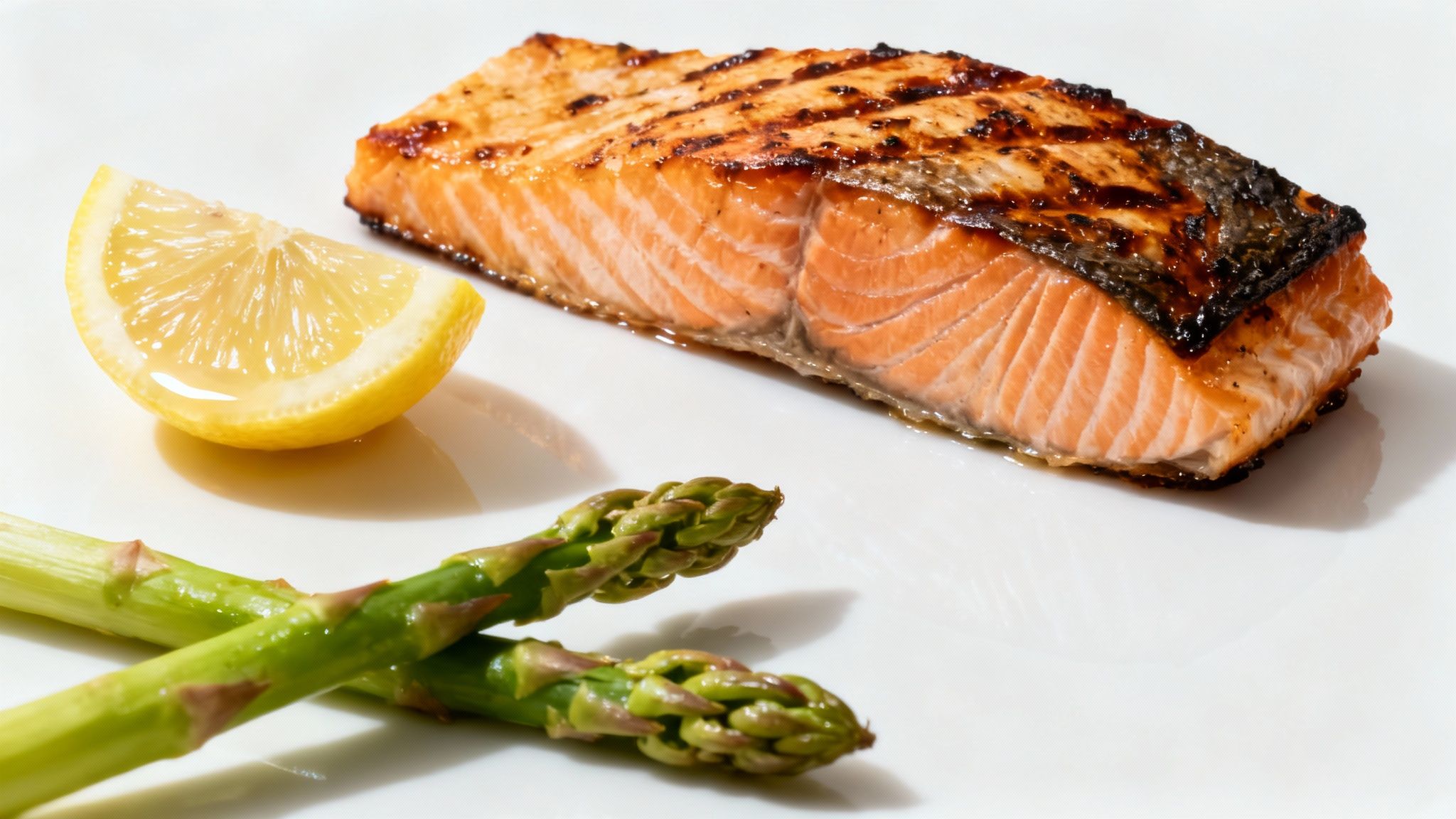
Salmon and other fatty fish like mackerel, sardines, or herring are absolute powerhouses in a low-carb diet. They contain virtually no carbohydrates and are rich in high-quality protein as well as essential omega-3 fatty acids. This combination makes them one of the healthiest and most beneficial foods available, especially if you're cutting back on carbohydrates.
Why fatty fish belongs in your low-carb kitchen
What makes oily fish so special are the omega-3 fatty acids EPA and DHA. These have strong anti-inflammatory properties and have been proven to support heart and brain health. For you, this means you're not only supplying your body with top-quality protein for muscle building, but also actively combating low-grade inflammation and boosting your cognitive function. The high-quality protein, combined with healthy fats, also provides a long-lasting feeling of satiety, helping you achieve your nutritional goals.
Practical tips and ideas
Fatty fish is versatile and easy to integrate into your diet.
- Quick meal: A piece of grilled salmon with steamed vegetables such as asparagus or broccoli can be prepared in under 20 minutes.
- Budget tip: Canned salmon or sardines are an inexpensive and long-lasting alternative. You can mix them directly into salads or blend them with avocado to make a quick cream.
- Cold cuisine: Smoked salmon rolled with cream cheese and herbs makes a perfect snack or an elegant appetizer.
- Focus on quality: If possible, look for wild-caught salmon, as this often has a better ratio of omega-3 to omega-6 fatty acids than farmed salmon.
3. Broccoli and green leafy vegetables
Broccoli, spinach, kale, and other leafy green vegetables are the powerhouses of a low-carb diet. With very few net carbohydrates (total carbohydrates minus fiber), they offer maximum nutrients and volume. They are packed with vitamins, minerals, and antioxidants, making them essential for a balanced diet.
Why green vegetables belong in your low-carb kitchen
What makes this vegetable special is its high fiber content. Fiber not only supports healthy digestion but also promotes a feeling of fullness, which aids in weight management. At the same time, it provides important micronutrients such as vitamin C (in broccoli), vitamin K, and iron (in spinach), which are crucial for the immune system and energy production. The fiber in this vegetable is also valuable food for your gut bacteria, which in turn promotes a healthy gut flora.
Practical tips and ideas
Green vegetables are incredibly versatile and can easily be incorporated into any meal.
- As a grain substitute: Process broccoli in a blender to make "broccoli rice" as a nutrient-rich, low-carbohydrate side dish.
- Crispy snack: Prepare kale chips in the oven – simply bake with a little oil and spices until crispy.
- Meal prep: Buy pre-washed lettuce or freeze portions of spinach for smoothies or quick stir-fries to save time.
- Optimize nutrient absorption: Always combine green vegetables with healthy fats such as olive oil or avocado to improve the absorption of fat-soluble vitamins (A, E, K).
- Reduce bitterness: Massage kale with a little olive oil and salt before cooking. This makes the leaves more tender and milder in taste.
4. Avocado
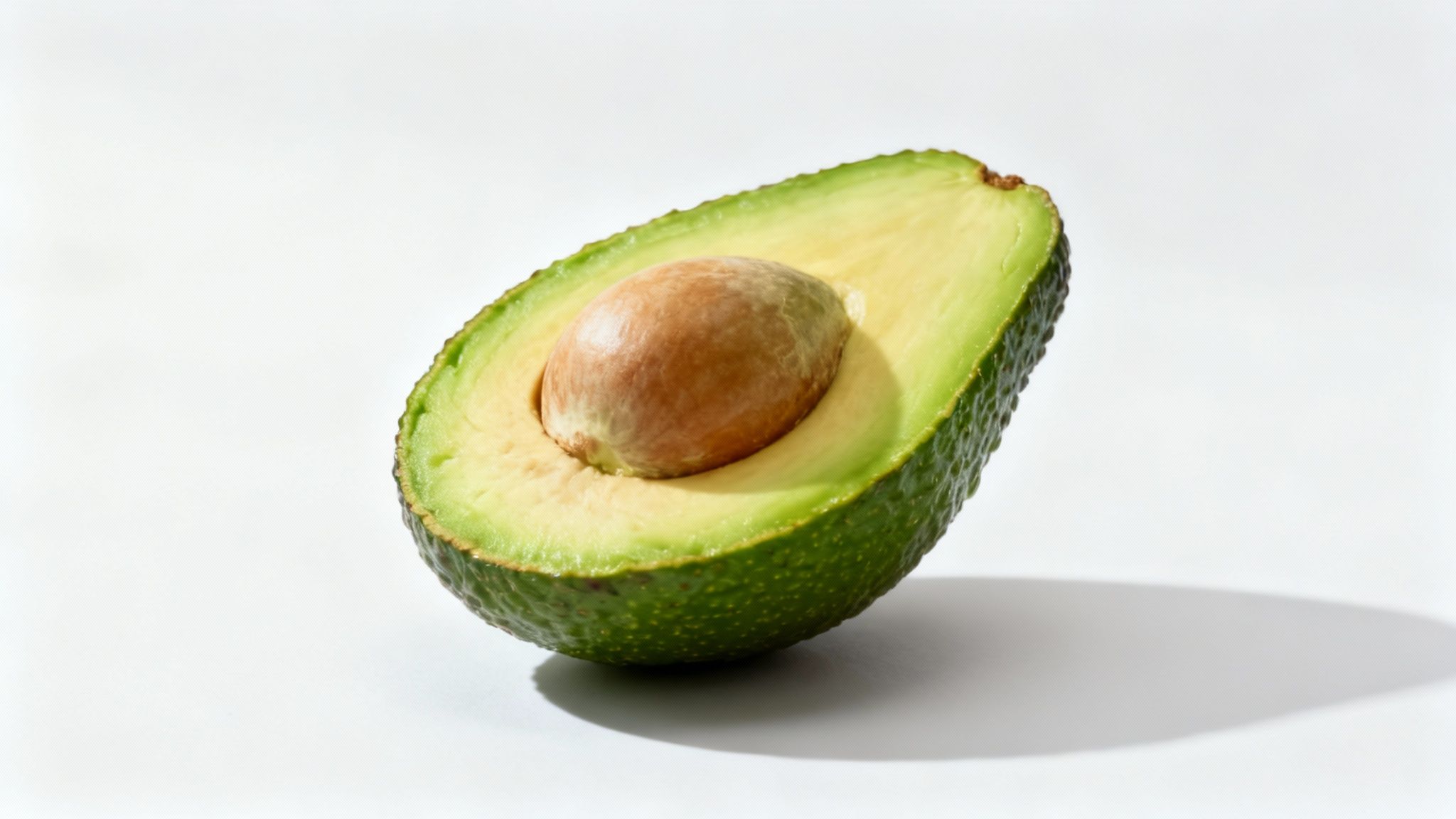
The avocado is a unique fruit and an absolute powerhouse in a low-carb diet. Unlike most fruits, it contains very few carbohydrates but is rich in healthy monounsaturated fatty acids and fiber. Its creamy texture and rich flavor make it a versatile and satisfying ingredient that fits perfectly into your low-carb diet.
Why avocados belong in your low-carb kitchen
The combination of healthy fats and fiber ensures long-lasting satiety and helps keep your blood sugar levels stable. Avocados are also rich in important nutrients such as potassium, which is essential for electrolyte balance, as well as vitamins K, C, E, and various B vitamins. This nutrient density makes them an ideal food to optimally nourish your body during a low-carbohydrate diet and prevent cravings.
Practical tips and ideas
Avocados are incredibly versatile, used in everything from savory to sweet dishes.
- The classic: Prepare a creamy guacamole with garlic and lime juice and serve it with vegetable sticks as a dip.
- Satiety booster: Add slices or cubes to salads, bowls, or low-carb burgers to make the meal more substantial.
- Creative desserts: Puree a ripe avocado with cocoa powder and a low-carb sweetener for a surprisingly delicious and healthy chocolate mousse.
- Proper ripeness: Buy firm avocados and let them ripen at room temperature. Once ripe, you can store them in the refrigerator to extend their freshness. A squeeze of lemon juice will prevent cut halves from turning brown.
5. Nuts and seeds
Nuts and seeds are true powerhouses in a low-carb diet. They are packed with healthy fats, high-quality plant-based protein, fiber, and essential micronutrients, making them an ideal snack and a versatile ingredient. Whether almonds, walnuts, chia seeds, or flax seeds – they all help keep the carbohydrate content of your meals low while still providing you with optimal nutrition.
The following bar chart shows you at a glance which nuts are particularly low in carbohydrates and therefore fit perfectly into your diet plan.
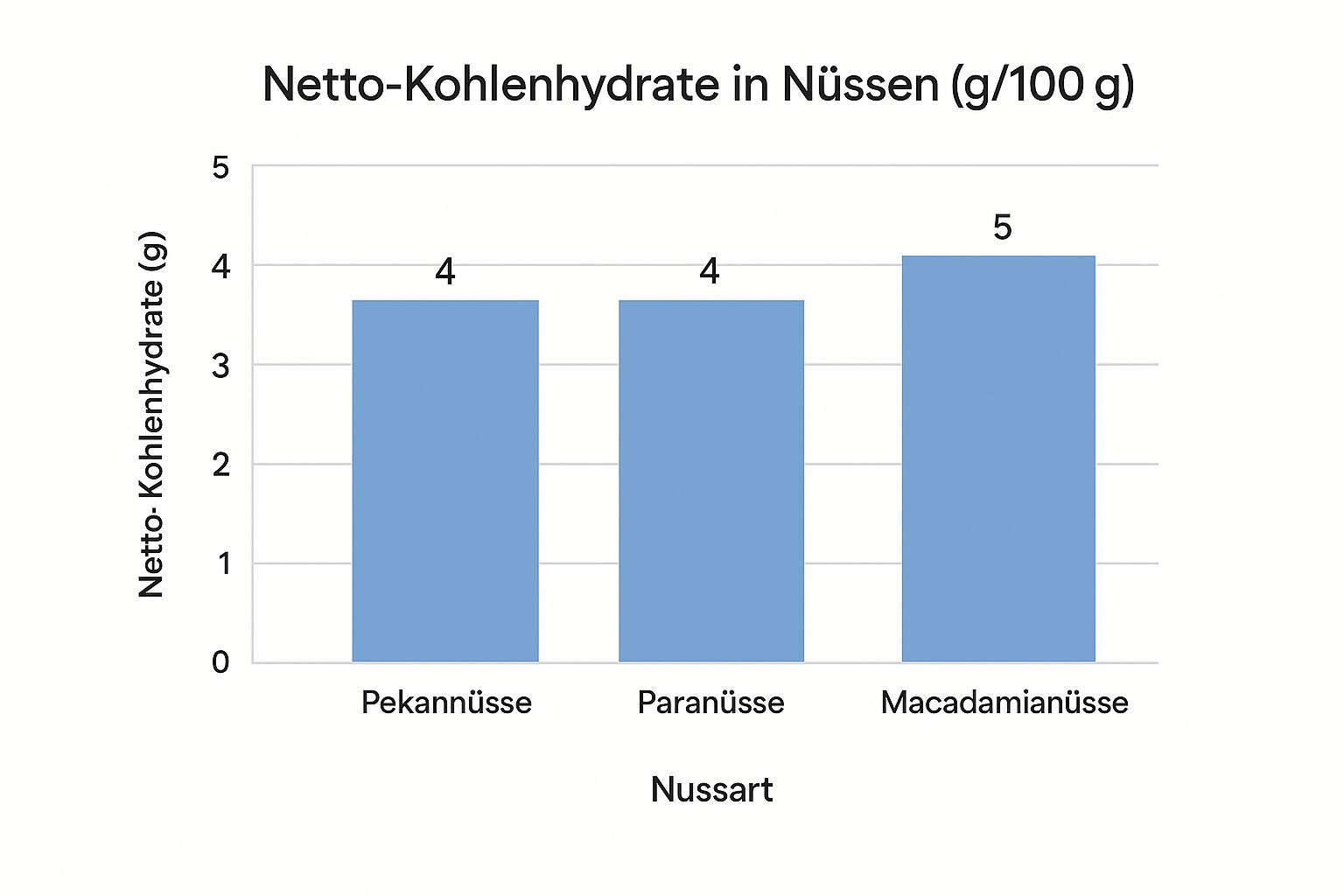
As the graphic illustrates, pecans, Brazil nuts and macadamia nuts are among the absolute top performers in this category of low-carb foods.
Why nuts and seeds belong in your low-carb kitchen
The combination of fats, proteins, and fiber in nuts and seeds ensures long-lasting satiety and stable blood sugar levels. This helps to effectively prevent cravings. They also provide antioxidants and omega-3 fatty acids, which have anti-inflammatory properties and support heart health. Thanks to their versatility, they add the necessary crunch and a nutritional boost to salads, yogurts, or baked goods.
Practical tips and ideas
Nuts and seeds can easily be integrated into your everyday life.
- Portion control: Since they are very high in calories, the right amount is crucial. Use small containers or count a handful as one portion.
- Perfect snack: A small handful of almonds or macadamia nuts is the ideal afternoon snack to recharge your energy.
- Low-carb baking: Almond or coconut flour are fantastic alternatives to conventional flour for cakes, bread and pizza.
- Crunch for meals: Sprinkle roasted walnuts over your salad or add chia seeds to your yogurt or smoothie.
- Proper storage: Store nuts and seeds in an airtight container in a cool, dark place to prevent them from becoming rancid.
6. Cheese
Cheese is a true highlight in a low-carb diet, impressing with its rich flavor, versatility, and excellent nutritional profile. With very few carbohydrates, often less than 2 grams per 100 grams, cheese provides high-quality protein, plenty of calcium, and healthy fats that ensure long-lasting satiety and help keep blood sugar levels stable.
Why cheese belongs in your low-carb kitchen
Cheese is not only delicious, but also a functional food that adds depth of flavor and a creamy texture to dishes. The combination of fat and protein makes it a perfect way to feel full and effectively prevents cravings. Hard cheeses, in particular, such as Parmesan or aged Gouda, are virtually lactose-free due to the ripening process and are therefore often well-tolerated even by people with lactose intolerance.
Practical tips and ideas
Cheese is much more than just a bread topping and can be creatively integrated into your diet.
- Crispy snacks: Make oven-baked cheese chips from grated Parmesan or Cheddar – a perfect alternative to potato chips.
- Aromatic all-rounder: Refine steamed vegetables such as broccoli or cauliflower with baked cheese to intensify the flavor and improve nutrient absorption.
- Filling meals: Use cream cheese as a base for creamy low-carb sauces or stuff chicken breasts or peppers for a quick dinner.
- Prioritize quality: Opt for full-fat varieties made from pasture-raised milk. These often contain more omega-3 fatty acids and fat-soluble vitamins. Avoid pre-grated cheeses, as these often contain anti-caking agents such as starch.
7. Meat and poultry
Meat and poultry are cornerstones of any low-carb diet. In their purest form, they contain absolutely no carbohydrates and are one of the best sources of complete, high-quality protein. Whether beef, pork, chicken, or turkey – they provide all the essential amino acids your body needs for muscle building, cell repair, and numerous metabolic functions.
Why meat and poultry belong in your low-carb kitchen
The high nutrient density makes meat and poultry one of the most valuable low-carb foods. They are rich in essential nutrients such as iron, zinc, and B vitamins, especially vitamin B12, which is crucial for energy production and the function of the nervous system. The protein they contain provides a strong and long-lasting feeling of fullness, effectively preventing cravings and helping you achieve your nutritional goals. Learn here how you can naturally boost your metabolism .
Practical tips and ideas
Meat is incredibly versatile and can easily be integrated into everyday life.
- Choose high-quality sources: Prefer grass-fed meat. It often contains a better ratio of omega-3 to omega-6 fatty acids.
- Beware of processed products: Avoid processed meat products such as sausages or marinated products, as these often contain hidden sugars and other carbohydrate-rich additives.
- Meal prep made easy: Prepare a whole roast chicken or a large portion of pulled pork on the weekend. This gives you a protein-rich base for salads or quick stir-fries for several days.
- Nutrient booster: Occasionally include organ meats like liver. They are extremely nutrient-rich and an excellent source of vitamin A, iron, and B vitamins.
8. Greek yogurt and quark
Greek yogurt and quark are creamy powerhouses in a low-carb diet. Thanks to special production methods, they contain significantly less carbohydrates and sugar than conventional yogurt, but an impressive amount of high-quality protein. This makes them ideal for feeling full and helping to keep your blood sugar levels stable.
Why Greek yogurt and quark belong in your low-carb kitchen
These dairy products are not only rich in protein but also an excellent source of calcium, which is essential for healthy bones and teeth. They also contain probiotic cultures that can support a healthy gut flora, which is crucial for your immune system and overall health. Their creamy texture makes them a versatile ingredient, equally at home in sweet and savory dishes, and often a healthier alternative to higher-calorie options like cream or mayonnaise.
Practical tips and ideas
Use the versatility of these low-carb foods to enhance your meals.
- Quick breakfast: Combine a serving of Greek yogurt with a handful of berries and some nuts for a nutritious start to the day.
- Savory dips: Prepare a quick tzatziki from quark, grated cucumber, garlic, and herbs. Perfect as a dip for vegetable sticks.
- Healthy baking ingredient: Use quark to make low-carb pancakes or bread moister and higher in protein.
- Pay attention to the ingredients: Always choose the unsweetened, full-fat version. Many "light" products contain added sugar or other fillers to compensate for the loss of flavor.
9. Olive oil and healthy fats
Healthy fats are at the heart of a low-carb diet. They provide energy, support the absorption of fat-soluble vitamins, and ensure a long-lasting feeling of satiety. Olive oil, coconut oil, avocado oil, and butter are fantastic options that contain virtually no carbohydrates and add flavor and depth to your dishes.
Why healthy fats belong in your low-carb kitchen
Fats are more than just calories. They are essential for hormone production and cell health. They provide you with the necessary energy without affecting your blood sugar levels and help manage the transition from burning sugar to burning fat. Therefore, they are a key component if you choose a low-carb diet.
Practical tips and ideas
The correct selection and application of fats makes all the difference.
- Cold dishes: Use high-quality, extra virgin olive oil for salads and dressings to preserve the valuable polyphenols.
- Hot frying: Avocado oil, ghee (clarified butter) or coconut oil are suitable for high temperatures because they have a higher smoke point.
- Energy boost: A spoonful of MCT oil in your coffee or smoothie can give you a quick and clear energy boost, ideal for starting the day.
- Recognizing quality: Look for reputable brands and store oils in dark bottles, in a cool, dark place to preserve their quality. Use them sparingly, as they are very high in calories.
10. Berries
While most fruits are avoided in a low-carb diet due to their high sugar content, berries are a delicious exception. Raspberries, blackberries, and strawberries, in particular, contain only moderate amounts of carbohydrates and, in reasonable portions, fit perfectly into your diet. They are a wonderful way to satisfy your sweet tooth while also providing valuable nutrients.
Why berries belong in your low-carb kitchen
Berries are true powerhouses when it comes to vitamins, fiber, and especially antioxidants. These protect your cells from oxidative stress and support your overall well-being. The high fiber content also promotes healthy digestion and helps keep blood sugar levels stable, preventing cravings. This makes them not only delicious but also functional low-carb foods. Learn more about antioxidant-rich foods here.
Practical tips and ideas
Berries add color and flavor to your meals without exceeding your carbohydrate intake.
- Best choice: Raspberries (approx. 5.4 g net carbohydrates) and blackberries (approx. 4.9 g net carbohydrates) per 100 g are the top choices.
- Control portions: A small handful (approx. 50-100 g) is often enough to satisfy a sweet tooth.
- Use frozen produce: Buy berries in bulk when they are in season and freeze them. This way they are available all year round and are often cheaper.
- Smart combination: Enjoy berries with a source of fat such as Greek yogurt, cream, or a handful of nuts. The fat slows down the absorption of the sugar and promotes satiety.
- Consider it a treat: Integrate berries as a conscious highlight, for example in your smoothie or as a topping for your low-carb yogurt, instead of eating them in large quantities every day.
Low-carb food comparison overview
| Groceries | Implementation 🔄 | Resource requirements 💡 | Expected results 📊 | Ideal use cases ⭐ | Key benefits ⚡ |
|---|---|---|---|---|---|
| eggs | Low in cost – easy to prepare | Low cost, widely available | High nutrient density, filling | Breakfast, snacks, meal prep | Versatile, fast protein supply |
| Salmon and fatty fish | Medium – gentle preparation required | Medium to high cost of wild fish | Rich in omega-3 fatty acids, anti-inflammatory | Main meals, salads, meal prep | Heart and brain health, high-quality protein |
| Broccoli and green leafy vegetables | Low – often raw or briefly cooked | Low price – affordable, readily available | Rich in fiber and antioxidants | Side dishes, salads, smoothies | Nutrient-rich, low in calories |
| avocado | Medium – pay attention to ripening time | Medium – comparatively expensive | Healthy, satiating fats | Breakfast, snacks, salads, keto fats | Creamy texture, high nutritional value |
| Nuts and seeds | Low in calories – ready to eat, no preparation required. | Low to medium – depending on the variety | Nutrient and calorie dense | Snacks, baking, toppings | Practical, long-lasting |
| Cheese | Low – ready to eat or cooked | Medium – Price varies | High in protein, containing calcium | Snacks, cooking, sauces, toppings | Versatile, intensely flavorful |
| Meat and poultry | Medium – correct cooking time is necessary | Medium to high – quality dependent | High in protein, filling | Main meals, meal prep | Complete protein, versatile |
| Greek yogurt and quark | Low in calories – ready to eat | Medium – Availability varies | High in protein, probiotic | Breakfast, snacks, substitutes for fatty ingredients | Supports digestion, filling |
| Olive oil and healthy fats | Low – easy to use | Low to medium – quality dependent | Energy source, promotes vitamin absorption | Cooking, dressings, fat intake | Essential for keto, antioxidant |
| Berries | Low in calories – can be eaten raw | Medium – seasonal and expensive | Rich in antioxidants, moderate carbohydrate content | Desserts, snacks, breakfast | Aromatic, high in fiber |
Your path to a personalized low-carb diet: How to truly understand your body
You now have a comprehensive list showing you which foods are ideal for successfully changing your diet to a low-carb approach. From protein-rich eggs and salmon to nutrient-rich vegetables like broccoli and healthy fats from avocados and olive oil – you now know the building blocks for a varied and satisfying meal plan.
This list is your toolbox. But as with any tool, it's how you use it that counts. Every body is a unique system with individual needs and its own metabolic signature. What leads to a dream figure and bursting energy for one person might cause stagnation or even discomfort for another. The crucial question isn't just which foods are generally low-carb, but which ones are a perfect fit for you and your metabolism .
From general knowledge to personal strategy
True mastery in nutrition lies in going beyond general recommendations and developing a strategy tailored to your body. Instead of blindly experimenting and hoping for the best through trial and error, you can choose an evidence-based approach. Perhaps your body responds particularly well to a higher fat intake due to genetics, while another person benefits more from a moderate protein approach. It is precisely these nuances that make the difference between good and optimal results.
Your DNA contains the blueprint for your metabolism. It tells you how your body processes fats, proteins, and carbohydrates, and which nutrients it truly needs to function optimally.
Instead of guessing, you can know. Imagine being able to adjust your diet so precisely that it's perfectly tailored to your genetic predisposition. The result would not only be a more effective way to achieve your goals, whether it's weight management, more energy in everyday life, or long-term health care, but also a deeper understanding of your own body.
Take control of your health
The path to sustainable health and well-being begins with knowledge – not general advice, but precise, personal data. You've now laid the foundation by learning about low-carb foods . The next crucial step is to personalize this knowledge. Don't settle for average when you can unlock your unique biology. Discover what your body truly needs and build a diet that strengthens, nourishes, and guides you toward your goals in the long term. Your body is your most valuable asset – learn to speak its language.
Ready to take your nutrition to the next level? Find out your metabolic type and which foods are truly right for you with the scientifically based DNA analyses from MYBODY Lab GmbH . Shape your path to greater well-being independently, based on your unique genetic data. Discover your personal nutrition strategy now at mybody-x.com .


Share:
Antioxidant-rich foods: The best tips for better health and radiant skin
Are oatmeal foods healthy? Facts, nutritional information & tips for you.