
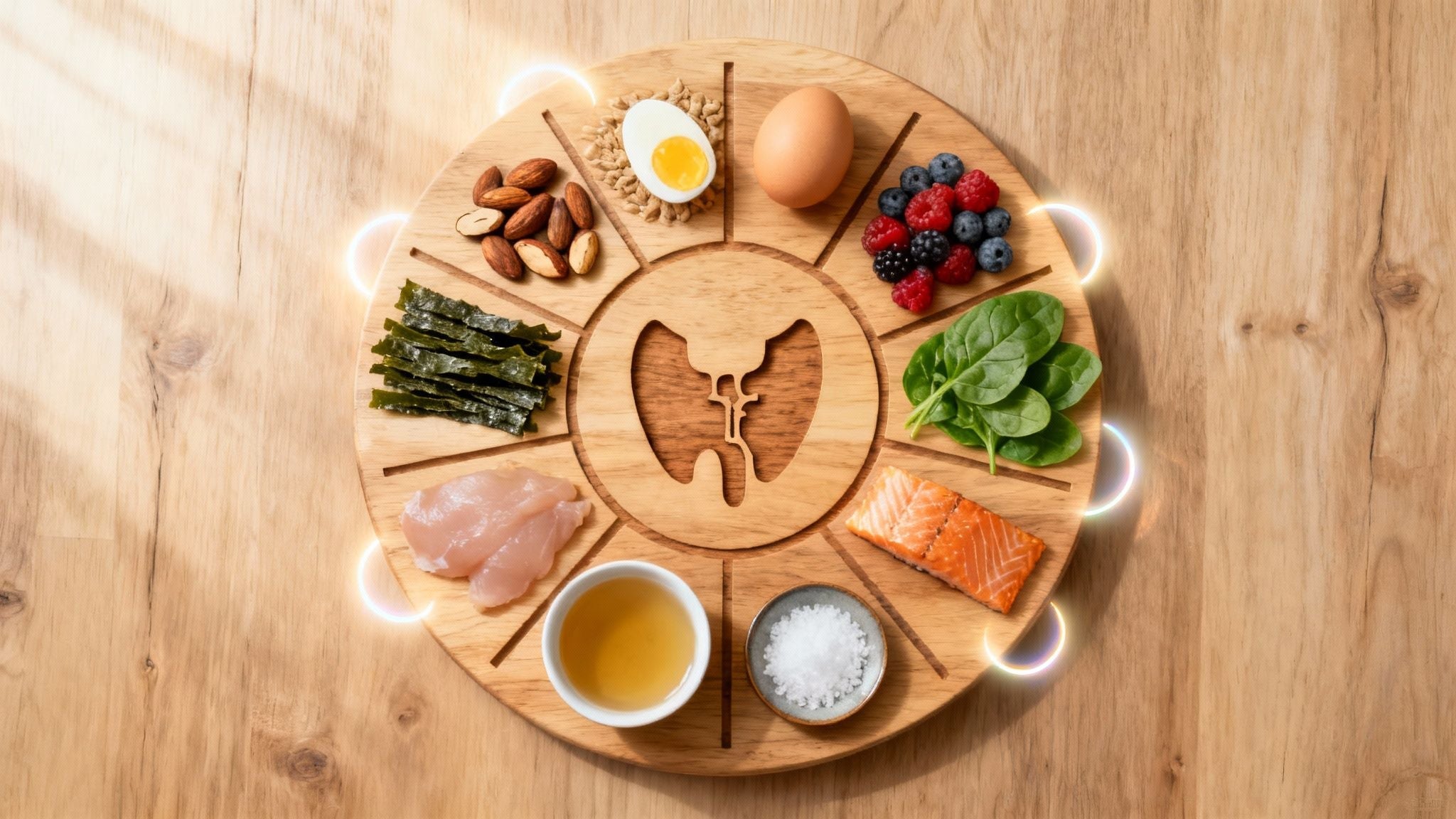
Diet for hypothyroidism: 8 tips for thyroid health
Do you often feel tired and unmotivated, as though your metabolism is running on low power? Hypothyroidism, also known as an underactive thyroid, can significantly slow down your life. But did you know that the right diet for hypothyroidism can make a huge difference? It is not about strict prohibitions or complicated diets, but about providing your body with exactly the nutrients it now needs for optimal hormone production and conversion.
In this article, we present 8 key, scientifically backed nutrition strategies designed to support your thyroid function, alleviate typical symptoms, and help you regain your full vitality. We take a close look at why nutrients such as iodine, selenium, and zinc are so important and give you specific, practical tips for everyday life—from choosing the right foods to optimizing meal timing. In addition to the elements discussed here specifically in relation to the thyroid, other important minerals are also essential for the body and play a role in overall health. Consider this guide your personal roadmap to greater energy and well-being.
1. Optimize iodine intake: Fuel for your thyroid
Iodine is the absolutely essential building block for your thyroid hormones. Imagine your thyroid as a factory that produces the hormones triiodothyronine (T3) and thyroxine (T4). These hormones are the managers of your metabolism, regulating everything from your body temperature to your energy expenditure. Iodine is the most important raw material for this factory. Without sufficient iodine, it simply cannot produce the hormones your entire body needs.
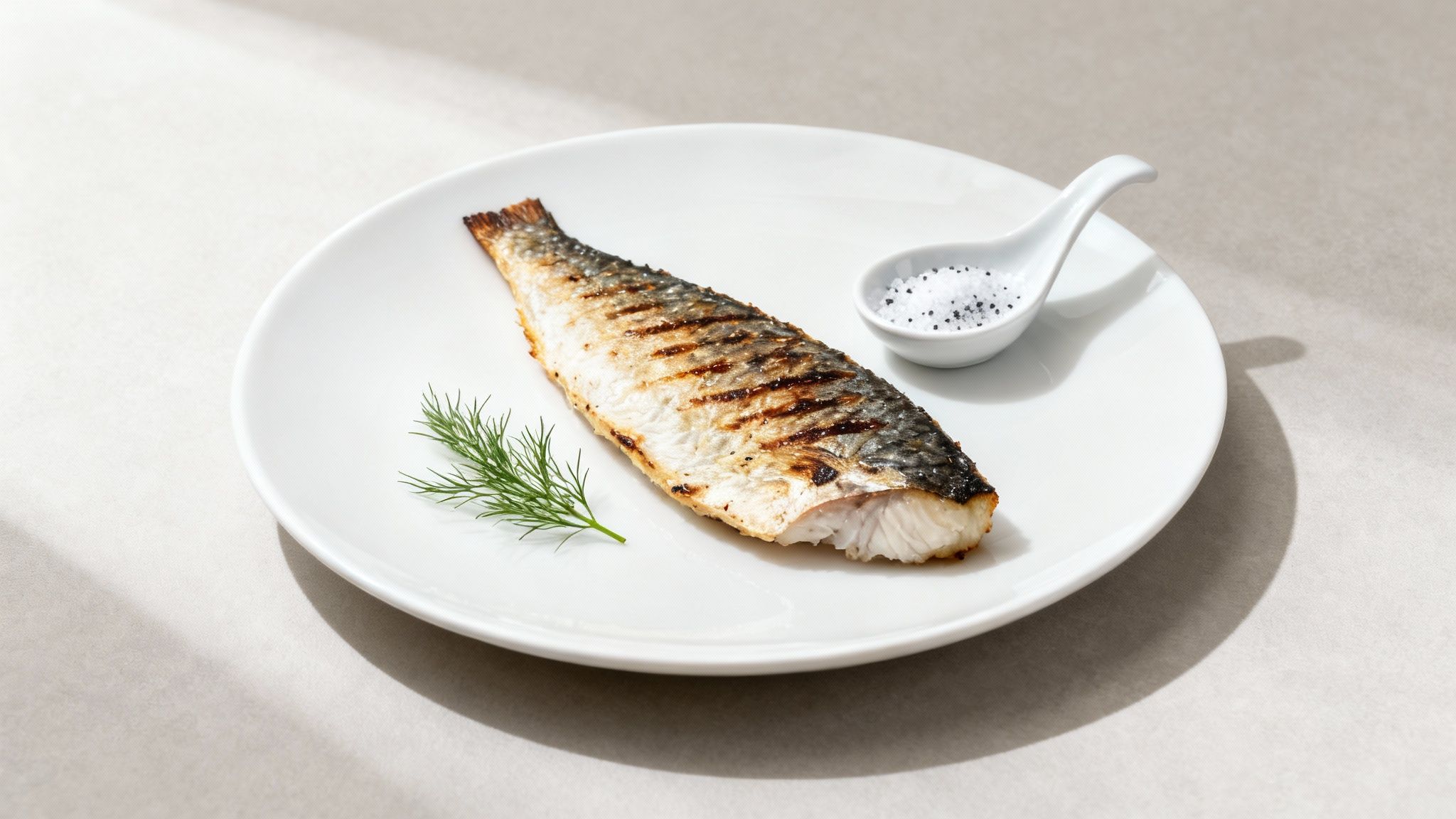
Optimizing iodine intake is therefore the first and most important step when adapting your diet for hypothyroidism. The German Nutrition Society (DGE) recommends a daily intake of 200 micrograms (µg) for adults. A deficiency directly inhibits hormone production and can worsen symptoms such as fatigue and weight gain.
Finding the right balance
With hypothyroidism, it is crucial to ensure a consistent and sufficient, but not excessive, iodine intake. The challenge lies in finding the right balance. While a deficiency reduces production, an overdose—particularly in an autoimmune condition such as Hashimoto’s thyroiditis—can even fuel inflammatory processes in the thyroid. Your strategy should therefore focus on a mindful and moderate intake through your diet.
Tip: The goal is not to consume as much iodine as possible, but to ensure a consistent, needs-based intake that supports your thyroid without overloading it.
Actionable tips for everyday life
So how can you achieve this golden mean in everyday life?
- Sea fish & seafood: Include iodine-rich fish such as cod, haddock, or saithe in your diet two to three times a week. They are excellent natural sources of iodine.
- Iodized table salt: This is a simple and effective way to ensure your basic daily intake. When shopping, look specifically for the label “with iodine.”
- Caution with Hashimoto’s: If you have been diagnosed with Hashimoto’s thyroiditis, special caution is required. Be sure to discuss the optimal iodine intake for you with your treating doctor or therapist, as a high iodine intake can be harmful in this case.
To eliminate uncertainty, a nutrient test can provide clarity. The mybody® Mineral & Trace Element Test helps you determine your current iodine status. This allows you to specifically avoid an excess or deficiency and tailor your diet to your thyroid’s needs.
2. Consume selenium-rich foods: The protective shield for your thyroid
If iodine is the fuel for your thyroid, selenium is the crucial protective mechanism and activator. This trace element is essential for converting the storage hormone thyroxine (T4) into the active, metabolically effective hormone triiodothyronine (T3). Without sufficient selenium, this process falters, and despite having enough T4 in your blood, you may feel tired and lacking in energy. Selenium also protects thyroid tissue from oxidative stress generated during hormone production.
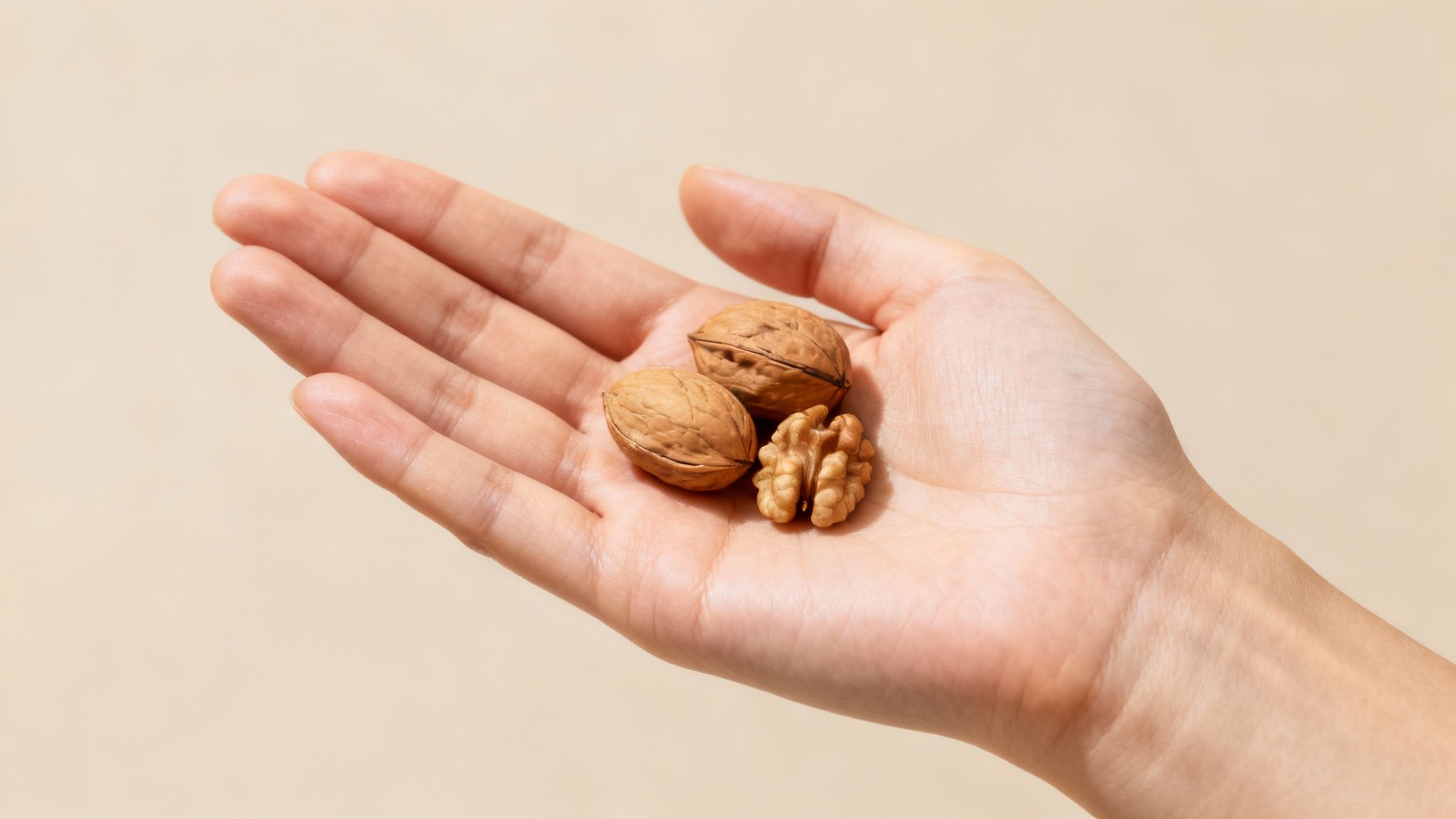
A targeted intake of selenium is therefore a fundamental component of your diet for hypothyroidism. It not only supports hormone activation but can also curb inflammatory processes, such as those that occur with Hashimoto’s thyroiditis. A deficiency can significantly worsen the symptoms of hypothyroidism.
Ensure activation and protection
The importance of selenium lies in its dual function: It activates thyroid hormones while protecting the gland tissue at the same time. With hypothyroidism, it is therefore not only about producing enough hormones (iodine), but also ensuring that these hormones can do their job in the body (selenium). Your diet should aim to establish a consistent selenium supply that optimally supports the conversion of T4 to T3.
Tip: Adequate selenium intake maximizes hormone activation and protects the thyroid from inflammation and oxidative stress. This makes your thyroid function more efficient.
Actionable tips for everyday life
How can you cleverly incorporate this important trace element into your daily routine?
- Brazil nuts as a powerhouse: Just 1–2 Brazil nuts a day can meet your daily selenium requirement. They are one of the best natural sources of selenium and are easy to incorporate as a snack.
- Variety on your plate: Choose a wide range of selenium-rich foods. These include fish such as tuna and herring, eggs, mushrooms, and whole grains. If you are looking for more inspiration, learn more about selenium-rich foods on mybody-x.com.
- Check your status before supplementing: Do not take high-dose selenium supplements without careful consideration. An overdose can have toxic effects. A mineral test provides precise information about your current selenium level and helps you tailor the dosage exactly to your needs.
3. Improve iron absorption through the right food combinations
Iron is important not only for your blood but also a crucial aid for your thyroid. It is needed for the enzyme thyroid peroxidase (TPO), which is responsible for producing the hormones T3 and T4. An iron deficiency can directly impair hormone production and slow the conversion of T4 into active T3. As a result, symptoms of hypothyroidism such as fatigue and hair loss can noticeably worsen.
A targeted improvement in your iron intake is therefore a powerful lever in your diet for hypothyroidism. What makes iron special is that its absorption depends heavily on how you combine it. Plant-based iron is absorbed by the body much less efficiently than animal-based iron. However, combining it with vitamin C can increase absorption severalfold. Women should aim for at least 15 mg of iron daily, and men for 10 mg.
Create synergies on your plate
The challenge of getting enough iron lies less in consuming it and more in maximizing its absorption in the intestines. Many substances in our food, such as phytates in grains or tannins in coffee and tea, can block iron absorption. You should therefore deliberately combine iron-rich meals with absorption enhancers such as vitamin C while avoiding absorption inhibitors.
Tip: It is not just about what you eat, but above all how you combine it. Create synergistic meals intentionally to help your body extract the maximum amount of iron from food.
Actionable tips for everyday life
What does this smart combination look like in everyday life?
- The vitamin C boost: Always combine iron-rich foods with sources of vitamin C. For example, drink a glass of orange juice with your lentil dish or add fresh bell peppers and a splash of lemon to your spinach salad.
- Combine animal and plant sources intelligently: Include a serving of lean red meat two to three times a week, paired with vitamin C-rich vegetables such as broccoli. Animal-based iron can even promote the absorption of plant-based iron from the same meal.
- Timing is everything: Avoid coffee, black tea, or dairy products directly with your iron-rich meals. Wait at least one hour to avoid the inhibitory effects of the tannins and calcium they contain.
Checking your iron status, particularly your ferritin level, which reflects your iron stores, is advisable. This gives you the confidence to adjust your diet optimally. If you would like to explore the subject in greater depth, you can learn more about the right diet for iron deficiency on mybody-x.com.
4. Gluten-free or low-gluten diet for Hashimoto’s thyroiditis
In Hashimoto’s thyroiditis, the most common cause of hypothyroidism, the immune system mistakenly attacks the body’s own thyroid tissue. Gluten, the sticky protein found in many grains, can further fuel this autoimmune process in some people. Certain protein structures in gluten resemble those in thyroid tissue, which can trigger a cross-reaction and intensify the immune system’s attacks.
Particularly in the case of diagnosed Hashimoto’s disease, adjusting your diet for hypothyroidism by avoiding gluten can make a significant difference. Studies suggest that a gluten-free diet may reduce thyroid antibodies and alleviate symptoms such as fatigue and “brain fog.” The goal is to remove a potential trigger from the immune system and calm the body’s inflammatory response.
Calm the autoimmune process
The strategic lever here is to interrupt the autoimmune response or at least weaken it. Gluten can make the intestinal barrier more permeable (leaky gut), allowing undigested particles to enter the bloodstream and alert the immune system. By avoiding gluten, you give your gut a chance to regenerate and prevent your immune system from being constantly provoked.
Tip: By deliberately avoiding gluten, you can reduce inflammatory activity in Hashimoto’s and give your immune system the opportunity to calm down. This can directly affect your thyroid function and well-being.
Actionable tips for everyday life
How can you follow a low-gluten or gluten-free diet in everyday life?
- Start a trial phase: Try a strictly gluten-free diet for a period of at least three to six months. Keep a symptom diary to track changes in energy, digestion, and concentration.
- Avoid sources of gluten: Replace conventional grain products such as wheat, spelt, and rye with gluten-free alternatives such as rice, quinoa, corn, millet, or buckwheat. Also watch out for hidden gluten in ready-made products, sauces, and spice blends.
- Ensure adequate nutrient intake: A gluten-free diet must be balanced. Ideally, consult a nutritionist to ensure that you consume sufficient amounts of all important nutrients, especially B vitamins and fiber.
5. Get sufficient amounts of zinc: The regulator of your hormone conversion
Zinc is a quiet but incredibly powerful helper for your thyroid. It is needed for numerous enzymes, including the one responsible for converting the less active storage hormone T4 into the highly active metabolic hormone T3. Without sufficient zinc, this crucial conversion can slow down, even when enough T4 is available. The result: You feel tired and listless, even though your thyroid is actually producing enough “raw material.”
Zinc deficiency is widespread among people with thyroid problems and can significantly worsen the symptoms of an underactive thyroid. Conscious zinc intake is therefore a key component of a supportive diet for an underactive thyroid, especially in the case of an autoimmune disease such as Hashimoto’s. Zinc also plays an important role in regulating the immune system.
Secure the conversion process
The importance of zinc lies in its ability to directly influence the efficiency of your thyroid hormones. It ensures that the T4 produced actually reaches where it is needed—in its active T3 form. Your diet should aim to maintain a consistent zinc level to protect this conversion process and balance your immune system.
Tip: Support the conversion of T4 to T3 and your immune system by providing your body with a steady, readily available source of zinc.
Actionable tips for everyday life
How can you effectively incorporate this essential trace element into your everyday life?
- Zinc-rich foods: Regularly include animal sources such as beef as well as plant-based options such as pumpkin seeds, lentils, and chickpeas in your meals.
- Consider absorption: Your body can absorb zinc from animal sources better than from plant-based sources. If you follow a plant-based diet, you should pay particular attention to getting enough zinc.
- Copper-zinc balance: Maintain a healthy ratio of zinc to copper, as these two minerals can influence each other’s absorption.
To accurately determine your zinc status, analyzing your blood values is the best approach. The mybody® Mineral & Trace Element Test gives you precise insight into your zinc levels. This allows you to adjust your diet or supplementation to meet your needs and ensure that your thyroid can function optimally.
6. Anti-inflammatory diet with omega-3 fatty acids
Chronic inflammation plays a central role, especially in the autoimmune form, Hashimoto’s thyroiditis. Your immune system mistakenly attacks your own thyroid tissue, leading to ongoing inflammatory processes. Omega-3 fatty acids are powerful natural anti-inflammatory agents. They can help reduce this systemic inflammation and thereby relieve the strain on the thyroid.
Omega-3 fatty acids are a key element of a holistic diet for hypothyroidism, as they can not only alleviate symptoms but also directly target one of the causes of the condition. They can make cell membranes more permeable, thereby improving the uptake of thyroid hormones into the cells.
Put out the inflammatory fire
The goal is to deliberately improve the ratio of omega-6 to omega-3 fatty acids in your diet. While omega-6 fatty acids, found in plant oils such as sunflower oil and processed foods, tend to promote inflammation, omega-3 fatty acids have an anti-inflammatory effect. A modern Western diet often has an unfavorable ratio of 15:1 or worse. Your goal should be to shift this balance toward an optimal ratio of 1:1 to 4:1.
Tip: Don’t just focus on increasing your omega-3 intake; also actively reduce your intake of inflammation-promoting omega-6 fatty acids to achieve the maximum anti-inflammatory effect for your thyroid.
Actionable tips for everyday life
How do you incorporate this anti-inflammatory power into your everyday life?
- Fatty fish: Plan a meal with fatty cold-water fish such as salmon, herring, or mackerel two to three times a week. These are the best sources of the directly usable fatty acids EPA and DHA.
- Plant-based powerhouses: Incorporate walnuts, freshly ground flaxseeds, or chia seeds into your muesli or smoothies every day.
- Pay attention to the ratio: Reduce sunflower, safflower, and corn oil, as well as processed foods rich in omega-6 fatty acids. Instead, use olive oil for cooking and flaxseed oil for cold dishes.
- Targeted supplementation: For a therapeutic effect, especially with Hashimoto’s, a daily dose of 1000–2000 mg of the active forms EPA and DHA may be beneficial. Vegan alternatives such as algae oil are an excellent choice.
7. Address gut health and leaky gut syndrome
The health of your gut is inextricably linked to the function of your thyroid. Think of your intestinal lining as an intelligent bouncer that only lets beneficial nutrients in. With leaky gut syndrome, this barrier becomes permeable. Undigested food particles and toxins can enter the bloodstream, putting your immune system on constant high alert and promoting inflammation throughout the body, including in the thyroid.
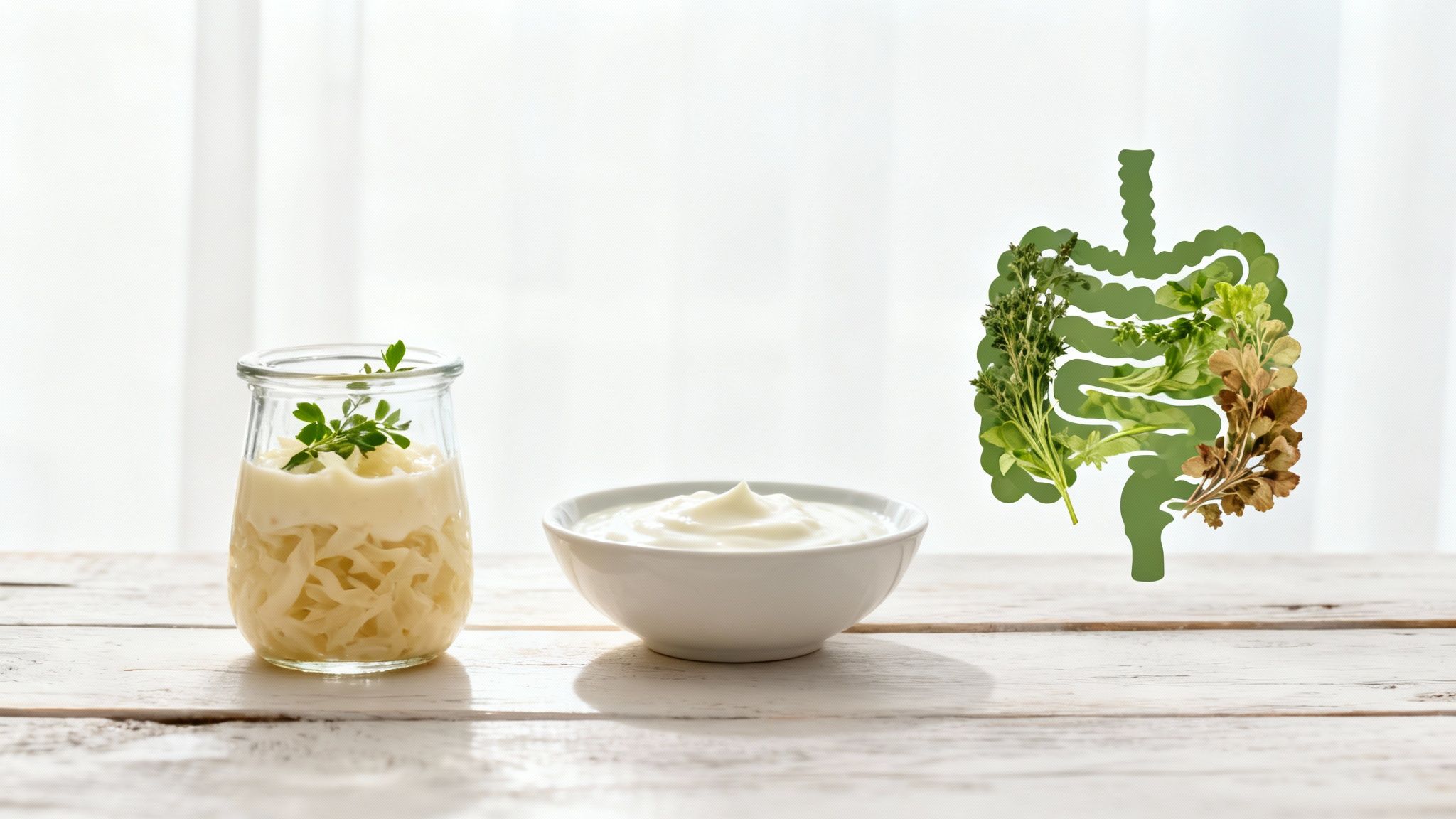
This plays a particularly central role in Hashimoto’s thyroiditis. An intact intestinal barrier is crucial for calming autoimmune reactions and ensuring the absorption of essential nutrients for your thyroid. Your diet for hypothyroidism should therefore always take the gut into account.
Heal the gut–thyroid axis
Your diet should aim to repair the intestinal barrier and restore the balance of your gut bacteria. It is about addressing the root of the problem: the chronic inflammation triggered by “leaky gut.”
Tip: A targeted gut-friendly diet reduces autoimmune activity and improves nutrient absorption, directly benefiting your thyroid and potentially providing lasting relief from your symptoms.
Actionable tips for everyday life
How can you specifically support your gut and promote healing?
- Probiotics & prebiotics: Include fermented foods such as sauerkraut, kimchi, or kombucha for probiotics, and feed these good bacteria with prebiotic fiber from artichokes, onions, leeks, and garlic.
- Healing amino acids: Incorporate bone broth into your meal plan 3-4 times per week. It is rich in amino acids such as glycine and proline, which serve as building blocks for repairing the intestinal lining.
- Targeted support: L-glutamine powder (approx. 10-15 g daily) can accelerate regeneration as a primary energy source for your intestinal cells.
- Pay attention to histamine: Reduce histamine-rich foods (e.g., long-aged cheese, red wine) during the healing phase, as they are often poorly tolerated with leaky gut.
If you want to delve deeper into the topic, you can learn more here about leaky gut syndrome and its treatment. A healthy gut flora is the foundation for a properly functioning thyroid.
8. Optimize meal timing and medication intervals
Taking your thyroid hormone, usually L-thyroxine, is more than just a daily routine. It is a precisely timed process that determines the success of your therapy. Imagine the hormone as a VIP guest who needs an empty red carpet to reach its destination. Certain foods and nutrients can block this carpet and interfere with the absorption of the hormone in the intestines.
Proper coordination between taking medication and meals is a crucial but often overlooked aspect of your diet for hypothyroidism. Taking it incorrectly can prevent your body from absorbing the full dose of the hormone, leading to fluctuating TSH levels and persistent symptoms even though you take your tablet every day.
Maximize absorption
Proper timing is a strategic necessity. L-thyroxine absorption is highest when it is taken on an empty stomach with water only. Foods rich in fiber, calcium (dairy products), or iron, as well as coffee, can reduce absorption by up to 40%. Incorrect timing sabotages your hormone therapy and may lead your doctor to increase the dose unnecessarily.
Tip: Treat your hormone tablet like an exclusive appointment in the morning. Set aside at least 30 to 60 minutes during which nothing else can interfere with absorption to ensure a consistent and reliable hormone supply.
Actionable tips for everyday life
How do you integrate this timing perfectly into your daily routine?
- The gold standard: Take your L-thyroxine immediately after waking up with a full glass of still water. Then wait at least 30, preferably 60 minutes, before having breakfast or drinking your first coffee.
- Keep minerals separate: Nutrient supplements containing calcium, magnesium, or iron should never be taken together with thyroid hormone. Maintain a safety interval of at least four hours.
- Plan your breakfast wisely: A breakfast with healthy fats such as avocado or a splash of olive oil can even slightly improve hormone absorption after the waiting period. However, avoid large amounts of dairy products or high-fiber cereals in your first meal of the day.
For a deeper understanding of the interactions and how you can optimize the use of L-thyroxine for maximum effectiveness, you can find further detailed information in our guide. A consistent routine is the key to stable hormone levels and your well-being.
8-point comparison: Diet for hypothyroidism
| Measure | 🔄 Implementation complexity | ⚡ Resources / effort | ⭐ Expected effectiveness | 📊 Expected results / impact | 💡 Ideal use cases |
|---|---|---|---|---|---|
| Optimize iodine intake | Low 🔄 (simple; medical coordination recommended) | Low ⚡ (food, possibly tablets) | ⭐⭐⭐ (high in cases of deficiency, risk with overdosing) | 📊 Improved hormone production in cases of deficiency; symptom reduction | Regions with iodine deficiency; documented iodine deficiency; simple hypothyroidism |
| Consume selenium-containing foods | Low–Medium 🔄 (simple dietary management) | Low–Medium ⚡ (Brazil nuts, fish, and possibly supplements) | ⭐⭐⭐⭐ (supports T4→T3 conversion and autoimmune reduction) | 📊 Better T4→T3 conversion; improvement in antibodies and symptoms (studies ~55–60%) | Patients with Hashimoto’s or impaired conversion; low selenium levels |
| Iron absorption through food combinations | Low 🔄 (easy through combinations) | Medium ⚡ (iron-rich foods + vitamin C) | ⭐⭐⭐–⭐⭐⭐⭐ (very effective for iron deficiency) | 📊 Improved hormone absorption; reduced fatigue; increased ferritin | Women with low ferritin levels; confirmed iron deficiency |
| Gluten-free/low-gluten diet for Hashimoto’s disease | Medium–High 🔄 (dietary change, social restrictions) | Medium–High ⚡ (more expensive alternatives, planning) | ⭐⭐⭐ (variable; 30–50% respond) | 📊 Reduction in inflammatory markers and TPO antibodies among responders | Hashimoto’s patients with gluten sensitivity or elevated antibodies |
| Consume sufficient amounts of zinc | Low 🔄 (minor adjustment) | Low ⚡ (food or supplements) | ⭐⭐⭐–⭐⭐⭐⭐ (improves T4→T3 conversion and immune regulation) | 📊 Improved TSH/T3 levels; support for tissue healing | Suspected zinc deficiency; vegetarians/vegans; need for immune regulation |
| Anti-inflammatory diet (omega-3) | Low 🔄 (dietary change or supplement) | Medium ⚡ (fatty fish or algae oil) | ⭐⭐⭐⭐ (reduces inflammation, improves well-being) | 📊 Reduction in CRP/TNF‑α; improved mood and cardiovascular protection | Hashimoto’s disease with systemic inflammation or mood problems |
| Address gut health / leaky gut | High 🔄 (a multimodal approach lasting several months) | Medium–High ⚡ (probiotics, prebiotics, time) | ⭐⭐⭐⭐ (strong effect in dysbiosis/leaky gut) | 📊 Better hormone absorption (+20–30%); improvement in symptoms | Hashimoto’s disease with digestive problems, dysbiosis, or suspected leaky gut |
| Optimize meal timing and the interval between meals and medication | Low 🔄 (behavioral adjustment, discipline) | Low ⚡ (no additional costs) | ⭐⭐⭐⭐ (up to 30–40% improvement in TSH with adherence) | 📊 Significantly more stable hormone absorption and TSH levels | All patients taking thyroid hormones; problems with efficacy/adherence |
Your path to greater well-being begins on your plate
As you can see, the right diet for hypothyroidism is about far more than just counting calories. It is a powerful strategy that allows you to actively support your body and significantly improve your quality of life. The journey we have taken together in this article has shown that it is not about strict prohibitions, but about making conscious, nutrient-rich choices.
You have learned how crucial the targeted intake of iodine, selenium, iron, and zinc is. These micronutrients are the fundamental building blocks your thyroid needs to produce hormones and regulate your metabolism. The goal is to give your thyroid the tools it needs for its daily work.
Summary: Your key takeaways
Let's bring together the most important findings once again. Your strategy for a thyroid-friendly diet is based on several pillars:
- Maximize nutrient density: Focus on foods rich in key nutrients: iodine (e.g., from sea fish), selenium (Brazil nuts are a champion here), iron (combined with vitamin C), and zinc (from pumpkin seeds or oatmeal).
- Combat inflammation: An anti-inflammatory diet rich in omega-3 fatty acids from oily fish, flaxseeds, or walnuts may help calm autoimmune processes in Hashimoto’s disease.
- Support gut health: A healthy gut is essential for hormone conversion and nutrient absorption. Probiotic foods and a fiber-rich diet support your microbiome and can help alleviate symptoms of “leaky gut.”
- Smart timing: The simple yet effective tip of leaving enough time between taking your thyroid medication and consuming certain foods (such as calcium and iron) ensures that your body can absorb the hormones optimally.
The next step: Turning knowledge into action
Every body is unique. What works for one person may not be the best solution for you. The strategies presented here are an excellent starting point, but true progress lies in personalization. It is valuable to get to know your own body and understand your individual nutrient needs. Instead of groping in the dark, you can find out precisely where you personally need to take action.
Start small. Choose one or two of the tips mentioned here that are easiest for you to implement. Perhaps you could start by eating a handful of Brazil nuts every day or consciously combining iron-rich foods with sources of vitamin C. Be patient with yourself and your body. Change takes time, but every small step in the right direction is a success. You are in control and have the opportunity to take your health into your own hands—one meal at a time. Your well-being is a journey, and you have just received a detailed map for it.
Are you ready to replace guesswork with facts and take your nutrition strategy to the next level? The tests from MYBODY Lab GmbH help you understand your individual nutrient status and take targeted measures to support your thyroid health. Discover on MYBODY Lab GmbH how you can optimize your health in a personalized, scientifically grounded way.



Share now:
Coffee intolerance: Symptoms, causes & what really helps
Diabetes Nutrition: How to take control of your blood sugar yourself