
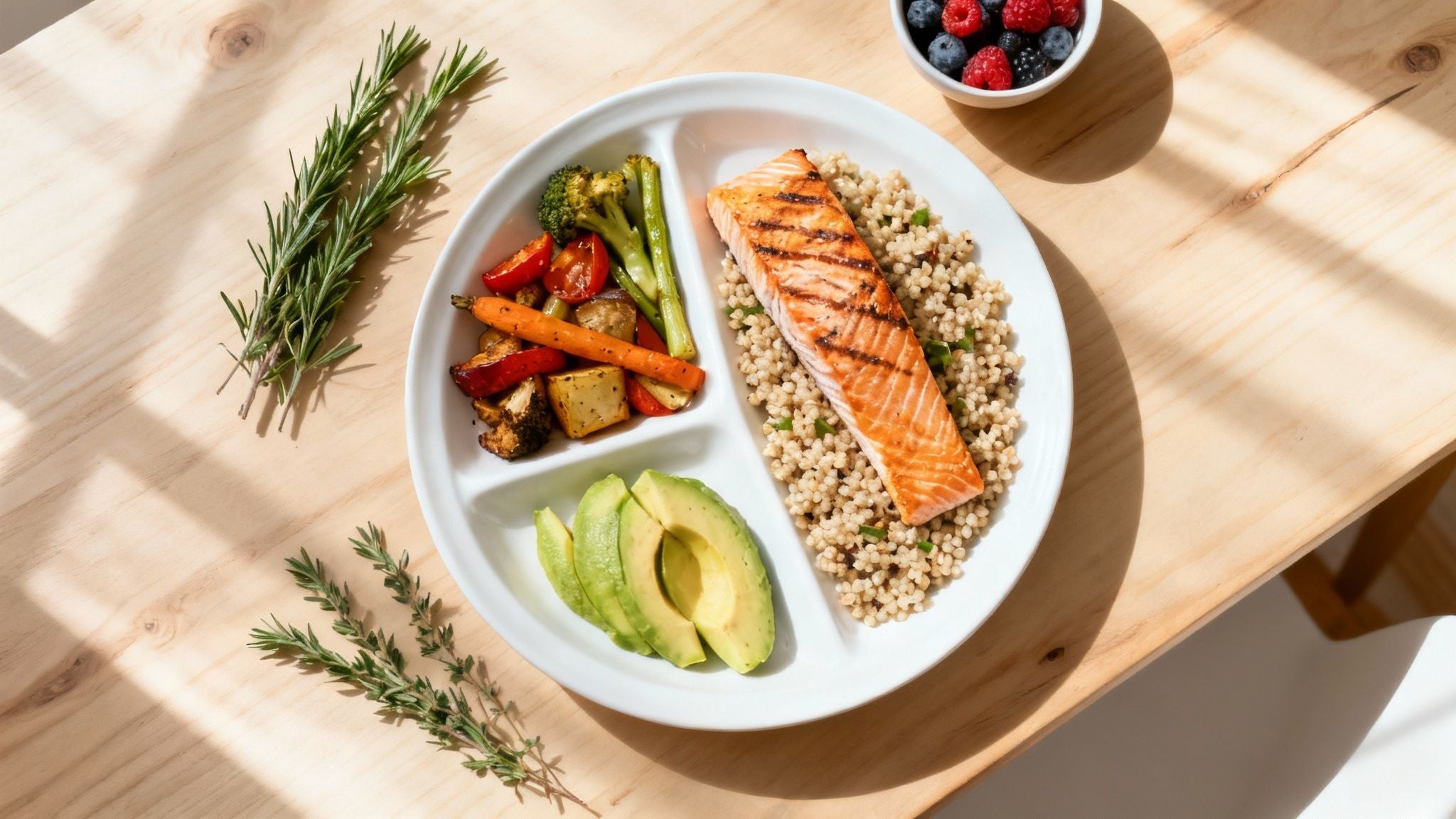
Diabetes Diet: How to Take Control of Your Blood Sugar
A smart diabetes diet is your most powerful tool for taking control of your blood sugar level and deliberately improving your well-being. Forget strict deprivation—it is about understanding how your body works and making smart choices. This way, you become the manager of your own health.
How your diet directly affects blood sugar
Do you sometimes feel overwhelmed by the countless pieces of advice and myths surrounding nutrition for diabetes? You are not alone. Many people think that a diabetes diagnosis means the end of all enjoyment. But the opposite is true: it is the starting point for a more mindful, often even more pleasurable journey toward better health.
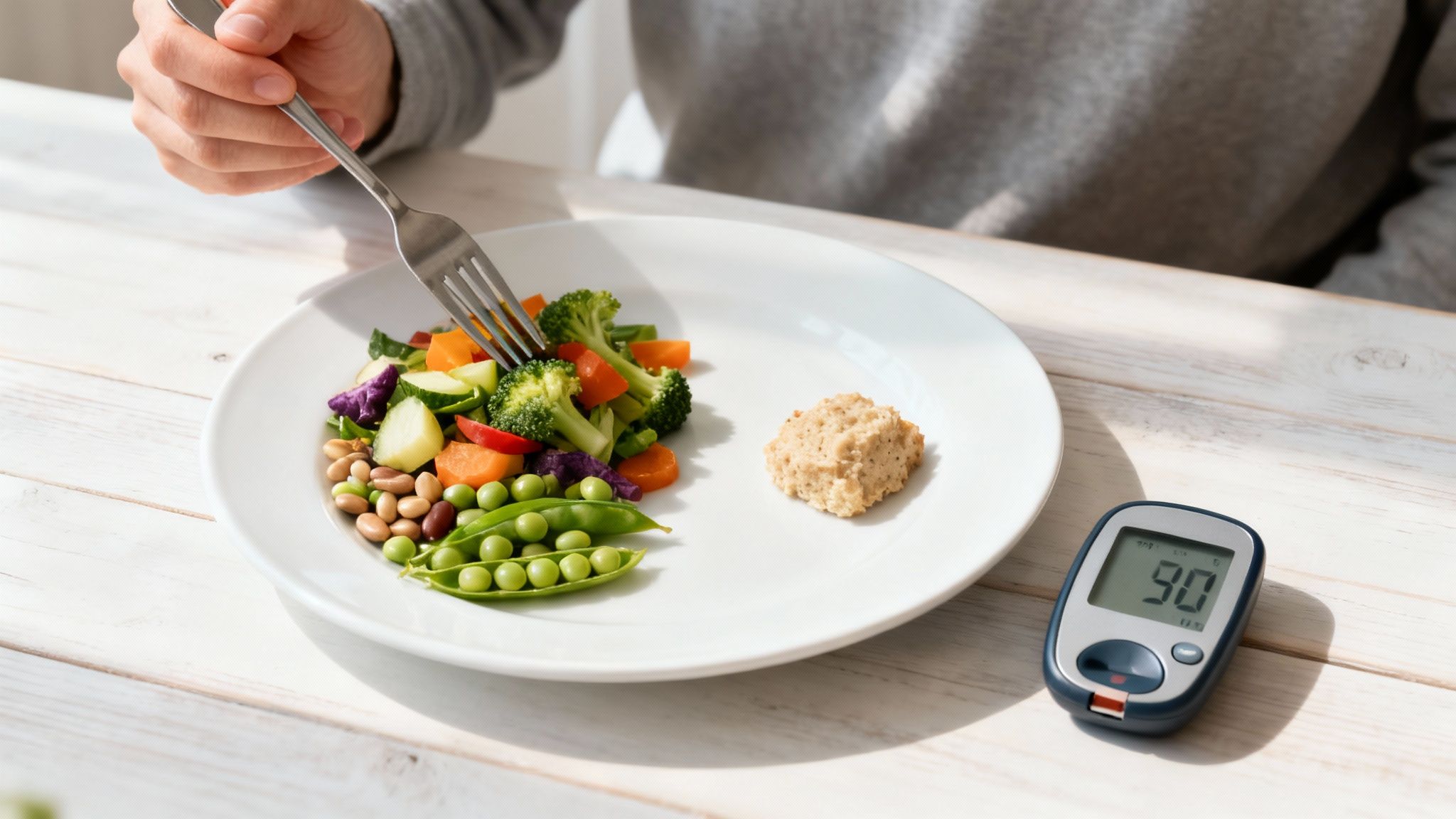
Your diet is the key, because it directly affects your blood sugar level. Simply imagine your blood sugar as a water level. Every meal, especially carbohydrate-rich foods such as bread, pasta, or sugar, makes this level rise. In a healthy metabolism, the hormone insulin ensures that sugar quickly moves from the blood into the cells and the level falls again.
With diabetes, this mechanism has become unbalanced. Either there is not enough insulin, or the cells no longer respond properly to it. The result? The sugar remains in the blood for too long, so the level stays permanently too high.
The key is in your hands
And this is exactly where a strategic diabetes diet comes in. It helps you manage this rise in levels much more gently and controllably. You give your body the right "building blocks" at the right time so that it does not become overwhelmed.
The best news is that you have an enormous influence! A conscious change in diet can stabilize blood sugar levels so effectively that the need for medication decreases or, ideally, becomes completely unnecessary.
Changing your diet is not a punishment, but the most powerful tool you have. It gives you the freedom to actively shape your health and sustainably improve your quality of life.
This proactive approach is backed by impressive figures. In Germany, around 50 percent of people with type 2 diabetes are successfully treated through an adapted diet, weight loss, and regular exercise alone—without medication. This shows how central targeted nutritional therapy is. You can find out more about the latest figures and facts on diabetes treatment at diabetesDE.
More Than Just Blood Sugar Control
A well-planned diabetes diet can do so much more than just keep blood sugar balanced. It is a holistic boost for your well-being:
- More energy in everyday life: No more afternoon slump! Stable blood sugar levels mean consistent energy throughout the day.
- A healthy heart: A balanced diet lowers risk factors such as high blood lipid levels and high blood pressure.
- Support with weight management: The right foods keep you full for a long time and help you reach and maintain your comfortable weight.
- A strong immune system: Vitamins, minerals, and antioxidants from fresh foods are the best support for your body's defenses.
Understanding how your body works in detail is the first step toward an independent life. A DNA metabolism test from mybody-x.com can help you learn about your individual metabolism type. This gives you recommendations tailored precisely to your genetic predisposition, allowing you to optimize your diet even more specifically.
Understanding the Role of Carbohydrates, Proteins, and Fats
Your blood sugar level is not an invisible force—it reacts directly to what ends up on your plate. Fortunately, you do not have to be a biochemist to successfully manage your diabetes diet. It is enough to know the three main players: carbohydrates, proteins, and fats. Simply imagine them as a team in which each player has a very specific role.
Carbohydrates are the sprinters on the team. The body converts them into sugar (glucose) the fastest, providing you with quick energy. That is precisely why a plate of pasta or a piece of bread affects your blood sugar level much more directly than a piece of fish or a handful of nuts.
Proteins are more like marathon runners and builders. They keep you full for a long time, are essential for your muscles and immune system, and have only a minimal impact on blood sugar. And fats? They are the long-distance energy stores. They slow down the entire digestive process and therefore also the absorption of sugar into the bloodstream, ensuring a nice, stable energy curve.
The Art of the Right Combination
The key to stable blood sugar levels lies not in strict abstinence, but in the clever combination of these three nutrients. If you eat carbohydrates in isolation—say, a dry slice of white bread—your blood sugar shoots up rapidly and falls just as quickly. The result is often the dreaded energy slump, followed by intense cravings.
But if you combine the same slice of bread with protein and healthy fats, such as avocado and chicken breast, everything changes.
- Fats from the avocado: They essentially coat the carbohydrates and slow their breakdown in the stomach.
- Protein from the chicken breast: It keeps you feeling full for a long time and prevents you from getting hungry again shortly afterward.
This simple combination makes the sugar from the bread enter the bloodstream much more slowly and steadily. Your blood sugar level rises gently instead of forming a sharp spike. This eases the strain on your pancreas, provides you with consistent energy for hours, and is the most important foundation for successful diabetes nutrition.
With every meal, remember the “golden rule” of combining foods: always add a serving of protein and healthy fats to every source of carbohydrates. This simple trick is one of the most effective ways to keep blood sugar levels stable.
The glycemic index as your tool
To assess the impact of carbohydrates even more effectively, there is an incredibly useful tool: the glycemic index (GI). You can think of it as a speed label for carbohydrate-containing foods. It tells you how quickly a food causes your blood sugar level to rise.
- Foods with a high GI (e.g., white bread, dextrose): They act like a turbo boost and send blood sugar levels soaring.
- Foods with a low GI (e.g., lentils, whole-grain bread, vegetables): They are more like long-distance runners, releasing their energy slowly and steadily.
Your goal should be to choose mostly foods with a low to medium GI. These are often rich in fiber, which also helps slow the absorption of sugar and keeps you feeling full for longer. You can find a detailed overview and practical tips in our comprehensive article on the glycemic index table.
Applying this knowledge in everyday life is easier than you think. Instead of getting lost in complex calculations, focus on the quality of your food. Choose whole-grain options instead of products made with refined white flour, eat more vegetables and legumes, and always combine your meals smartly. This way, you turn knowledge into practical action and become a confident manager of your blood sugar levels.
Your shopping guide to a blood sugar-friendly kitchen
Okay, you have mastered the theory of macronutrients—now it’s time to put it into practice. A successful diabetes diet does not begin when you start cooking, but already at the supermarket. Think of your shopping cart as your personal tool for actively managing your blood sugar levels. The right choices in the store are the key to stable energy instead of annoying blood sugar spikes.
But which foods are your best allies? This guide will help you make the best choices with confidence among the supermarket shelves. It is not about counting calories or giving up everything that tastes good. Instead, you will learn to recognize nutrient-dense foods that truly nourish you, keep you full for a long time, and support your metabolism.
The green heroes: Fiber-rich vegetables and legumes
Vegetables and salads should make up by far the largest part of your shopping cart. They are your base, your foundation. Why? Because they are packed with fiber, vitamins, and minerals, while having very little impact on your blood sugar. Fiber acts like tiny sponges in the gut: It slows digestion, provides satiety that really lasts, and buffers the absorption of sugar into the bloodstream.
The most valuable ones here are:
- Green leafy vegetables: Spinach, kale, and lamb’s lettuce are true nutrient powerhouses.
- Cruciferous vegetables: Broccoli, cauliflower, and Brussels sprouts provide valuable secondary plant compounds.
- Legumes: Lentils, chickpeas, and beans are a brilliant combination of fiber and plant-based protein. Perfect for making the rise in blood sugar after eating much gentler.
This infographic perfectly summarizes the three pillars of a balanced meal—exactly what you need to keep your blood sugar levels under control.
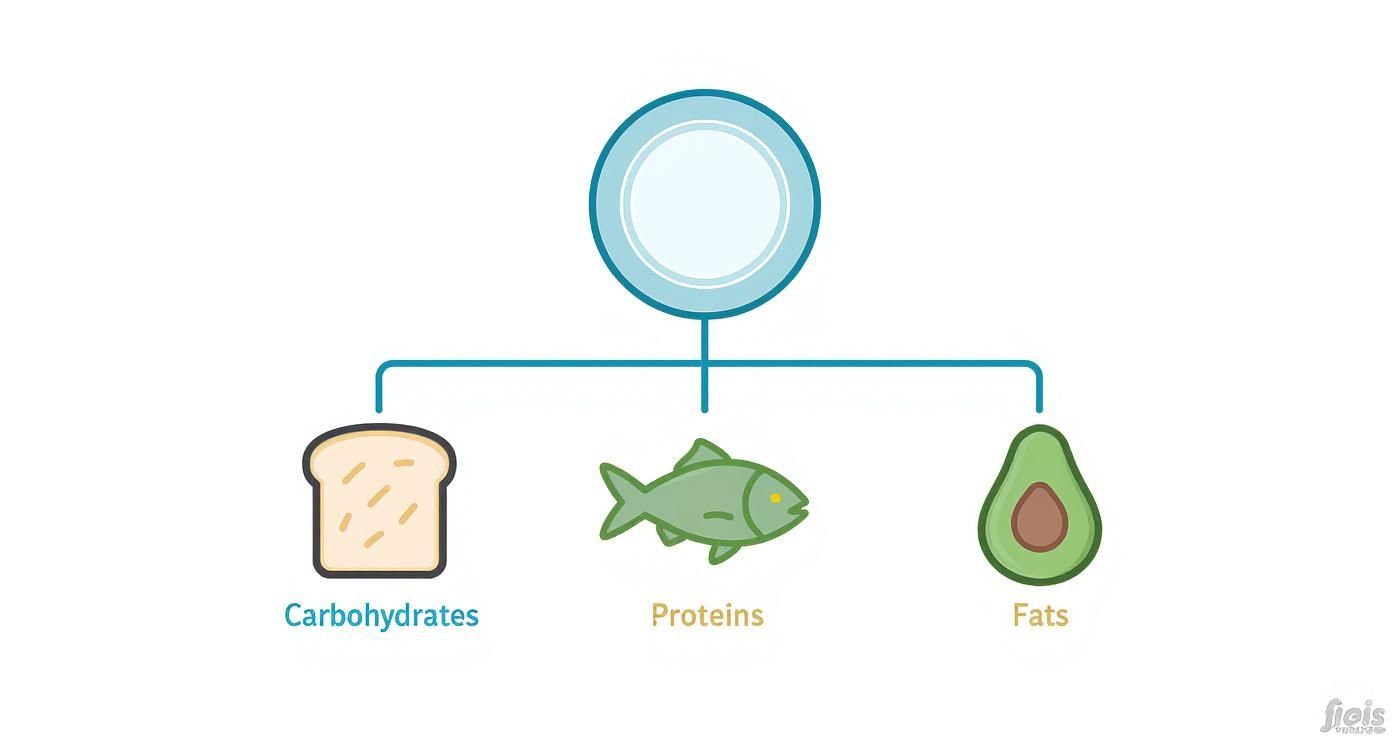
You can see it right away: A truly great meal always consists of all three macronutrient groups. That is the only way your metabolism can work optimally.
Healthy fats as a source of energy
Fat is not your enemy—in fact, quite the opposite. The right fats are essential for your health and a real powerhouse for your diabetes diet. They slow gastric emptying and ensure that the sugar from carbohydrates trickles into your bloodstream only very slowly. The result is a nice, flat blood sugar curve.
Simply focus on unsaturated fatty acids from natural sources:
- Avocados: Creamy, incredibly filling, and packed with healthy fats and fiber.
- Nuts and seeds: Almonds, walnuts, chia seeds, and flaxseeds are perfect snacks between meals or as toppings for yogurt and salads.
- High-quality oils: Extra-virgin olive oil for cold dishes and stable rapeseed or avocado oil for frying.
A spoonful of good olive oil over your salad or a small handful of nuts with fruit can often make all the difference. They can transform a meal that could send your blood sugar soaring into a balanced, metabolism-friendly source of energy.
High-quality proteins for long-lasting satiety
Proteins are the building blocks of your body and have the least direct impact on your blood sugar level. However, they are extremely important for maintaining muscle and provide deep, long-lasting satiety. They are your secret weapon against cravings, helping you stay stable and energized between meals.
Make sure to include plenty of variety in your protein sources:
- Fish: Fatty fish such as salmon, mackerel, or herring also provides valuable omega-3 fatty acids.
- Poultry and lean meat: Chicken or turkey breast are excellent, low-fat sources of protein.
- Eggs and dairy products: An egg for breakfast or Greek yogurt as a snack can keep your blood sugar stable for hours.
- Plant-based options: Tofu, tempeh, and edamame are great and versatile alternatives.
Food traffic light for your diabetes diet
To help you keep your bearings in the supermarket, this simple traffic light can serve as a helpful reminder. It helps you quickly and intuitively make the right choices and fill your shopping cart wisely.
Food traffic light for your diabetes diet A simple overview of which foods you should prefer (green), enjoy in moderation (yellow), or avoid (red) to keep your blood sugar stable.
| Green (Recommended) | Yellow (In moderation) | Red (Enjoy rarely) |
|---|---|---|
| Non-starchy vegetables (broccoli, spinach, bell peppers), legumes, berries | Whole-grain products (bread, pasta), higher-sugar fruits (bananas, grapes) | White flour products (white bread, cake), sugary drinks, processed ready-made meals |
| High-quality proteins (fish, poultry, eggs, tofu), nuts & seeds | Starchy vegetables (potatoes, corn, peas), high-quality dairy products (plain yogurt) | Sweets, fast food, alcohol with added sugar (e.g., cocktails) |
| Healthy fats (avocado, olive oil), water & unsweetened tea | Red meat (enjoy in moderation) | Fried foods, saturated fats (in sausage, palm oil) |
So, if you fill your shopping cart mainly with foods from the green category, you are laying the perfect foundation for stable blood sugar control. Many of these principles also overlap significantly with a low-carb diet. You can find additional inspiration in our guide to low-carb eating and which foods are best suited for it.
Developing a practical meal plan for everyday life
Theory is all well and good, but what ultimately matters is putting it into practice in everyday life. Think of this section as your personal toolbox for getting your diabetes diet under control sustainably and without stress. It is about finding a consistent structure that fits easily into your life and gives you security from breakfast through dinner.
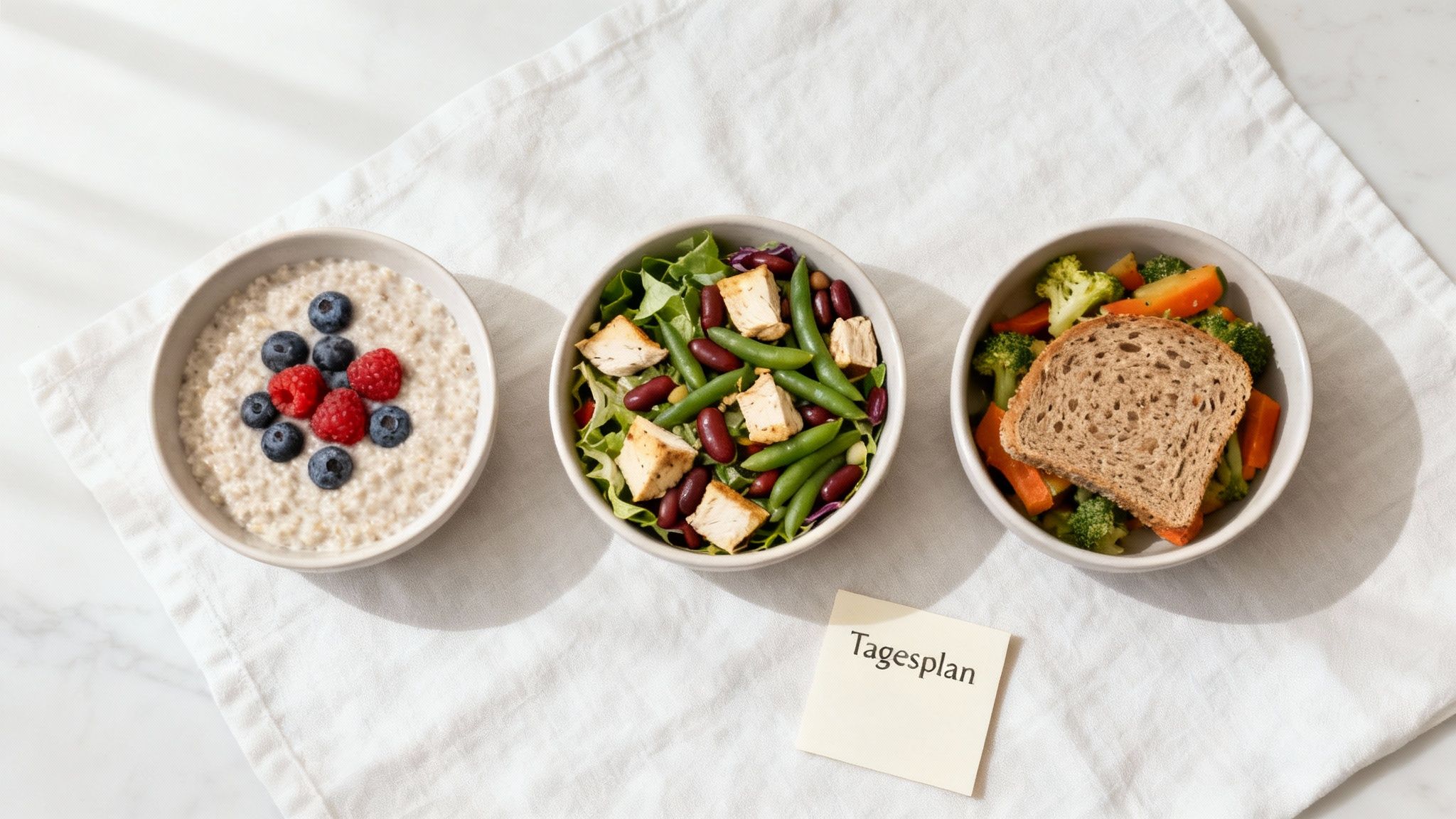
A well-structured day helps your body enormously to keep your blood sugar levels balanced. Regular meals signal to your metabolism: “Don’t worry, the energy is coming reliably.” That alone prevents many cravings and the dreaded blood sugar spikes.
You will see: Healthy eating does not have to be complicated or boring. With a little planning, your kitchen becomes a small oasis of well-being that actively supports your health.
The perfect start to the day
Breakfast is the most important factor shaping your blood sugar throughout the day. If you start with a carbohydrate-rich meal such as sugary cornflakes or a white bread roll with jam, your blood sugar will immediately spike. The result is almost always a rapid energy slump in the late morning.
It is better to opt for a smart combination of complex carbohydrates, high-quality proteins, and healthy fats. This mixture ensures a slow and steady release of energy that keeps you full and focused for hours.
A prime example is oatmeal made from rolled oats. The fiber in it slows down sugar absorption. Enrich it with protein sources such as Greek yogurt or nuts and healthy fats from chia seeds, and you have the perfect start. Learn even more in our guide about whether oats are healthy.
Planning lunch and dinner wisely
The same principle applies to lunch and dinner: combine foods smartly. The “plate method” is a fantastic visual aid here, without the hassle of counting calories:
- Half the plate: Fill it with non-starchy vegetables. Think broccoli, spinach, a colorful salad, or bell peppers. They provide vitamins and fiber without significantly affecting your blood sugar.
- One quarter of the plate: This section is reserved for high-quality protein. It could be a piece of grilled salmon, a chicken breast, tofu, or a generous portion of lentils.
- The final quarter: This is where complex carbohydrates belong—for example, quinoa, brown rice, or a small sweet potato.
A good meal is like a well-functioning team: The vegetables provide the foundation, the protein keeps you feeling full, and complex carbohydrates give you the sustained energy you need.
This simple structure makes every meal balanced and prevents your blood sugar from being unnecessarily affected. The great thing is that you can adapt it flexibly to your taste and what’s in season.
Meal prep as your secret weapon
Honestly, stressful days are the biggest enemies of a healthy diet. When time is tight, we all sometimes reach for unhealthy snacks or ready-made meals. The simple but brilliant solution? Meal prep—cooking meals in advance for several days.
Simply set aside an hour or two on the weekend to prepare a few healthy components. This takes the pressure off during the week and makes healthy choices a breeze.
- Cook grains in advance: A large portion of quinoa or brown rice in the fridge is the perfect base for quick bowls or salads.
- Chop some vegetables in advance: Sliced bell peppers, cucumbers, or carrots are ready to grab as a snack or a quick salad side.
- Prepare proteins: Hard-boil a few eggs, pan-fry chicken breast, or marinate a block of tofu. That way, you’ll always have a source of protein ready.
Meal prep doesn’t mean you have to cook entire dishes in advance. It’s more about preparing individual components. That way, you can quickly and flexibly put together a blood-sugar-friendly meal every day.
Sample daily plan for stable blood sugar control
To make getting started even easier, we’ve put together a sample daily plan here. Think of it as inspiration that you can adapt however you like. It’s meant to show you how delicious and uncomplicated a diabetes-friendly diet can be.
Sample daily plan for stable blood sugar control This plan presents specific meal suggestions for an entire day to illustrate the principles of a diabetes-friendly diet in practical terms.
| Meal | Example dish | Focus |
|---|---|---|
| Breakfast | Greek yogurt with berries, a handful of nuts, and chia seeds. | Protein, healthy fats, and fiber for a gradual rise in blood sugar and long-lasting satiety. |
| Lunch | Large mixed salad with grilled chicken breast strips, chickpeas, and an olive oil dressing. | Plenty of fiber from the vegetables, high-quality protein for satiety, and healthy fats from the dressing. |
| Dinner | Pan-fried salmon fillet with roasted vegetables (broccoli, zucchini, bell pepper) and a small portion of quinoa. | Omega-3 fatty acids from the salmon, vitamins from the vegetables, and complex carbohydrates for stable energy. |
| Snack (optional) | A handful of almonds or a few vegetable sticks with herb quark. | Prevent cravings between meals without significantly affecting blood sugar. |
This plan is your starting point. Have fun experimenting with different recipes and discovering what tastes good and makes you feel good. This will turn your dietary change into a sustainable and enjoyable habit.
Why prevention begins in childhood
When we think of type 2 diabetes, we usually picture a purely “age-related disease.” But this notion has long since become outdated. Reality paints a very different and quite concerning picture: More and more children and adolescents are showing symptoms that previously occurred almost exclusively in adults.
This change is closely linked to our modern lifestyle. A diet full of rapidly digested sugars, unhealthy fats, and highly processed foods overwhelms the young body. Especially during important growth phases, the body needs an abundant supply of nutrients to develop a healthy metabolism.
A consistently high intake of sugar and fat can lead to insulin resistance early on—the direct precursor to type 2 diabetes. Think of it this way: Over time, the cells become “deaf” to the insulin signal. This forces the pancreas to produce more and more of this hormone until it eventually becomes exhausted.
Setting the course for the future
As a parent, you have an incredibly significant influence on the eating habits your child carries into life. Preferences formed during childhood often last a lifetime. This is not about imposing strict prohibitions or striving for perfection. Rather, it is about creating a healthy foundation and fostering a positive, relaxed attitude toward food.
The figures from the Robert Koch Institute are a real wake-up call. As early as 2022, 15.4 percent of children and adolescents between the ages of 3 and 17 were overweight. Around 6 percent of them even had obesity. This trend is directly linked to the rising risk of type 2 diabetes. You can read more about these alarming statistics from the German Diabetes Association.
Practical tips for a healthy family diet
A healthy diabetes diet for prevention doesn’t have to be complicated at all. With a few simple basic rules, you can strengthen the health of your entire family:
- Shared meals: Regular mealtimes together provide structure and are the perfect opportunity to model a healthy food culture naturally.
- Water is the best thirst quencher: Don’t let sugary sodas and juices become a habit in the first place. Instead, always offer water or unsweetened tea.
- Vegetables and fruit as the foundation: Colorful salads, vegetable sticks with a delicious dip, or a fresh fruit salad should be regular parts of your daily routine.
- Cook together: Involve your children in cooking. Those who chop and stir themselves are usually much more curious and willing to try something new.
Healthy eating habits are not learned through strict rules. They develop through shared experiences, positive role models, and the joy of fresh, homemade food.
Of course, your genes also play a role when it comes to the predisposition to metabolic disorders. But your lifestyle has the final say in whether this predisposition actually manifests itself. This is precisely where epigenetics comes in. It describes how external factors such as our diet can switch certain genes on or off. You can learn more about this fascinating topic in our article what is epigenetics.
Ultimately, early prevention is the most effective weapon. By establishing healthy habits in your family, you not only create the best conditions for your child. You are investing in the long-term health and well-being of all family members and laying the foundation for a long, vibrant life—without the burden of a chronic illness.
Frequently asked questions about nutrition and diabetes
As soon as you start changing your diet because of diabetes, the first questions arise in everyday life. That is perfectly normal and a good sign, because it shows that you are engaging with the issue! To give you a little more confidence in your daily decisions, we answer the most pressing questions here—clearly and without jargon.
Do I have to completely avoid fruit if I have diabetes?
No, absolutely not! We hear this concern often, but fortunately, it is unfounded. Fruit is packed with important vitamins, minerals, and, above all, fiber, which supports your digestion and helps you feel pleasantly full.
The trick is not to abstain, but to choose and combine foods wisely. It is best to choose fruits that naturally contain less fructose, such as berries, apples, or pears. But the most important thing is this: Never eat fruit on its own; always pair it with a source of protein or healthy fats.
Here are a few simple examples that make a difference:
- An apple with a handful of almonds: The fats and proteins in the almonds slow the absorption of sugar from the apple. As a result, your blood sugar rises much more gently.
- Berries with Greek yogurt or quark: The protein acts as a buffer for the fruit sugar and keeps you feeling full for a long time.
- Pear slices with a spoonful of nut butter: Super delicious, and a combination that keeps your blood sugar nice and stable.
With this simple method, the sugar enters your bloodstream much more slowly, helping you avoid the dreaded blood sugar spikes.
Are special diabetic products a good choice?
They used to be found in every supermarket, but experts now generally advise against them. The reason is simple: They often fail to deliver what they promise and may even have drawbacks.
Many of these products contain sugar substitutes such as sorbitol or maltitol. Consumed in larger quantities, they can quickly cause unpleasant bloating or diarrhea. They are also often more expensive and quite frequently contain just as many calories and fats as conventional sweets.
The best approach remains a balanced diet consisting of fresh, real foods. Instead of relying on special marketing labels, learn to read the nutrition facts label. This gives you the freedom to make independent, genuinely healthy choices.
So focus on what is naturally good for you. A homemade snack made from nuts and berries is always superior to an industrially produced “diabetic cookie.”
How important is the timing of my meals?
It is less the exact time that matters and more the regularity. Your body is a creature of habit and loves routines. Set, reliable mealtimes help your metabolism keep blood sugar levels balanced throughout the day and prevent cravings from arising in the first place.
For most people, a rhythm of three main meals about four to five hours apart works very well. This gives your body enough time to process everything calmly and prevents major blood sugar fluctuations.
Find a routine that fits into your daily life and that you can stick to. Whether you eat dinner at 6 p.m. or 7 p.m. makes little difference. The only important thing is to avoid extremes—for example, going for hours without eating and then devouring a huge portion. That would put pure stress on your blood sugar.
Can I reduce my diabetes medication through diet?
Yes, this is an absolutely realistic and incredibly motivating goal for many people with type 2 diabetes! Your diet is the most powerful tool you have at your disposal to actively manage your health.
A consistent change in diet, combined with regular exercise and possibly weight loss, can drastically improve your body cells' sensitivity to insulin. When the cells respond better to the body's own insulin again, the pancreas has to work less hard—and the need for medication may decrease.
Current studies even show that blood sugar levels can normalize and the risk of diabetes can be significantly reduced, even with little weight loss. This shows just how incredibly effective good metabolic health is in itself.
But be careful: You must always make any adjustments to your medication in close consultation with your doctor. Never stop taking medication on your own! Consider your diet your strongest ally in helping you achieve your goals—hand in hand with medical care.
Every body is unique. To perfectly tailor your diet and lifestyle to your individual needs, a deeper analysis of your metabolism may be the crucial next step. At mybody-x.com, we offer scientifically backed DNA tests that help you understand your personal metabolic type. Learn more about how you can specifically optimize your health at https://mybody-x.com.



Share now:
Nutrition for an underactive thyroid: 8 tips for your thyroid health
What are healthy carbohydrates? Your comprehensive guide to stable energy