
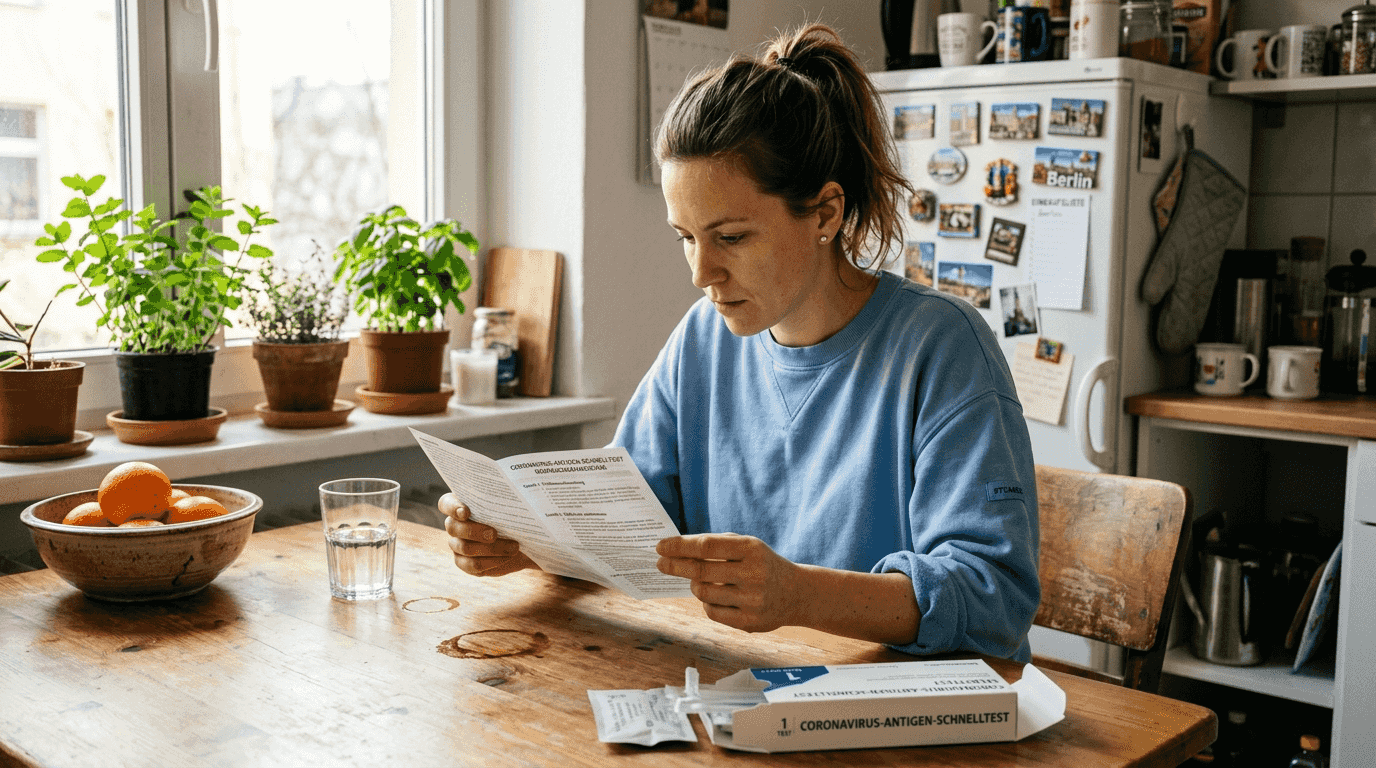
How to correctly perform a self-test: comprehensive guide 2026
Many health-conscious people face a common problem: They want to perform DNA, microbiome, or nutrition tests at home but receive inconsistent or difficult-to-interpret results. The cause often lies in incorrect sample collection, inadequate preparation, or a lack of understanding of the analysis methods. This guide provides practical steps for correctly performing self-tests, helps avoid common mistakes, and shows how to obtain meaningful results. You will learn what preparations are necessary, how sample collection works step by step, and how to make sensible use of your results.
Table of contents
- Preparing for the self-test
- Step-by-step guide to sample collection
- Interpreting and making meaningful use of the results
- Common mistakes and how to avoid them
- Discover our at-home test kits
- Frequently asked questions about correctly performing the self-test
Key takeaways
| Point | Details |
|---|---|
| Error-free sample collection | Correct collection and storage are essential for meaningful test results. |
| Preparation is decisive | Wait at least 4 weeks after taking antibiotics and have all materials ready in advance. |
| Interpret with caution | Microbiome tests show variability and do not replace a medical diagnosis. |
| Standardization is still lacking | Professional discussion of the results significantly improves understanding. |
| Practical application | Results help you optimize your diet and lifestyle in a targeted way. |
Preparing for the self-test
Thorough preparation is the foundation for reliable test results. Before you begin collecting the sample, you should gather all the required materials and create optimal conditions. Professional test kits generally contain sterile sampling utensils, shipping tubes, stabilization solutions, and detailed instructions. You will also need personal record sheets to document relevant information such as medication use, dietary habits, and current symptoms.
Personal preparation plays an equally important role. Hygiene comes first: Wash your hands thoroughly with soap and, if possible, use disposable gloves while collecting the sample. If you have recently taken antibiotics, you must wait at least four weeks before correctly performing a microbiome test. Antibiotics significantly alter the bacterial composition of the gut and therefore distort the analysis results. Other medications, such as probiotics, laxatives, or anti-inflammatory preparations, should also be paused for a few days before sample collection whenever possible.
Standardizing sample collection minimizes measurement deviations and improves the comparability of your results with reference values. Choose a time when you are relaxed and have sufficient time. Avoid stress or physical exertion immediately before collection. For stool samples, collection in the morning is recommended, as bacterial activity naturally fluctuates throughout the day. The lack of standardization affects the comparability of many commercial microbiome tests, making careful preparation all the more important.
Necessary utensils and preparation steps:
| Utensil | Purpose | Preparation |
|---|---|---|
| Sterile sample tube | Sample collection | Do not open before use |
| Stabilization solution | Sample preservation | Check room temperature |
| Disposable gloves | Hygiene and contamination prevention | Prepare before starting |
| Shipping envelope | Safe transport | Check address and barcode |
| Entry form | Documentation of relevant data | Complete in full |
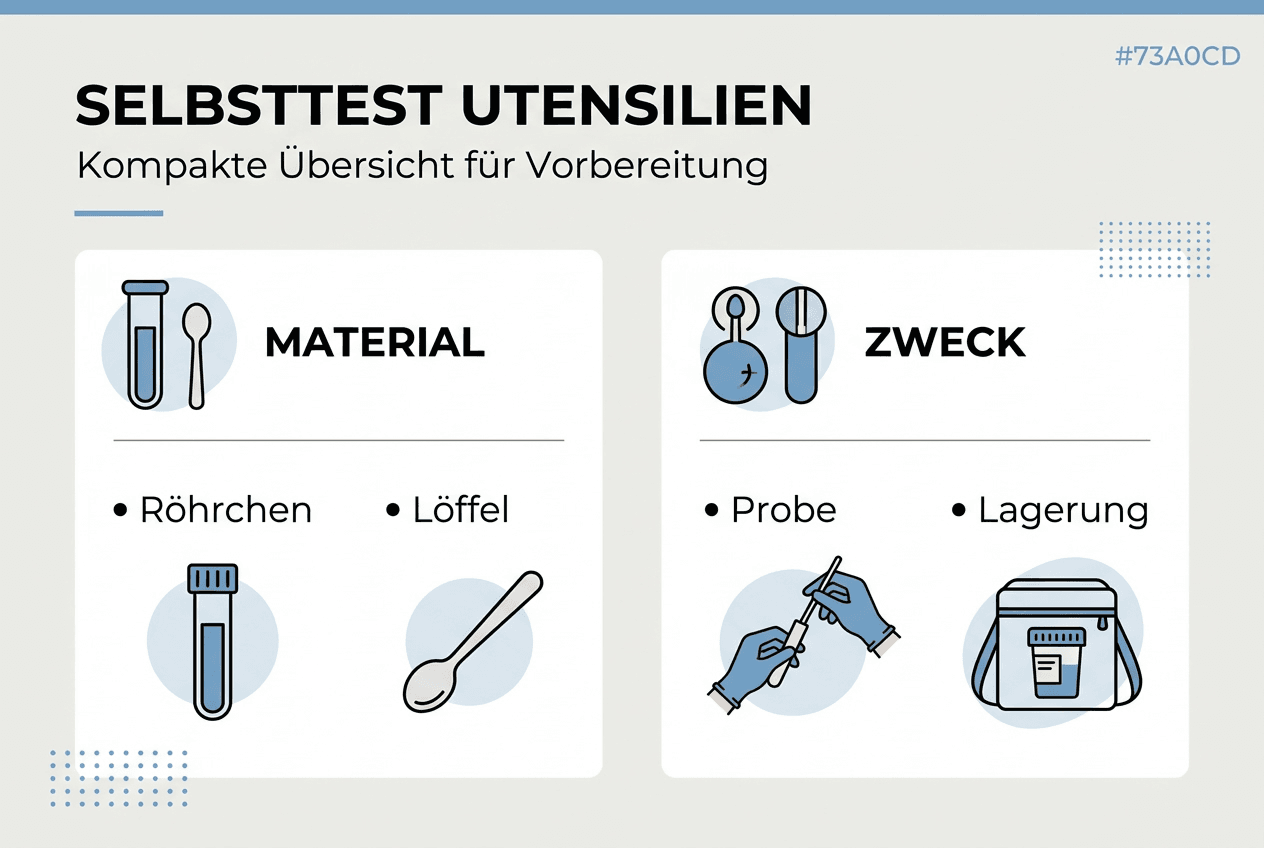
Professional tip: Prepare all materials the night before and read the instructions carefully several times. This helps you avoid time pressure and carry out the sample collection calmly. Make a note of any outstanding questions and clarify them with the provider’s customer service in advance.
Step-by-step instructions for sample collection
Proper sample collection has a significant impact on the quality of your test results. Follow these systematic instructions to avoid common mistakes and enable meaningful analyses.
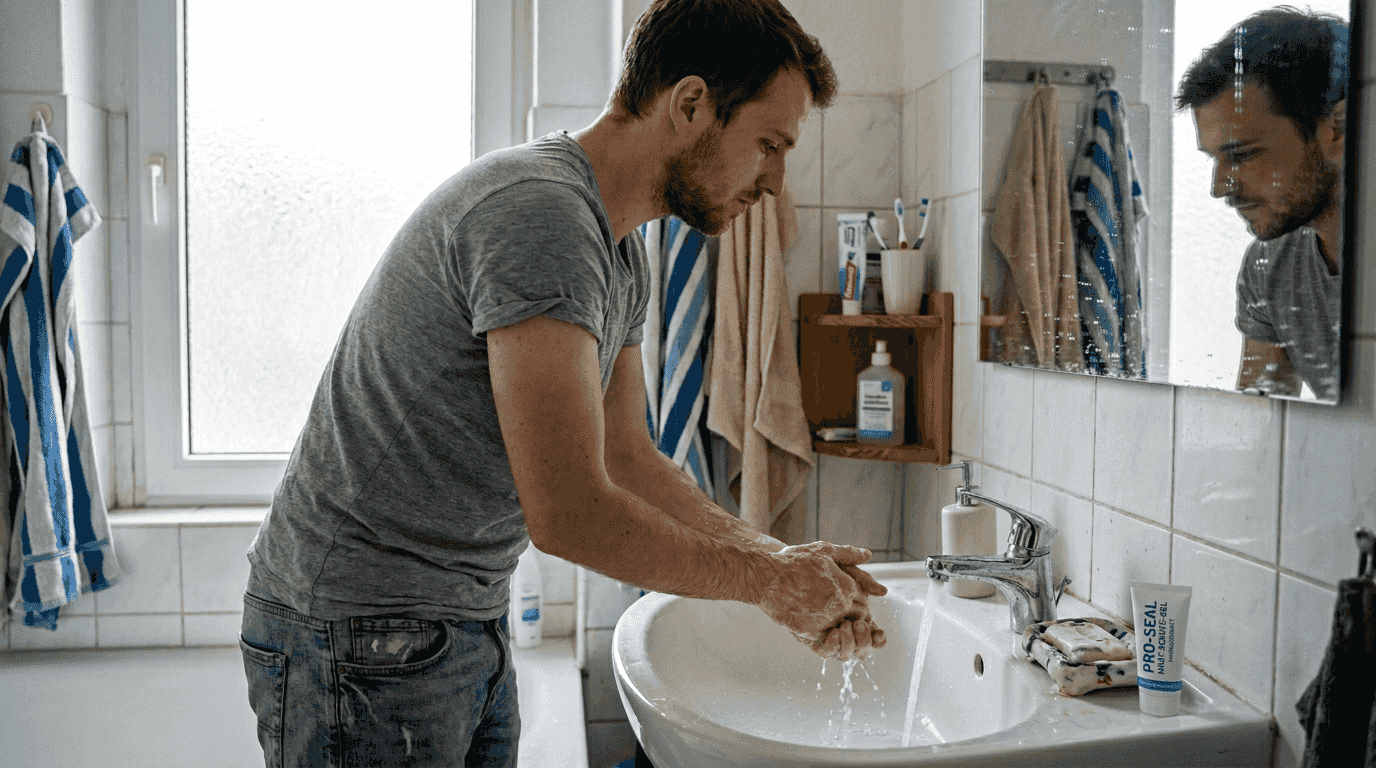
1. Preparing for sample collection: Wash your hands with soap and warm water for at least 20 seconds. Dry them with a clean towel or use disposable gloves. Place all materials on a clean, disinfected surface. Do not open the sample tube until immediately before collection to avoid contamination. Check that the stabilization solution is present in the tube and that it is filled to the correct level.
2. Collecting the sample: For stool samples, use the enclosed sample spoon or collection aid to collect a small amount of stool from different areas. Avoid contact with toilet water or urine, as this can distort the bacterial composition. Fill the tube up to the marked line, but do not exceed it. For saliva samples for DNA tests, collect the saliva immediately after waking up, before eating, drinking, or brushing your teeth. Sample collection is easy to perform at home if you follow the instructions carefully. Close the tube tightly immediately and shake it gently to mix the sample with the stabilization solution.
3. Safe packaging and shipping: Label the sample tube with your name and the collection date. Place it together with the completely filled-out registration form in the prepared shipping envelope. Seal the envelope carefully and take it to the post office the same day. Most providers recommend shipping within 24 hours of collection to ensure sample quality. If there are longer delays, store the sample in the refrigerator at 4 to 8 degrees Celsius.
Common mistakes and how to avoid them:
- Contamination from toilet water or urine: Use a collection container or special collection aids
- Sending the sample too late: Arrange shipping on the day of collection
- Failure to observe waiting periods after antibiotics: Wait at least four weeks
- Insufficient sample quantity: Fill the tube up to the mark
- Missing or incomplete documentation: Fill in all fields on the registration form
Pro tip: Cool the sample immediately after collection and arrange shipping within the recommended timeframe. Photograph the barcode on the sample tube as a precaution in case any questions arise. Avoid collecting samples on Fridays or before public holidays so the sample does not spend unnecessarily long in transit.
Interpreting and making meaningful use of the results
After the laboratory analysis, you receive a detailed report on your individual bacterial composition, genetic markers, or nutrient status. Interpreting this data requires an understanding of the biological relationships and the limitations of the analysis methods. For example, microbiome analyses show the diversity and distribution of different bacterial strains in your gut. This information provides indications of digestive functions, immune activity, and possible imbalances.
However, the results are subject to natural fluctuations and should not be considered in isolation. Factors such as diet, stress, sleep quality, and physical activity continuously influence the bacterial composition. A single test provides a snapshot, not an absolute diagnosis. The lack of medical standardization of microbiome tests means that different laboratories use different analysis methods and reference values. Interpretations should therefore be treated with caution and always considered in the context of your personal health history.
Practical use of test results:
- Identifying dietary influences: Determine which foods support or burden your gut health
- Lifestyle optimization: Adjust sleep, exercise, and stress management in a targeted way
- Understanding digestive complaints: Identify possible connections between bacterial composition and symptoms
- Progress monitoring: Repeat tests after a few months to document changes
- Targeted supplementation: Supplement missing nutrients or probiotics based on the analysis results
The importance of a professional consultation cannot be overstated. Many providers offer audio consultations or personal appointments in which experts explain your results in detail and provide individualized recommendations. This guidance helps you interpret the data correctly and derive concrete steps to take. Understand the science behind microbiome analysis to make informed decisions about your health. Holistic practitioners use such analyses as a complementary tool, not as the sole basis for treatment decisions.
Microbiome analyses can provide initial indications of imbalances and help optimize diet and lifestyle. However, they do not replace a medical diagnosis and should always be interpreted in consultation with healthcare professionals.
Use the results as a starting point for targeted changes. Document your symptoms, eating habits, and living conditions over several weeks. This will help you identify connections and assess the effectiveness of your adjustments. Further information about microbiome analysis under the microscope will help you better understand the possibilities and limitations of this method.
Common errors and how to avoid them
Even with careful preparation, errors can occur that compromise the quality of your test results. Being aware of common pitfalls helps you avoid them and obtain meaningful analyses.
Errors during sample collection: Contamination by foreign substances is the most common problem. Toilet water, urine, cleaning agents, or cosmetics can distort the bacterial composition and lead to misleading results. Use only the sterile utensils provided, and do not touch the inside of the sample tube with your fingers. The timing of collection also matters: Conditions are not optimal immediately after eating or during acute diarrhea. An insufficient sample quantity may prevent the laboratory from carrying out a complete analysis. Therefore, always fill the tube to the indicated mark.
Incorrect sample storage and shipping delays: Bacterial activity changes continuously after collection. Without a stabilizing solution or if stored incorrectly, sensitive bacterial strains die off while more robust ones multiply. This significantly distorts the actual picture of your gut microbiome. Store the sample at room temperature for a maximum of 24 hours. If you expect longer delays, refrigeration is essential. Avoid shipping delays over weekends or public holidays by planning ahead. Inadequate standardization leads to varying results in at-home tests, so every additional source of error further reduces their reliability.
Incomplete completion of accompanying forms: Many users underestimate the importance of documentation. Information about medication use, eating habits, symptoms, and pre-existing conditions is essential for interpreting the results. Without this information, experts cannot put the data into the right context. Take the time to fill out all fields carefully. If you are unsure, contact customer service before sending in the sample.
Use test results thoughtfully: Tests provide guidance, not definitive diagnoses. Many users interpret deviations from reference values as signs of illness and independently take drastic measures. This can be counterproductive. Always discuss unusual findings with qualified professionals. Avoid taking high-dose probiotics or making radical dietary changes without professional guidance.
Tips for proper testing and choosing a provider:
- Choose providers with ISO-certified laboratories and transparent analysis methods
- Check whether personal consultations or audio consultations are included in the service
- Compare the differences between microbiome tests offered by different providers
- Pay attention to data protection and pseudonymized sample processing
- Read testimonials and assess the scientific basis of the methods
By consciously avoiding errors and choosing reliable providers, you can maximize the benefits of your self-tests. Consider the results as part of a holistic health concept that includes regular medical checkups, a balanced diet, and a healthy lifestyle.
Discover our at-home test kits
Would you like to optimize your health independently and based on scientific evidence? Our professional test kits enable you to analyze your microbiome, DNA, and diet conveniently at home. Each kit contains sterile sampling utensils, detailed instructions, and all the materials needed for safe shipping. After laboratory analysis at our ISO-certified partner laboratory, you will receive a detailed report with personalized dietary recommendations and lifestyle tips. Benefit from personal consultations on interpreting your results, helping you properly understand the data and derive concrete actions. With over 11,300 satisfied customers and an average rating of 4.77 stars, mybody® is one of the established providers of personalized health analyses. Rely on transparent analysis procedures, the highest level of data protection in accordance with the GDPR, and expert support throughout the entire process. Get started now and understand your health better.
Frequently asked questions about performing a self-test correctly
When is the best time to take a self-test?
The optimal time is at least four weeks after antibiotic treatment, as these medications significantly alter the bacterial composition. Avoid collecting the sample immediately after major changes in medication or diet, gastrointestinal infections, or diarrhea. Choose a quiet time when you are relaxed and have enough time to collect the sample carefully.
How can I prevent contamination when collecting the sample?
Wash your hands thoroughly with soap for at least 20 seconds before collecting the sample and, if possible, wear disposable gloves. Use only the sterile instruments and packaging from the test kit, and do not touch the inside of the sample tube. Keep the sampling area clean and avoid any contact with toilet water, urine, cleaning products, or cosmetics. Open the sample tube only immediately before collecting the sample.
Are the results of microbiome tests medically conclusive?
No, microbiome tests are not medical diagnoses but rather guides for optimizing nutrition and lifestyle. The DGVS points out that microbiome tests are not yet a medical standard and should be interpreted with caution. Always discuss any abnormal findings with qualified professionals to avoid misinterpretations and self-directed treatment attempts.
How long does it take to evaluate the tests?
The evaluation typically takes between five and fourteen days after the sample arrives at the laboratory. Variations in timing may be caused by shipping times, laboratory workload, or the complexity of the analysis. You will receive an email notification as soon as your report is available. If there are delays, contact the provider’s customer service.
Can I also discuss the test results with a doctor?
Yes, a medical consultation can provide additional insights and help put the results into the context of your overall health history. Holistic practitioners use microbiome analyses as a supplementary tool when making treatment decisions. Personal advice significantly improves understanding of the results and enables informed decisions about your health.
Recommendation
- Self-Test Procedure 2026: How to Use Personalized Analyses – mybody®x
- How to Perform a Blood Test at Home: Instructions for Accurate Results – mybody®x
- Self-Tests: Everything You Need to Know About Medical Home Tests – mybody®x
- How to Perform a Blood Test Yourself: Your Guide to Greater Clarity – mybody®x
- Rapid Tests - Self-Testing - mybestpharmacy.net | Mybestpharmacy.net | Online Pharmacy
- Create an Individual Training Plan 2026: Achieve Your Goals

Share now:
Diet Type Test 2026: Your Ideal Eating Type
Metabolism and weight loss: Your guide for 2026