

Why test dietary supplements—for targeted prevention
One in two people in Germany regularly takes dietary supplements, yet many do not know whether they actually need them. Hidden deficiencies often remain undetected for a long time and can gradually impair quality of life. Those who specifically use genetic and metabolic analyses obtain reliable answers about their own needs and avoid unnecessary risks. This approach helps you strengthen your health individually and on a scientifically sound basis.
Table of contents
- What does testing dietary supplements mean?
- Methods for analyzing nutrients and genetics
- What types of tests are available?
- Why individual results matter
- Recognizing the risks of untested supplementation
- Costs, legal framework, and alternatives compared
Key findings
| Point | Details |
|---|---|
| Analyzing dietary supplements | A systematic examination of the quality and purity of dietary supplements is crucial for health. |
| Conducting individual tests | Genetic and health analyses are important for identifying individual nutrient needs and making adjustments. |
| Risks of untested supplements | Uncontrolled use can lead to overdosing and harmful interactions, which is why medical advice is advisable. |
| Legal framework | In Germany, clear regulations apply to dietary supplements, and health checks are recommended to support informed decisions. |
What does testing dietary supplements mean?
Dietary supplements are concentrated nutrients intended to supplement the diet in measured doses as tablets, capsules, or powders. They are intended to specifically address potential nutrient deficiencies without replacing a balanced diet.
Testing dietary supplements involves a systematic analysis to assess the quality, purity, and safety of the products. Ingredients are examined in detail and tested for potential health risks.
The analysis covers various important aspects:
- Verification of ingredient concentration
- Analysis for pollutants and contaminants
- Testing bioavailability
- Assessment of potential interactions
Pro tip: Have an individual blood test before taking dietary supplements to determine your specific nutrient needs.
Methods for analyzing nutrients and genetics
Nutrient analysis is a complex process that encompasses various scientific methods. Standardized analytical procedures are used to accurately determine ingredients and assess product quality.
The testing methods can be divided into several main categories:
- Chemical analysis methods
- Physical measurement methods
- Genetic investigations
- In vitro models
- Human studies
Modern analytical methods comprehensively examine vitamins, minerals, amino acids, trace elements, and secondary plant compounds. They examine not only the ingredients themselves but also possible residues and contaminants.

For a comprehensive genetic analysis, there are specialized DNA-based nutrition tests that can reveal individual metabolic processes and genetic predispositions.
Pro tip: Choose analysis methods that take into account both comprehensive nutrient analysis and genetic factors to gain a holistic understanding of your health.
What types of tests are available?
Various testing methods enable a comprehensive analysis of nutrients and health conditions, with each method having specific advantages and disadvantages.
The most important test types include:
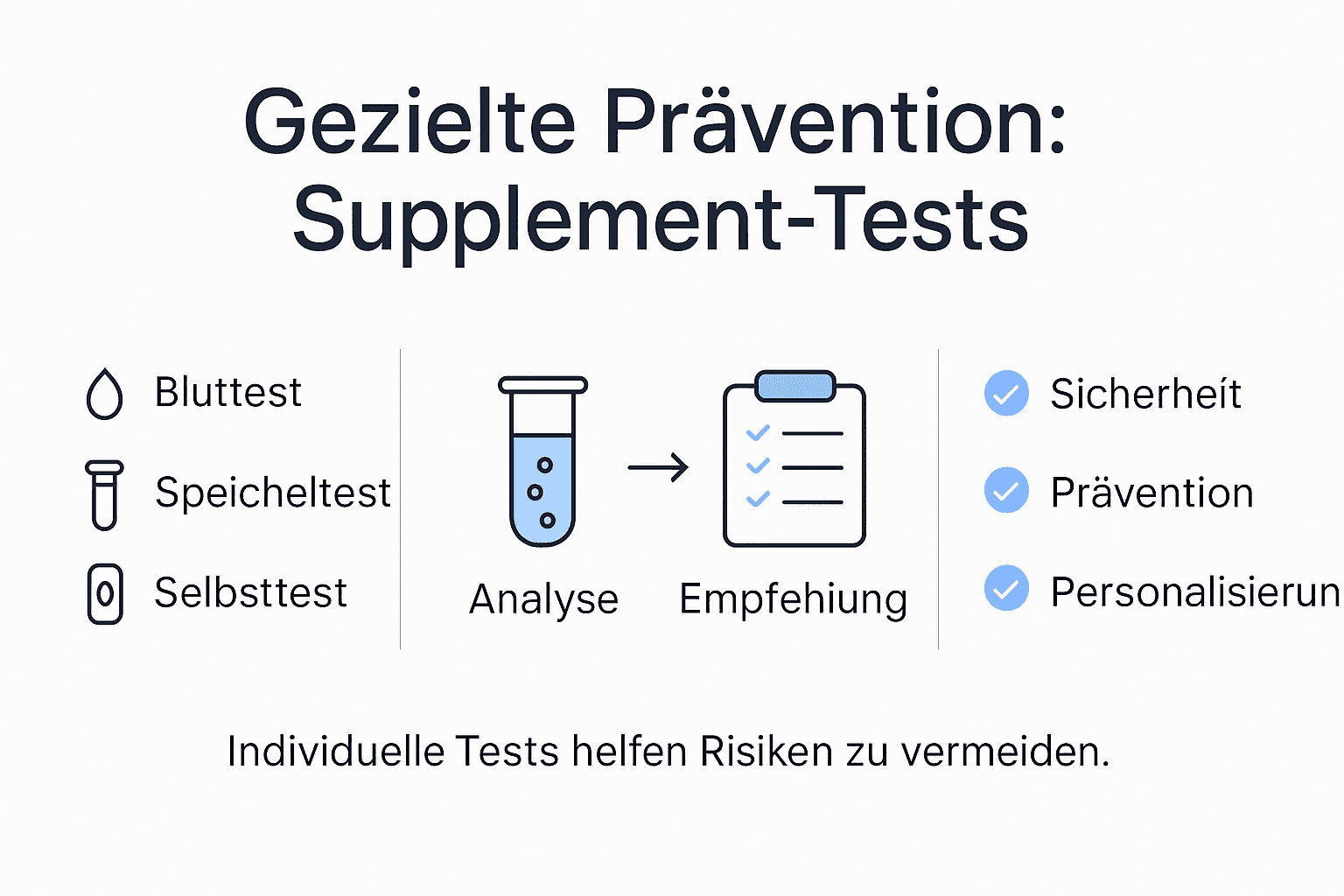
- Blood tests: The most accurate method for determining nutrient levels
- Saliva tests: Particularly suitable for genetic analyses
- Microbiome tests: For examining gut health
- Self-tests: Affordable initial assessment with limitations
Professional laboratory analyses examine not only ingredients but also possible contaminants such as heavy metals and pesticides. Quality assurance plays a crucial role in this process.
Interesting specialized tests can additionally examine specific health aspects such as histamine intolerance, hormone levels, or genetic predispositions to create a comprehensive health profile.
Here is an overview of common testing methods and their ideal areas of application:
| Testing method | Optimal area of application | Effort | Significance |
|---|---|---|---|
| Blood test | Analysis of vitamins and minerals | High | Very precise |
| Saliva test | Genetic predispositions | Medium | Genetic screening |
| Microbiome test | Examination of the gut flora | Medium | Specific |
| Self-test (at home) | Initial nutrient assessment | Low | Guidance |
Pro tip: Consult a medical professional before undergoing a health test to determine the testing method that is most suitable for you.
Why individual results matter
The benefits of dietary supplements vary greatly depending on individual factors, which is why standard solutions are often ineffective.
Everyone has a unique metabolism that is influenced by various factors:
- Genetic predisposition
- Dietary habits
- Lifestyle and activity level
- Hormonal balance
- Environmental influences
Genetic analysis can help identify individual nutritional needs precisely by revealing specific genetic variations that affect nutrient absorption and metabolic processes.
A personalized approach makes it possible to develop targeted nutrient supplements tailored precisely to your individual health needs.
Pro tip: Have a comprehensive health check carried out to gain a precise understanding of your individual nutrient needs.
Recognizing the risks of untested supplementation
Uncontrolled use of dietary supplements can pose significant health risks, which are often overlooked.
The main risks of unsupervised supplementation include:
- Risk of overdosing
- Potential interactions with medications
- Unrecognized nutrient imbalances
- Possible side effects due to incorrect dosage
Scientific studies show that improper supplementation can cause both deficiencies and overdoses. Interactions are particularly critical, as they can impair metabolism and health.
An individual blood test can help identify specific nutrient deficiencies and enable targeted, safe supplementation.
Here is a brief summary of typical risks associated with uncontrolled supplement use:
| Risk | Possible consequences | Prevention strategy |
|---|---|---|
| Overdose | Organ damage, poisoning | Individual dosage analysis |
| Interactions | Reduced medication effectiveness | Consultation with a doctor |
| Nutrient imbalance | Weakened immune system | Blood and health checkups |
| Side effects | Feeling unwell, headaches | Expert supplement selection |
Pro tip: Have a comprehensive health checkup before taking any supplement to minimize potential risks.
Costs, legal framework, and alternatives compared
The legal framework for dietary supplements in Germany is complex and diverse, with consumer protection and product safety taking priority.
The key legal aspects include:
- No pre-market approval required
- Clear labeling requirements
- Random safety checks
- Manufacturers are required to state the daily dose
Statutory health insurers generally do not cover the cost of dietary supplements, as they are classified as food rather than medication.
Alternative options for optimizing costs:
- Personalized nutritional counseling
- Targeted dietary changes
- Preventive health checkups
Pro tip: Compare the costs of different providers and look for quality certificates to find the best value for money.
Tailored tests for targeted health prevention
Targeted prevention through supplement testing is crucial for identifying individual nutrient deficiencies and health risks at an early stage. Many people do not know their exact needs and risk unwanted side effects or overdoses through uncontrolled use. Modern analyses can help you optimize your personal nutrient intake and improve your well-being in the long term.
Discover an extensive selection of high-quality tests at mybody®, such as Identify & Prevent Nutrient Deficiencies – At-Home Tests and At-Home Intolerance Tests products. Benefit from ISO-certified laboratory analyses combined with clear evaluations and personalized recommendations that provide targeted support for prevention. Take the opportunity now to take control of your health in a self-determined and scientifically sound way, and start your individual analysis today.
Frequently Asked Questions
What Are the Benefits of Testing Dietary Supplements?
Testing dietary supplements enables a systematic analysis of the products' quality, purity, and safety. This allows nutrient deficiencies to be specifically identified and risks such as overdoses or interactions to be minimized.
What Types of Tests for Dietary Supplements Are Available?
There are various testing methods, such as blood tests, saliva tests, microbiome tests, and self-tests, which can analyze different health aspects and nutrient levels. Each test offers specific advantages and disadvantages for individual health assessment.
How Can I Best Determine My Nutritional Needs?
An individual nutrient analysis, ideally performed through a blood test, can help identify specific deficiencies. Genetic information from DNA tests can also provide valuable insights into your personal nutrient requirements.
Why Are Individual Results Important When Taking Dietary Supplements?
Individual results are crucial because every person has different genetic predispositions, dietary habits, and lifestyles. A personalized approach ensures that the recommended nutrients are tailored to specific needs.
Recommendation
- Vitamins and Minerals – How They Can Improve My Well-Being in the Long Term – mybody®x
- Food Intolerance Test for Home Use: Your Path to Greater Well-Being – mybody®x
- What Are Minerals and How Can They Help Me? – mybody®x
- DNA Test Nutrition: My Experiences with the Genetic Test – mybody®x
- Mitochondrial Replacement Therapy (MRT) in the Bahamas | RFC



Share now:
What is included in a check-up from age 50: prevention, tests, and benefits
Role of dietary supplements in individual health