

What Is Included in the Check-up for People Aged 50 and Over: Prevention, Tests, and Benefits
More than 60 percent of adults in Central Europe aged 50 and over develop at least one chronic disease during their lifetime. Changes in metabolism and increasing risks make regular health check-ups particularly important at this stage of life. Those who take targeted preventive measures can identify health risks early and actively influence them through personalized interventions. This overview shows how you can consciously manage your diet and metabolic health with modern check-ups.
Table of contents
- Check-up for People Aged 50 and Over: Purpose and Importance
- Important basic examinations and laboratory values
- Cancer screening: Colon, breast, and prostate
- Cardiovascular, metabolic, and organ checks
- Modern self-tests: microbiome, DNA, and nutrients
- Typical risks, cost coverage, alternatives
Key findings
| Point | Details |
|---|---|
| Health check-up for people aged 50 and over | The check-up is crucial for identifying health risks at an early stage and initiating preventive measures. |
| Early cancer detection | Targeted examinations for men and women increase the chances of recovery through early diagnosis. |
| Comprehensive health screenings | Cardiovascular, metabolic, and organ screenings offer a holistic perspective on health assessment. |
| Modern self-tests | Analyses such as microbiome and DNA tests provide personalized insights for optimizing health. |
Check-up for People Aged 50 and Over: Purpose and Importance
The check-up for people aged 50 and over is a crucial phase of preventive healthcare, tailored to the specific challenges and risks of this age group. The aim of this comprehensive examination is to identify potential health risks at an early stage and initiate targeted preventive measures. Health risks can be identified and treated at an early stage before they develop into serious illnesses.
The importance of the check-up lies in its holistic approach to health. Unlike earlier preventive examinations, the check-up for people aged 50 and over does not focus only on individual organ systems, but views the body as a complex interplay of different functions. Key examination areas include:
- Cardiovascular system
- Metabolism and hormonal balance
- Cancer screening
- Musculoskeletal system
- Cognitive functions
Statutory health insurance funds offer this check-up as a preventive healthcare service that helps policyholders actively manage their health. The examination includes a detailed medical history, physical examinations, and targeted laboratory analyses to identify individual health risks.
Pro tip: Prepare for your check-up by compiling a list of your current symptoms, medications, and family history of previous illnesses.
Important basic examinations and laboratory values
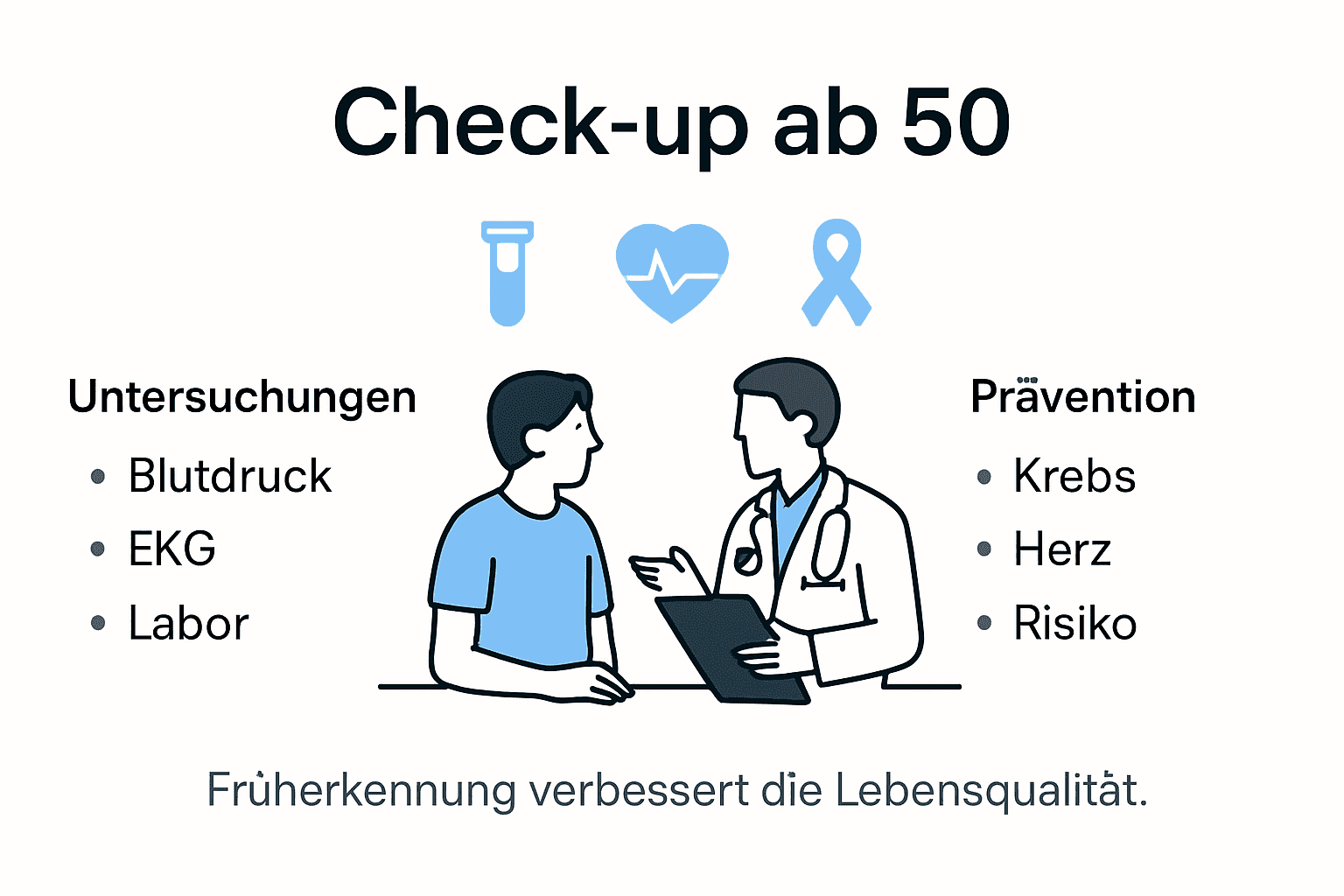
The check-up from age 50 includes a series of basic examinations that help identify health risks at an early stage. Basic examinations such as blood pressure, blood lipids, and blood glucose provide important indications of potential health problems that become more common with age.
The most important laboratory values and examinations at a glance:
- Blood lipid levels: Cholesterol, triglycerides
- Blood glucose: Fasting blood glucose and HbA1c level
- Blood pressure: Systolic and diastolic readings
- Urinalysis: Protein, glucose, blood
- Complete blood count: Number of red and white blood cells
These examinations serve not only for diagnosis but also for prevention. By identifying risk factors, doctors can provide early recommendations for lifestyle changes and, where appropriate, initiate drug therapies. Analyzing laboratory values enables a comprehensive assessment of individual health and helps detect potential conditions such as cardiovascular problems, diabetes, or kidney disease.
Pro tip: Keep a health diary in which you document your laboratory values and examination results to better track changes over time.
Cancer screening: Colon, breast, and prostate
Cancer screening from age 50 is a crucial aspect of preventive healthcare that can significantly increase the chances of successful treatment. At this age, the risk of various types of cancer rises significantly, making targeted examinations particularly important.
The most important early detection screenings for men and women include:
-
Colorectal cancer screening: - Stool test every two years
- Colonoscopy from age 50
-
Mammogram for women:
- Screening every two years
- Targeted examination of breast tissue
-
Prostate cancer screening for men:
- Annual medical examination
- Prostate palpation
- PSA blood test for risk assessment
The importance of these examinations lies in early detection. The earlier a potential tumor is detected, the higher the chances of recovery and the gentler any possible treatments can be. Modern medical diagnostics now enable precise examination methods that are minimally invasive and largely painless.
Pro tip: Schedule your preventive examinations well in advance and prepare yourself mentally to reduce anxiety.
Cardiovascular, metabolic, and organ checks
Health check-ups from age 50 are essential for comprehensive prevention and early detection of lifestyle-related diseases, which can often remain unnoticed for a long time. Health risks increase during this stage of life, requiring targeted and comprehensive examinations.
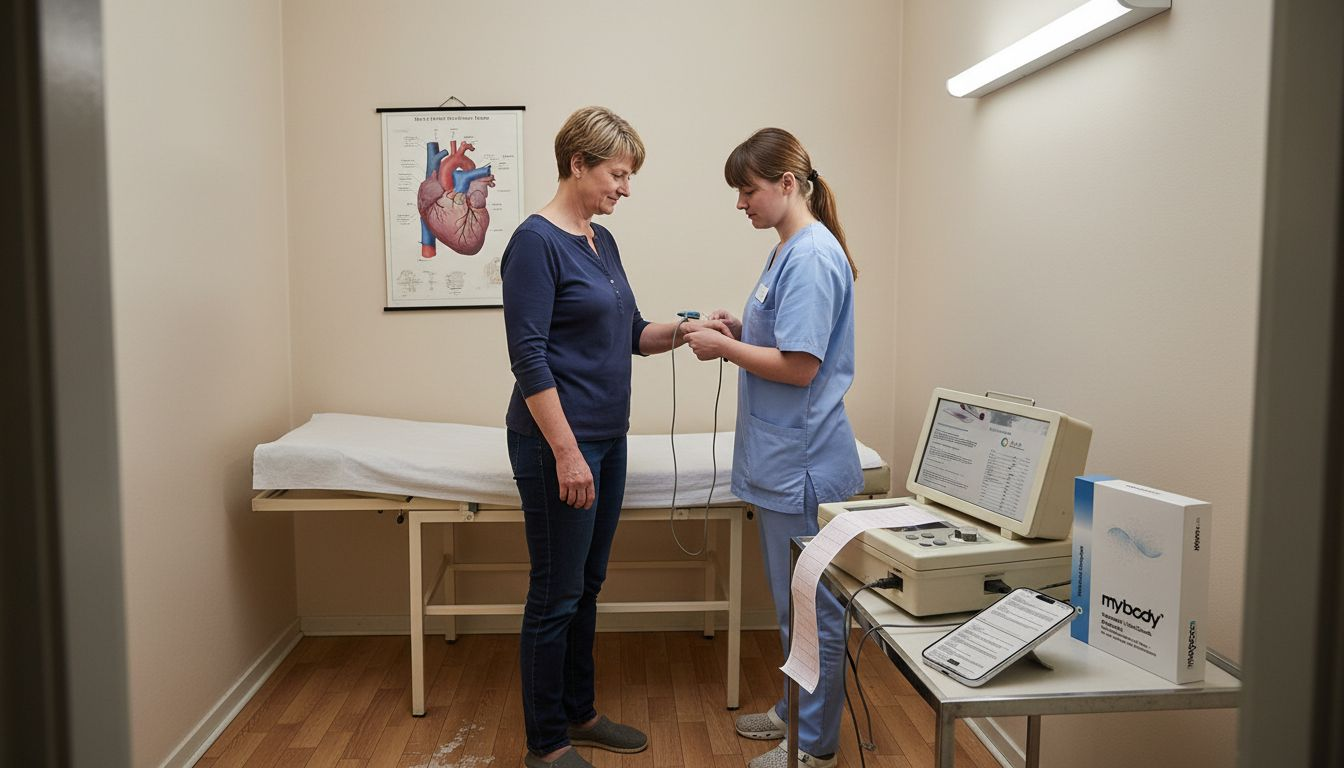
An overview of the most important examinations:
Cardiovascular checks:
- Blood pressure measurement
- Resting ECG
- Cardiac ultrasound examination
- Blood lipid levels (cholesterol)
Metabolic checks:
- Blood glucose measurement
- Diabetes screening
- Hormone analysis
- Insulin level
Organ checks:
- Kidney function test
- Liver values
- Pulmonary function test
- Thyroid examination
These examinations enable a holistic view of your health. They are used not only to diagnose acute illnesses but also to identify risk factors at an early stage and develop preventive measures. Timely intervention can prevent secondary diseases and improve quality of life in the long term.
Pro tip: Keep a personal health record documenting examination results, lifestyle factors, and dietary habits.
Modern self-tests: microbiome, DNA, and nutrients
Modern self-tests open up a new dimension in individual preventive healthcare, going far beyond traditional examination methods. They provide detailed insight into an individual's health profile and help identify personal risks at an early stage.
An overview of the most important modern self-tests:
Microbiome analysis:
- Examination of the gut flora
- Identification of bacterial compositions
- Assessment of digestive health
- Detection of imbalances
DNA tests:
- Genetic risk assessment
- Dietary recommendations
- Sports suitability
- Inherited disease predispositions
Nutrient checks:
- Mineral and vitamin analysis
- Identification of deficiency symptoms
- Metabolic analysis
- Personalized supplementation
These innovative tests complement traditional preventive examinations and provide a more comprehensive perspective on individual health. They support prevention strategies by providing personalized insights that enable targeted health optimization.
Pro tip: Consult a doctor before performing self-tests so that the results can be professionally interpreted.
Here you can see a comparison of traditional preventive examinations and modern self-tests:
| Type of examination | Objective | Advantages | Limitations |
|---|---|---|---|
| Traditional preventive care | Early detection of diseases | Reimbursement by health insurance | Focus on standard values |
| Modern self-tests | Analysis of individual factors | Personalized recommendations | Out-of-pocket costs, interpretation required |
Typical risks, cost coverage, alternatives
Preventive healthcare from age 50 includes a complex risk assessment and cost structure that covers important aspects of medical care for insured individuals. Health risks are identified systematically and comprehensively.
Typical health risks:
- Cardiovascular diseases
- Type 2 diabetes
- Cancers
- Metabolic disorders
- Chronic organ diseases
Cost coverage by health insurance funds:
- Basic examinations fully covered
- Cancer screening programs
- Laboratory tests
- Blood pressure and blood glucose measurements
Alternative examination options:
- Privately funded additional examinations
- Individual health checks
- Specialized preventive diagnostics
- Supplementary self-tests
For insured individuals, this represents a comprehensive and cost-effective way to monitor their health. Health insurance funds actively support prevention and offer various examination packages that go beyond basic coverage.
The following overview shows typical health risks from age 50 and how cost coverage is regulated:
| Risk | Frequency from age 50 | Cost coverage | Additional options |
|---|---|---|---|
| Cardiovascular health | Very common | Covered by statutory health insurance | Private diagnostics available |
| Cancer | Rising | Covered by statutory health insurance | Additional examinations |
| Diabetes | Increasing | Covered by statutory health insurance | Blood glucose self-test |
| Organ diseases | Moderate | Occasionally | Individual laboratory tests |
Pro tip: Document your examination results and discuss them regularly with your family doctor to develop individualized prevention strategies.
More health and safety during check-ups from age 50 thanks to modern tests from mybody®
The check-up from age 50 clearly shows that early detection of nutrient deficiencies and hormonal imbalances is crucial for your long-term health. If you want to regularly check your blood values, such as blood lipids and blood sugar, or would like to know how your hormones affect your well-being, mybody® can help with reliable self-tests. This enables you to actively identify important risk factors and take targeted measures.
Take the opportunity to prevent and optimize your health with Identify and prevent nutrient deficiencies – at-home tests or precise at-home hormone tests. All tests are evaluated in ISO-certified laboratories so that you receive clear, scientifically sound results. Start your journey to a healthy life now with personal advice and exclusive benefits at mybody-x.com. Your actively maintained health after 50 is waiting for you.
Frequently asked questions
What are the main goals of the check-up from age 50?
The check-up from age 50 aims to detect potential health risks at an early stage and initiate preventive measures. It takes a holistic view of health and covers various examination areas, such as the cardiovascular system and cancer screening.
Which examinations are included in the check-up from age 50?
The check-up includes a detailed medical history, physical examinations, blood pressure and blood sugar measurements, as well as laboratory analyses such as cholesterol and blood lipid levels. Specific cancer screenings are also part of the program.
How often should the check-up from age 50 be carried out?
It is recommended to have the check-up from age 50 every two years to continuously monitor potential health risks and take action in good time.
Is the check-up from age 50 covered by health insurance funds?
Yes, statutory health insurance funds generally cover the costs of basic examinations, cancer screening programs, and necessary laboratory tests as part of the check-up from age 50.



Share now:
Menopause symptoms you should know about
Why test dietary supplements? For targeted prevention