
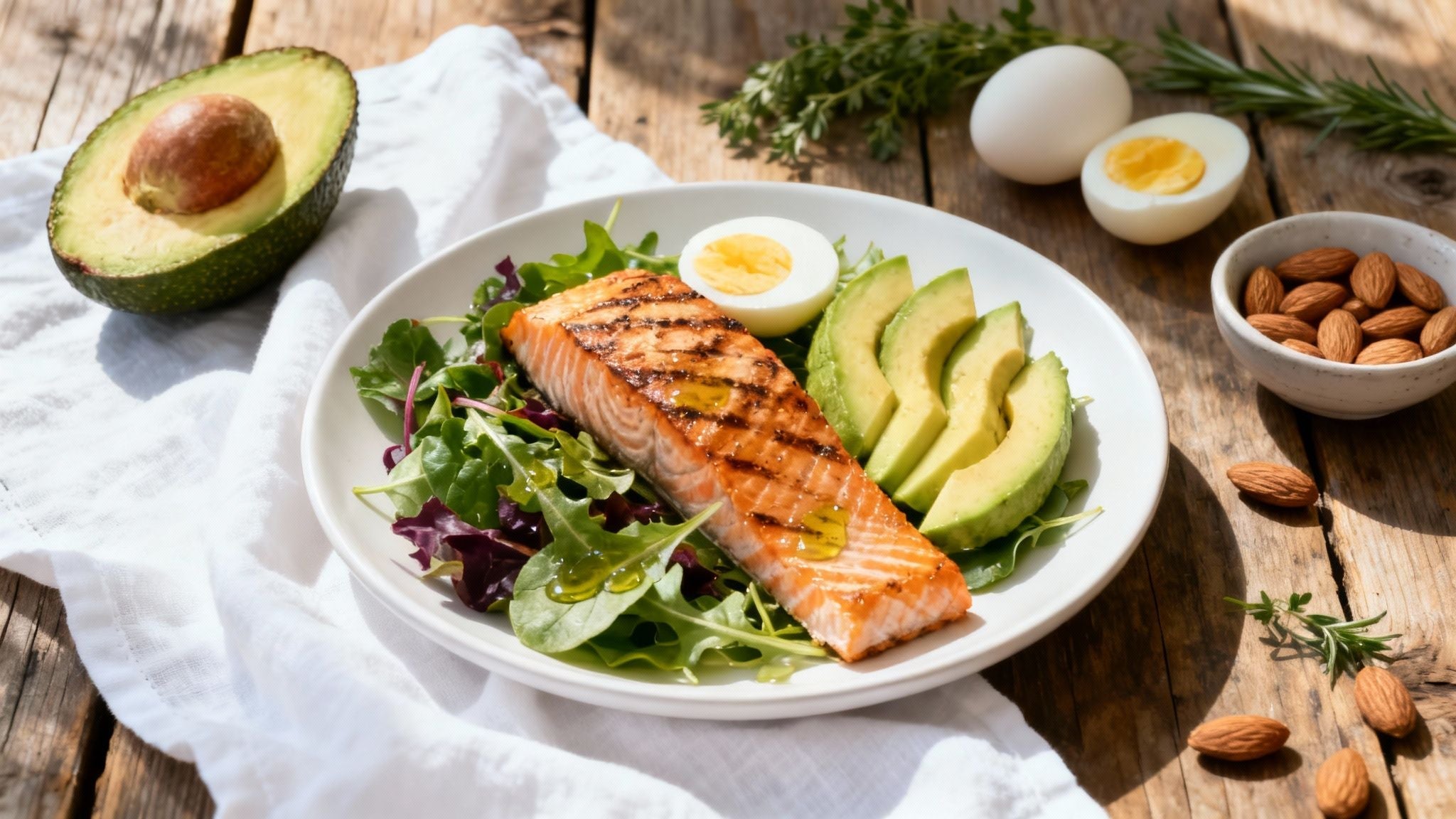
Low-carb diet: Your simple guide to getting started
At its core, a low-carb diet is about turning the tables on your plate. Instead of mainly fueling your body with carbohydrates from bread, pasta, or sugar, you give protein- and fat-rich foods the starring role. It is less about strict deprivation and more about a smart change that provides your body with a much more efficient energy source.
What a low-carb diet really means
You may be wondering what exactly lies behind the term “low carb” and why it is getting so much attention. Imagine your body as a hybrid car. Normally, it runs on gasoline—in this case, sugar from carbohydrates. A low-carb diet teaches your body to switch to its efficient electric motor and obtain energy directly from fat.
This change is more than just a short-term diet. It is a conscious way to recalibrate your metabolism and improve your overall well-being. Instead of getting quick energy boosts from sugar, which often lead to nasty blood sugar fluctuations and cravings, you fuel yourself with long-lasting, stable energy from protein and healthy fats.
This infographic sums up the transformation:
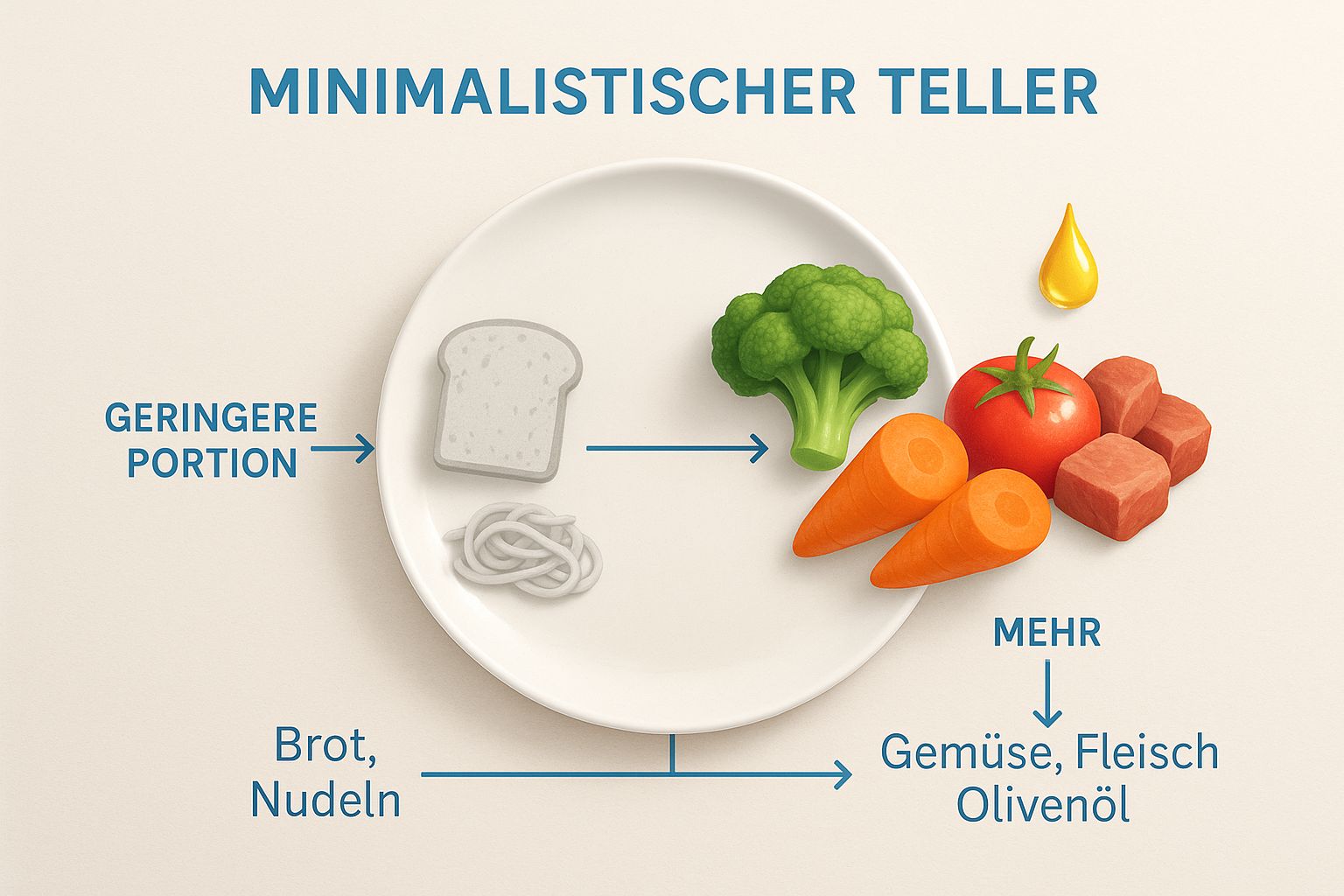
You can immediately see how the focus shifts: away from classic starchy side dishes and toward nutrient-rich vegetables and high-quality sources of protein and fat.
The different faces of low carb
There is no single, rigid low-carb approach. Fortunately, there are various methods that mainly differ in the permitted amount of carbohydrates. This allows you to find exactly the method that fits perfectly into your everyday life and aligns with your goals.
- Moderate low carb (approx. 100–150 g of carbohydrates per day): This is the gentle introduction. You mainly avoid sugar and white flour, while still enjoying small amounts of whole-grain products, legumes, or fruit.
- Classic low carb (approx. 50–100 g of carbohydrates per day): This approach is already somewhat stricter. The focus is clearly on vegetables, meat, fish, eggs, and healthy fats. For many people, this approach is a happy medium.
- Ketogenic diet (under 50 g of carbohydrates per day): The most restrictive form. The goal is to bring the body into what is known as ketosis—a metabolic state in which it uses almost exclusively fat as an energy source. If this piques your interest, you’ll find all the important details in our guide: Learn more about the ketogenic diet in our article.
The key to success lies in finding your personal balance. It’s not about perfection, but about establishing a sustainable way of eating that makes you feel good and supplies you with energy.
Why is low carb so popular?
The low-carb wave has been building since the 2000s and continues to grow. Data from Statista shows that around 20% of Germans have already tried this way of eating or are at least considering it. The main goal is usually to lose weight.
The typical approach involves between 50 and 150 grams of carbohydrates per day, which also explains the growing demand for suitable products in supermarkets.
How low-carb diets reprogram your metabolism
Do you know the feeling of being tired and listless after a large portion of pasta? That is due to the energy source your body normally uses: carbohydrates. They provide quick energy, but this is often followed by an equally rapid crash. But when you drastically reduce your carbohydrate intake, something truly fascinating happens.
Your body switches its entire operating mode. Think of it like a clever hybrid car. Normally, it runs on gasoline—that is, sugar (glucose) derived from carbohydrates. With a low-carb diet, your body learns to switch to its much more efficient electric drive and draw its energy directly from fat. Experts also call this state metabolic flexibility.

This “metabolic switch” is at the heart of the effects of a low-carb diet and the reason for its many positive effects. Your body essentially becomes a real fat-burning machine.
The switch from sugar metabolism to fat metabolism
Your body is a creature of habit. As long as you constantly provide it with carbohydrates, it will use them as its primary energy source. The glucose enters the bloodstream, blood sugar levels shoot up, and the pancreas releases insulin to transport the sugar into the cells. Any excess energy goes straight into fat stores.
If you now reduce your carbohydrate intake, the game changes:
- Glycogen stores are depleted: First, your body uses the glucose (glycogen) stored in the liver and muscles. This also explains the rapid weight loss in the first few days—glycogen binds a lot of water, which is now flushed out.
- Blood sugar levels stabilize: Without the constant sugar spikes, blood sugar and insulin remain at a consistently low level. That alone is a huge benefit for your health and helps prevent cravings.
- The body is looking for a new energy source: Since no readily available sugar is coming in, the metabolism has to rethink things. It starts tapping into its own fat reserves and using them as fuel.
This transition can take a few days and may sometimes cause fatigue or headaches—the notorious “low-carb flu.” But once the adjustment is complete, the engine runs at full power. If you want to know how to speed up this process, you can find valuable tips in our article about how to switch your metabolism to fat burning.
Ketosis as a super boost
When you drastically reduce your carbohydrate intake, usually to under 50 grams per day, your body enters a special metabolic state: ketosis. Your liver now converts fats into what are known as ketone bodies.
Ketone bodies are a highly efficient source of energy, especially for your brain. They provide consistent, stable energy that can promote concentration and mental clarity—without the typical afternoon slumps.
This state is the stated goal of the ketogenic diet, the strictest form of low carb. But don't worry: even with a moderate low-carb approach, your body already benefits enormously from its improved ability to use fat as its primary energy source.
Reprogramming your metabolism has far-reaching positive effects. Many people report not only successful weight loss, but also a completely new sense of how their body feels. Suddenly, cravings disappear, energy levels remain stable throughout the day, and concentration noticeably improves. You learn to listen to your body's real signals again instead of being dependent on your next sugar fix. It is a path to greater control over your own well-being.
What fewer carbohydrates can do for your health
A low-carb diet is far more than just a means to an end for losing a few pounds. Think of it more as an update for your metabolism. It targets the body's fundamental processes and can trigger an entire chain of positive reactions—and that is precisely where its true potential for your well-being lies.
One of the first and most noticeable effects is the stabilization of your blood sugar level. Every time you eat a carbohydrate-rich meal, your blood sugar shoots up. Your pancreas then has to produce plenty of insulin to move the sugar from your blood into your cells. With low carb, you spare your body this constant roller coaster. Your blood sugar remains much more stable.
This not only puts less strain on the pancreas, but is also the key to finally getting rid of cravings. The classic afternoon slump after a pasta lunch? That will soon be a thing of the past.
A benefit for heart and circulation
When you think about heart health, carbohydrates may not immediately come to mind. However, the connection is stronger than many people assume, because a diet full of sugar and rapidly digestible carbohydrates can seriously disrupt blood lipid levels.
A well-designed low-carb diet can influence several important factors here:
- Lower triglycerides: High triglyceride levels are a known risk factor for cardiovascular disease. Reducing carbohydrates is one of the most effective ways to lower these levels.
- Increase HDL cholesterol: “Good” HDL cholesterol is essentially the waste collection service for your blood vessels—it transports excess cholesterol away. Studies show that a higher-fat, low-carbohydrate diet often leads to an increase in this protective cholesterol.
- Improve LDL particle quality: Even if total LDL does not always decrease, the quality of the particles can improve. Instead of small, dense, and problematic particles, larger, fluffier particles often circulate, which are considered less harmful. If you are interested in the topic in greater depth, our article explains how you can specifically lower LDL cholesterol.
Cutting off the fuel supply to inflammation in the body
Imagine silent, chronic inflammation as a quietly smoldering fire in the body. It is the invisible danger behind many diseases of modern civilization. And what is one of the biggest accelerants? Exactly—a high sugar intake.
By eliminating sugar and processed carbohydrates from your diet, you are essentially taking away the fuel for this inflammation. Many people notice this after a short time: their skin becomes clearer, their joints hurt less, or they simply feel more alert and vital.
A low-carb diet is not a diet for the scales, but an investment in your long-term cellular health. You give your body the chance to regulate and regenerate itself again.
Mental clarity and steady energy for your mind
Your brain is a real energy guzzler. In normal sugar metabolism, it depends on a constant supply of glucose. When blood sugar levels drop, your concentration suffers immediately. With a low-carb diet, something fascinating happens: your brain learns to use an alternative and highly efficient energy source—the so-called ketone bodies.
These are produced from fat in the liver and provide the brain with incredibly steady energy. The result is often noticeably better mental clarity, less “brain fog,” and concentration that lasts throughout the day.
To summarize the key points once again, here is an overview of the potential benefits.
Potential benefits of low carb at a glance
This table summarizes the most important health benefits and shows which areas of the body may benefit from them.
| Benefit | Area of impact | Brief explanation |
|---|---|---|
| Stable blood sugar | Metabolism, energy | Prevents blood sugar spikes, reduces cravings, and provides consistent energy. |
| Improved blood lipid levels | Cardiovascular system | Lowers triglycerides, raises “good” HDL cholesterol, and improves LDL particles. |
| Weight management | Body composition | Promotes fat burning and, through increased satiety, often leads to a natural reduction in calorie intake. |
| Reduced inflammation | Whole body | Removes the “fuel”—sugar—from chronic inflammatory processes. |
| Mental clarity | Brain, nervous system | Ketone bodies provide a stable source of energy for the brain and improve concentration. |
| Improved insulin sensitivity | Metabolism, prevention | The cells become more responsive to insulin again, which plays a key role in preventing type 2 diabetes. |
These benefits show that a low-carbohydrate diet goes far beyond simply losing weight. It can be a powerful lever for strengthening your health on many levels.
The right foods for your low-carb lifestyle
“What am I even allowed to eat now?”—this question probably crosses the mind of anyone who decides to change their diet. Fortunately, with low carb, the answer is quite delicious and anything but complicated. It's not about starving yourself, but about filling your plate in a smart and satisfying way.
The focus simply shifts. Away from classic side dishes such as bread, pasta, and rice. Instead, nutrient-rich vegetables, high-quality proteins from fish and meat, and healthy fats from avocados, nuts, and quality oils take center stage.

Your foundation for low-carb shopping
Think of your shopping cart as the foundation for your new well-being. To fill it confidently, you don't need complicated lists, just a clear direction. Your goal is to choose foods that keep you full for a long time, keep your blood sugar levels stable, and provide your body with everything it needs.
The cornerstones of your low-carb kitchen are quickly explained:
- Plenty of vegetables: The rule of thumb here is: anything that grows above ground and is green is ideal. Think broccoli, spinach, zucchini, bell peppers, and all kinds of salad greens. They provide fiber and vitamins with minimal carbohydrates.
- High-quality protein sources: Meat, fish, and eggs are the classics. They provide not only important building blocks for your body but also lasting satiety. Make sure to choose good quality.
- Healthy fats: They are your new best friend and a crucial source of energy. Avocados, quality olive oil, nuts, seeds, and fatty fish such as salmon should now be a regular part of your diet.
- Dairy products (in moderation): Full-fat cheese, quark, and Greek yogurt can be a great addition. However, it’s worth checking the label to avoid hidden sugar, especially in ready-made yogurt products.
The simplest trick: Choose real, unprocessed foods. The shorter the ingredient list, the better the product usually fits into your low-carb plan.
Uncovering hidden sugar traps
Knowing the typical carbohydrate and sugar traps is just as important as choosing the right foods. Many products considered “healthy” can sabotage your progress without you realizing it.
Keep an eye out for:
- Ready-made sauces and dressings: Ketchup, barbecue sauces, and ready-made salad dressings are often veritable sugar bombs. A homemade vinaigrette made with oil and vinegar is a much better choice.
- “Low-fat” products: It sounds paradoxical, but it’s true: When fat is reduced, sugar or starch is often added to make the product taste good. Opt for the full-fat version instead.
- Fruit juices and smoothies: Even though they are made from fruit, they provide fruit sugar in highly concentrated form—without the filling fiber found in whole fruit. This sends your blood sugar soaring. You can also find out how strongly foods affect blood sugar in our glycemic index table.
- Certain fruits: Berries are a great option. However, you should view very sweet fruits such as bananas, grapes, and mangoes as an occasional extra and enjoy them only in small amounts.
This growing awareness of health is also noticeable in supermarkets. Worldwide, the low-carb products market is expected to grow from USD 14.55 billion in 2025 to USD 22.25 billion by 2032. This trend is creating an ever-growing selection of special baking mixes and ready-made meals, making a low-carb diet easier than ever.
To make getting started easier, we’ve put together a simple overview for you. Just use it as a cheat sheet for your next grocery trip.
Your shopping list for getting started with low carb
A quick overview of which foods you can enjoy and which you should avoid.
| Food group | Recommended (Green) | In moderation (Yellow) | To avoid (Red) |
|---|---|---|---|
| Vegetables | Leafy greens, broccoli, zucchini, bell pepper, avocado, cucumber | Carrots, pumpkin, onions | Potatoes, sweet potatoes, corn |
| Fruit | Berries (strawberries, raspberries), citrus fruits | Apples, pears, melon | Bananas, grapes, dried fruit |
| Proteins | Fish, meat, eggs, tofu | Legumes (lentils, beans in small quantities) | Breaded products, processed sausages |
| Fats & oils | Olive oil, coconut oil, butter, nuts, seeds | Trans fats (in margarine, ready-made products) | |
| Dairy products | Full-fat cheese, quark (40%), Greek yogurt (10%) | Milk, plain yogurt (3.5%) | Sweetened dairy products, fruit yogurt |
| Beverages | Water, unsweetened tea, black coffee | Juices, soft drinks, sweetened coffee drinks |
With this clear guidance, you’ll not only shop with confidence but also create meals that are delicious, filling, and perfectly aligned with your goals.
Your simple low-carb plan for the first week
The theory is clear and the benefits sound great—but how do you actually get started? The thought of completely turning your meal plan upside down can feel pretty overwhelming at first. But don’t worry: Getting started with a low-carb diet is much easier and tastier than you might think right now.
So you don’t have to spend a long time figuring things out, we’ve put together a simple plan for your first three days. Think of it as a kind of starting aid that shows you how enjoyable and uncomplicated it can be. These aren’t rigid rules, just inspiration to get you started.
The plan is packed with quick ideas for breakfast, lunch, and dinner that are guaranteed to fill you up and provide all the essential nutrients. You’ll be surprised by how little effort it takes to prepare delicious meals that bring you closer to your goals.
Day 1: Your start to a new eating experience
The first day is perfect for getting a feel for this new way of eating. You’ll quickly notice how surprisingly filling meals rich in protein and healthy fats can be.
- Breakfast (approx. 10 minutes): Scrambled eggs with spinach and feta. Simply whisk 2-3 eggs, add a handful of fresh baby spinach, and sauté everything in a little butter or coconut oil. Finally, crumble some feta on top—done.
- Lunch (approx. 15 minutes): Large mixed salad with chicken breast. Use leafy greens, cucumber, bell pepper, and tomatoes as the base. Sear diced chicken breast over high heat and add it to the salad. A simple vinaigrette made from olive oil, vinegar, salt, and pepper goes well with it.
- Dinner (approx. 20 minutes): Pan-fried salmon with broccoli. Fry a salmon fillet skin-side down until beautifully crisp. Meanwhile, steam broccoli florets in salted water or simply fry them in the pan with a little garlic.
Day 2: Variety and enjoyment
By the second day, you may already notice how steady your energy levels remain without the typical carbohydrate fluctuations. Now is a good time to add a little more variety.
- Breakfast (approx. 5 minutes): Greek yogurt (10% fat) with berries and nuts. Put a serving of yogurt in a bowl, add a handful of raspberries or blueberries, and top with a few walnuts or almonds.
- Lunch (leftovers from Day 1): Leftover salmon and broccoli. Leftovers are your best friend for quick lunches! Simply reheat them briefly or even enjoy them cold.
- Dinner (approx. 25 minutes): Zucchini noodles (“zoodles”) with Bolognese. Prepare a classic ground-beef sauce (without sugar, of course!). Instead of pasta, serve it over spiralized zucchini, which you only need to toss briefly in the pan.
Day 3: Routine and meal-prep tricks
By the third day, you’ll gradually settle into a routine. This is the perfect time to start thinking about smart preparation that will make stressful days much easier in the future.
- Breakfast (same as Day 1): Scrambled eggs with spinach and feta. At first, it helps not to have to think too much. Familiar favorites are great!
- Lunch (leftovers from Day 2): Leftover zoodle Bolognese.
- Dinner (approx. 20 minutes): Stuffed bell peppers with ground beef and cheese. Halve one bell pepper, fill it with seasoned raw ground beef, and bake at 180°C for about 20 minutes. Shortly before it’s done, top with cheese and bake until melted.
The easiest meal-prep tip ever: Simply cook twice as much in the evening. That way, you’ll have a ready-made, Low Carb-compliant lunch the next day without any extra effort. This not only saves time but also keeps you from making unhealthy impulse purchases during your lunch break.
This 3-day plan is your starting point. Above all, it’s meant to show you one thing: A Low Carb diet doesn’t have to be boring or complicated. Simply adapt the meals to your taste and discover how much fun it is to cook with fresh, real foods.
Your Low Carb questions, our answers
A dietary change like Low Carb naturally raises questions at first. That’s completely normal! To help you put your final doubts aside and get started with confidence, we’ve collected the most frequently asked questions for you here—and provided clear, honest answers.
Does Low Carb really suit everyone?
In general, most healthy adults can use a well-planned low-carb diet safely and effectively. It is especially beneficial for people who want to stabilize their blood sugar levels, lose weight, or get rid of annoying afternoon energy dips.
There are a few exceptions, though. Pregnant or breastfeeding women, and people with certain health conditions, such as kidney problems, should always discuss such a fundamental dietary change with their doctor first. Listen to your body—that is the most important rule. And if you're unsure, seek professional advice.
Every body works differently. What is a game-changer for one person may not be the best solution for another. The goal is to find an eating pattern that suits your metabolism and your life—not the other way around.
How can I get through the “low-carb flu” unscathed?
Don't worry, this isn't real flu. The so-called “low-carb flu” is a typical side effect during the first few days of the transition. At first, your body loses more water and flushes out important electrolytes such as sodium, potassium, and magnesium. The result? Headaches, fatigue, and a somewhat irritable mood.
Fortunately, the solution is quite simple:
- Drink enough water: This helps your system readjust.
- Don't skimp on salt: An extra pinch of good sea salt or a cup of broth a day can work wonders to balance your sodium levels.
- Choose green vegetables: Spinach, kale, and avocados are fantastic sources of potassium and magnesium.
Sport and low carb—can they really work together?
And how it does! Sport and a low-carb diet are a true power duo. Your performance may temporarily dip somewhat during the initial phase. This is the period when your body first has to learn to use fat efficiently as fuel.
Once this adjustment has been made, however, many athletes report incredibly stable, sustained energy—especially during longer sessions. The only important thing is to ensure you get enough protein and healthy fats. This gives your muscles everything they need for performance and recovery.
Are you unsure how your metabolism responds to different nutrients? At mybody-x.com, we understand that there is no one-size-fits-all solution. With our scientifically backed health analyses, such as a DNA metabolism test, you can find out what your body really needs to achieve your goals. Stop guessing and start knowing. Discover your personal health analysis now at mybody-x.com.



Share now:
Lose weight with oatmeal: Here's how it really works
What are trans fats, and how do they really harm you?