

Guide to metabolic analysis: Understanding and explaining
Metabolism determines every day how well we feel and how healthy we remain. According to studies, more than 80 percent of all chronic diseases are directly linked to metabolic disorders, which surprises many people. But the real discovery is that a targeted metabolic analysis can not only uncover risk factors, but also enable tailored strategies for optimizing health.
Table of contents
- What is a metabolic analysis, and why is it important?
- The basics of metabolism: Key concepts explained
- How does metabolic analysis work, and what methods are available?
- Applications of metabolic analysis in health consulting
- Connecting metabolic analysis and personal health
Quick overview
| Takeaway | Explanation |
|---|---|
| Metabolic analysis optimizes health. | It enables a better understanding of your own metabolic processes and their impact on health. |
| Early detection of health risks. | An analysis can identify metabolic disorders at an early stage and support individualized prevention strategies. |
| Develop personalized nutrition strategies. | It helps create tailored nutritional recommendations based on individual metabolic needs. |
| Stress management is crucial. | Balanced stress management promotes metabolic regulation and improves overall well-being. |
| Regular exercise supports metabolism. | Physical activity can improve energy production and metabolic health over the long term. |
What is a metabolic analysis, and why is it important?
Metabolism is a complex biological system that controls all the chemical processes in our body—from processing food to producing energy. A metabolic analysis is a comprehensive assessment that helps to understand and optimize these individual processes.
Understanding the basics of metabolism
Human metabolism is like a highly complex network that constantly converts nutrients, produces energy, and eliminates waste products. Scientific studies show that every person has a unique metabolic fingerprint influenced by factors such as genetics, diet, exercise, and lifestyle.
A professional metabolic analysis provides detailed insights into various aspects of your health:
- Energy production and the metabolism of carbohydrates, fats, and proteins
- Hormonal balance and metabolic regulation
- Individual nutrient utilization and potential deficiencies
Why a metabolic analysis is important
The importance of a metabolic analysis goes far beyond a simple snapshot. It makes it possible to identify health risks at an early stage and take targeted preventive measures. Medical research shows that understanding and optimizing metabolism can significantly reduce the risk of chronic diseases such as diabetes, cardiovascular disease, and metabolic disorders.
With the help of a comprehensive DNA analysis for nutrition, for example, you can find out how your body processes nutrients, which diet is ideal for you, and how you can sustainably improve your health.
Metabolic analysis is therefore more than a medical test—it is a personalized key to better understanding your body and your health potential.
The basics of metabolism: Key concepts explained
Metabolism is a complex biological network that controls fundamental life processes. It encompasses all biochemical reactions that take place in our cells and keep our bodies alive.
Catabolism and anabolism—the two sides of metabolism
Catabolism describes the breakdown of molecules to generate energy, while anabolism involves the construction of complex molecules.
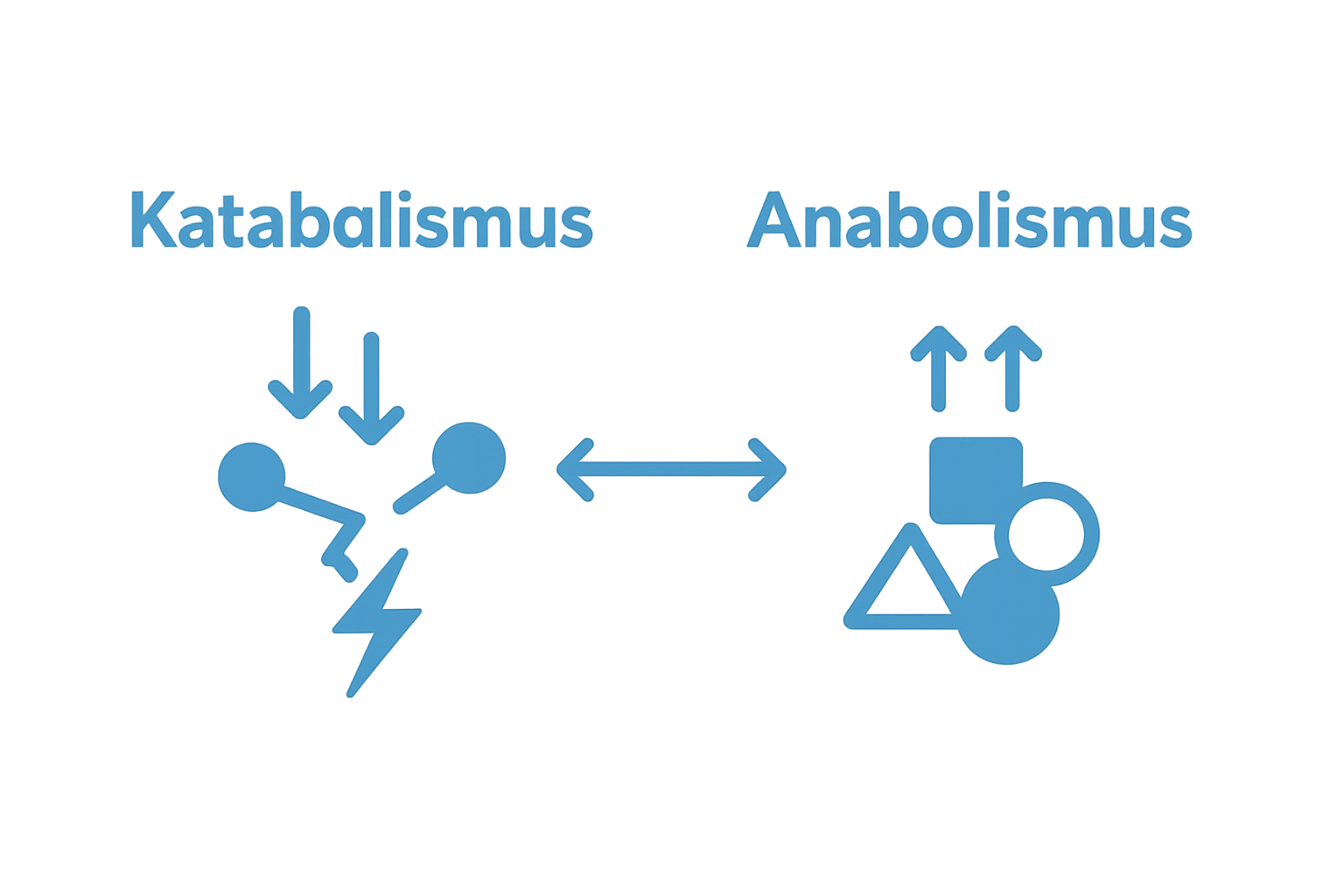 Medical research shows that these two processes work in a constant balance.
The most important metabolic processes include:
To provide a better overview of the two main metabolic processes, this table shows the differences between catabolism and anabolism, as well as their respective functions.
| Process | Description | Function in the body |
|---|---|---|
| Catabolism | Breakdown of complex molecules to generate energy | Provides energy by breaking down nutrients |
| Anabolism | Building complex molecules from simple building blocks | Supports growth, repair, and development |
- Conversion of food into energy
- Production and breakdown of proteins
- Regulation of hormones and enzymes
- Detoxification and elimination of waste products
How does metabolism work at the cellular level?
Every cell in our body is like a small factory that converts nutrients into energy. Mitochondria play a key role in this process—they are considered the powerhouses of the cell. They produce ATP, the universal energy currency of our body.
Several factors are crucial for optimal metabolism:
- Balanced diet
- Regular exercise
- Sufficient sleep
- Stress management
Natural methods for boosting metabolism can help support and optimize these processes. Metabolism is not just a biological process, but the key to our health and vitality.
How does metabolic analysis work, and what methods are available?
Metabolic analysis is a modern diagnostic method that provides profound insights into the body's individual biochemical processes. It goes far beyond conventional laboratory tests and provides a comprehensive picture of your metabolic health.
This table provides an overview of the most important methods and techniques used in metabolic analysis and summarizes their respective focuses.
| Analysis method | Description | Focus |
|---|---|---|
| Blood tests | Measurement of metabolic markers in the blood | Determination of metabolic status |
| Genetic analyses | Analysis of individual genetic variants | Identification of metabolic variants |
| Hormonal examinations | Review of hormonal feedback loops | Analysis of metabolic regulation |
| Metabolomic screenings | Detection of all small molecules (metabolites) | Comprehensive overview |
Scientific analysis techniques
High-precision measurement methods play a crucial role in metabolic analysis. Modern laboratory analyses use advanced technologies such as mass spectrometry and nuclear magnetic resonance spectroscopy to identify metabolic products precisely.
The key analysis techniques include:
- Blood tests to determine metabolic markers
- Genetic analyses to identify metabolic variants
- Hormonal examinations
- Metabolomic screenings
Practical implementation of metabolic analysis
The analysis typically begins with comprehensive sample collection. This may include blood, saliva, or urine, depending on the specific examination objectives. Modern methods make it possible to examine numerous metabolic parameters simultaneously.
Important aspects of the process include:
- Precise sample collection and handling
- Highly sensitive measurement techniques
- Computer-assisted data analysis
- Individual interpretation of the results
Personalized DNA analysis for weight management can also help provide even more precise insights into your individual metabolism. Metabolic analysis is therefore a scientifically grounded tool for understanding and optimizing your health holistically.
Applications of metabolic analysis in health consulting
Metabolic analysis is becoming a central tool in personalized health consulting. It makes it possible to detect individual health risks at an early stage and develop tailored prevention strategies.
Prevention and early detection of health risks
Preventive health strategies are becoming increasingly important. Scientific studies show that metabolic analyses can make a decisive contribution to cancer prevention and risk reduction.
The most important areas of application include:
- Identification of genetic metabolic variants
- Early detection of metabolic disorders
- Personalized nutritional recommendations
- Risk assessment for chronic diseases
Individual health optimization
A metabolic analysis provides detailed insights into the body's processes. It helps define individual health goals and develop targeted measures to enhance performance and well-being.
Key elements of health optimization include:
- Adapting nutrition to individual metabolic needs
- Development of personalized exercise strategies
- Stress management based on metabolic markers
- Targeted nutrient supplementation
Understand your metabolic analysis as a personal roadmap to greater health and vitality. Modern health counseling uses these insights to empower people to take an active role in shaping their health and individually optimizing preventive measures.
Connecting metabolic analysis and personal health
Metabolic analysis is more than a simple medical examination—it is a personal key to understanding your individual health dynamics. It combines scientific insights with personalized health strategies.
A holistic understanding of health
Personalized medicine is revolutionizing the way we view health. Scientific studies show that metabolic analyses can make a decisive contribution to assessing individual health risks and taking targeted preventive measures.
The central aspects of this holistic approach include:
- Recognizing individual metabolic patterns
- Understanding body-specific responses
- Identifying hidden health risks
- Developing tailored prevention strategies
Personal health optimization
Every person is unique—and the same is true of their metabolism. A detailed analysis makes it possible to understand precisely how your body processes nutrients, produces energy, and responds to various influences.
Key elements of personal health optimization include:
- Adapting nutrition to metabolic needs
- Development of individualized fitness strategies
- Targeted nutrient management
- Stress reduction based on metabolic markers
Discover your personalized nutrition strategy, tailored precisely to your metabolic needs. Combining metabolic analysis with personal health means understanding your body better and actively investing in its health.

Discover your individual metabolic potential with mybody®
Do you finally want to understand how your own metabolism really works and what that means for your nutrition and health? Many people lose track of which foods are good for them, why losing weight is difficult, or why they lack energy in everyday life. A professional metabolic analysis helps you overcome this uncertainty. Learn how genetic factors, nutrient utilization, and your personal lifestyle influence your personal “metabolic fingerprint.”
With the DNA metabolic tests for your optimal nutrition, you can find out how your body uses nutrients and which type of diet is truly right for you. Discover state-of-the-art analyses from certified Swiss laboratories that you can conveniently perform at home. Benefit from clear nutrition recommendations, precise actionable tips, and scientifically sound results. Curious? Visit us at mybody® and take the next step toward greater knowledge and lasting health. Get tested now and discover the potential of your metabolism.
Frequently asked questions
What is a metabolic analysis?
A metabolic analysis is a comprehensive examination that helps understand and optimize the individual chemical processes in the body to improve health.
Why is a metabolic analysis important?
It is important for identifying health risks early, preventing chronic diseases, and developing personalized nutrition and lifestyle strategies.
Which methods are used for metabolic analysis?
Various methods are used for metabolic analysis, including blood tests, genetic analyses, hormone tests, and metabolomic screenings.
How can I benefit from a metabolic analysis?
A metabolic analysis allows you to better understand your metabolism, receive personalized nutrition recommendations, and develop targeted measures to optimize your health.
Recommendation
- 8 tips to boost your metabolism naturally – mybody®x
- NutriCare INFINITY DNA Test | DNA-based nutrition – mybody®x
- Boost your metabolism naturally – 8 simple tips for more energy and – mybody®x
- DNA analysis for weight loss: Find your path to your ideal weight – mybody®x



Share now:
Is Coffee Healthy? Your Genes Know the Answer
Increase longevity for a healthy, long life