


Genetic Metabolism: Everything You Need to Know
ca. 7 Minuten

Did you know that up to 50 percent of your metabolism is controlled by your genes? Many people wonder why diets or exercise plans work differently for different people. The reason is often hidden deep within their personal DNA. Understanding how genetic variations influence the way the body handles nutrients can help you tailor your diet and fitness routine to your needs.
Table of Contents
- What exactly is genetic metabolism?
- How Genes Influence Metabolism
- Genetic metabolic tests at a glance
- Personalized nutrition and fitness through genetics
- Opportunities, risks, and data protection in genetic testing
Key Findings
| Point | Details |
|---|---|
| Genetic Metabolism | Determines how nutrients are processed and converted into energy, based on individual genetic variants. |
| Genetic Metabolism Tests | Offer insights into personal metabolic mechanisms and support the development of tailored nutrition strategies. |
| Personalized Nutrition and Fitness | Enable optimal nutrient intake and individualized training strategies based on a unique genetic makeup. |
| Opportunities and Risks | Genetic tests provide valuable health information, but also pose data privacy and psychological challenges. |
What exactly is genetic metabolism?
Genetic metabolism refers to the unique genetic variations that determine how your body processes, stores, and converts nutrients into energy. Everyone has an individual genetic code that fundamentally influences how food is metabolized in the body.
According to Helmholtz researchers, these genetic differences can be crucial for:
- How efficiently your body absorbs nutrients
- Which foods are optimal for you
- How quickly you generate energy from food
- Your Individual Metabolic Efficiency
Medical science has recognized that rare gene variants can significantly influence human metabolism. These genetic variations can alter enzyme function, which directly affects nutrient utilization. Epigenetics and DNA nutrition play a key role in this, showing how genetic markers shape our health.
Ultimately, genetic metabolism means that your genes function like a unique operating manual for your body - individual, precise, and highly personal.
How Genes Influence Metabolism
Genes are not just passive carriers of information but active regulators of our metabolism. Genetic variations fundamentally influence how our bodies process, store, and convert nutrients into energy. According to Helmholtz researchers, these individual genetic differences determine how efficiently we metabolize food.
Various genetic mechanisms play a key role in metabolic regulation:
- Enzymes have their function modified by genetic variants
- Proteins involved in nutrient breakdown may be altered
- Hormonal responses are genetically influenced
- Energy utilization and storage mechanisms vary
According to medical scientists, rare gene variants can have a major impact on human metabolism. These genetic differences can, for example, completely change the digestion of certain nutrients or the insulin response. For a deeper understanding, I recommend our article on boosting and optimizing metabolism.
Ultimately, this means your genes are not just a blueprint, but a dynamic system that continually shapes your metabolism and health.
Genetic metabolic tests at a glance
Genetic metabolic tests are modern diagnostic methods that delve into your individual genetic traits. They analyze how your body processes nutrients, generates energy, and regulates metabolic processes. These personalized tests give you unique insights into your biological blueprint.
The key areas of investigation include:
Here is a comparison of the key areas covered by genetic metabolic tests:
| Area of investigation | What is analyzed? | Potential benefits |
|---|---|---|
| Carbohydrate and fat metabolism | Macronutrient processing | Nutrition optimization |
| Calorie processing & energy efficiency | Energy conversion in the body | Personalized fitness plans |
| Genetic predispositions | Susceptibility to metabolic risks | Preventive healthcare |
| Individual nutrient utilization | Absorption of specific vitamins & minerals | Preventing deficiencies |
- Carbohydrate and fat metabolism
- Calorie processing and energy efficiency
- Genetic predispositions to dietary responses
- Individual nutrient utilization
According to DNA nutrigenetics experts, these tests can identify precise genetic markers that influence how your body metabolizes different nutrients. These insights can help develop tailored nutrition strategies. If you’d like to learn more about your personal metabolic potential, I recommend our WeightLoss SLIM DNA test.
Ultimately, genetic metabolic tests are more than just a snapshot - they’re your personal key to an optimized, healthier lifestyle tailored perfectly to your genetic makeup.

Personalized nutrition and fitness through genetics
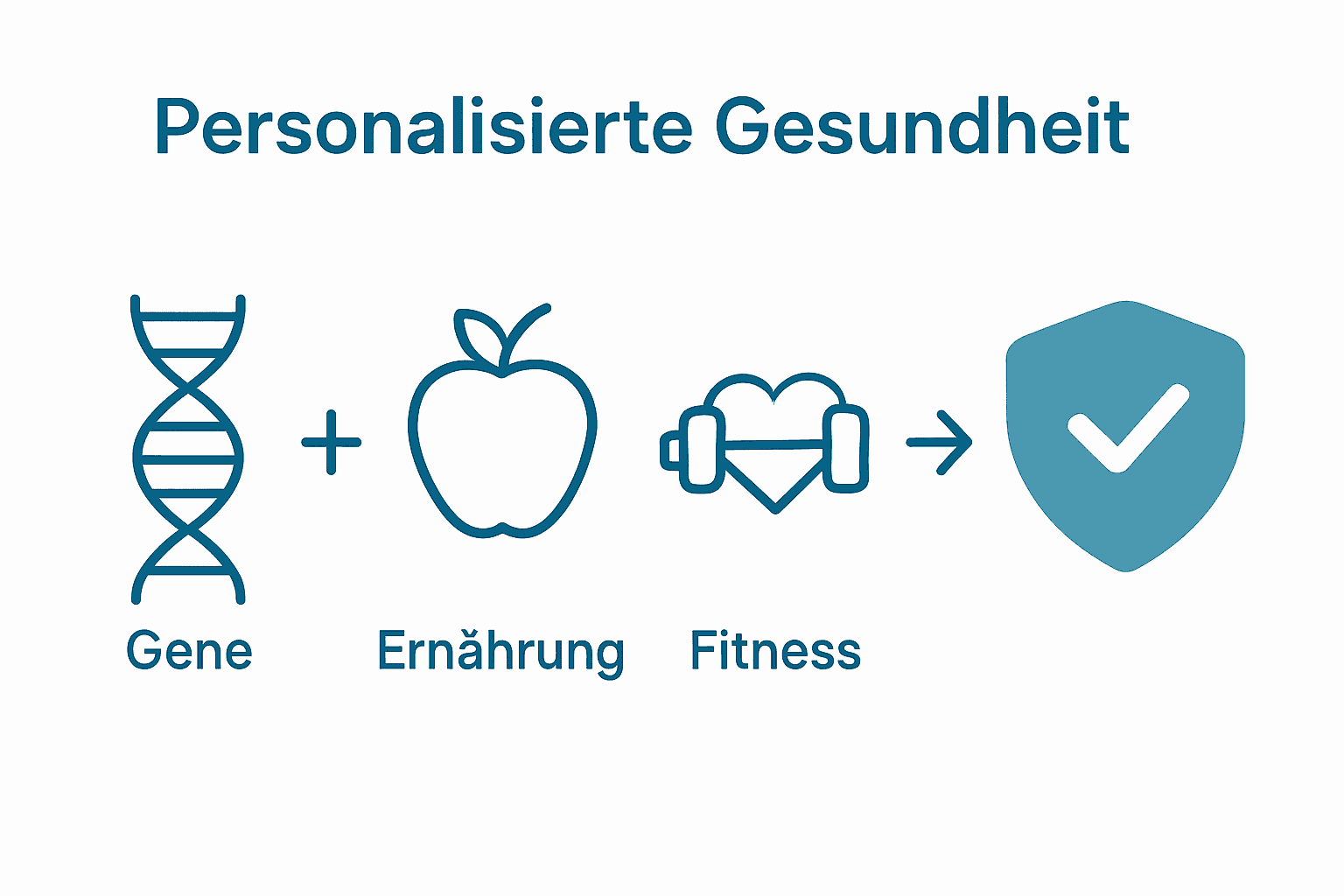
Nutrigenetics is revolutionizing our approach to nutrition and fitness by putting each person’s unique genetic blueprint at the center. Your genes are more than just a blueprint - they’re a dynamic system that determines how your body processes nutrients, generates energy, and responds to physical activity.
The key aspects of genetically personalized fitness include:
- Optimal nutrient absorption based on your genotype
- Individual metabolic responses to different foods
- Customized training strategies
- Preventing genetically linked health risks
According to Runner’s World, research shows that genetic variations can massively influence the absorption, processing, and storage of nutrients. Regular physical activity can even cause epigenetic changes that positively affect your gene expression. For deeper insights into your personal DNA-based nutrition strategy, I recommend our detailed article.
What does this mean for you? You can not only understand your body, but actively optimize it - based on your unique genetic map.
Opportunities, risks, and data protection in genetic testing
Genetic tests are a double-edged sword - they offer fascinating insights into your health, but also pose sensitive challenges. They provide deep insights into your unique genetic makeup, which can help you make healthier choices.
The key aspects include:
- Personalized health strategies
- Early detection of genetic risks
- Potential psychological strain
- Complex ethical considerations
According to the Austrian Medical Journal, two factors in particular must be considered when conducting genetic tests: the quality of the information and the protection of sensitive data. While these tests can provide valuable insights, it’s crucial to understand their limitations. For a comprehensive overview, I recommend our genetic analysis guide, which will help you make informed decisions.
The key is understanding: The better you understand what a genetic test can and can’t tell you, the more responsibly you can handle this sensitive information.
Discover your genetic metabolism—understand it personally and make the most of it
Would you like to know why your body processes nutrients differently from other people’s and how you can tailor your diet to your genetic traits? Then the DNA Metabolism Tests for Your Optimal Nutrition – mybody®x are just right for you. These tests provide scientifically sound insights into your personal metabolic function and show you ways to improve your health, energy, and well-being over the long term.
Take this opportunity to find out how personalized nutrition recommendations and lifestyle tips can give your metabolism a boost. For those also struggling with weight problems, we offer effective solutions in the category Personalized Solutions for Obesity | Lasting Weight Loss – mybody®x.
Start your journey to optimal health with mybody® – your trusted partner for personalized health analyses. Find out more on our website https://mybody-x.com. Don’t wait any longer; enjoy free shipping on orders over 49 euros and personal advice today.
Frequently asked questions
What is genetic metabolism?
Genetic metabolism refers to the individual genetic variations that determine how the body processes nutrients and converts them into energy. Everyone has a unique genetic code that influences metabolic efficiency.
How do genes affect my metabolism?
Genes play an active role in regulating metabolism. They influence how nutrients are metabolized, stored, and converted into energy, and can affect enzyme function and hormonal responses.
What are genetic metabolism tests, and how do they help?
Genetic metabolism tests analyze how your body processes nutrients and controls metabolic processes. They offer personalized insights that help you develop tailored nutrition strategies and fitness plans.
How can I adapt my diet based on genetic insights?
By understanding your genetic variations, you can develop tailored nutrition strategies based on optimal nutrient absorption, individual metabolic responses, and preventive health measures.


