

What Is DNA Metabolism? Deciphering Genetic Influences
Anyone trying to keep their diet and weight in balance over the long term quickly encounters individual differences in metabolism. It soon becomes clear that standard advice is not equally effective for everyone. A look at DNA metabolism shows why personalized approaches can be crucial and how genetic mechanisms influence energy balance. This article examines how scientific findings can support individual health and quality of life.
Table of contents
- DNA Metabolism: Importance and Fundamental Principles
- Important processes: replication, repair, recombination
- Genetic influences on metabolism
- Applications of DNA metabolism analyses in everyday life
- Opportunities, risks, and limitations of modern tests
Key findings
| Point | Details |
|---|---|
| Importance of DNA metabolism | DNA metabolism is essential for cell function, reproduction, and adaptation. |
| Core processes | Replication, repair, and recombination ensure the integrity of genetic information. |
| Influence of genetic variations | Genetic mechanisms control metabolism and influence enzyme activity and hormone secretion. |
| Applications and challenges | DNA analyses offer personalized health strategies but require careful interpretation and data protection. |
DNA Metabolism: Importance and Fundamental Principles
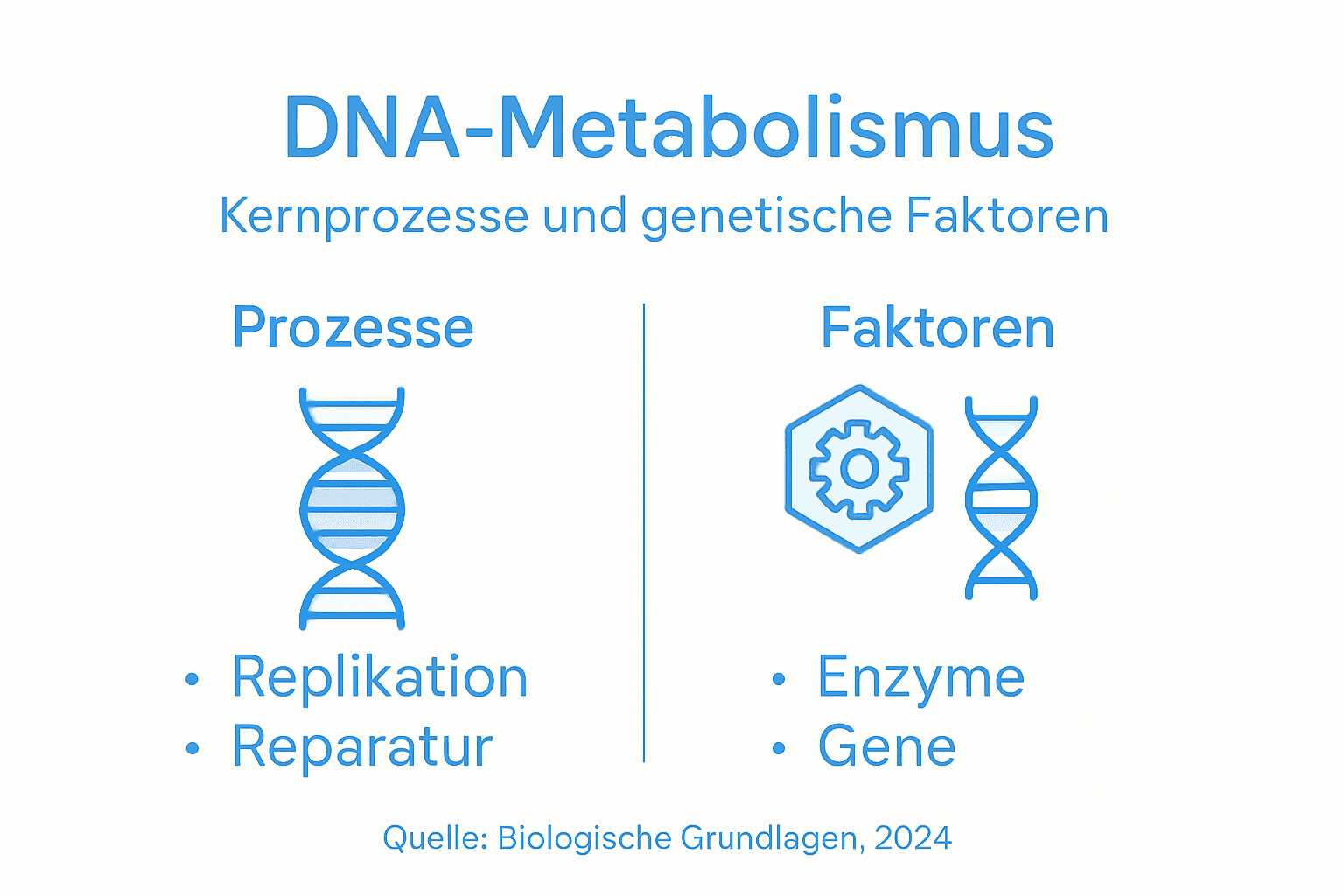
DNA metabolism describes a complex biological process that is fundamental to the survival and functioning of our cells. It encompasses all processes related to the synthesis, modification, repair, and degradation of DNA. Scientific analyses of cell biology show how crucial these processes are for preserving our genetic information.
The fundamental principles of DNA metabolism are based on precise biochemical mechanisms. It not only controls the reproduction of genetic information but also plays a central role in cell renewal and adaptability. The metabolism encompasses all chemical reactions necessary for growth, repair, and energy production.
The core processes include:
- DNA replication
- Gene transcription
- DNA repair mechanisms
- Chromosomal stabilization
The regulation of these processes is carried out by complex enzymatic systems that correct errors and ensure the integrity of genetic information. Metabolic fundamentals illustrate how dynamic and precise these mechanisms are.
Pro tip: Maintain a balanced diet and lifestyle that can support your DNA metabolism and promote cellular health.
Important processes: replication, repair, recombination
DNA metabolism comprises three central processes that are essential for the stability and function of our genetic information: replication, repair, and recombination. Molecular DNA mechanisms show how intricately these processes interact and safeguard our genetic integrity.
Replication describes the exact duplication of DNA before each cell division. The genetic information is copied precisely to minimize errors. Repair plays an equally important role by correcting DNA damage that can result from environmental influences such as UV radiation or chemicals.
The recombination process enables genetic diversity and is particularly important during the formation of germ cells. Chromatin-modifying processes illustrate how complex enzymatic systems regulate and control these mechanisms. The main functions include:
- Exchange of genetic material
- Error correction in DNA damage
- Adaptation to environmental changes
- Promoting genetic diversity
These processes work together with great precision and ensure the stability of our genetic information. They continuously adapt and protect us from potential genetic changes.
The following table presents the key differences and similarities among the central DNA metabolism processes:
| Process | Main function | Importance for the cell |
|---|---|---|
| Replication | Duplication of DNA | Ensuring error-free division |
| Repair | Correction of DNA damage | Avoidance of genetic defects |
| Recombination | Exchange of genetic material | Promoting diversity and adaptation |
Pro tip: Protect your DNA through a healthy lifestyle with sufficient antioxidants, exercise, and stress reduction.
Genetic influences on metabolism
Human metabolism is controlled by complex genetic mechanisms that go far beyond the simple inheritance of traits. Natural DNA modifications show how epigenetic changes significantly influence gene expression and, consequently, cellular metabolism.

Genetic variations play a crucial role in regulating metabolic processes. They directly influence enzyme activity and metabolic pathways in our cells. Epigenetic mechanisms such as DNA methylation and histone modifications can regulate the activity of certain genes without altering the underlying DNA sequence.
The most important genetic influences on metabolism include:
- Regulating enzyme production
- Regulating energy metabolism
- Influencing nutrient utilization
- Controlling hormone secretion
Basics of genetic engineering illustrate how genetic information controls protein biosynthesis and thereby directly influences our metabolism. Every person has a unique genetic profile that individually shapes their metabolic processes.
Pro tip: Take a genetic metabolism test to understand your individual metabolic characteristics and optimize them in a targeted way.
Applications of DNA metabolism analyses in everyday life
DNA metabolism analyses have long since moved from the laboratory into our everyday lives. Practical applications in genetic engineering show how versatile these tests have become—from diagnosing diseases to personalized preventive healthcare.
These analyses are playing an increasingly important role in modern medicine. They make it possible to identify genetic predispositions to certain metabolic diseases at an early stage and develop preventive measures. Personalized medicine now means using individual genetic profiles to design tailored treatment strategies.
The main areas of application include:
- Identifying genetic metabolic risks
- Developing personalized dietary recommendations
- Preventing hereditary diseases
- Optimizing drug therapies
Analyses for optimizing metabolism help people take an active role in managing their health. They provide valuable insights into individual metabolic processes and enable targeted interventions to improve quality of life.
Pro tip: Consult an expert to have your individual test results interpreted holistically and professionally.
Opportunities, risks, and limitations of modern tests
Modern genetics offers fascinating possibilities, while DNA metabolism tests require a differentiated perspective. The fundamentals of genetic engineering highlight the complex opportunities and challenges of these analyses.
The key opportunities include precise personalized health predictions, which enable early interventions. Modern tests can identify genetic risks for metabolic diseases and highlight individual prevention strategies. At the same time, they entail significant risks, such as potential misinterpretations and unwanted psychological strain.
Key aspects at a glance:
- Opportunities for early detection
- Individual prevention strategies
- Data protection risks
- Limited predictability of genetic processes
Metabolic analyses in context show that although genetic tests provide valuable insights, they must always be understood in conjunction with environmental factors and individual living conditions. Interpretation requires the utmost scientific care and professional support.
Here you will find an overview of relevant aspects of modern DNA metabolism tests:
| Aspect | Benefits | Challenges |
|---|---|---|
| Early detection | Risk identification | Interpretation requires expertise |
| Personalized prevention | Individualized strategies | Data protection must be ensured |
| Prediction accuracy | Tailored recommendations | Limited predictive power |
Pro tip: Always have your test results individually and holistically interpreted by a medical specialist.
Discover your individual DNA metabolism for greater well-being
The article comprehensively explains how DNA metabolism affects our cellular health and overall metabolism. Many people struggle with challenges such as unexplained fatigue, metabolic problems, or unwanted weight gain. These symptoms can be closely linked to genetic factors that you can specifically understand and influence. Terms such as DNA repair, epigenetic regulation, and individual gene expression clearly show how unique and complex our metabolism is.
With the DNA metabolism tests for your optimal nutrition – mybody®x, you receive a scientifically grounded analysis of your genetic predispositions. This allows you to optimally support your individual metabolism and target your specific needs. Whether you are looking to optimize your nutrition, manage your weight, or have more energy in everyday life, these tests provide clear insights for a healthier lifestyle.
Start deciphering your genetic traits today and give your body the support it truly needs. Visit mybody-x.com and discover more solutions for overcoming fatigue and exhaustion | mybody®x or personalized approaches to lasting weight loss. Take the first step toward greater health and well-being through personalized DNA analysis.
Frequently Asked Questions
What Is DNA Metabolism?
DNA metabolism describes all biological processes associated with the synthesis, modification, repair, and breakdown of DNA.
Which Central Processes Does DNA Metabolism Involve?
The central processes are DNA replication, DNA repair, and DNA recombination. These processes are crucial for genetic stability and diversity.
How Do Genetic Factors Influence Metabolism?
Genetic factors play a central role in regulating enzyme activity, providing energy, and processing nutrients in the body.
What Are the Benefits of DNA Metabolism Analyses?
These analyses enable the early detection of genetic risks, the development of personalized nutrition recommendations, and the optimization of drug therapies.
Recommendation
- WeightLoss SLIM DNA Test | DNA-Based Weight Loss – mybody®x
- What Is Epigenetics? 6 Mechanisms That Control Your Genes – mybody®x
- DNA Analysis for Weight Loss: Find Your Path to Your Ideal Weight – mybody®x
- DNA Nutrition: The Genetic Code for Your Health – mybody®x
- Understanding Genetic Hair Loss: Causes and Effects | MyHair



Share now:
Metabolism Analysis Step-by-Step: How to Optimize Your Diet
Epigenetic analysis: key to personalized health