

Irritable bowel syndrome—what can you do? Your guide to greater well-being in everyday life
When your stomach is acting up and you ask yourself, “Irritable bowel syndrome—what can I do?”, the first and most important step is to regain control. You can do this by learning to understand your body’s signals. Targeted self-observation is the key to uncovering your personal patterns and triggers and finding a way out of the chaos.
Understanding irritable bowel syndrome and regaining control
If you repeatedly struggle with abdominal pain, bloating, constipation, or diarrhea, you are far from alone. Irritable bowel syndrome (IBS) is one of the most common diagnoses in gastroenterology practices, but its triggers and symptoms are extremely individual. What causes severe cramps for one person may cause only mild rumbling for someone else.

In fact, irritable bowel syndrome is a genuine widespread condition in Germany. According to the 2019 Barmer Physicians’ Report, the diagnosis was officially made one million times in 2017 alone, although experts estimate that up to eleven million people are affected. It is striking that increasingly younger people are affected: Between 2005 and 2017, the number of patients aged 23 to 27 increased by an impressive 70 percent. You can find more details in the findings of the Barmer Physicians’ Report.
Find your personal triggers
The crucial first step on your journey toward greater well-being is identifying your personal triggers. Irritable bowel syndrome is not a condition with a one-size-fits-all solution, but a complex puzzle. Your symptoms are the pieces you need to put together.
A simple but incredibly effective tool for this is a symptom diary. Every day, record what really matters:
- What you eat and drink: Record not only your main meals, but also every snack, coffee, or juice in between.
- Your symptoms: Describe as precisely as possible what you are feeling. Is it a stabbing pain, a bloated stomach, or a sudden urge to have a bowel movement?
- Your stress level: Did you have a stressful day at the office, an argument, or simply time pressure? Be honest with yourself.
- Exercise and sleep: Also record your exercise routine and how well you slept.
After just a few weeks, you will probably notice some initial patterns. Perhaps bloating always occurs after consuming dairy products, or abdominal cramps become unbearable on stressful workdays. These insights are worth their weight in gold.
Your symptom diary is more than just a list—it is your personal database. It transforms feelings of helplessness into active self-empowerment and gives you back control over your health.
This self-observation lays the foundation for all the steps that follow. Instead of blindly trying diets and letting unpredictable symptoms overwhelm you, you build a solid knowledge base. On this basis, you can take targeted measures that truly suit you and your body. This means the question “Irritable bowel syndrome—what should I do?” is no longer a source of frustration, but the starting point for a clear, actionable plan.
Proven immediate relief for acute irritable bowel symptoms
Suddenly, there it is—the dreaded irritable bowel flare-up. Abdominal cramps, a bloated stomach that feels like a balloon, or sudden diarrhea—you know the feeling all too well and often feel completely helpless. In these moments, you need quick and, above all, gentle relief. Instead of panicking, there are several tried-and-tested home remedies that can help you regain control and calm your stomach.
Your first choice should be a cup of tea that specifically relaxes cramped muscles. A true classic here is peppermint tea. Its menthol-containing oils have an antispasmodic effect and can noticeably relax the tense intestinal wall.
A fantastic alternative, especially if bloating is your main problem, is a mixture of fennel, anise, and caraway. This combination is a tried-and-tested trio from naturopathy that not only relieves cramps but also breaks down trapped gas in the intestines and gently stimulates digestion.
Use heat and relaxation intentionally
At the same time, external heat can often provide immediate relief. A simple hot-water bottle or a warm cherry-stone pillow placed on your abdomen can be a true blessing. The heat relaxes the muscles from the outside, promotes circulation, and thus helps alleviate the pain.
It is best to combine the heat with mindful breathing exercises. This is an incredibly effective technique for positively influencing the direct connection between your brain and your gut, known as the gut-brain axis. Pain triggers stress, and this stress intensifies the symptoms—a vicious cycle you can actively break.
Tip for a quick breathing exercise: Breathe in slowly through your nose for four seconds, hold your breath for two seconds, then consciously exhale through your mouth for six seconds, almost noisily. Repeat this a few times. This simple exercise activates your “rest-and-digest nerve” (the parasympathetic nervous system) and noticeably lowers your stress level.
Light foods and gentle movement
During an acute flare-up, it is wise not to put additional strain on your gut. Hard-to-digest, fatty, or heavily spiced foods are out of place right now. Instead, choose light, gentle foods that will not overwhelm your digestive system.
Here are a few well-tolerated options that have proven effective:
- Cooked carrots or zucchini: They are easy to digest, provide important nutrients, and soothe the gut.
- Oatmeal gruel: A true balm for the stomach lining that gently provides energy without causing irritation.
- A clear chicken or vegetable broth: It provides fluids and valuable minerals, which is especially important if you have diarrhea.
Even if your first impulse is to curl up and lie still, gentle movement can sometimes bring more relief than complete rest. A slow walk in the fresh air can regulate bowel activity and help break down painful gas. However, be sure to avoid intense physical activity, as it could worsen your symptoms.
Think of these immediate relief measures as your personal first-aid kit. They give you the opportunity not to suffer passively, but to take action and get the acute symptoms under control on your own terms.
Adjust your diet strategically with the low-FODMAP method
Okay, the acute abdominal pain is under control for now. But what next? How can you make sure your stomach stays calm in the long term? This is where your diet comes in—not through wild guesswork and eliminating everything you enjoy eating, but with a clear, scientifically proven plan: the low-FODMAP approach.
For many people with irritable bowel syndrome, this approach is a real turning point.
The abbreviation FODMAP sounds terribly complicated at first. It stands for fermentable Oligosaccharides, Disaccharides, Monosaccharides and Polyols. Basically, though, it simply describes a group of short-chain carbohydrates and sugar alcohols that your small intestine has difficulty absorbing.
They simply move further into the large intestine. There, your gut bacteria pounce on them and begin to ferment them. This produces gas—and that is exactly what causes typical IBS symptoms such as bloating, cramp-like pain, and that unpleasant feeling of pressure.
The three phases of the low-FODMAP diet
It is important to understand that this is not a lifelong diet, but rather a three-step diagnostic tool. The goal is to give your gut a well-deserved break and then determine specifically which foods, and in what quantities, you can actually tolerate.
-
The elimination phase (about 4–6 weeks): During this time, you consistently avoid all foods with a high FODMAP content. These include many types of fruit, such as apples and mangoes; vegetables, such as onions and garlic; as well as legumes, wheat, and dairy products high in lactose. During this phase, your gut can finally calm down, and your symptoms should noticeably improve.
-
The reintroduction phase: Once you feel significantly better, you begin systematically testing the individual FODMAP groups again. For example, you could introduce a lactose-containing food for three days and carefully observe how your body reacts. This helps you identify your personal triggers like a detective.
-
The personalization phase: Using what you learned during the testing phase, you create your own personalized long-term diet. You now know which foods you should avoid and which you can enjoy without problems. The goal is always a varied and balanced diet, with no unnecessary restrictions.
The key to success is patience and careful observation. The low-FODMAP method gives you a clear structure for moving from reacting to symptoms to proactively taking control of your well-being.
This table provides a simple overview of foods with high and low FODMAP content to make it easier to get started with the diet.
Low-FODMAP foods at a glance
| Food category | Low FODMAP content (better tolerated) | High FODMAP content (best avoided) |
|---|---|---|
| Fruit | Bananas (unripe), berries, oranges, kiwi, grapes | Apples, pears, mangoes, cherries, watermelon |
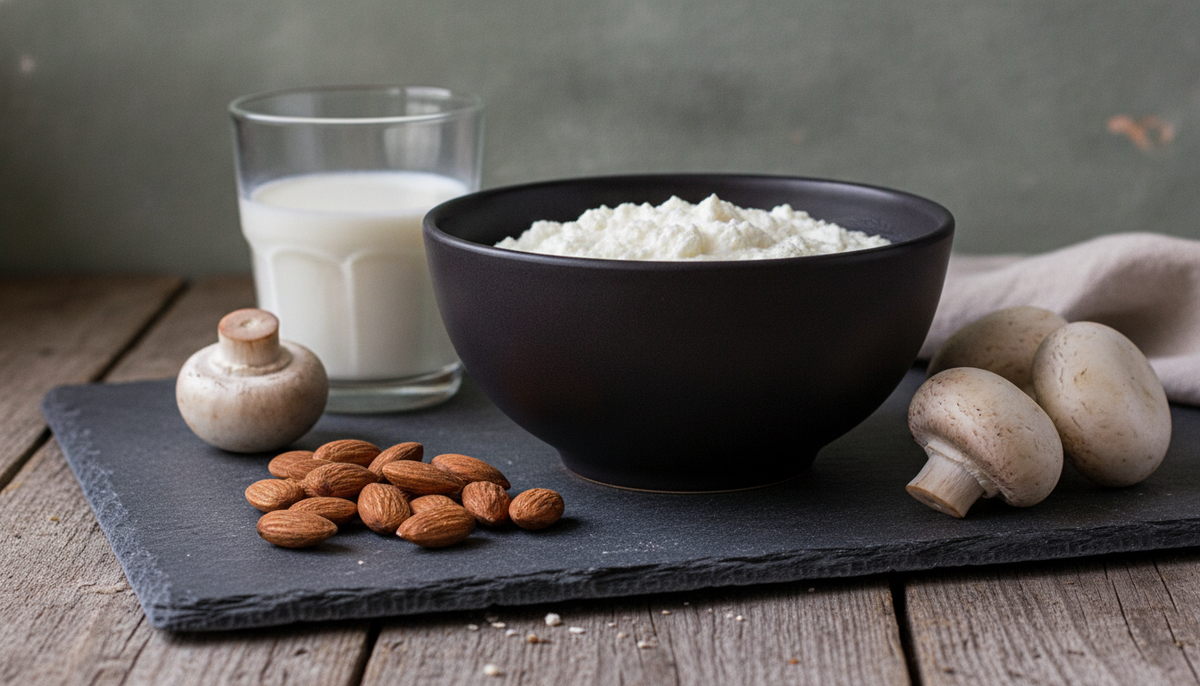
| Vegetables | Carrots, cucumbers, zucchini, bell peppers, potatoes | Onions, garlic, leeks, cauliflower, mushrooms |
| Grains | Oatmeal (gluten-free), rice, quinoa, corn | Wheat, rye, barley (large amounts) |
| Legumes | Lentils (small amounts), chickpeas (small amounts) | Beans (all varieties), lentils (large amounts) |
| Dairy products | Lactose-free milk, hard cheese, butter, yogurt (lactose-free) | Cow's milk, soft cheese, yogurt, ice cream |
| Sweeteners | Maple syrup, rice syrup, stevia | Honey, agave syrup, corn syrup, sugar alcohols (xylitol, sorbitol) |
Remember: These lists are just a starting point. Every body reacts differently, and your goal is to find your own individual tolerance threshold.
Shorten the process and make it more precise
The low-FODMAP diet is effective, no question. But it can also be quite challenging and time-consuming. Often, it is hidden intolerances that really fuel IBS symptoms. Statistics from the KKH on irritable bowel syndrome show that women are twice as likely to be affected as men, and a large proportion of those affected also suffer from food intolerances.
Here, you can take a decisive step to shorten the process: With an at-home intolerance test from mybody-x, you receive a personalized analysis of foods. Instead of strictly eliminating foods for weeks, the test shows which foods your immune system reacts to by producing IgG4 antibodies.
This infographic summarizes the initial, fast-acting measures you can take to alleviate acute symptoms.

It clearly shows how combining a soothing tea, comforting warmth, and targeted breathing can provide quick first aid before you turn to long-term strategies.
With the test results, you receive a personal map of your potential triggers. This knowledge allows you to start changing your diet in a much more targeted way and find your individual feel-good diet more quickly. You can also find more detailed information and practical tips in our comprehensive article on diet for IBS.
Use the gut-brain axis to your advantage
Do you sometimes feel like your gut is thinking along with you? This “gut feeling” is not your imagination—it is pure science. The gut-brain axis is the direct data highway connecting your mind and digestion. Stressful emails, an argument, or everyday pressure can affect your gut almost in real time.
Chronic stress is a known trigger that can not only cause IBS symptoms but also severely worsen them. So the question “IBS, what can I do?” inevitably leads us to our mental well-being.

Fortunately, you are not helplessly at the mercy of this vicious cycle. You can learn to actively use this connection to your advantage and break the cycle of stress and abdominal pain.
Relaxation techniques for everyday life
Stress management does not have to be complicated. Even small, intentional breaks can make a huge difference. The goal is to send your nervous system the signal “Everything is fine” so that your gut can relax as well.
You can try the following techniques right away:
- Mindfulness exercises: Sit in a quiet place for just five minutes. Close your eyes and focus exclusively on your breathing. Notice the air flowing in and out without trying to change anything.
- Progressive muscle relaxation: Tense different muscle groups one after another, such as your fists, arms, and shoulders, firmly for five seconds, then abruptly release them. This helps you consciously reduce physical tension.
- Yoga or tai chi: These gentle forms of exercise combine physical movements with mindful breathing and meditation. They are ideal for helping both the body and mind relax.
The stress hormone cortisol plays a central role here. A persistently elevated level can make the intestinal lining more permeable and promote inflammatory reactions. Targeted relaxation has been shown to lower cortisol levels.
If you suspect that your stress levels are chronically elevated, it may be useful to gain clarity. With an at-home hormone test, you can easily check your cortisol level yourself. If you want to understand your cortisol level, you can find more information here about how to measure cortisol at home.
The role of sleep and exercise
Never underestimate the power of restful sleep and moderate exercise. While you sleep, your entire body regenerates—including your gut. Lack of sleep, on the other hand, increases sensitivity to stress and can directly worsen IBS symptoms.
At the same time, regular but gentle exercise is a real balm for your stomach. A brisk walk, a bike ride, or swimming not only stimulates digestion and helps relieve bloating, but also effectively reduces stress hormones.
However, avoid excessive, high-intensity exercise, as it can place additional strain on your body and worsen your symptoms. Find a form of exercise that you enjoy and that does not leave you exhausted.
Targeted tests: Find out what is really behind your symptoms
Getting your symptoms under control is a huge first step. But to finally answer the question “Irritable bowel syndrome—what can you do?”, we need to dig deeper. Genuine, lasting improvement only occurs when you understand the root of your problems. It’s about finding out what is really going on in your body instead of merely scratching the surface.
A medical diagnosis is always the starting point and is absolutely essential. Its purpose is to reliably rule out serious organic diseases such as Crohn’s disease or celiac disease. But what if the doctor then says, “It’s ‘just’ irritable bowel syndrome”? Too often, you are left back where you started, with all the vague symptoms but no clear plan. This is exactly where you can take action and investigate the cause yourself.
Your gut microbiome is the key
Research in recent years has made one thing very clear: One of the most common causes of irritable bowel syndrome is an imbalance in gut bacteria, known as dysbiosis. Imagine your gut as a complex ecosystem inhabited by trillions of microorganisms. When this delicate balance is disrupted—whether by stress, a previous infection, or an unsuitable diet—it can trigger the typical symptoms of irritable bowel syndrome.
The tricky thing is that this kind of imbalance can neither be felt nor seen during a conventional colonoscopy. You therefore need a method that gives you direct insight into the composition of your gut flora.
This is precisely where the mybody-x gut test provides crucial support. Instead of continuing to grope in the dark, you can finally get a clear picture of what is really happening in your digestive tract.
Your gut flora is like a species-rich garden. With dysbiosis, too much “weed” may have spread and displaced the beneficial “plants.” A microbiome test is like a soil analysis that shows you exactly what is missing and what is present in excess.
From knowledge to targeted action
The best part is how easy it is: The test is based on a straightforward stool sample that you can collect conveniently and discreetly at home. The sample is then analyzed in a specialized laboratory. Instead of incomprehensible raw data, you receive a detailed, clearly presented report.
Among other things, your very personal results show you:
- The diversity of your gut bacteria: Is your microbiome rich in species and stable, or are there gaps?
- The ratio of beneficial to harmful bacteria: Is there an imbalance that could promote bloating or inflammation?
- Specific recommendations: Based on your analysis, you will receive personalized suggestions for how to specifically rebuild your gut health.
This data-based approach has one decisive advantage: You are no longer acting blindly. Instead of trying random probiotics, you can specifically add the bacterial strains that are actually missing from your gut. You also receive dietary recommendations to specifically “feed” the beneficial bacteria and deprive the harmful ones of their food source.
This is how you turn endless guesswork into a strategic process. You regain full control because you finally understand where to start. If you would like to learn more about how such a test works and what insights it can provide, you can find more information in our article about the mybody-x gut test.
This approach enables you not only to manage your symptoms but also to actively address their causes—and thus lay the foundation for long-term well-being and a calm gut.
Your IBS journey: Answers to your most important questions
When you live with IBS, questions are constantly swirling around in your head. The uncertainty can be truly exhausting. That is why we have gathered the most common concerns here and provide honest, clear answers to give you reassurance and a plan for your journey.
Can IBS become dangerous?
Most people affected by IBS ask themselves this question at some point, and I can reassure you right away: No, IBS itself is not medically dangerous. It is a functional disorder, meaning it does not cause lasting damage such as chronic inflammation or even cancer. So your intestines are not diseased in the conventional sense; they simply do not function as they should.
However, IBS can severely affect your quality of life. That is precisely why a thorough medical diagnosis is so important—to rule out the possibility that a serious condition such as Crohn’s disease or celiac disease is behind your symptoms.
Nevertheless, you should be alert to certain warning signs. If you notice blood in your stool, diarrhea at night, fever, or unexplained weight loss, you should see a doctor immediately. These are not typical IBS symptoms and require urgent medical evaluation.
What role do probiotics really play?
Probiotics can be an incredibly valuable tool, but they are not a miracle cure. It is a widespread misconception that any probiotic yogurt from the supermarket will solve the problem. Unfortunately, it is not that simple.
The crucial point is this: it is about finding the right bacterial strains for your individual gut flora. Studies show, for example, that strains such as Bifidobacterium bifidum may help with bloating and pain. But simply taking various cultures at random is often like stabbing in the dark and, in the worst case, can even be counterproductive.
This is where a gut test like the one from mybody-x comes in. It is the decisive step from guessing to knowing. The test shows you in black and white which beneficial bacteria are missing from your gut. With this data, you can then specifically select the right probiotic cultures and build up your gut flora in the way it truly needs.
Do I have to give up my favorite foods forever now?
We hear this concern all the time, but in the vast majority of cases, it is unfounded. A strict diet such as the Low-FODMAP diet at the beginning is a short-term measure for relief and diagnosis—it is not a lifelong punishment!
After the first strict phase of around four to six weeks, during which your gut can recover, the truly most important and exciting part begins: systematic reintroduction. Here, you test very deliberately and in small amounts which food groups you can tolerate again and which you cannot.
The goal is to find an eating pattern that is as varied and nutrient-rich as possible without triggering your symptoms. Many people affected are surprised by how much they can actually eat. They find their own personal tolerance threshold. An intolerance test from mybody-x can significantly speed up this process. From the outset, it gives you clear indications of your personal triggers and helps you return to your personal feel-good diet much faster.
You see, knowledge is the key. It’s about understanding your body instead of fighting against it. The home self-tests from mybody-x provide exactly the data and clear recommendations for action you need. Take your health into your own hands now.
Discover the analyses that are right for you now at https://mybody-x.com.


Share now:
Understand intestinal pain and finally find its cause
Understand digestive issues and finally get them under control