
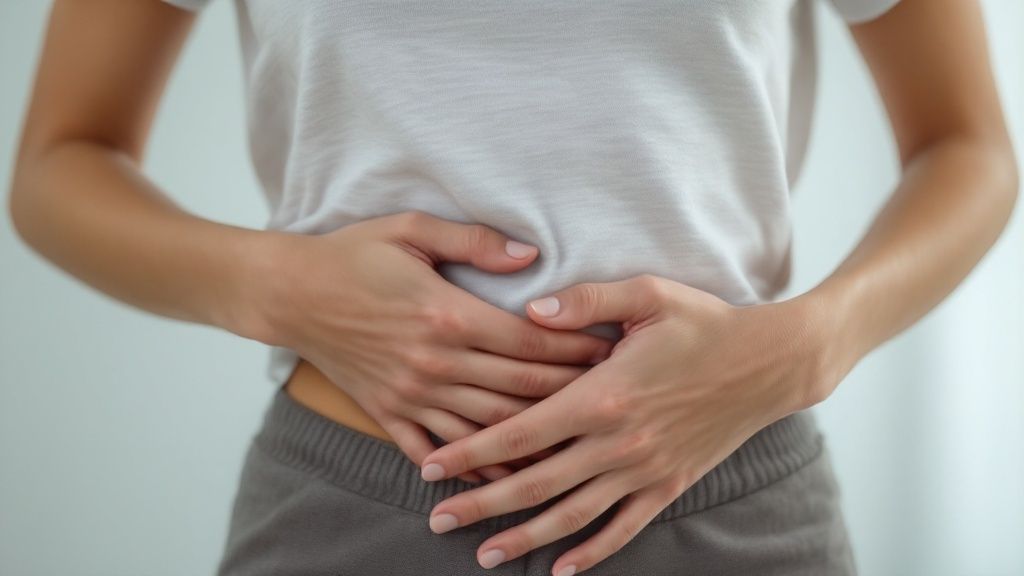
Causes of a bloated abdomen: Understanding what your body is trying to tell you
Almost everyone knows this feeling: Your trousers suddenly feel tight, your abdomen bulges outward, and it feels hard, almost like a tightly inflated balloon. Bloating is not only uncomfortable, but above all an important signal from your body. The causes are usually harmless and range from certain foods to stress. Nevertheless, understanding the underlying causes and listening to your body is the first step toward improvement.
What a bloated abdomen really means
Bloating, which doctors also call meteorism, is caused by too much gas in the gastrointestinal tract. Think of your intestines as a long system of tubes. When your digestion works smoothly, everything is transported onward quickly. But when this process slows down, the intestinal bacteria have more time to break down food remnants—they ferment them. In doing so, they produce gases such as carbon dioxide, methane, and hydrogen.
These gases cannot simply escape; they are virtually trapped in the digested food and stretch the intestinal walls. The result? Your abdomen visibly bloats. This is often accompanied by uncomfortable pressure, a feeling of fullness, and sometimes even cramp-like pain.
Bloating or abdominal fat? How to tell the difference
Many people confuse a temporarily bloated abdomen with a lasting increase in abdominal fat. However, there are clear differences that can help you correctly interpret your body’s signals. While bloating often appears suddenly and can disappear again during the day, abdominal fat is a constant accumulation of fatty tissue.
A key difference lies in the consistency: gas-related bloating often feels hard and tense, while abdominal fat is soft and “graspable.” Making the right distinction is key to taking the appropriate measures.
The following overview helps you correctly classify the symptoms and distinguish between gas-related bloating and an increase in abdominal fat.
How to identify bloating caused by gas or abdominal fat
| Characteristic | Gas-related bloating | Increase in abdominal fat |
|---|---|---|
| Time of onset | Often occurs suddenly, especially after meals or during the day. | Develops slowly over weeks and months. |
| Duration | The swelling is temporary and may subside within hours. | The increase is constant and lasting, without rapid fluctuations. |
| Feeling when touched | The abdomen feels hard, tense, and distended, similar to a drum. | The tissue is soft, pliable, and can be grasped between the fingers. |
| Accompanying symptoms | Often associated with a feeling of fullness, pressure, intestinal noises, and sometimes mild cramps. | Generally no direct digestive complaints, but often associated with overall weight gain. |
This simple distinction helps you narrow down the causes of your bloating and draw the right conclusions.
This visual guide summarizes the most common triggers of bloating, from diet to lifestyle.

The infographic makes it clear: the causes are diverse. A combination of eating habits, intolerances, and everyday stress often plays the main role.
How your diet affects your stomach
What ends up on your plate has a direct and often immediately noticeable effect on how your stomach feels. Diet is one of the most common causes of a bloated stomach, because every bite you eat must be processed by your digestive system. Think of your gut as a complex ecosystem in which trillions of bacteria live and work.
When we give this system the right "food," everything runs smoothly. But if we feed it substances that it can process only with difficulty or not at all, the balance gets disrupted—and you feel it as fullness, pressure, and bloating.

Well-known culprits and their effects
Certain foods are notorious for stimulating gas production in the gut. This is often due to their difficult-to-digest components, which are a real feast for your gut bacteria. When these substances are broken down—through a process known as fermentation—gases are produced that bloat your stomach.
The classic suspects include:
- Legumes such as beans, lentils, and chickpeas: They contain complex sugars (oligosaccharides) that the human small intestine cannot break down. They pass undigested into the large intestine, where bacteria feast on them.
- Cruciferous vegetables such as broccoli, cauliflower, and white cabbage: Like legumes, they are rich in fiber and sugars that are fermented in the large intestine and produce gas.
- Onions and garlic: They contain fructans, a type of carbohydrate that can cause bloating in many people.
However, these foods are not inherently "bad"—on the contrary, they are packed with important nutrients. It is more a matter of quantity and your individual tolerance. A healthy gut can often handle small portions well.
The hidden causes in modern foods
In addition to the well-known gas-producing foods, modern eating habits can put lasting strain on your stomach. They are often the actual cause of a chronically bloated stomach.
Highly processed foods, fast food, and ready-made meals are often full of:
- Refined sugar: Sugar not only feeds the "bad" bacteria in the gut, but can also trigger fermentation processes that significantly increase gas production.
- Unhealthy fats: Fried foods and products containing hydrogenated fats slow down digestion. Food remains in the intestines longer, giving bacteria more time to produce gas.
- Artificial additives: Sweeteners such as sorbitol or xylitol are barely absorbed by the intestines and can cause severe bloating in many people.
This combination overloads your digestive system and can disrupt the delicate balance of your gut flora. When the "good" bacteria are outnumbered, gas-producing microbes have an easy time.
An imbalance in the gut flora, also known as dysbiosis, is a central cause of recurring digestive problems. It is not only about what you eat, but also about how your microbiome reacts to it.
When the Body Cannot Tolerate Certain Foods
Sometimes the cause of a bloated stomach is not gas-producing foods, but an individual sensitivity or intolerance. In that case, your body is unable to digest certain food components properly.
Two of the most common intolerances are:
- Lactose intolerance: The enzyme lactase, which is necessary for breaking down milk sugar (lactose), is lacking. The lactose reaches the large intestine undigested, where it causes gas, cramps, and diarrhea.
- Fructose malabsorption: With this condition, the small intestine can absorb only limited amounts of fruit sugar (fructose). The excess fructose is fermented in the large intestine, leading to severe bloating.
If you regularly experience discomfort after consuming dairy products or fruit, such an intolerance could be the cause. You can learn more about this topic and how you can support your body in our detailed article on bloating after eating.
The Role of Abdominal Fat and Diet
A long-term unbalanced diet rich in sugar and unhealthy fats not only causes bloating but also promotes the accumulation of visceral abdominal fat. This fat is particularly insidious because it surrounds the internal organs and drives inflammatory processes in the body. In Germany, according to the Robert Koch Institute (RKI), about one in three adults has a significantly increased waist circumference, which is considered a strong indicator of this harmful fat. The German Obesity Society warns of the increased risk of cardiovascular disease and type 2 diabetes.
It is a vicious cycle: An unhealthy diet causes bloating, disrupts the gut flora, and at the same time promotes an increase in belly fat, which further burdens your health. The key is to understand your body and provide it with the nutrients it really needs to remain balanced.
The influence of stress and lifestyle on digestion
Your gut reacts not only to what you eat—it also reflects your daily life. Persistent stress, too little sleep, and a lack of exercise are among the often underestimated causes of a bloated stomach. They completely throw the delicate balance of your digestion off track and can lead to chronic problems over time.
Imagine your body as a finely tuned orchestra. For digestion to function smoothly, it needs calm and energy. Your lifestyle is, so to speak, the conductor who decides whether this orchestra plays harmoniously or falls completely out of rhythm.

The gut-brain axis: Your second brain
Have you ever heard of the gut-brain axis? It is the direct data highway between your brain and digestive system. The two constantly exchange information via nerve pathways and messenger substances. There is a reason the gut is called the “second brain”—it reacts extremely sensitively to your emotions.
When you are stressed, your body releases hormones such as cortisol and adrenaline. This is the ancient “fight-or-flight” response that once saved our lives. In this state of alarm, the body shuts down all functions that are not immediately essential for survival. And yes, that includes digestion.
The consequences of chronic stress are quite serious:
- Slowed digestion: Intestinal movement, also known as peristalsis, becomes sluggish. Food remains in the intestines longer, giving bacteria a feast for fermentation and gas production.
- Altered gut flora: Stress can disrupt the delicate balance between beneficial and harmful gut bacteria and promote dysbiosis.
- Increased pain perception: When you are tense, you react much more sensitively to the stretching of the intestinal wall caused by gas. The result: more severe pain and cramps.
Stress is not just a feeling in your head. It is a tangible physiological reaction that can literally paralyze your digestion. A stressed mind and a relaxed gut rarely go hand in hand.
If you notice that your stomach rebels especially during hectic periods, this could indicate irritable bowel syndrome. A targeted irritable bowel syndrome test can help you gain clarity and better understand the causes.
Why lack of exercise causes bloating
A sedentary lifestyle is poison for active digestion. Your intestines are not static organs—they need movement to stay active. Every form of physical activity acts like a gentle massage for your internal organs and stimulates natural intestinal movement.
If you do not move enough, the transport of food through your intestines slows down. Gases cannot escape properly and build up, leading to an unpleasant feeling of fullness. Even a short walk after eating can work wonders.
Mindfulness instead of rushing while eating
How you eat is almost as important as what you eat. In our fast-paced world, many people hastily wolf down their meals at their desks or on the go. This has direct, negative consequences for your digestion.
When you eat quickly, you inevitably swallow a lot of air (aerophagia), which collects in your gastrointestinal tract. At the same time, you forget to chew thoroughly. Digestion begins in the mouth! Food that has not been broken down properly places a tremendous extra burden on the stomach and intestines.
Mindful eating means taking your time, consciously enjoying every bite, and chewing thoroughly. This not only makes digestion easier, but also helps you become more aware of your feeling of fullness again. Targeted mindfulness exercises to reduce stress can also make your daily life more relaxed and your stomach calmer.
Your lifestyle is a powerful lever. By reducing stress, exercising regularly, and eating mindfully, you create the best conditions for a calm, balanced stomach.
When hormones are the cause of bloating
Hormones are the invisible directors of your body. Behind the scenes, they control countless processes, from your sleep-wake cycle and your mood to the distribution of body fat—and, of course, your digestion. When this finely tuned system becomes unbalanced, a bloated stomach can be one of the most noticeable consequences.
As a woman in particular, you may know this phenomenon all too well, because your hormone levels undergo significant, natural fluctuations throughout your life. But men are by no means immune to hormone-related digestive problems either.
The female cycle and bloating
Many women notice it again every month: During the second half of the cycle, in the days before their period, the abdomen suddenly swells. This symptom, often considered part of premenstrual syndrome (PMS), is no coincidence. It is the direct result of the interaction between two important hormones.
The main factors responsible are:
- Progesterone: After ovulation, progesterone levels rise sharply. This hormone has a relaxing effect on the smooth muscles throughout the body. While this is important for a possible pregnancy, it also unfortunately relaxes the intestinal muscles. The result: Digestion slows down, food remains in the intestines longer, and the bacteria have much more time to produce gas.
- Estrogen: Estrogen levels also fluctuate significantly. High estrogen levels can cause your body to retain more water and salt. This feeling of bloating then affects not only the abdomen but often the hands, feet, and face as well.
This combination of slowed digestion and water retention quickly leads to the typical feeling of having a “balloon in your stomach.”
Hormonal fluctuations are a completely natural part of the female cycle. However, they can cause recurring bloating, which is often mistakenly attributed solely to diet.
Hormones also play a central role during other stages of life. During pregnancy, a high progesterone level likewise causes slower digestion. During menopause, in turn, strongly fluctuating estrogen and progesterone levels can further intensify both water retention and digestive problems.
Hormones that also affect men
Even when the monthly cycle is absent, the male body is by no means immune to hormonal effects on the abdomen. Here, two other hormones are the main focus, both closely linked to our lifestyle and diet.
Cortisol, the stress hormone: As we have already discussed, chronic stress can virtually paralyze digestion. Permanently elevated cortisol levels not only slow down intestinal movement but also specifically promote the storage of visceral fat—that is, the harmful fat that accumulates around the organs in the abdominal cavity.
Insulin and blood sugar fluctuations: A diet full of sugar and simple carbohydrates leads to sharp blood sugar spikes and high insulin secretion. Insulin is the hormone that moves sugar from the blood into the cells. However, if there is constantly too much insulin circulating (known as insulin resistance), this promotes fat storage, especially around the abdomen. At the same time, these fluctuations can negatively affect the gut flora and intensify fermentation processes.
A hormonal imbalance can therefore be responsible both for temporary bloating caused by sluggish digestion and for a long-term increase in belly fat. If you suspect that your symptoms go deeper than just your diet, it is worth understanding these connections. A balanced diet that keeps blood sugar levels stable is an important building block here. You can find more tips on adjusting your diet in our guide to the right diet for irritable bowel syndrome, which also offers valuable approaches for hormone-related symptoms.
The Danger of Visceral Belly Fat
A belly that constantly feels tight and looks bloated is often more than just a cosmetic nuisance. It can be a clear warning sign of an accumulation of visceral belly fat. This “inner” fat is, so to speak, the invisible accomplice behind a chronically bloated belly—and carries serious health risks.

Unlike harmless subcutaneous fat, which you can simply pinch with your fingers, visceral fat settles deep inside your abdominal cavity. There, it surrounds vital organs such as the liver, stomach, and intestines. Think of it as an unwanted tenant that not only takes up space but also throws the entire house into chaos from the inside.
The Silent Driver of Inflammation in the Body
The truly dangerous thing about visceral fat is its hormonal activity. It is not passive storage tissue but a veritable hormone factory. It continuously produces pro-inflammatory messenger substances, known as cytokines, and releases them into the bloodstream.
These messenger substances spread throughout the body via the bloodstream and can trigger “silent inflammation.” This condition is a gradual underlying cause of many chronic diseases, as it constantly strains the immune system and disrupts important metabolic processes.
Excess visceral fat is directly linked to a range of serious diseases:
- Cardiovascular diseases: The risk of high blood pressure, heart attack, and stroke increases significantly.
- Type 2 diabetes: Visceral fat drives insulin resistance, a direct precursor to diabetes.
- Fatty liver: The liver is directly affected by the strain caused by the surrounding fatty tissue.
- Certain types of cancer: Chronic inflammation is believed to promote tumor growth.
These connections make it clear why a constantly bloated abdomen, indicating an increase in abdominal fat, is far more than merely a matter of aesthetics.
An increased waist circumference is often a much more direct indicator of health risks than body mass index (BMI) alone. It shows where the fat is located—and abdominal fat is the crucial factor.
A social phenomenon
The growing prevalence of overweight in Germany shows how relevant this issue is. Current data clearly demonstrate this trend: The proportion of overweight men rose from 57,9 % in 2005 to 62,4 %. Among women, the proportion increased over the same period from 41,5 % to 42,5 %.
These figures, which you can read in the Statista surveys, make it clear that the increase in waist circumference is closely linked to the rising prevalence of overweight.
In addition, visceral fat can weaken the intestinal barrier and lead to what is known as leaky gut syndrome. This makes the intestinal wall more permeable, allowing harmful substances to enter the body more easily and further fuel inflammation. Take it as a wake-up call to understand the deeper causes and take action before serious problems develop.
Your plan for a balanced abdomen
Okay, understanding the causes of a bloated abdomen is the first and most important step. Now it's about putting this understanding into practice and actively helping your body regain its balance. Often, it's the small but consistent adjustments in everyday life that make the biggest difference to your well-being.
You don't need a radical diet or a complicated exercise programme for this. Rather, it's about making conscious choices and giving your body exactly the support it needs for smooth digestion. A calm, balanced abdomen is the result of a harmonious interplay between diet, lifestyle and a healthy gut.
Immediate measures when your abdomen feels acutely tight
Does your abdomen feel like a balloon, and do you need quick relief? These simple measures can help gently release trapped gas:
- Gentle exercise: Even a short walk gets your intestines moving. This helps get the gas moving and eliminate it.
- Heat brings relief: Place a hot-water bottle or a warm cherry-pit pillow on your abdomen. The warmth relaxes the cramped muscles and can noticeably relieve pain.
- Soothing tea: Fennel, anise, and caraway tea are tried-and-tested home remedies. Their essential oils have an antispasmodic effect and can reduce gas formation.
- Clockwise abdominal massage: Massage your abdomen with gentle pressure in a clockwise direction. This follows the natural path of the colon and can support the onward movement of intestinal contents.
Your long-term strategy for greater well-being
For lasting improvement, it is not enough to treat only the symptoms. It is crucial to address the root causes. A long-term strategy focuses on strengthening your body from within and creating the ideal conditions for healthy digestion.
Remember: Your goal is not to suppress symptoms in the short term, but to create a stable foundation for your gut health. This takes some patience, but the effort is worthwhile.
Here are the three most important pillars of your strategy:
- Optimize your diet: Focus on a balanced diet with sufficient fiber from vegetables and whole-grain products—but always pay attention to your individual tolerance. Reduce highly processed foods, refined sugar, and unhealthy fats, as they unnecessarily burden your gut flora.
- Adjust your lifestyle: Incorporate regular, moderate exercise into your daily routine. Find ways to reduce stress, for example through targeted relaxation techniques such as yoga, meditation, or simple mindfulness exercises. Most importantly, consciously take time for your meals and chew thoroughly.
- Targeted support for your gut flora: A healthy microbiome is the key to good digestion. Probiotics can help restore the balance of beneficial bacteria. High-quality products from mybody-x.com, specially tailored to the needs of the gut, can provide targeted support on this journey and combat the causes of a bloated stomach from within.
This plan gives you a clear direction. Start with small steps, be kind to yourself, and observe how your body responds to the positive changes.
Your questions about a bloated stomach – answered briefly and concisely
To wrap up, we want to answer a few questions we receive again and again. They will help you understand your body’s signals even better and deal with them more confidently in everyday life.
When does a bloated stomach become a reason to see a doctor?
In the vast majority of cases, a bloated belly is simply bothersome but harmless. Diet is often the cause; sometimes it is stress, and sometimes hormones. However, you should be alert and seek medical advice if the symptoms appear suddenly and severely or if you notice additional symptoms.
Pay particular attention to these warning signs:
- Fever or chills
- Severe, unexplained weight loss
- Persistent nausea or vomiting
- Blood in the stool
Such signs may indicate more serious causes of a bloated belly, such as chronic inflammatory bowel disease. This needs to be medically evaluated.
Trust your gut feeling: If the symptoms simply feel “wrong,” worry you greatly, or are completely different from usual, seeing a doctor is always the right step. Better safe than sorry.
Why is my belly flat in the morning and round like a ball in the evening?
An incredible number of people experience this phenomenon—it is completely normal. Imagine this: Overnight, your digestive system finally gets a chance to rest and quietly process the previous day’s meals. That is why the intestines are usually relaxed and relatively empty in the morning.
Over the course of the day, it fills up again. You eat, drink, and unconsciously swallow a little air in the process. Your microbiome starts working and breaks down the food, naturally producing gases. Add stress or a rushed lunch, and the effect is intensified. The result: By evening, your belly visibly bulges.
Can probiotics really help with a bloated belly?
Yes, absolutely. Probiotics can be extremely effective support. A constantly recurring bloated belly is often a clear sign that your gut flora is out of balance—doctors refer to this as dysbiosis. Simply put: The “good” bacteria are outnumbered, while gas-producing microbes have multiplied too much.
Probiotics are nothing more than living, beneficial bacterial strains that target this issue and help restore balance. They can improve digestion, strengthen the important intestinal barrier, and thus sustainably get excessive gas production under control.
Do you finally want to know what is really behind your digestive problems and what your body needs to feel good? The scientifically based analyses from mybody-x.com, such as a gut microbiome test, provide valuable insights and personalized recommendations. Take control of your gut health and discover your path to a balanced belly at https://mybody-x.com.



Share now:
Snack recipes – healthy ideas for in between meals
Intermittent fasting 16/8 or DNA-based nutrition: What really suits you?