
Estrogen—effects, symptoms & what you can do if you have a deficiency or dominance
Estrogen—a small word with a major impact. This hormone affects not only your cycle and fertility, but also your skin, bones, mental health, and even your weight. When your estrogen levels become unbalanced, a variety of symptoms can occur—from mood swings to weight gain or hot flashes.
In this article, you will learn everything you need to know about estrogen:
-
What functions it performs in the body
-
Which symptoms indicate estrogen deficiency or estrogen dominance
-
How you can have your hormone levels tested
-
What options are available to regulate your estrogen levels naturally
👉 Tip: If you want to learn more about your hormone status right away, you can find suitable hormone tests for women here, which you can easily take at home.
What is estrogen, and what functions does it perform in the body?

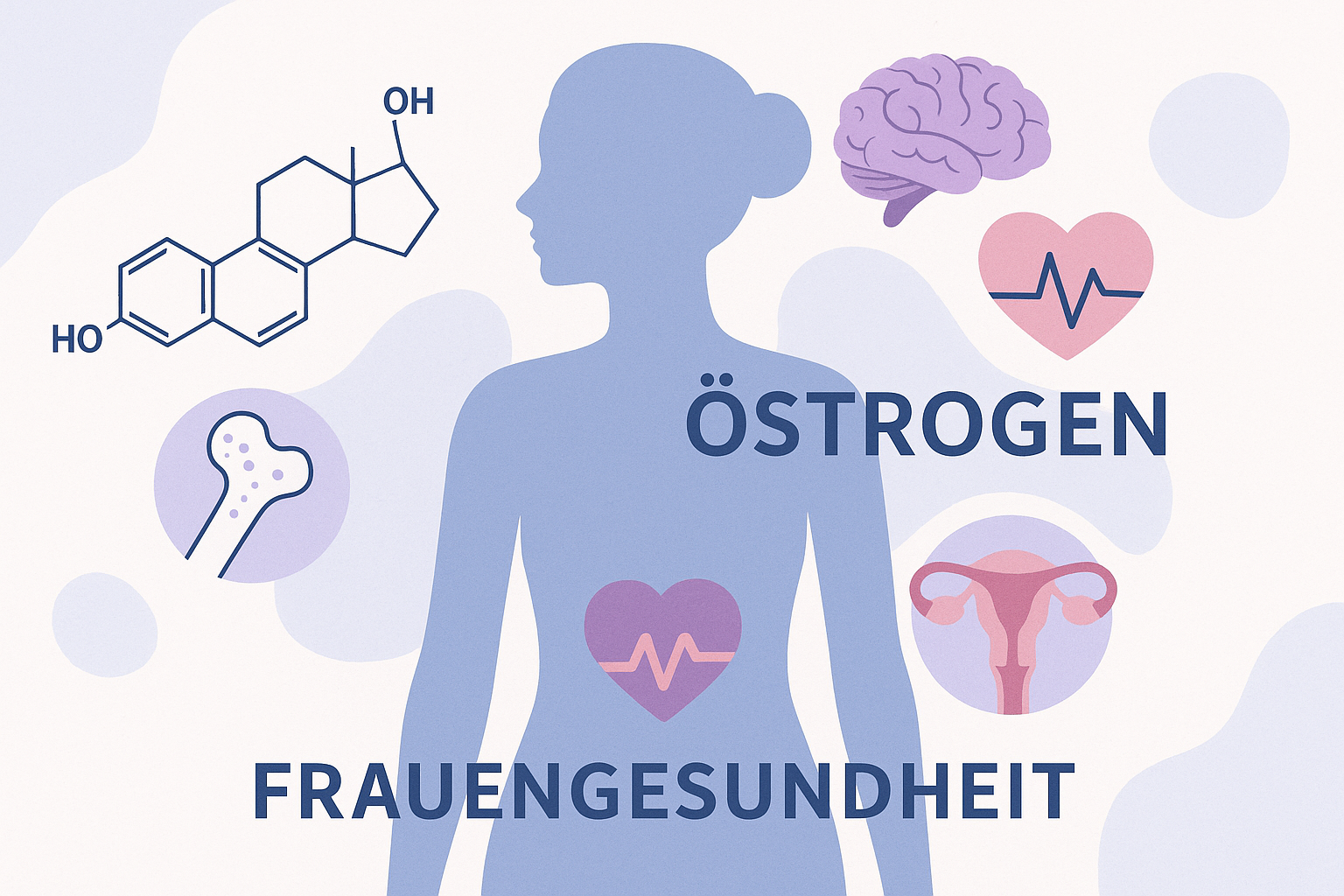
Estrogen is not a single hormone, but a group of hormones (estradiol, estrone, and estriol). They are among the most important female sex hormones and are produced mainly in the ovaries. Smaller amounts are also produced in the adrenal glands and fatty tissue.
Estrogen has many functions:
-
Regulation of the menstrual cycle
-
Development of the uterine lining
-
Influence on bone stability (protection against osteoporosis)
-
Effects on the skin, hair, and tissue
-
Involvement in metabolism and fat distribution
-
Important role in mental health and mood
👉 In short: Without estrogen, hardly anything in a woman’s body functions as it should.
Symptoms of estrogen deficiency—how can you recognize them?
An estrogen deficiency can occur at different stages of life—for example, after menopause, following pregnancy, or due to hormonal disorders. Stress, being underweight, or certain medical conditions can also affect hormone levels.
Common symptoms of estrogen deficiency:
-
Irregular cycles or missed periods
-
Hot flashes, night sweats
-
Vaginal dryness, reduced libido
-
Fatigue, lack of energy
-
Irritability, mood swings
-
Difficulty concentrating
-
Hair loss, dry skin
-
Weight gain (especially around the abdomen)
👉 Many of these symptoms are nonspecific. A hormone test can help you find out the cause. To do so, take a look at the blood test overview, which allows you to conveniently check your levels from home.
Estrogen deficiency symptoms in women
Women in midlife in particular report significant limitations in everyday life. Sleep problems, weight gain, and emotional instability are common. These symptoms are often attributed to menopause, but they can also occur in younger women.
Estrogen deficiency & weight gain
One of the most frustrating symptoms is weight gain despite unchanged eating habits. Low estrogen levels affect metabolism and promote the accumulation of abdominal fat. At the same time, muscle loss may increase.
Addressing estrogen deficiency—what can you do?
The question many affected individuals ask is: Estrogen deficiency—what can you do?
There are various ways to restore your hormone levels to balance.
1. Medical treatment
-
Hormone therapy (HRT): Particularly during menopause, medically supervised treatment with estrogen preparations may be beneficial.
-
Combined treatments: Estrogen and progesterone are often used together to maintain balance.
2. Natural approaches
-
Diet: Phytoestrogens (e.g., in soy, flaxseeds, and legumes) can positively influence estrogen levels.
-
Lifestyle: Reducing stress, getting enough sleep, and exercising help stabilize hormone balance.
-
Dietary supplements: Certain vitamins and minerals (e.g., vitamin D, B vitamins, magnesium) support hormone production.
👉 Find more information and practical solutions in the hormone tests category to keep track of your hormone status.
How can I increase my estrogen level?
If your estrogen level is too low, you can support it through the following measures:
-
Plant-based preparations containing isoflavones (e.g., red clover, soy)
-
Healthy fats (avocado, nuts, olive oil) for hormone production
-
Regular exercise, especially strength training
-
Stress reduction (yoga, meditation)
However, caution is advised: Dietary supplements and plant-based compounds are not a substitute for medical treatment. A blood test provides the basis for taking appropriate steps.
What to do about estrogen dominance?
Not only a deficiency, but also an excess can cause problems. With estrogen dominance, the ratio of estrogen to progesterone is disrupted.
Symptoms of estrogen dominance
-
Severe PMS symptoms
-
Breast tenderness
-
Weight gain
-
Water retention
-
Mood swings
Possible causes
-
Excess weight (fat tissue produces additional estrogen)
-
Liver problems (impaired estrogen breakdown)
-
Hormonal contraceptives
👉 Here, too, a hormone test for women can help you find out whether estrogen dominance is present.
Effects of estrogen on mental health & well-being
Estrogen affects not only the body but also your central nervous system. Stable hormone levels promote well-being, emotional balance, and concentration.
-
With deficiency: irritability, depressive moods, anxiety
-
With dominance: nervousness, emotional instability
👉 That is why it is so important for your hormonal balance to remain stable.
Where is estrogen produced, and what does it do?
Production:
-
Primarily in the ovaries
-
Small amounts in the adrenal glands and fat tissue
Effects:
-
Regulates the menstrual cycle
-
Affects bones, skin, and the brain
-
Important for fertility and pregnancy
-
Protects the cardiovascular system
👉 Learn more about the role of hormones in your health on the MyBodyX homepage.
FAQ – Frequently asked questions about estrogen
1. What does estrogen do in the body?
It regulates the menstrual cycle, protects the bones, and affects the skin, hair, mental health, and metabolism.
2. Which symptoms indicate estrogen deficiency?
Typical symptoms include hot flashes, sleep problems, weight gain, mood swings, and hair loss.
3. How can I naturally increase my estrogen levels?
Through diet (phytoestrogens), stress reduction, exercise, and healthy fats.
4. What can you do about estrogen dominance?
Reduce excess weight, support liver health, and have your hormone levels tested.
5. Where can I have my estrogen levels tested?
With a simple hormone test for women that you can conveniently perform at home.
Conclusion – Your path to a healthy hormonal balance
Estrogen is a key hormone for your health. An imbalance can trigger a wide range of symptoms—from mood swings to weight gain. With a hormone test, you can gain clarity about your estrogen levels and take targeted action.
👉 Get started now: Discover the right hormone tests for women or view the blood test overview. Learn more about personalized health solutions on the MyBodyX homepage.

Share now:
Longevity nutrition: what is supported by evidence and what is merely claimed
Testosterone – Effects, Symptoms & Tests for Men