

Low iron levels – causes, tests and solutions
Why low iron levels affect so many people
Perhaps you're familiar with this feeling: constant fatigue, difficulty concentrating, or even cravings for unusual things like ice cubes. Often, this is due to low iron levels . Iron is a vital trace element primarily responsible for oxygen transport in the blood. If the body has too little of it, the effects become noticeable quickly.
But how do you find out if your symptoms are really caused by iron deficiency? And above all: How can you measure, determine, or test your iron levels yourself? In this article, you'll learn everything about the causes, symptoms, and testing options – from the classic blood test at the doctor's office to modern home kits. We'll also give you specific tips on what you can do if your iron levels are too low.
👉 Go directly to suitable self-tests: MyBodyX homepage
Definition & Basics: What does a low iron level mean?
Iron is an essential trace element found primarily in the red blood pigment hemoglobin. There, it ensures that oxygen is transported from the lungs to the entire body. If your iron level is too low , it means that not enough hemoglobin can be produced – and your organs are less well supplied with oxygen.
The result is symptoms such as fatigue, dizziness, difficulty concentrating, or pale skin. In the worst case, an iron deficiency can develop into anemia.
Relevance & Benefits of a Test
Detecting low iron levels early has enormous advantages:
-
Clarity about symptoms : Many complaints such as exhaustion or cravings can be better classified this way.
-
Targeted therapy : Only when you know your iron status can you counteract it effectively with diet or supplements.
-
Preventing consequential damage : Untreated iron deficiency can lead to cardiovascular problems, susceptibility to infections, or chronic fatigue.
-
Improve your quality of life : With stable iron levels, you feel fitter, more resilient and more productive.
Types / Categories / Variants of Tests
Medical procedures
-
Blood test at the family doctor : Determination of hemoglobin, ferritin (storage iron) and transferrin saturation.
-
Extended laboratory diagnostics : Examination for causes such as internal bleeding, chronic inflammation or malabsorption.
-
Costs : Often covered by health insurance.
Self-tests for home use
-
Finger prick blood test : You take a few drops of blood, which are then analyzed in the laboratory.
-
Rapid tests : Immediate results similar to a pregnancy test, but less accurate.
-
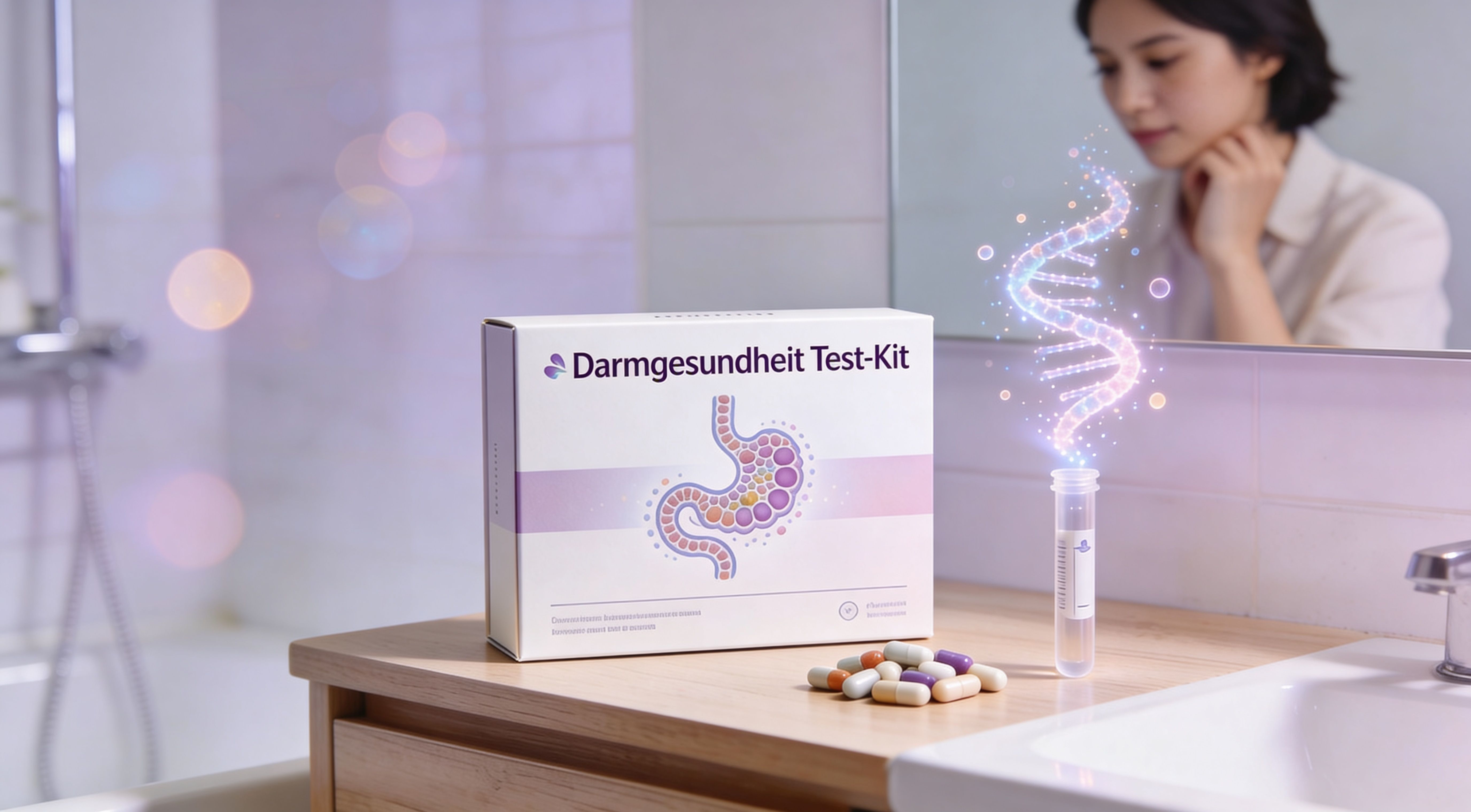
Microbiome tests : Can provide clues as to whether your gut is absorbing iron poorly.
👉 Related: Self-tests overview
Observation & Food Diary
-
Document symptoms such as fatigue or cravings.
-
Notes on nutrition to identify absorption disorders.
Comparison: Home tests vs. medical diagnostics
| criterion | Self-test at home | Medical diagnostics |
|---|---|---|
| implementation | Blood from fingertip or saliva sample | Blood sample taken, laboratory values (ferritin, etc.) |
| reliability | Initial orientation, depending on the kit | Very high, medical gold standard |
| Cost | approx. €15 | Variable, usually covered by health insurance |
| To use | Fast results, discreet | Clear diagnosis, clarification of causes |
| When is it useful? | Initial self-assessment | In case of persistent symptoms or suspicion |
👉 More information: Microbiome test
Practical tips & methods
You might be wondering: How can I determine my iron levels myself? – The answer: The easiest way is with a home test that analyzes your blood in a lab. Make sure to choose a kit that measures ferritin, as this value best indicates your iron stores.
Practical tips for you:
-
Keep a food diary to monitor your iron intake.
-
Do not avoid foods containing gluten or iron before you have been tested – otherwise the results will be inaccurate.
-
Repeat tests regularly if you are prone to deficiencies.
Snack alternatives for people with low iron levels
| Poor snack choice | Healthy, iron-rich alternative | Advantage |
|---|---|---|
| milk chocolate | Dark chocolate (70% cocoa or higher) | More iron, less sugar |
| White bread with butter | Wholemeal bread with hummus | Iron and vitamin C from chickpeas and sesame seeds |
| Chips | Roasted pumpkin seeds or sunflower seeds | Very high iron and magnesium content |
| Gummy bears | Dried fruits (apricots, figs, dates) | Natural sweetness + iron + fiber |
| Fruit yogurt with sugar | Natural yogurt with rolled oats & berries | Oats provide iron, berries provide vitamin C (better absorption) |
| Cola or soft drinks | Smoothie made with spinach, orange & apple | Iron from spinach + vitamin C for better absorption |
Tip for everyday life:
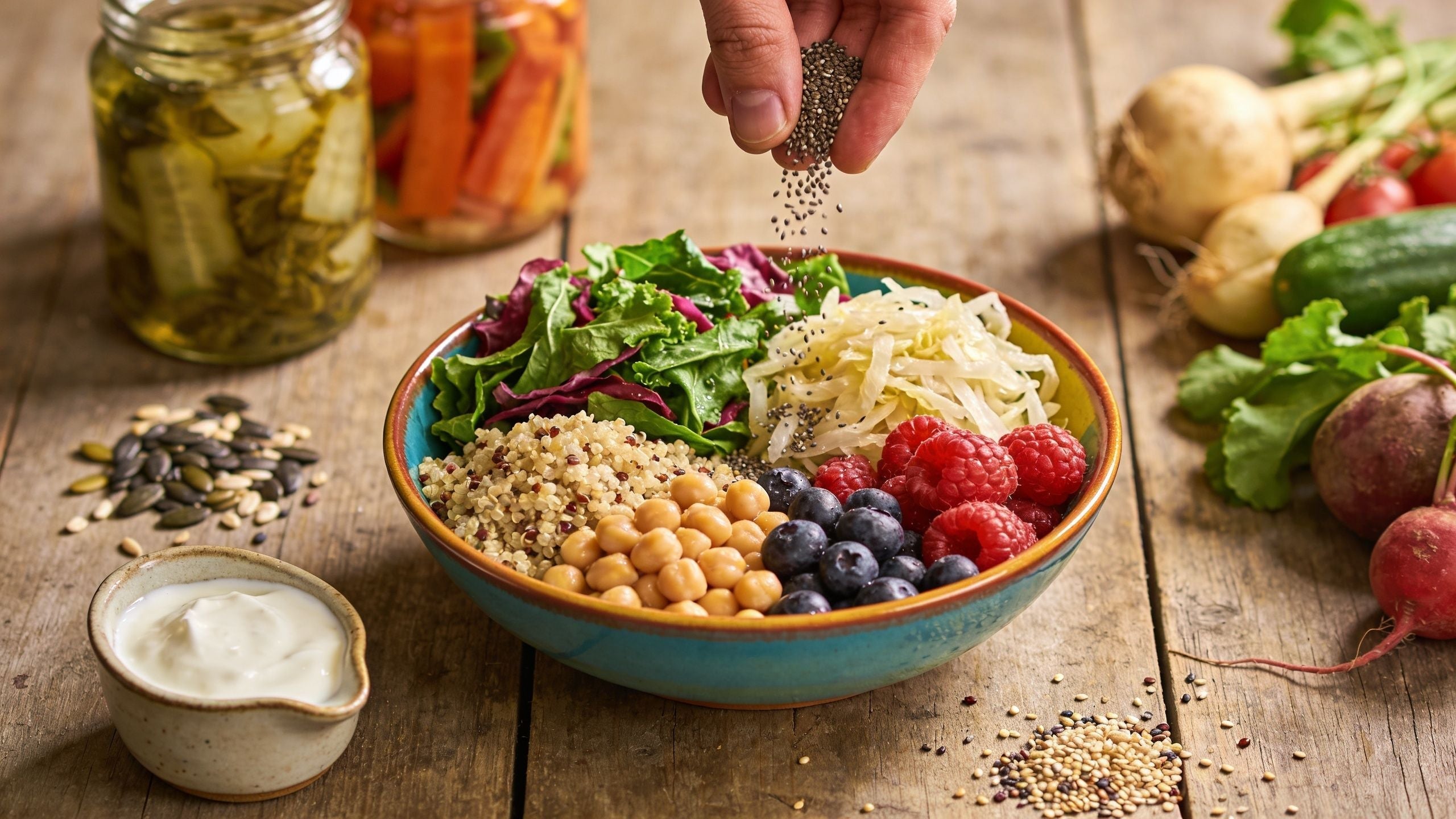
If your iron levels are too low , you should not only include iron-rich snacks in your diet, but also make sure to combine them with foods containing vitamin C (e.g., fruit, bell peppers, citrus fruits). Vitamin C significantly increases iron absorption in the intestines. At the same time, you should avoid drinking coffee or black tea directly with your snack – the tannins they contain inhibit iron absorption.
Application for weight loss, health or lifestyle
Low iron levels not only affect your health, but also your weight and lifestyle. People with insufficient iron often feel lethargic and struggle with cravings, especially for sweets or unusual foods. Studies show that iron deficiency can be associated with an increased risk of obesity because the body compensates for the energy deficit with increased appetite.
Experiences & Studies
-
Study (WHO, 2021): Worldwide, around 25% of people suffer from iron deficiency – women of childbearing age are particularly affected.
-
Study (University of Zurich, 2019): Iron deficiency can contribute to depression and chronic fatigue.
-
Case study Julia (27): Julia suffered from constant food cravings. A self-test revealed low iron levels. After medical confirmation and taking iron supplements, her symptoms almost completely disappeared.
👉 Many users of at-home iron level testing kits report that self-tests offer valuable initial guidance.
Procedure / Implementation – Checklist
-
Document symptoms (fatigue, cravings, pale skin)
-
Perform a self-test (finger prick, order a kit)
-
Check results (ferritin, hemoglobin, transferrin saturation)
-
Make a doctor's appointment if the test results are abnormal.
-
Start therapy – e.g., adjust diet, take supplements
Health benefits / added value
Those who have their iron levels measured and act in time benefit in several ways:
-
More energy and performance
-
Fewer cravings
-
Protection against anemia
-
Improved concentration and mental health
-
Strengthening the immune system
FAQ – Frequently Asked Questions
What to do if your iron level is too low?
Visit a doctor, optimize your diet with iron-rich foods, and consider supplements if necessary.
How can you determine your iron levels yourself?
The easiest way is with a home test kit that measures ferritin in the blood.
How much does it cost to have your iron levels checked by a doctor or online?
Self-tests: €15, doctor: usually covered by health insurance.
What is the difference between a blood test for iron levels and a self-test?
Self-tests provide initial indications, but medical tests are more reliable and comprehensive.
Are self-tests reliable?
Yes, for initial assessments. However, a doctor's visit is necessary for a clear diagnose.
Case study / experience report
Thomas (41) felt weak for months and had intense cravings for sweets. He decided to test his iron levels himself . The result: severely reduced ferritin levels. A doctor diagnosed him with chronic gastritis, which was preventing iron absorption. Today he receives infusions and reports: "I've gotten my life back. The test was my first step towards a diagnosis."
Conclusion: Test your iron levels for more energy and fewer cravings.
Low iron levels are no small matter; they can significantly impact your quality of life. Whether it's fatigue, cravings, or difficulty concentrating – iron deficiency is often the culprit. A home self-test can quickly provide initial indications. A medical diagnosis will give you certainty and enable targeted treatment. This way, you can regain energy, performance, and well-being.
👉 Start now: Discover suitable self-tests or learn more about your metabolism in the metabolism tests overview .

Share:
How do you test for gluten intolerance? Your detailed how-to guide.
10 tips for a healthy lifestyle for a better life