

A better gut feeling with a gut microbiome test
A gut microbiome test offers you a personal glimpse behind the scenes of your digestion. It reveals which bacteria live in your gut and whether they are in a healthy balance. This often helps you find the true cause of recurring digestive problems, persistent fatigue, or skin blemishes, and finally gives you targeted starting points to take control of your health.
What your gut reveals about your health
Imagine that inside your gut there's a vast, vibrant ecosystem – as unique as your fingerprint. Trillions of microorganisms, such as bacteria, viruses, and fungi, live here in a close-knit community that we know as your gut microbiome .
This invisible universe is so much more than just a digestive aid. It's a true command center that controls your health in countless ways. The precise composition of your gut microbiome plays a key role in how well you absorb nutrients, how strong your immune system is, and even how you feel.
The connection between gut health and well-being
Have you ever wondered why you often feel lethargic despite eating a healthy diet? Or why you constantly struggle with bloating, skin problems, or mood swings? The answer could be hidden right in your gut.
An imbalance in the microbiome, known as dysbiosis , can have far-reaching consequences. When beneficial bacteria are outnumbered and harmful microbes gain the upper hand, this can trigger a whole cascade of problems.
- Digestive problems: An imbalanced microbiome is often the root cause of bloating, constipation, or irregular bowel movements.
- Weakened immune system: Since around 70% of your immune cells reside in the gut, dysbiosis directly affects your immune system. You become more susceptible to infections.
- Energy and mood: Your gut produces important neurotransmitters, including a large portion of the "happiness hormone" serotonin. An imbalance can therefore lead to fatigue and mental discomfort.
A gut microbiome test is the first, crucial step to finally shedding light on the matter. Instead of remaining in the dark and randomly trying different diets or remedies, you receive a clear, scientifically sound snapshot of your internal ecosystem.
Clarity through targeted analysis
A home self-test like the one from mybody-x.com acts like your personal health detective. It precisely analyzes which strains of bacteria are present in your gut and their relative proportions. You'll find out whether your "good" helpers are strong enough or whether unwanted guests have taken over.
Instead of just treating symptoms, a test allows you to tackle the root cause. It provides you with the data you need to make informed and truly effective decisions for your health.
These insights form the basis for targeted changes. You'll learn not only what 's happening in your gut, but also why you might not be feeling your best. With this knowledge, you can adjust your diet and lifestyle to specifically promote beneficial gut bacteria and strengthen your well-being from within. If you'd like to delve deeper into this fascinating world, you can learn more about the importance of the microbiome for your health in our article.
Here's how your at-home gut microbiome test works
You might be wondering how the valuable information from inside your body actually ends up in a lab report? The good news is: the process is incredibly simple these days and can be done discreetly at home. A gut microbiome test as a home self-test saves you a trip to the doctor and long waiting times.
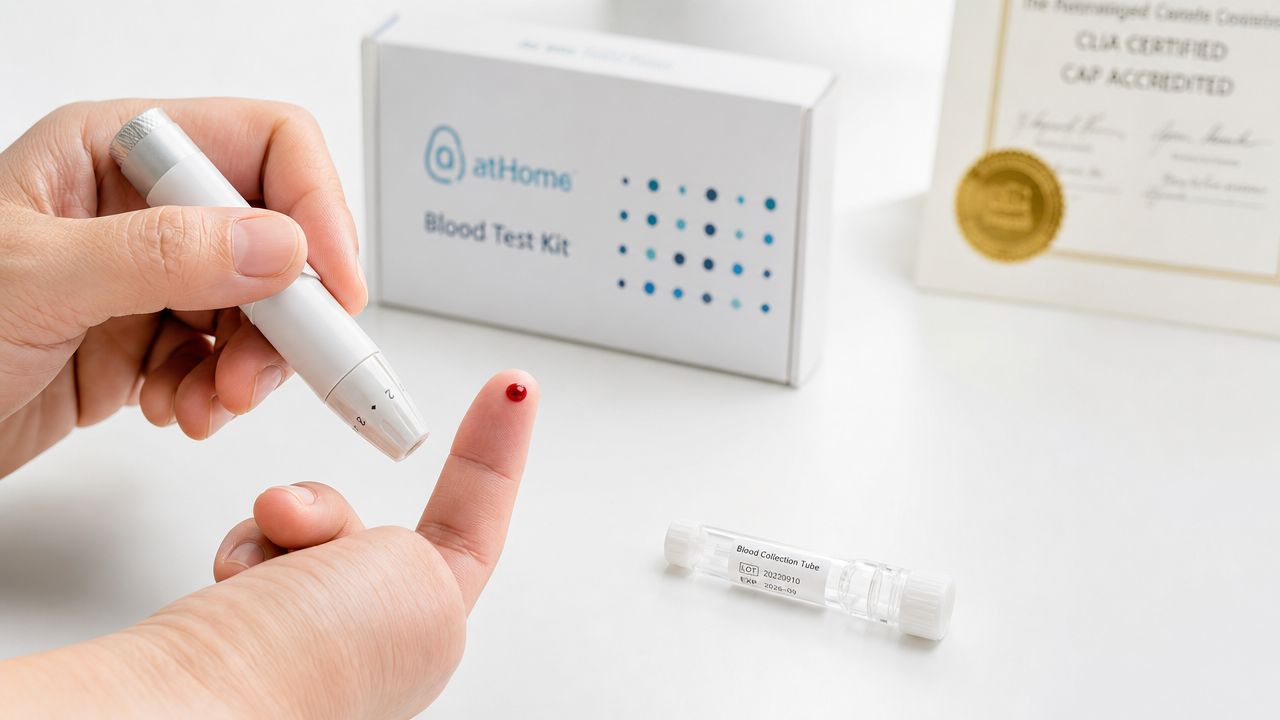
With a test kit from mybody-x.com, you get everything you need for easy sample collection. Simply follow the illustrated instructions, take a tiny stool sample, and package it securely in the provided tube. Then, send the sample in a prepaid envelope directly to our certified laboratory in Germany.
This graphic shows you the simple path from the first symptoms through the test to the clarity gained.
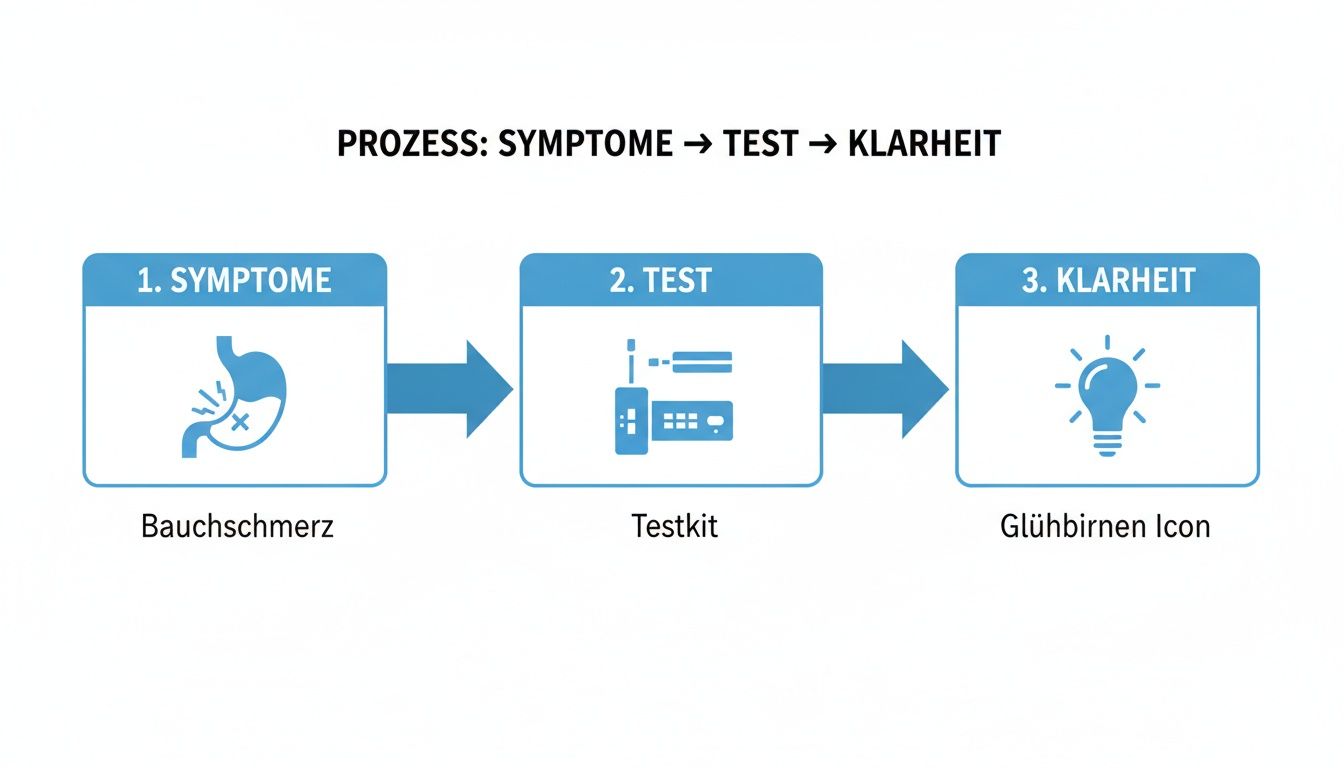
The process clearly demonstrates how a simple self-test can bridge the gap between unclear symptoms and targeted, actionable solutions.
What happens to your sample in the lab
Once your sample arrives at the lab, the real detective work begins. The DNA of all microorganisms is extracted from your sample – the genetic key to creating a detailed picture of your gut flora. Two established scientific methods are used for this, each providing different insights.
This table shows you the main differences between the two leading technologies for analyzing the gut microbiome, so you can understand what information they provide.
Comparison of analysis methods for your bowel test
| feature | 16S rRNA sequencing (The Census) | Shotgun Metagenomics (Functional Analysis) |
|---|---|---|
| What is being analyzed? | A specific marker gene (16S rRNA) that is found in almost all bacteria. | The entire genetic material of all microorganisms in the sample. |
| What will you learn? | Who is there? Identify which genera and species of bacteria are present. | Who is there AND what are they doing? Also, identify the functional capabilities of the microbes. |
| analogy | A census or a telephone directory of your gut. | A complete functional analysis of all residents and their professions. |
| Level of detail | Good for understanding the composition of the bacterial community. | Very high, provides insights into metabolic pathways and genetic potential. |
Think of 16S rRNA sequencing as a census of your gut. This method focuses on the 16S rRNA gene, a kind of barcode for bacteria. This allows the lab to pinpoint exactly which genera and species of bacteria live in your gut. It's a very precise method for determining the composition.
Shotgun metagenomics takes a crucial step further. It analyzes not just a single barcode, but the entire genome of all microbes. This method answers not only the question of who is present, but also what these inhabitants actually do. It thus provides insights into the functional capabilities of your microbiome – for example, which vitamins they produce or how well they break down dietary fiber.
Both methods are scientifically sound and provide valuable insights. Ultimately, the choice of method depends on how deeply you want to delve into the secrets of your gut health.
Safety and quality of your test
Your trust is our top priority. That's why at mybody-x.com we work exclusively with German laboratories that operate according to the highest quality standards (ISO-certified) . Your data is treated with strict confidentiality and is subject to the stringent requirements of the General Data Protection Regulation (GDPR). You can rest assured that your personal health information is protected.
The scientific accuracy of the analysis is crucial to providing you with reliable results. This is particularly important because dysbiosis – an imbalance in the microbiome – can have far-reaching consequences. In fact, approximately 10–15% of Germans suffer from irritable bowel syndrome, which is often directly related to such an imbalance.
Modern tests quantify the ratio of beneficial bacteria (e.g., fiber digesters) to potentially pro-inflammatory microbes and calculate important indices such as biodiversity. Deviations from a healthy profile can indicate risks such as leaky gut syndrome or chronic inflammatory diseases.
From the moment the sample is taken until the analysis, we ensure that every step is safe, transparent, and traceable. Want to learn more? Read our detailed guide on how to perform a microbiome test correctly . This way, you'll be perfectly prepared to take control of your well-being.
Understanding and correctly interpreting your test report
You're holding your lab report in your hands – a document full of charts, percentages, and technical terms. It can all seem quite overwhelming at first glance. But don't worry, we'll guide you through the most important figures so you understand exactly what they mean for your health.

Your results report from mybody-x.com is structured so that you don't just read it, but truly understand it. It's your personal roadmap for the next, targeted steps towards greater well-being – and we won't leave you alone with this information.
Key values from your microbiome report
A lab result is like a map of your internal ecosystem. To read it, you need to know the key symbols. Let's decode the central values together.
- Alpha diversity (biodiversity): Imagine a healthy, thriving forest. It consists of countless different plants, animals, and fungi. This very diversity makes it strong and resilient to disturbances. It's quite similar in your gut: Alpha diversity indicates how many different types of microbes are present in your gut. High biodiversity is a great sign of a stable and robust microbiome.
- Dysbiosis Index: This value is like a scale that measures the balance between your beneficial bacteria and potentially harmful bacteria. A low index means that your "good" gut bacteria clearly have the upper hand – this is the ideal state. An elevated value, on the other hand, indicates an imbalance (dysbiosis), which can be associated with various health problems.
These two indicators already give you an excellent initial overview of the state of your gut health. They are the signposts that show you where it's worth taking a closer look.
The most important bacterial strains in focus
Your report goes into much greater detail, however, and breaks down the exact composition of your gut flora. Two of the most dominant bacterial strains, which essentially form the large families in your gut, are the Firmicutes and the Bacteroidetes. Their relationship to each other is particularly revealing.
The Firmicutes/Bacteroidetes ratio (F/B ratio) provides important clues about your metabolism. Research suggests that a higher proportion of Firmicutes may be associated with more efficient calorie absorption from food. Simply put, an unfavorable ratio could make it harder for you to maintain or lose weight.
Your microbiome is not your destiny. Through targeted nutrition and lifestyle adjustments, you can actively influence the ratio of your bacterial strains and support your metabolism.
Furthermore, your test report examines the presence of fungi, such as Candida albicans . In small quantities, this yeast fungus is a completely normal inhabitant. However, if your microbiome becomes unbalanced, it can multiply rapidly and lead to unpleasant symptoms such as bloating, cravings for sweets, or persistent fatigue.
Butyrate production: The energy source for your intestinal wall
Another crucial aspect that your gut microbiome test highlights is the production of short-chain fatty acids (SCFAs), especially butyrate . This valuable substance is produced by certain beneficial bacteria when they metabolize the fiber from your food – essentially as a thank you for the good food.
Butyrate is the most important energy source for your intestinal lining cells. You can think of it as a super fuel that keeps your intestinal barrier strong and intact. A healthy barrier is essential because it acts like a gatekeeper, preventing unwanted substances from entering your bloodstream.
Sufficient butyrate production is therefore directly linked to a strong immune system and the reduction of inflammatory processes in the body. A low level can be a clear signal that your diet provides too little nourishment for the beneficial bacteria.
Modern molecular genetic analyses now provide far more than just percentages of bacteria. They precisely calculate the dysbiosis index and create butyrate production profiles, which are essential for assessing the intestinal barrier. If you'd like to delve deeper into interpreting the results, check out our article on understanding and the significance of a microbiome analysis .
Targeted measures for your gut health
A test result is only as good as the actions you take from it. So don't see your report as the end of the line, but as the starting point. Now you finally have the knowledge to take targeted and effective steps that will truly make a difference to your gut feeling.
The findings from your gut microbiome test are your personal roadmap. Instead of general advice that fits everyone and no one, you'll receive tailored recommendations precisely aligned with the needs of your internal ecosystem. It's about integrating simple yet effective habits into your daily life.

At mybody-x.com, we know from experience that it's the small, targeted changes that have the greatest impact. We'll guide you in putting theory into practice.
Nutrition as food for your gut bacteria
Your diet is the most powerful tool you have for shaping your microbiome. Every meal is a decision about which of your bacteria you feed and promote. The recommendations in your report aim precisely at this: specifically strengthening the beneficial bacteria and keeping undesirable strains in check.
Two terms play a central role here: prebiotics and probiotics . It is absolutely crucial to understand the difference in order to use both strategically for your gut health.
- Prebiotics: These are essentially indigestible dietary fibers – the favorite food of your good gut bacteria. Think of them as the best fertilizer for your internal garden. They boost the growth and activity of health-promoting bacteria, especially bifidobacteria and lactobacilli.
- Probiotics: These are the "good" bacteria themselves, i.e., live microorganisms. You can consume them through fermented foods or targeted dietary supplements and thus directly support your gut flora.
A gut microbiome test will show you in black and white whether you're lacking in "fertilizer" (prebiotics) or in the "gardeners" themselves (probiotics). And your personalized recommendations will be based precisely on this.
Targeted use of prebiotics and probiotics
To feed your beneficial bacteria, you should incorporate more prebiotic foods into your diet. These are rich in valuable dietary fiber such as inulin or fructooligosaccharides.
Examples of prebiotic foods:
- Chicory
- artichokes
- Leeks and onions
- Garlic
- asparagus
- Bananas (especially when they are still slightly green)
- oatmeal
Probiotics are found naturally in fermented foods, which are an excellent source of live bacterial cultures.
Examples of probiotic foods:
- Natural yogurt with live cultures
- kefir
- Sauerkraut (important: not pasteurized!)
- Kimchi
- Miso
- Kombucha
The targeted intake of probiotic supplements can be particularly beneficial if your test reveals a deficiency in specific bacterial strains. The market for such products is enormous and growing rapidly. According to forecasts, the global probiotics market is expected to increase from US$87.7 billion in 2023 to approximately US$190 billion by 2030.
However, high-quality tests go beyond a simple inventory: they also analyze functional aspects such as butyrate production, which is crucial for the intestinal barrier, or the immunomodulatory effects of certain bacteria. Further insights into market developments can be found in this report on microbiome analysis .
It's important to note: not every probiotic is suitable for everyone. The recommendations from mybody-x.com are based on your individual profile, ensuring you're getting exactly the bacterial strains your gut truly needs.
More than just nutrition: Your lifestyle matters
A healthy microbiome isn't just the result of your diet. Your entire lifestyle has a huge impact on the composition and balance of your gut flora.
- Stress management: Chronic stress can weaken the gut barrier and promote the growth of harmful bacteria. Techniques such as meditation, yoga, or simple breathing exercises have been proven to help keep your microbiome balanced.
- Sleep quality: Sufficient and restful sleep is essential for the regeneration of your entire body – and that includes your gut. Lack of sleep can significantly reduce the diversity of your microbiome.
- Exercise: Regular, moderate exercise promotes blood flow to the intestines and can positively influence the diversity of your gut bacteria. Even a daily walk can make a difference.
Your personalized results report from mybody-x.com takes these factors into account and provides you with holistic, practical tips for everyday life. It's about creating an environment where your beneficial gut bacteria feel comfortable and can work optimally for you. This way, you actively take control of your well-being.
Choose the right provider for your bowel test
The market for gut health tests is growing rapidly, and it can quickly become confusing. Offers promising quick solutions are popping up everywhere, but how do you recognize a truly good and reputable provider for your gut microbiome test ? Choosing the right partner is crucial, because it involves your personal health data – and recommendations designed to sustainably improve your well-being.
To make a decision that will truly move you forward, you should pay attention to a few key quality characteristics. They are the foundation for reliable results and collaboration on equal terms.
Your checklist for a reputable testing provider
Imagine you're outsourcing an important task. You'd want to ensure that the person or company is competent, trustworthy, and transparent. This is even more important when it comes to your health. Use the following checklist to evaluate service providers:
-
Certified Laboratories and a Scientific Foundation: The core of every test is the laboratory analysis. It is essential to ensure that the provider collaborates with certified specialist laboratories, ideally in Germany. Certification according to ISO standards (e.g., ISO 15189) is a clear indicator of the highest quality and safety standards. It guarantees that all processes, from the arrival of your sample to the evaluation, follow strict, standardized procedures. Equally important is that the interpretation of your results is based on current scientific findings. A reputable provider ensures that the interpretation of your data and the resulting recommendations are sound and well-founded.
-
Strict data protection standards (GDPR): Your health data is extremely sensitive. A trustworthy provider must therefore meet the highest data protection standards. Check whether data processing clearly complies with the General Data Protection Regulation (GDPR) . This means: Your data is processed anonymously or pseudonymously and used only for analysis purposes. Transparent privacy policies and secure server locations, ideally within the EU, are absolutely essential.
A good provider sees themselves not just as a seller of a test kit, but as your partner on the path to better health. They won't leave you alone with the results, but will offer you clear explanations and personal support.
More than just data: the value of understandable reports and personal support
A lab report full of technical terms is worthless if you don't understand what it means for you. Therefore, how the results are presented and communicated is at least as important as the technical quality of the analysis.
A good testing provider translates the "lab jargon" into clear, understandable language. Your results report shouldn't just present you with numbers, but explain what these mean for your everyday life. It should give you concrete, actionable recommendations based directly on your individual microbiome profile.
A key indicator of excellent service is the availability of personalized support. Are there experts available to answer your questions? This is precisely where we at mybody-x.com come in: We offer you the opportunity for an expert consultation to review your results together and ensure you have a clear plan for your next steps.
We see ourselves as your partner, meeting the highest standards in science, data protection, and personal support. This way, you can be sure you're choosing a test that not only provides you with data but also enables real clarity and lasting improvements for your well-being.
Still have questions about the gut microbiome test?
Here we have compiled the most important questions about our microbiome analysis for you and summarized them briefly. This way you will quickly and easily get answers to any questions you may still have.
How often should I have my bowel tested?
Your first test is an important assessment – the starting point, so to speak, of your journey to a better gut feeling. However, to truly see the effects of your changed diet and new lifestyle, we recommend a follow-up test after approximately three to six months .
This allows you to see very concretely how your microbiome has developed positively. This second analysis helps you to further refine your measures and keeps you motivated to stay on track because you see your successes in black and white.
Does this test replace a visit to the doctor?
No, and that's a crucial point. A home self-test, like the one from mybody-x.com, is a valuable tool for prevention and for taking control of your health based on scientific data. It's designed to give you insights and control.
However, in cases of acute, severe, or persistent symptoms, a self-test can never replace a visit to the doctor. Your results can, however, provide an excellent basis for a thorough discussion with your doctor or therapist.
How reliable are the results, actually?
The reliability of a gut microbiome test depends entirely on the quality of the laboratory and the analytical method. At mybody-x.com, we therefore work exclusively with ISO-certified German specialist laboratories that use established scientific procedures.
Our health experts also ensure that your personal recommendations are always based on the latest scientific data. This way, you receive truly trustworthy and actionable advice.
Are you ready to take control of your well-being and finally understand what your body truly needs? Discover the tests at mybody-x.com now and start your journey to a healthier you. Learn more about our health tests here .

Share:
Gut bacteria test: The guide to your well-being
Your at-home gut test as the key to greater well-being