
Understanding the Gut Microbiome and Using It for Your Health
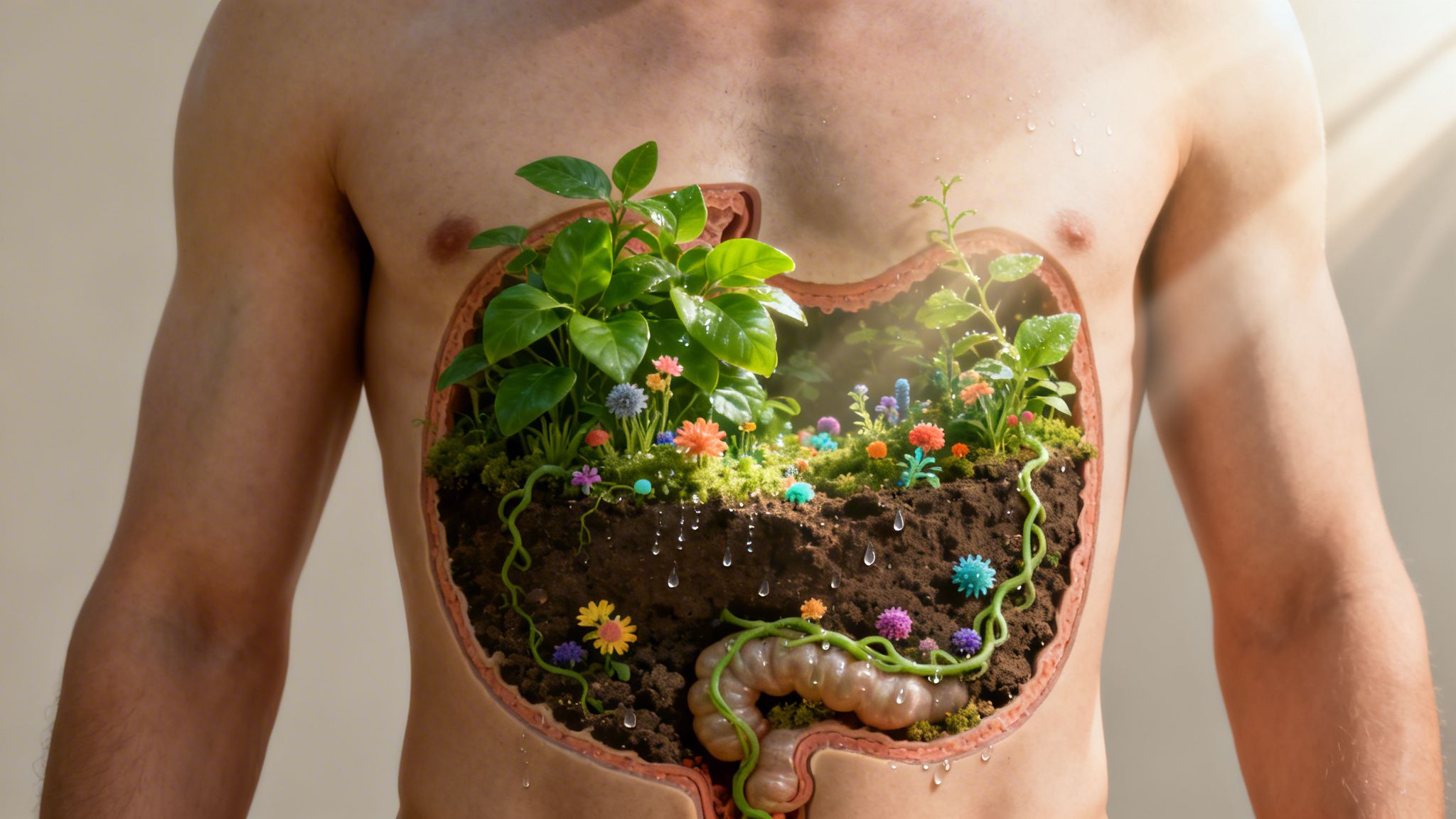
Your gut microbiome is much more than just a bunch of bacteria in your digestive tract. Think of it instead as a lively, vibrant inner garden that influences your health in ways that go far beyond digestion alone.
Discover Your Inner Garden
Have you ever wondered why you brim with energy on some days and feel completely tired and sluggish on others, even though nothing outside you has changed? The answer could lie deep within you—more precisely, in your gut. It is home to a vast community of trillions of bacteria, viruses, and fungi, collectively known as your gut microbiome.
But this community is not a wild bunch; it is a crucial partner that works around the clock for your health. Let’s stick with the garden metaphor: When everything is going well, the right plants (good bacteria) thrive, keep the weeds (bad bacteria) in check, and ensure that the soil (your intestinal lining) remains nutrient-rich and strong.
More Than Just Digestion
Your inner garden has a hand in almost everything related to your well-being. When it is balanced, it helps you not only digest your food. It is also a central hub for your immune system, your mood, and even your body weight.
A healthy and diverse gut microbiome supports you in many ways, including:
- Utilizing nutrients: Your tiny helpers break down fiber and produce vital vitamins in the process, such as vitamin K and several B vitamins.
- Strengthening your immune system: Approximately 70% of your immune cells are located in your gut. A diverse microbiome is like a training camp for your immune system and protects you from pathogens.
- Regulating your mood: Through the so-called gut-brain axis, your microbiome is in direct communication with your brain. It can even influence the production of neurotransmitters such as the “happiness hormone” serotonin.
When this ecosystem becomes imbalanced—a condition known as dysbiosis—it can lead to a wide range of symptoms. These include not only obvious digestive problems such as bloating or irritable bowel syndrome, but also nonspecific symptoms such as constant fatigue, skin problems, or nasty cravings.
If your inner garden is neglected, weeds can quickly spread. This can lead to problems that severely limit your quality of life. But the good news is: you are not helplessly at their mercy. You can learn to tend and care for your garden intentionally.
The first step is to understand what is really going on in your gut. Instead of feeling in the dark, a targeted analysis can shed real light on the situation. This is exactly where modern self-tests such as the mybody®x microbiome analysis come in. They give you a clear insight into the composition of your very own ecosystem and provide the foundation for finally taking an active role in managing your health yourself.
The fascinating world of your gut bacteria
Your gut, this vast inner garden, is teeming with life. Trillions of microorganisms live here, mainly bacteria, working together in a complex community. To really understand how to keep your gut healthy, it is worth getting to know the main players and their roles in more detail.
Imagine your microbiome as a bustling city. There are different groups of inhabitants, and they all have different roles. Some are diligent workers, others are vigilant guards, and still others are rather inconspicuous residents who are nevertheless crucial to maintaining the balance of the entire city.
The Good, the Bad, and the Neutral
Of course, things in the gut are not quite so black and white, but for the sake of simplicity, we can divide the bacteria into three functional groups:
- The helpful allies (symbionts): These are your best friends. They help you digest food that you could never process on your own—for example, complex dietary fibers. In the process, they produce valuable substances such as short-chain fatty acids, which nourish your intestinal lining, and even vital vitamins (e.g., vitamin K).
- The potential troublemakers (pathobionts): These bacteria are not inherently bad. In small amounts, they are a normal part of your microbiome. But if they become too abundant because the balance is disrupted, they can cause problems, promote inflammation, and noticeably impair your well-being.
- The neutral inhabitants (commensals): The vast majority of your gut bacteria belong to this group. They simply live in your gut without directly harming or benefiting you. However, their mere presence is extremely important because they occupy space and prevent the troublemakers from spreading unchecked.
This concept map wonderfully illustrates how the inhabitants of your “inner garden” directly influence important areas such as your digestion, immune system, and even your mood.

The graphic makes it clear: A healthy gut microbiome is a central pillar of your overall well-being and does far more than simply absorb nutrients.
Diversity is the key to a healthy gut
The most important characteristic of a healthy and resilient gut microbiome is high diversity. This means that many different species of bacteria coexist in a balanced relationship. High diversity makes your ecosystem strong and adaptable, much like a species-rich forest is more resilient to storms or pests.
A diverse microbiome protects you better against pathogens, regulates inflammatory responses more effectively, and ensures stable digestion. When this diversity becomes unbalanced, your system becomes more vulnerable to disruptions.
The composition of the gut microbiome is closely linked to our lifestyle and diet and can vary considerably. This becomes particularly dramatic in chronic inflammatory bowel diseases such as Crohn’s disease. Here, diversity declines drastically, and the amount of the important bacterial groups Firmicutes and Bacteroidetes may be reduced by up to 30–50%, while potentially problematic Proteobacteria increase.
This is an important insight for anyone who cares about their health, because factors such as antibiotics can also reduce diversity by 20–30% over the long term. You can learn more about these connections in this review on microbiota and intestinal diseases.
Firmicutes and Bacteroidetes: the key players
When you conduct a microbiome analysis like the one from mybody®x, you will inevitably come across the names of two major bacterial phyla: Firmicutes and Bacteroidetes. Together, they make up around 90% of your microbiome, and their ratio provides crucial insights into your health.
- Bacteroidetes: Think of them as your diligent fiber processors. They are true experts at breaking down complex carbohydrates and plant fibers. A diet rich in fiber, with plenty of vegetables and whole grains, is the best nourishment for this group.
- Firmicutes: This group is highly diverse. Some of them are also beneficial and produce important short-chain fatty acids. Others, however, are known to extract calories from food particularly efficiently. An imbalance in favor of certain Firmicutes may therefore be associated with excess weight.
An imbalance between these two groups may indicate dysbiosis. A precise analysis of your personal ratio helps you understand whether you should adjust your diet—for example, by eating more fiber to nourish beneficial Bacteroidetes and restore balance to your inner garden.
What happens when your inner garden gets out of balance?
Your gut microbiome is a perfectly coordinated team, a finely balanced ecosystem that follows a clear internal rhythm. But what happens when this delicate interplay is disrupted? Our modern lifestyle can seriously throw this internal rhythm off balance and cause an imbalance with far-reaching consequences for your overall well-being.

In technical terms, this imbalance is called dysbiosis. Think of your gut as a flourishing garden. With dysbiosis, weeds suddenly run rampant, crowding out the beneficial plants and depleting the soil. That is exactly what happens in your gut: The diversity of your helpful inhabitants decreases, while potentially harmful microorganisms spread uncontrollably. If you want to learn more, we have all the details for you here: Causes and consequences of gut dysbiosis.
Typical signs of dysbiosis
Dysbiosis does not always manifest itself as classic abdominal pain. The symptoms are often diffuse, and you might not immediately associate them with your gut. Pay attention to these signals from your body:
- Digestive problems: These are the most obvious signs. They include constant gas, an annoying bloated stomach, constipation, diarrhea, or cramp-like abdominal pain.
- Persistent fatigue: Do you often feel exhausted for no apparent reason, even though you actually get enough sleep? A disrupted microbiome can interfere with the absorption of important nutrients and lead to chronic fatigue.
- Cravings for sweets: Certain bacteria and fungi in the gut love sugar. If they become dominant, they can manipulate your appetite and trigger a strong craving for sweets.
- Skin problems: Blemished skin, acne, eczema, or rosacea can also reflect the state of your gut. Inflammation in the gut often shows up on the skin.
- Mood swings: Through the so-called gut-brain axis, your microbiome directly influences your mental well-being. Dysbiosis can contribute to irritability, anxiety, or depressive moods.
- Weak immune system: Do you catch colds constantly or pick up every infection going around? Since most of your immune system is located in your gut, dysbiosis can significantly weaken your defenses.
The disrupted rhythm and its serious consequences
Scientists now know that a healthy gut microbiome follows a circadian, or 24-hour, rhythm. The composition of your gut bacteria naturally changes throughout the day. However, stress, lack of sleep, irregular meals, or medications such as antibiotics can permanently disrupt this sensitive rhythm.
One particularly alarming finding is the direct link between a disrupted microbiome rhythm and metabolic diseases. Researchers have discovered that this natural daily rhythm of gut bacteria is often completely lost in people with type 2 diabetes.
This loss of rhythm is closely linked to being overweight and an increase in dangerous visceral belly fat. This fat, in turn, promotes low-grade inflammation in the body and significantly increases the risk of cardiovascular disease. In Germany, where according to data from the German Nutrition Society (DGE), around 8 million people are affected by type 2 diabetes and approximately 60% of adults are considered overweight, this connection is particularly alarming.
These findings make it clear that many everyday complaints and even serious illnesses may originate from a disrupted gut microbiome. But the good news is that you have the power to find your inner rhythm again.
The first crucial step is to know the exact state of your microbiome. Targeted at-home tests such as the blood, nutrient, and microbiome analyses from mybody-x can help you uncover imbalances. With this knowledge, you can take targeted action in your diet and lifestyle to improve your gut health and, with it, your overall well-being.
Gain clarity with a mybody-x microbiome analysis
Do you sometimes feel overwhelmed by the signals your body is sending you? Constantly wondering whether your fatigue, bloating, or skin problems might actually be related to your gut? Those days are over! Instead of groping in the dark, you can gain targeted clarity and finally understand what is really happening in your inner ecosystem.
A mybody®x gut microbiome analysis is like taking a personal look behind the scenes of your body. It is designed to give you precise, easy-to-understand insights into the composition of your microbiome—all from the comfort of your home, without doctor’s appointments or tedious waiting times.
This is how easy the at-home test is
The thought of providing a stool sample may seem a little off-putting at first, but the entire process is genuinely simple, discreet, and completely hygienic. Everything you need is delivered straight to your home in a compact test kit.
The process is straightforward:
- Simple sample collection: Using the provided swab, you collect a tiny stool sample, barely the size of a grain of rice. Detailed, illustrated instructions guide you through the process step by step, so nothing can go wrong.
- Free return shipping: You safely package the sample in the enclosed return envelope and send it free of charge to our partner laboratory in Germany.
- Scientific analysis: In our ISO 15189-certified specialist laboratory, your sample is analyzed using state-of-the-art DNA sequencing (next-generation sequencing). This method ensures the highest precision in identifying your gut bacteria.
- Your personal results: After a short time, you receive your detailed results report directly in your secure online customer account—clearly presented and easy to understand.
What your analysis reveals in detail
Your results report is much more than just a list of complicated bacterial names. It is your personal guide to gut health, presented in easy-to-understand graphics and explanations. You learn everything about the key aspects of your gut microbiome.
A microbiome analysis gives you a data-driven foundation for your health decisions. Instead of general advice, you receive specific insights tailored to your individual situation.
The analysis provides answers to these key questions, among others:
- How high is your bacterial diversity? A crucial indicator of the resilience of your microbiome.
- What is the balance between the important bacterial groups? In particular, the balance between Firmicutes and Bacteroidetes is examined closely.
- Are there indications of dysbiosis? The analysis shows whether potentially harmful bacteria may have gained the upper hand.
- How well do you produce short-chain fatty acids? These substances are the most important nourishment for your intestinal lining.
- Are there signs of fungal overgrowth? The presence of yeasts such as Candida albicans is also examined.
With this precise data from a German laboratory, protected, of course, in accordance with strict GDPR guidelines, you gain a scientifically sound foundation. You can finally stop guessing and start taking targeted action. If you're curious, you can learn more about our mybody®x Microbiome Test here and take the first step toward greater clarity.
Building and caring for your gut flora in a targeted way
A test result is a valuable snapshot, but its true power is only realized when you take action. Once you have gained clarity about the state of your “inner garden,” the truly exciting part begins: targeted care for your gut microbiome. Here, we provide you with concrete, practical recommendations to actively support your gut flora and restore its balance.

Your mybody®x report shows you exactly where you can start. Perhaps you lack diversity, or certain beneficial bacterial strains are underrepresented. With the right nutrients, you can make targeted changes. Your two most important tools for this are prebiotics and probiotics.
Prebiotics: Food for your good bacteria
Think of prebiotics as your beneficial gut inhabitants' favorite food. They are special types of fiber that pass unharmed through the stomach and small intestine and are only fermented by your bacteria in the large intestine. This feast really stimulates the growth and activity of the good bacteria.
Include these prebiotic foods regularly in your diet:
- Vegetables: Chicory, artichokes, onions, garlic, leeks, and asparagus are particularly rich in inulin, a valuable prebiotic.
- Legumes: Lentils, chickpeas, and beans provide not only valuable fiber but also plant-based protein.
- Whole grains: Oatmeal, whole-grain bread, and quinoa are excellent sources of complex carbohydrates that your bacteria love.
- Fruit: Slightly unripe bananas and apples contain resistant starch and pectins, which serve as food.
Probiotics: Living helpers for your gut
Probiotics are living microorganisms that can provide a genuine health benefit when you consume them in sufficient quantities. They temporarily settle in the gut and support your existing gut flora in its work. Fermented foods are a natural and delicious source of these little helpers.
These probiotic stars should not be missing from your menu:
- Plain yogurt and kefir: These classics contain valuable lactic acid bacteria such as lactobacilli and bifidobacteria.
- Sauerkraut: Make sure to buy fresh, unpasteurized sauerkraut, as heat kills the beneficial bacteria.
- Kimchi: This fermented cabbage from Korean cuisine is a spicy and exciting alternative.
- Kombucha: A fermented tea drink that also contains a variety of microorganisms.
Nutrition plays a crucial role. Research shows that the gut microbiome in Germany not only regulates digestion but also influences the distribution of immune cells in the gut. Scientists found that specific microbial patterns can alter the positioning of certain immune cells by up to 40%. At the same time, it is known that many people in Germany consume an average of only 25 grams of fiber per day, even though 30 grams are recommended. This deficiency can weaken the bacteria that are particularly important for fiber utilization. Learn more about the fascinating population-specific adaptations of the microbiome in the research findings of the Max Planck Institute.
More than nutrition: Your lifestyle matters
A healthy gut microbiome is the result of a holistic lifestyle. In addition to nutrition, there are other important pillars that you can strengthen.
Your mybody®x results report is your starting point. Free coaching with our health experts helps you use the data to create a personalized, practical plan for everyday life that is tailored precisely to your needs.
Consider these three factors for optimal gut health:
- Exercise: Regular, moderate exercise stimulates not only your circulation but also your digestion. Even a daily walk can shorten intestinal transit time and positively influence the diversity of your microbiome.
- Sleep: Sufficient, restful sleep is essential for the regeneration of your entire body—including your gut. Lack of sleep can disrupt the sensitive rhythm of your microbiome and release stress hormones that promote inflammation.
- Stress management: Chronic stress is toxic to your gut. Via the gut–brain axis, stress can negatively alter the composition of your gut flora and weaken the intestinal barrier. Find techniques that help you relax—whether it’s yoga, meditation, breathing exercises, or simply spending time in nature.
Putting these tips into practice is a process, but every small step counts. If you want to build up your gut flora naturally, you’ll find even more detailed information and practical advice in our guide. Also read our article about naturally building up your gut flora to explore the topic in greater depth.
Your most important questions about the gut microbiome
When it comes to the gut microbiome, many questions and uncertainties often arise. This is completely normal, since the topic is complex. Here, we answer the most frequently asked questions in a straightforward way to give you greater clarity and confidence on your journey toward a healthy gut.
Do I need to see a doctor for a microbiome analysis?
No, this is not strictly necessary. With a modern home self-test such as the mybody®x gut microbiome analysis, you can conveniently and discreetly initiate a detailed evaluation from home.
You receive a test kit with everything you need and send the sample to our German ISO-certified laboratory. Your easy-to-understand results then arrive directly in your secure online account. This saves you waiting time and gives you clarity quickly.
How long does it take for my gut microbiome to improve?
Regenerating your microbiome is a process, not a quick overnight solution. The good news, however, is that many people feel positive changes from an adapted diet and a healthier lifestyle after just a few weeks.
Some people notice better digestion or more energy after just 2–4 weeks. However, for truly sustainable and stable improvements in microbial diversity, you should plan on a period of 3 to 6 months.
Your microbiome is the result of years of habits. Give it the time it needs to reshape itself and find its balance. Patience and consistency are your most important companions here.
What is the difference between probiotics and prebiotics?
The terms sound similar and are often confused, but they have very different, complementary roles for your gut:
- Probiotics are the living helpers. These are beneficial bacteria that you consume, for example, through fermented foods such as yogurt, kefir, or sauerkraut. They are, so to speak, new, supportive residents for your gut.
- Prebiotics are the food for your good gut bacteria. They are indigestible dietary fibers found in foods such as leeks, onions, chicory, and oats. They specifically promote the growth of the beneficial helpers you already have.
So a healthy microbiome needs both: a good supply of new, beneficial bacteria and enough food to keep the existing community strong and diverse.
Are you tired of guessing and finally want to know what is really going on in your body? With the scientifically backed blood and self-tests from mybody-x, you receive a clear analysis of your gut microbiome, nutrient status, possible intolerances, or hormone levels. Discover what your body really needs and start your journey toward greater well-being today at https://mybody-x.com.


Share now:
Understand and deliberately build up your gut microbiome
Build Your Gut Microbiome: Your Personal Plan for Greater Well-Being