

Microbiome meaning: Influence on health and well-being
More than 39 trillion microorganisms inhabit the human gut and influence almost every function of our bodies. The microbiome is often underestimated, even though it is a central piece of the puzzle for digestion, immune defense, and even our well-being. Many common misconceptions lead to false assumptions about bacteria and their role in health. Anyone who understands how this microscopic universe really works can adjust their diet accordingly and discover health benefits.
Table of contents
- What is the microbiome? Definition and misconceptions
- How the gut microbiome works
- The microbiome's influence on digestion and immune defense
- Personalized nutrition through microbiome analyses
- Recognizing the risks of microbiome disruptions
- Ways to promote a healthy microbiome
Key findings
| Point | Details |
|---|---|
| The microbiome is dynamic. | It changes through diet, lifestyle, and environmental factors. |
| Individual microbiome analyses are essential. | They enable tailored dietary strategies to improve health. |
| A healthy microbiome is important for the immune system. | Probiotic foods and a balanced diet promote the diversity of gut bacteria. |
| Microbiome disruptions can cause disease. | Low diversity is associated with various health risks. |
What is the microbiome? Definition and misconceptions
The microbiome is a fascinating biological system that is far more than just a collection of bacteria in our bodies. It is a complex community of microorganisms—including bacteria, fungi, viruses, and protozoa—that live primarily in our gut and influence our health in many ways.
In recent years, science has gained significant insights into the role of the microbiome. A microbiome test can help you understand the composition of your individual gut flora. Contrary to popular belief, the microbiome is not static but dynamic and can be influenced by diet, lifestyle, and environmental factors.
One of the most common misconceptions is the assumption that all bacteria are harmful. In fact, many microorganisms are not only harmless but even essential for our health. They play a crucial role in digestion, immune function, and even the production of neurotransmitters. Interestingly, our gut contains more bacteria than body cells, weighing up to two kilograms in total.
Anyone who wants to understand and optimize their gut flora can use a gut flora guide to develop targeted dietary strategies. It is important to know that everyone has a unique microbiome that acts like an individual fingerprint and continuously interacts with our lifestyle.
How the gut microbiome works
The gut microbiome is a complex and dynamic ecosystem consisting of trillions of microorganisms. This symbiotic community continually interacts with our bodies and performs numerous vital functions.

The microorganisms in the gut perform a wide range of tasks: They break down complex carbohydrates and produce short-chain fatty acids, which serve as an energy source for intestinal cells. At the same time, they play a crucial role in digestion, immune defense, and even the regulation of psychological processes through the gut-brain axis.
To support the health of your gut flora, a targeted approach to gut health can be highly effective. The balance of gut bacteria is influenced by diet, stress, medication, and lifestyle. Probiotic foods, a high-fiber diet, and stress reduction can positively influence the microbiome's diversity and functionality.
Fascinatingly, our microbiome communicates with the nervous system through various signaling pathways and can affect metabolism, the immune system, and even our mood. Every person has a unique microbiome profile that continuously changes and responds to external influences.
The microbiome's influence on digestion and immune defense
The microbiome plays a central role in our digestive system and immune defense. A balanced microbiome supports more than just digestion; it is also a crucial factor in our health and resilience.
Gut bacteria perform a wide range of functions: They produce essential vitamins, aid in food digestion, and prevent pathogens from becoming established. By modulating the immune response, they actively help defend against infections and strengthen the body's natural defenses.
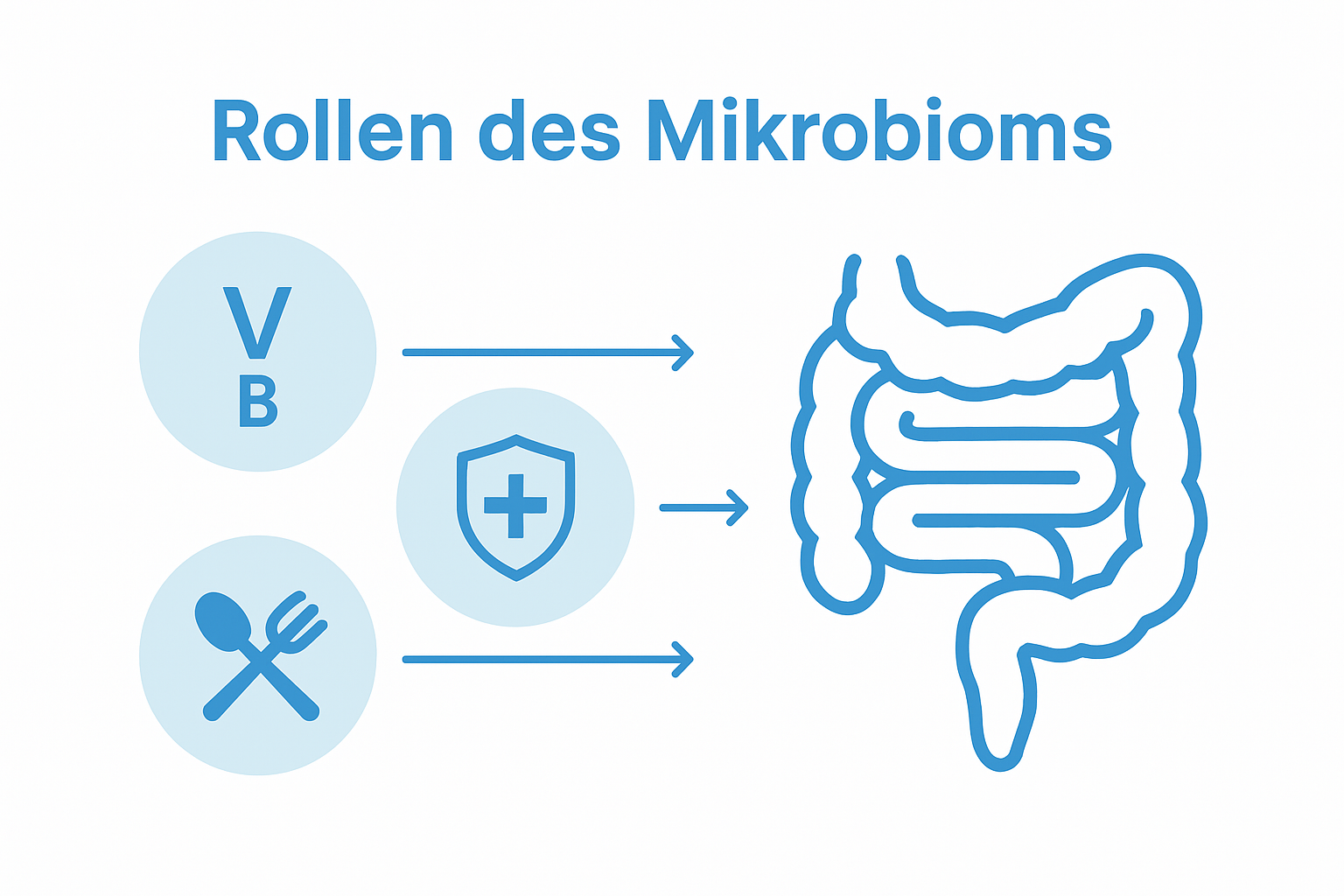
Targeted gut health support can effectively support the immune system. Probiotic foods, a high-fiber diet, and a healthy lifestyle promote the diversity and balance of gut bacteria. The more diverse and balanced the microbiome, the better these microorganisms can perform their protective and regulatory functions.
Communication between the gut microbiome and the immune system is extremely complex. It involves various signaling pathways that not only regulate local inflammatory responses but also influence systemic immune processes. This makes it clear that an intact gut flora is far more than just a digestive organ—it is a central player in regulating our health.
Personalized nutrition through microbiome analyses
Microbiome analyses open up entirely new dimensions in personalized nutritional counseling. Analyzing an individual’s gut flora enables precise nutritional strategies tailored specifically to the unique composition of their gut bacteria.
Scientific research shows that each person has an individual microbiome profile that can be specifically influenced. The composition of gut bacteria varies from person to person and affects how we absorb, digest, and metabolize nutrients. A personalized nutritional approach can therefore reduce digestive problems, strengthen the immune system, and improve overall well-being.
With a personalized nutrition strategy, you can specifically address the needs of your microbiome. The analysis helps identify foods that positively affect your gut flora and those that may promote inflammation or imbalances. Through targeted dietary adjustments, you can increase the diversity of your gut bacteria and optimize your long-term health.
The importance of the microbiome extends far beyond digestion alone. It influences our metabolic processes, immune functions, and even our psychological well-being. A personalized nutrition strategy is therefore not just a matter of diet, but a holistic approach to optimizing health.
Recognizing the risks of microbiome disruptions
Microbiome disruptions can have far-reaching consequences for our health. Low bacterial diversity has been linked to various diseases, which is why high microbial diversity is considered a key indicator of health.
Disruptions in the microbiome can dramatically increase the risk of various health problems. So-called dysbiosis—an imbalance in gut bacteria—can trigger inflammatory processes, impair immune function, and even contribute to neurodegenerative diseases.
A gut analysis can detect early warning signs of a disrupted microbiome. Risk factors include chronic digestive problems, recurrent infections, food intolerances, and unexplained mood swings. These symptoms indicate an imbalance in gut bacteria.
Restoring a healthy microbiome requires a holistic approach: A balanced diet, stress reduction, sufficient sleep, and targeted probiotics can help restore the microbial balance and minimize potential health risks.
Ways to promote a healthy microbiome
Probiotic supplements can play a crucial role in supporting gut health. These special supplements contain beneficial bacteria that strengthen the intestinal barrier function and have anti-inflammatory properties.
A healthy lifestyle with a balanced diet and regular physical activity can have a lasting positive impact on the microbiome. Prebiotic foods such as whole grains, vegetables, and legumes promote the growth of beneficial bacteria and thus support the diversity of the gut microbiome.
To optimize your microbiome, you can implement targeted strategies for gut health. These include a high-fiber diet, stress management, sufficient sleep, and reducing antibiotic use. Fermented foods such as yogurt, kefir, and sauerkraut can additionally support the diversity of gut bacteria.
An individual microbiome test can help you understand the specific composition of your gut flora and develop targeted measures for improvement. Every person has a unique microbiome that continuously responds to diet and lifestyle.
Discover the power of your microbiome for health and well-being
The microbiome has an enormous impact on your immune system, digestion, and even your mood. If you experience digestive problems or want to take your health to the next level, a precise gut flora analysis can be the first important step. Our Gut Flora Analysis – For a Healthy Gut Flora - mybody®x provides scientifically sound insights into the uniqueness of your microbiome.
Take the opportunity to personalize your diet and take targeted measures to bring your microbiome into balance, thereby improving your quality of life. Start your journey today with a modern test from mybody® and find out more at mybody-x.com. Also discover helpful tips on Understanding and alleviating digestive problems | mybody®x and start building a healthier tomorrow today.
Frequently asked questions
What is the microbiome, and why is it important for health?
The microbiome is a complex community of microorganisms in the body, particularly in the gut, that plays a crucial role in digestion, immune function, and overall health.
How does the microbiome affect our well-being?
The microbiome affects our well-being by regulating metabolic processes, immune functions, and even psychological aspects through the gut-brain axis.
What are the benefits of probiotic foods for the microbiome?
Probiotic foods contain beneficial bacteria that strengthen the gut barrier, reduce inflammation, and increase gut flora diversity, supporting overall health.
How can I optimally support my microbiome?
A balanced diet rich in fiber and prebiotic foods, regular physical activity, stress management, and taking probiotics can help maintain a healthy microbiome.


Share now:
Tests for leaky gut syndrome: what methods are available and what they measure
What to do for a healthy gut microbiome: Step-by-step guide