

Gut Health: Everything Important for Your Well-Being
Around 100 trillion bacteria live in our digestive tract and control far more than digestion alone. Many people feel the effects of an impaired gut through digestive problems, a weakened immune system, or mood swings. Research makes it clear that the gut is a central control organ that influences health and well-being. Those who understand the importance of their microbiome can benefit in the long term through targeted measures.
Table of contents
- What is meant by gut health?
- Why is the gut so crucial?
- The Microbiome: Composition and Influence
- Recognition and causes of gut problems
- Modern analyses and scientific tests
- Measures for a healthy gut flora
Key insights
| Point | Details |
|---|---|
| The gut as a central system | The gut is a complex ecosystem that significantly influences health and well-being. |
| The importance of the microbiome | A balanced microbiome strengthens the immune system and supports vital functions. |
| Nutrition for gut health | A high-fiber and varied diet promotes a healthy gut flora. |
| Stress management and exercise | Stress regulation and getting enough exercise are essential for a healthy microbiome. |
What is meant by gut health?
The gut is far more than a simple digestive organ. It is a complex ecosystem that plays a key role in our health and well-being. Modern gut research shows that the gut is a central control system for our body, extending far beyond the intake of food.
Optimal gut health means a balanced microbiome with a diverse and stable bacterial flora. Around 100 trillion bacteria live in our digestive tract and influence numerous bodily functions. They not only support digestion but also strengthen our immune system, produce important messenger substances, and communicate directly with our brain.
The quality of our gut health is reflected in various aspects: smooth digestion, a stable immune system, balanced mood, and the ability to absorb nutrients effectively. Nutrition plays a crucial role in promoting a healthy microbiome and minimizing inflammation. Probiotic foods, a high-fiber diet, and sufficient water are important building blocks for a healthy gut.
Why is the gut so crucial?
The gut is a complex ecosystem that does far more than simply digest food. Scientific studies show that our digestive system plays a key role in our overall health. It serves as a central communication system between various bodily functions and influences aspects such as immune defense, metabolism, and even our psychological well-being.
One particularly fascinating aspect is the so-called gut-brain axis. Through billions of nerve cells and messenger substances, our gut communicates directly with the brain. This connection explains why digestive problems can often be accompanied by mood swings, anxiety, or depression. Leaky Gut Syndrome, for example, illustrates how closely gut health and overall well-being are connected.
The importance of the gut extends far beyond the mere intake of food. Approximately 70-80% of our immune system is located in the gut, which acts as a central protective barrier against pathogens. The bacteria residing there produce important vitamins, regulate metabolic processes, and maintain a balanced immune system. A healthy gut flora can reduce inflammation, prevent allergies, and even minimize the risk of chronic diseases.
The Microbiome: Composition and Influence
The human microbiome is a complex ecosystem of trillions of microorganisms that affects our bodies in many ways. Scientific analyses show that a healthy microbiome consists of more than 1,000 different bacterial species coexisting in a precise balance. These microorganisms are not merely passengers but active participants in our metabolism, immune system, and even our psychological well-being.
The composition of the microbiome varies from person to person and is determined by factors such as diet, lifestyle, genetics, and environmental influences. Everyone carries a unique microbial profile that continuously changes. Certain bacterial strains are responsible for specific functions: some help digest food, while others produce essential vitamins or regulate inflammatory processes.
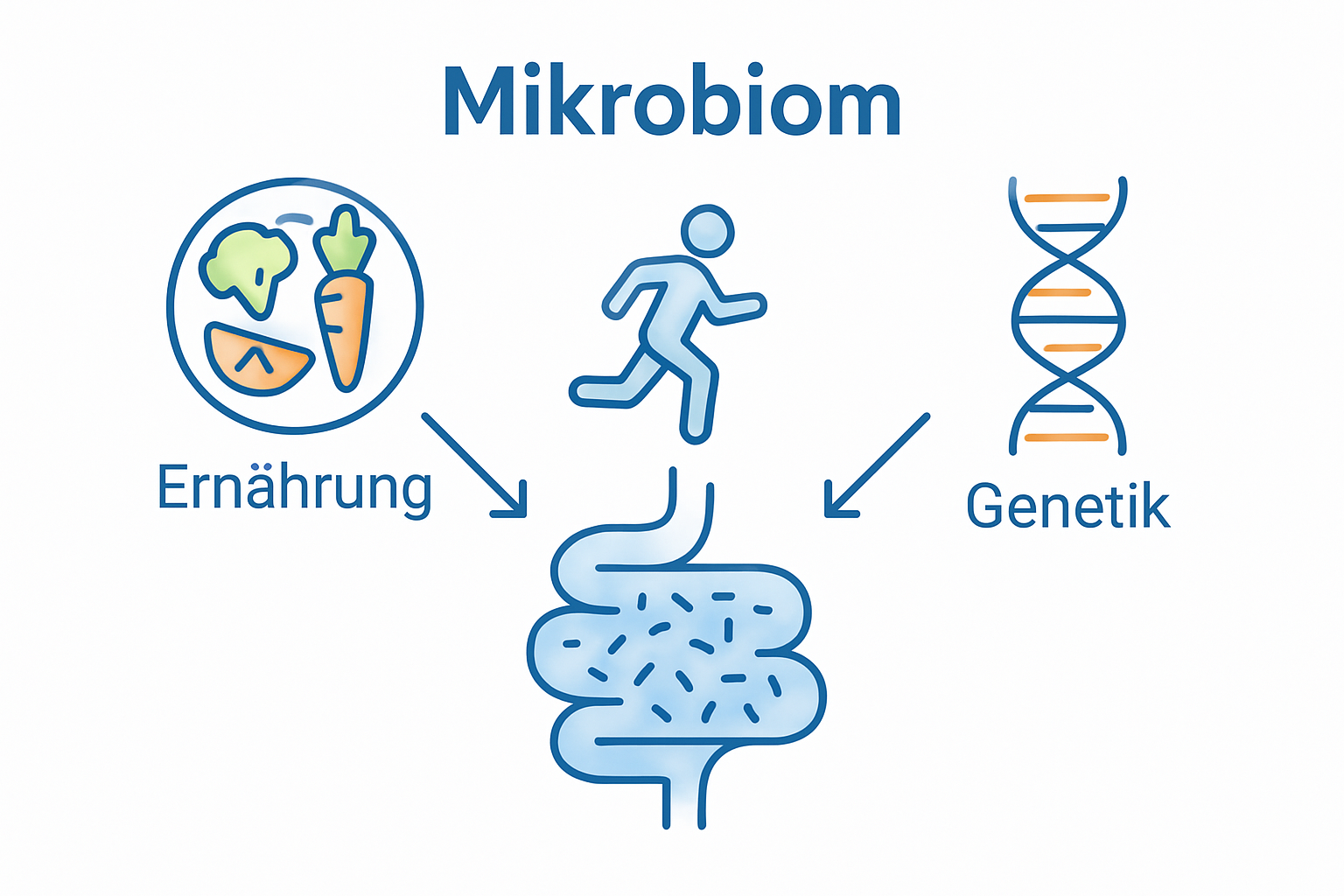
The effects of the microbiome extend far beyond the digestive tract. Current research demonstrates its crucial role in regulating the immune system, producing neurotransmitters, and even regulating weight. An imbalanced microbiome can promote inflammation, increase the risk of chronic diseases, and negatively affect mental health.
Recognition and causes of gut problems
Gut problems are often based on complex interrelationships that extend far beyond simple digestive disorders. Scientific studies show that disturbances in the digestive system can be influenced by various factors. The most common causes include dietary habits, stress, medication use, genetic predispositions, and environmental influences.
The symptoms of gut problems are varied and may develop gradually. Typical signs include persistent bloating, diarrhea, constipation, abdominal pain, unintended weight loss or gain, and food intolerances. Specific syndromes such as irritable bowel syndrome can also cause psychological symptoms such as anxiety or depression, highlighting the close connection between the gut and the brain.
An accurate diagnosis requires a comprehensive examination. In addition to the medical history and physical examination, modern diagnostic methods such as stool analyses, blood tests, allergy tests, and imaging procedures can provide important clues about the causes of gut problems. It is important to seek medical help early, as untreated gut complaints can lead to serious health problems in the long term.
Modern analyses and scientific tests
Modern gut analyses have revolutionized the way we understand and diagnose gut health. Scientific tests now enable a detailed examination of the microbiome that goes far beyond traditional methods. These precise analyses provide comprehensive insights into the composition and functionality of gut bacteria, their diversity, and potential imbalances.
The scientific examination methods include advanced molecular techniques such as DNA sequencing and metagenomics. These procedures enable high-resolution mapping of microorganisms in the gut. By analyzing more than 1,000 different bacterial species, scientists can not only identify disorders but also develop personalized recommendations for gut health.
Modern diagnostics differ fundamentally from older methods. Instead of invasive procedures, current tests enable non-invasive analysis using stool samples. These examinations can provide information about inflammatory markers, bacterial diversity, metabolic activity, and potential risks. A holistic approach that considers genetics, diet, and lifestyle makes these tests a valuable tool for preventive healthcare.
Measures for a healthy gut flora
Promoting a healthy gut flora requires a holistic approach that takes diet, lifestyle, and stress management into account. A balanced and varied diet forms the foundation for a stable microbiome. Fiber-rich foods, prebiotics, and probiotics are particularly important because they support the growth of beneficial gut bacteria.

The dietary strategies for a healthy gut flora include consuming fermented foods such as yogurt, kefir, sauerkraut, and kimchi. These products contain live bacterial cultures that positively influence the gut flora. At the same time, highly processed foods, sugar, and artificial additives should be reduced, as they can disrupt the delicate balance of gut bacteria.
In addition to diet, factors such as regular exercise, sufficient sleep, and stress reduction play a crucial role. Chronic stress can negatively affect the gut microbiome and weaken the intestinal barrier function. Therefore, relaxation techniques such as meditation, yoga, or regular walks are important additions to a holistic gut health strategy.
Improve gut health with mybody®
Would you like to strengthen your gut health and counteract issues such as bloating, digestive problems, or poor nutrient absorption? The key lies in understanding your individual microbiome and conducting a targeted analysis of your gut flora. mybody® offers precise, scientifically sound tests for Gut flora analysis – For a healthy gut flora - mybody®x to identify and optimize this balance.
Start your journey toward greater well-being today with personalized recommendations for your diet and lifestyle. Benefit from the expertise of an ISO-certified laboratory combined with expert knowledge and a comprehensive health portal. Learn more about topics such as Understanding and alleviating digestive problems | mybody®x and open up new perspectives for your gut health.
Visit mybody-x.com and discover how easy it can be to improve your health independently and based on evidence. Take action now to sustainably strengthen your gut and feel completely well again.
Frequently asked questions
What is meant by gut health?
Gut health refers to a balanced microbiome in the digestive tract, which plays a central role in digestion, the immune system, and overall well-being.
Why is the gut so important for health?
The gut influences numerous bodily functions, including the immune system, metabolism, and mental health. Around 70-80% of our immune system is located in the gut.
How can I recognize gut problems?
Typical symptoms of gut problems include persistent bloating, diarrhea, constipation, abdominal pain, and unintended weight loss or gain. These symptoms may indicate serious health problems.
What steps can I take to promote a healthy gut flora?
To promote a healthy gut flora, fiber-rich foods, probiotics, and prebiotics should be incorporated into your diet. Regular exercise, sufficient sleep, and stress reduction are also important.



Share now:
Balance Your Gut Flora: Everything Important for Your Health
Tests for leaky gut syndrome: what methods are available and what they measure