
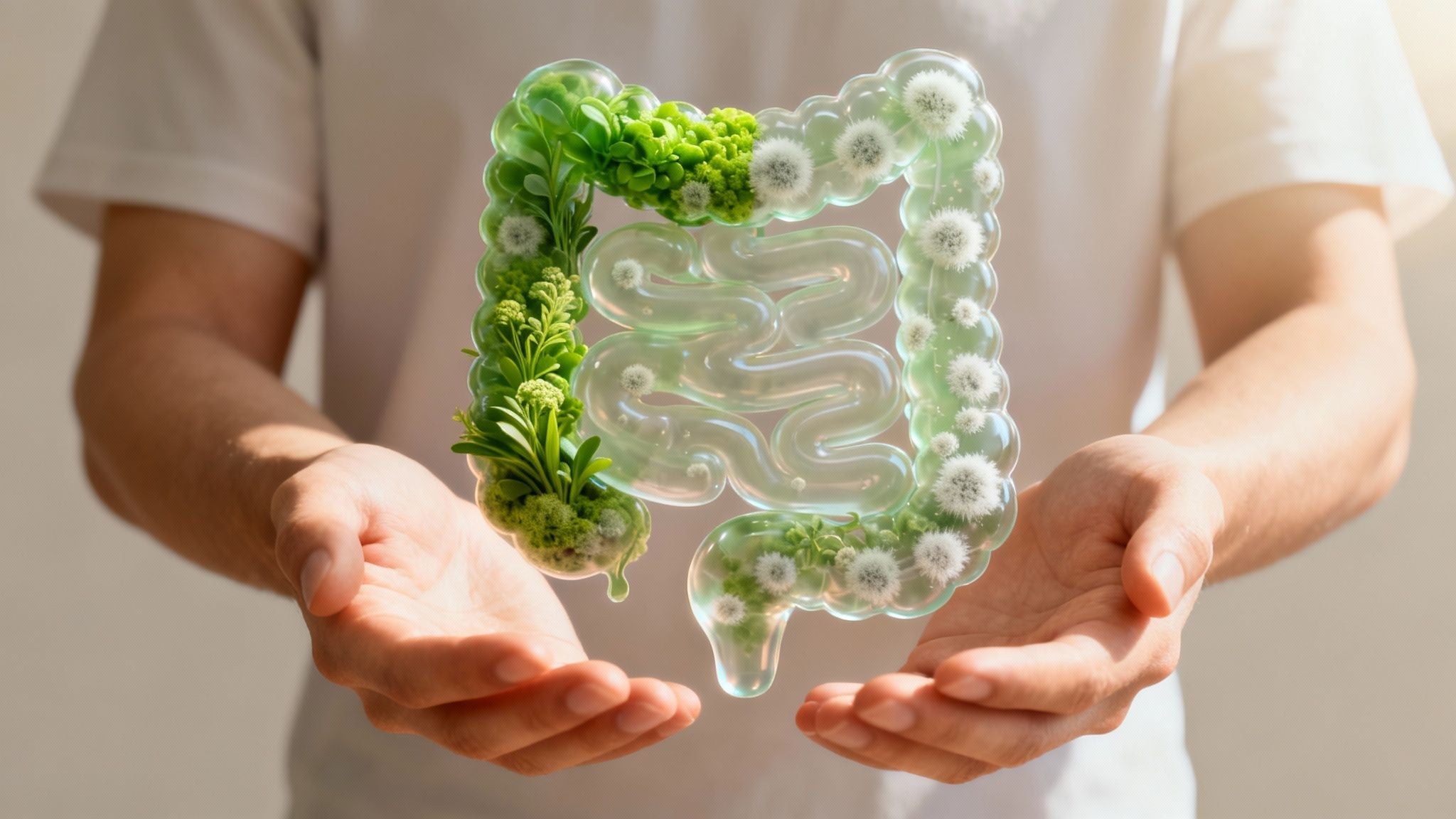
Candida fungus in the gut: Symptoms you should know
Do you often feel tired, bloated, and have inexplicable cravings for sweets? These symptoms could have a common cause: the yeast Candida albicans . It's a perfectly normal inhabitant of your gut, but it can become a nuisance when the delicate balance of your gut flora is disrupted. Candida fungus in the gut isn't a disease in itself, but rather a clear signal from your body that something is amiss in your gut ecosystem. This guide will help you better understand your body and take the first steps in the right direction.
Your gut: A complex ecosystem
Imagine your gut as a thriving, diverse garden. In a healthy garden, beneficial plants and tiny helpers keep each other in balance, ensuring that no weeds take over. It's exactly the same in your gut: billions of good bacteria work together to ensure your digestion functions properly, your immune system is strong, and you feel completely well.
Candida is also part of this gut microbiome. As long as the beneficial bacteria are in charge, the yeast fungus remains an inconspicuous and harmless part of the whole. It only becomes a problem when the "good gardeners"—your beneficial gut bacteria—are weakened. Then Candida seizes its opportunity, spreads, and can cause problems.
Friend or foe? When Candida becomes a problem
The crucial point is the difference between a healthy balance and uncontrolled overgrowth. In fact, Candida fungi, especially Candida albicans , are a completely normal component of the gut flora in around 75 percent of all healthy people in Central Europe. A positive stool test alone is therefore no reason to panic.
Problems only arise when Candida multiplies so extensively that it triggers noticeable symptoms such as bloating, indigestion, or persistent fatigue. This often occurs when the gut flora is weakened by factors such as antibiotics, a high-sugar diet, or chronic stress.
A healthy gut is not a sterile environment, but a living ecosystem. The goal is not to completely eradicate Candida, but to restore the natural balance in which it has no chance to grow excessively.
The balance in your gut is therefore key. Your lifestyle, diet, and stress levels have a huge impact on it. To better interpret your body's signals, it's helpful to understand the basics. If you'd like to delve deeper, read our article about what the microbiome actually is . This knowledge will help you take targeted steps to support your gut health and take control of your well-being.
Recognizing the most common symptoms of Candida overgrowth
When the delicate balance in your gut is disrupted, it can manifest in the strangest symptoms – many of which seem to have absolutely nothing to do with your digestion at first glance. The symptoms of Candida overgrowth in the gut are often vague and difficult to pinpoint, which is why they are easily mistaken for other ailments. They are like the tip of an iceberg, the true cause of which lies hidden deep within the microbiome.

Think again about your gut as a garden: When the "weed" Candida proliferates, it not only takes away space from beneficial plants, but it also robs the soil of valuable nutrients and leaves behind waste products that burden the entire ecosystem. And you then feel this burden throughout your body.
More than just stomach aches
Sure, digestive problems are often the first thing you notice. But the symptoms of a Candida overgrowth often go far beyond that. Your body might be sending you completely different signals that you might not even associate with your gut.
Common signs that extend beyond the abdomen:
- Cravings for sweets: Yeast fungi love sugar. If you have an almost uncontrollable craving for carbohydrates and sweets, this could be a sign that the fungus is crying out for food.
- Chronic fatigue and exhaustion: Do you constantly feel like you've been run over by a truck, even though you're getting enough sleep? The metabolic products of the mushroom can literally drain your body and lead to this leaden lack of energy.
- Concentration problems ("brain fog"): Do you know that feeling of having cotton wool in your head? If you have difficulty concentrating or are forgetful, this can also be related to an imbalance in your gut.
- Skin problems: acne, eczema, or unexplained rashes? The skin is often called a mirror of the gut for good reason. An internal imbalance often manifests itself on the outer surface.
- Recurring fungal infections: If you constantly struggle with vaginal yeast infections or athlete's foot, this could indicate that the yeast fungus is not just a local, but a systemic problem in the body.
These symptoms are often linked together like a domino effect. For example, digestive problems lead to nutrient deficiencies, which in turn exacerbate fatigue and skin problems. Sometimes, a bowel problem manifests itself in unexpected ways, as you can read in our article about white bits in stool .
Why the symptoms are so varied
Candida can irritate the intestinal wall and make it more permeable – a condition known as "leaky gut." This can suddenly allow things to enter your bloodstream that absolutely don't belong there: undigested food particles, toxins, and also the waste products of the fungus.
Your immune system naturally immediately sounds the alarm at these "invaders" and launches a defense response. This constant state of alert can lead to silent inflammation throughout the body. This explains precisely why the symptoms are so wide-ranging – from joint pain and mood swings to new allergies.
It's a complex interplay, but one thing is very clear: your gut health is inextricably linked to your overall well-being. These symptoms are important warning signals from your body – it's worth paying close attention.
The root of the problem: What really triggers Candida growth
Candida overgrowth rarely happens by chance. It's usually the result of certain lifestyle factors or habits that disrupt the delicate balance in your gut. Think of your beneficial gut bacteria as attentive gardeners keeping the Candida "weeds" in check. If these gardeners are weakened, the fungus has free rein.
Often, several factors combine to create an ideal breeding ground for the fungus. Your Candida yeast infection symptoms in the gut are therefore frequently a direct reflection of your lifestyle. Let's take a closer look at the most common causes so you can understand what might be playing a role in your specific case.
Antibiotics as fire accelerants
Antibiotics are often a blessing in the fight against bacterial infections. But for your gut flora, they can be devastating: they not only eliminate harmful bacteria, but unfortunately also a large portion of your beneficial gut flora.
This sudden gap in the microbiome is the perfect opportunity for robust survivors like Candida to spread undisturbed. The protective layer of bacteria is gone, and the fungus grabs the open spaces.
Sugar: Candida's favorite food
Yeast fungi love sugar. A diet rich in sugar, white flour products, and other easily digestible carbohydrates acts like fertilizer for Candida. You're essentially feeding the fungus and fueling its growth.
This also explains why an uncontrollable craving for sweets can be a typical sign of a Candida overgrowth. It's a vicious cycle: the fungus craves sugar, and the more sugar it gets, the stronger it becomes.
Your diet is one of the most powerful ways to influence your gut microbiome. By depriving Candida of its food source, you can actively help restore balance and alleviate your symptoms.
Overview of other important triggers
Besides antibiotics and sugar, there are other factors that weaken your gut flora and promote Candida growth. Often it's a combination of several of these:
- Chronic stress: Constant stress puts your body in a permanent state of alert. The stress hormone cortisol can suppress the immune system and make the intestinal barrier more permeable – opening the door to Candida.
- A weakened immune system: Whether due to stress, lack of sleep or another illness – if your defenses are not at full strength, they are less able to control the growth of fungi.
- Hormonal changes: Fluctuations in hormone levels, for example due to the pill, pregnancy or menopause, can alter the environment in the gut and make it easier for Candida to grow.
- Alcohol: Regular alcohol consumption can irritate the intestinal lining and reduce beneficial bacteria. This also promotes an imbalance.
Understanding these causes is the first important step towards improvement. It shows you exactly where to start, not just to combat the symptoms, but to tackle the problem at its root.
How to gain clarity about your gut health
Assumptions and vague symptoms simply won't get you anywhere in the long run. If you feel that something is out of balance in your gut, you need certainty. But how can you reliably determine whether your symptoms are really due to a Candida overgrowth? The good news is: you no longer have to rely solely on your gut feeling.
Modern at-home self-tests, like those offered by mybody®x, allow you to gain clarity from the comfort of your own home. Instead of guessing, you can obtain concrete data about the condition of your gut. This is the crucial first step to tackling the problem at its root and specifically addressing your Candida yeast infection symptoms in the gut .
Your gut under scrutiny: stool analysis
The gold standard for detecting a potential fungal overgrowth in the gut is a stool analysis. In the laboratory, a precise examination is conducted to determine which microorganisms are present in your intestines – and, most importantly, in what quantities. This provides a clear picture of whether yeast fungi like Candida have gained the upper hand.
But a good analysis can do much more. It doesn't just provide you with a snapshot of your fungal load, but a complete overview of your gut flora. You'll also learn about the state of your beneficial bacteria – the most important guardians of your gut balance.
This infographic shows you at a glance which factors can trigger an imbalance in the gut and thus promote Candida overgrowth.

As you can see, diet, medication, and stress play a central role in whether Candida can spread uncontrollably or is kept well in check.
Here's how easy a home test is.
Thanks to modern test kits, you don't even have to leave the house for such an analysis. With the mybody®x gut microbiome analysis, you can easily, discreetly, and hygienically collect the sample yourself. You receive a test kit with very simple instructions, take a small stool sample, and send it free of charge to an ISO-certified German laboratory.
The result is much more than just a number. You receive a detailed analysis that not only shows you the amount of Candida fungi, but also the ratio of good to bad bacteria, as well as important information about the condition of your intestinal lining.
This solid foundation is crucial, as symptoms alone are often not conclusive. Research shows, for example, that patients with chronic inflammatory bowel diseases such as ulcerative colitis or Crohn's disease can have significantly higher levels of Candida in their stool, which further complicates the healing process. A precise test therefore helps to detect an imbalance early and to better understand the connections. You can also find more information on the scientific background under "Candidiasis" on Wikipedia .
The real advantage, however, lies in the personalized recommendations you receive based on your results. Instead of general advice, you get concrete suggestions for your diet and lifestyle, precisely tailored to the needs of your gut. Learn more in our article about how a microbiome test can give you clarity . This way, you can stop guessing and finally start taking targeted action.
First steps towards a better gut feeling
If you feel that Candida has taken over your gut, you don't have to just wait and hope. The good news is: you can take action right away! Even small, conscious changes in your daily routine can make a huge difference to your well-being. We'll focus on two extremely effective areas: your diet and your lifestyle.
This isn't about turning your life completely upside down or following strict diets. Think of it more as simply depriving the uninvited guest of its food source. At the same time, you're strengthening your beneficial gut bacteria and giving your body the tools to restore its natural balance.
The anti-fungal diet as a foundation
One of the most effective measures is to adjust your diet. Yeast fungi like Candida love one thing above all: sugar and simple carbohydrates. This is essentially their super fuel. By reducing these sources, you're practically starving the fungus.
This means, quite specifically:
- Avoid sugar: That's the most important step. Cut out refined sugar, sweets, cakes, and sugary drinks. Also, watch out for hidden sugar in ready-made meals and sauces – you'd be surprised where it's hiding.
- Reduce your intake of white flour: White bread, rolls, pasta, and other products made with white flour are quickly converted into sugar in the body. Whole-grain alternatives are a much better choice.
- Take a break from alcohol: Beer and sweet wines in particular provide sugar to the fungus and can further stress your gut flora. A break is especially beneficial for your gut right now.
Instead, you should focus on foods that actively support your gut health. Fresh vegetables of all colors, crisp salads, high-quality proteins from fish or poultry, and healthy fats from nuts, seeds, olive oil, or flaxseed oil are now your best friends.
To help you keep track, we've created a little guide for you. It should help you make the right decisions in the supermarket.
Food compass for a gut-friendly diet
| Recommended | Enjoy in moderation | It's best to avoid it. |
|---|---|---|
| Vegetables (especially green varieties, broccoli, cauliflower) | Whole grain products (oats, quinoa, rye) | Sugar & sweets (in any form) |
| Salads & Herbs | Fruits with low fructose content (berries, lemon) | White flour products (white bread, pasta) |
| High-quality protein (fish, poultry, eggs) | Legumes (lentils, chickpeas) | Sweet drinks & juices |
| Healthy fats (avocado, olive oil, nuts, seeds) | Dairy products (natural yogurt, kefir) | Alcohol (especially beer and wine) |
| Fermented foods (sauerkraut, kimchi) | Starchy vegetables (potatoes, sweet potatoes) | Ready meals & Fast food |
This compass is meant as a guide. Listen to your body and find out what feels good for you. If you'd like to delve deeper into the topic, you'll find many more tips in our guide on building up your gut flora through proper nutrition .
Your lifestyle as a powerful ally
Your diet is one thing, but your daily routine also has a huge impact on Candida fungus symptoms in the gut . One of the biggest disruptors of a healthy gut environment is chronic stress. It weakens your immune system and makes it easier for invaders to take hold.
Your gut and brain are in constant communication via the so-called gut-brain axis. Stress in your head is therefore always also stress in your gut. Relaxation is thus not a luxury, but a crucial building block for your gut health.
So try to consciously build small oases of calm into your day. A short walk in the fresh air, a few minutes of meditation, or a yoga session can work wonders. Just as important is restful sleep. At night, your body regenerates, and your immune system gathers new strength. These simple measures strengthen your natural defenses and help your body keep unwanted microbes like Candida in check.
Take control of your gut health
When your body sends you signals like the typical symptoms of a Candida overgrowth, there's no need to panic – it's an important wake-up call. It's the moment your gut flora tells you it urgently needs support. Instead of simply accepting the symptoms, you now have the knowledge to correctly interpret these signs and understand what might be causing them.
The crucial step, however, is moving from mere speculation to action. Your gut feeling is often a good compass, but only solid data gives you the certainty of choosing the right path.
Your health is not a guessing game. Solid data is the best basis for taking responsibility for your well-being and bringing about lasting change.
Your path to clarity and control
A test like the mybody®x gut microbiome analysis provides you with precisely this reliable basis. It not only gives you clear facts about the state of your gut flora – including any potential fungal overgrowth – but also translates this data into personalized recommendations tailored to you.
Based on your individual results, you'll learn which adjustments to your diet and lifestyle will truly make a difference. This way, you'll stop guessing and instead begin to improve your gut health in a targeted and sustainable way. Take control now, listen to your body's signals, and use modern analyses to take charge of your well-being.
What else you should know about Candida in the gut
Still have some questions? No problem. Here you'll find clear answers to the most frequently asked questions about Candida in the gut and its symptoms .
How long does an anti-fungal diet last?
This is one of the most frequently asked questions – and the honest answer is: it depends. Every body is different. However, as a general rule, a consistent change in diet should be maintained for about four to six weeks .
During this time, you give your gut the chance to regenerate. Afterwards, it's not about giving up everything forever. Rather, you slowly begin to reintroduce individual foods and carefully observe how you feel. The most important thing, however, is that you maintain a low-sugar, whole-food diet in the long term. This creates an environment in which yeast fungi cannot even begin to proliferate again.
Do probiotics really help with Candida?
Yes, absolutely crucial! Imagine your gut flora like a garden. Probiotics are the helpful assistants that keep the weeds – in this case, Candida – in check and ensure that the good plants can grow.
You can easily get these beneficial bacteria from fermented foods like natural yogurt, kefir, or fresh sauerkraut. In some cases, however, it can also be helpful to specifically support and strengthen your gut flora with a high-quality probiotic supplement.
When should I see a doctor about these symptoms?
Taking initiative is great, but it has its limits. If your symptoms are very severe, persist for weeks, or even worsen, you shouldn't hesitate any longer and should see a doctor.
A visit to the doctor is essential, especially in the case of these warning signs:
- Severe abdominal pain or cramps that don't go away
- Blood in stool
- An unexplained weight loss
- High fever
These symptoms can also indicate other, more serious illnesses that absolutely require medical attention. Don't gamble with your health; seek professional advice. Your doctor is best placed to assess whether further tests or targeted medication are necessary.
Do you finally want clarity instead of continuing to wonder what's going on in your gut? At mybody®x, you'll find scientifically sound blood and gut tests for home use. Find out what's really behind your symptoms and receive personalized recommendations to help you specifically improve your well-being. Discover the right tests for you now at https://mybody-x.com .



Share:
Chronic bowel inflammation and nutrition – your path to greater well-being
Probiotics and prebiotics: The difference: Simply explained