

What is hormone analysis – the key to greater well-being
People who often feel tired, out of balance, or lacking energy may wonder whether hormonal changes are behind it. Especially for health-conscious people in Central Europe, hormone analysis is becoming increasingly important because it can uncover many symptoms that often otherwise go unnoticed. This overview shows how modern blood tests, saliva, and urine analyses can help assess hormonal balance in a targeted way and open up new ways to improve well-being.
Table of contents
- Hormone analysis explained simply: Definition and benefits
- An overview of different types of hormone analysis
- Process and methods of modern hormone analyses
- Relevance to health, prevention, and treatment
- Common errors and misunderstandings in hormone analyses
Key findings
| Point | Details |
|---|---|
| Hormone analyses are crucial for health | They help detect hormonal imbalances early and develop appropriate treatment strategies. |
| Different analysis methods offer different benefits | Blood, saliva, and urine tests provide specific information and should be selected according to the individual question. |
| Influencing factors can distort results | Cycle phase, age, and medication are crucial for the accuracy of test results. |
| Professional implementation is essential | Hormone analyses should be conducted and interpreted by medical specialists to avoid misdiagnoses. |
Hormone analysis explained simply: Definition and benefits
A hormone analysis is a modern diagnostic method for examining hormone levels in the human body. It provides important insights into hormonal balance and can help understand various health challenges.
The analysis includes various scientific methods for determining hormone status:
- Blood tests for comprehensive hormone analysis
- Saliva tests for convenient at-home measurements
- Urine tests for precise hormone level measurements
The aim of hormone analysis is to identify hormonal imbalances that can affect well-being, energy, and health. The results help doctors and therapists provide targeted recommendations for nutrition, lifestyle, and potentially medical treatments.
The key benefits of hormone analysis are:
- Early detection of hormonal disorders
- Personalized health insights
- Development of personalized treatment strategies
- Improved overall well-being
Pro tip: If you suspect hormonal imbalances, it is advisable to consult a specialist and undergo a professional hormone analysis.
An overview of different types of hormone analysis
There are several scientific methods for hormone analysis, each providing different information about hormonal status. The choice of the right analysis method depends on the individual question and the hormone being tested.
The most important testing methods include:
- Blood test: The most comprehensive method for hormone testing with precise measurements of various hormones
- Saliva test: Ideal for measuring free hormones and hormonal fluctuations
- Urine test: Measures hormone levels over longer periods and shows fluctuations
The blood test is considered the standard method and is performed on specific days of the cycle. Hormones such as LH, FSH, estradiol, testosterone, and prolactin are measured. Depending on the medical question, additional hormones may be tested.
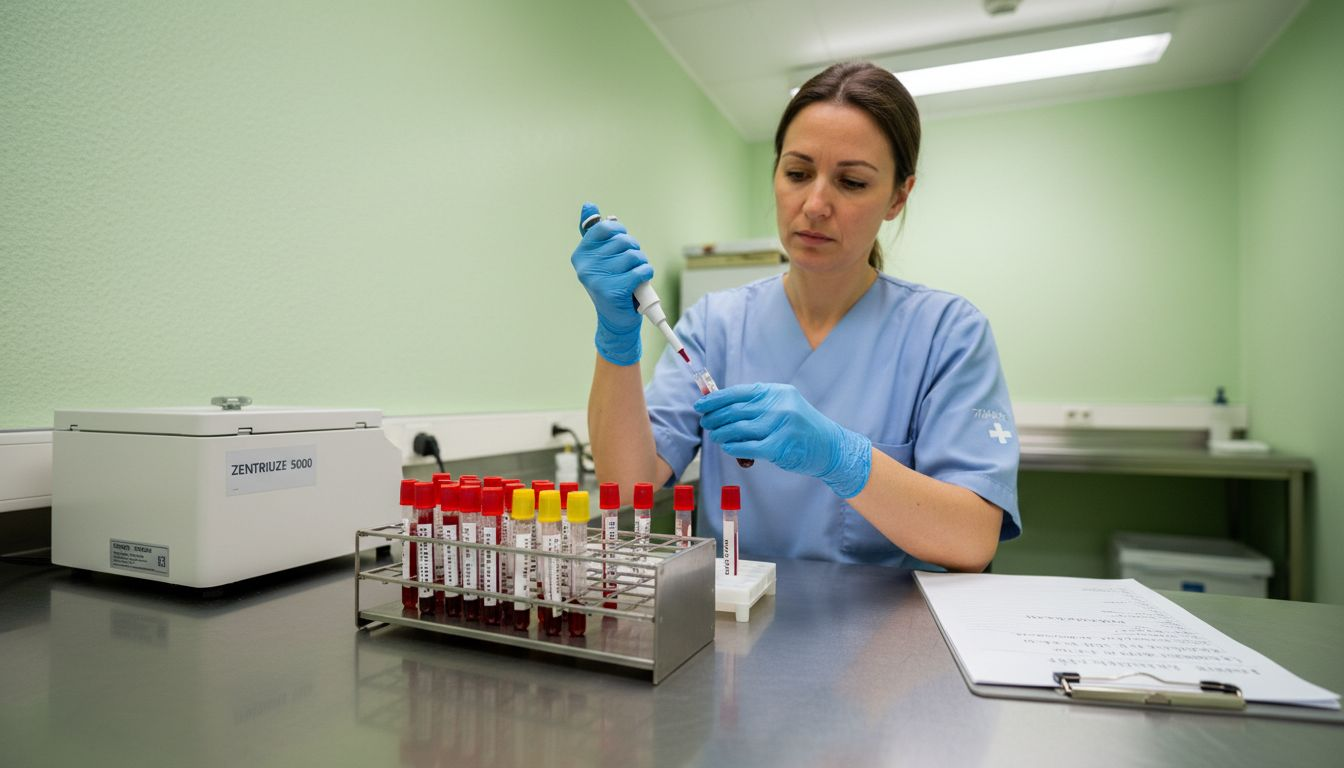
Different testing methods have specific advantages and disadvantages:
For a better overview, here is a comparison of the three most important hormone analysis methods:
| Method | Sample type | Typical applications |
|---|---|---|
| Blood test | Venous blood | Cycle analysis, comprehensive hormone profiles |
| Saliva test | Saliva sample | Stress hormone measurement, cortisol profile |
| Urine test | Collected urine | Long-term levels, sex hormone screening |
- Blood tests: Very precise, but more invasive
- Saliva tests: Painless and easy to perform
- Urine tests: Provide information about hormone levels over the course of the day
Individual health goals and specific questions play the decisive role in selecting a hormone analysis.
Pro tip: Consult a specialist to determine the hormone analysis method that is best suited to you.
Process and methods of modern hormone analyses
Modern hormone analyses are complex diagnostic procedures that provide precise insights into the body's hormonal balance. Various analysis methods capture different hormonal aspects and help doctors make comprehensive health assessments.
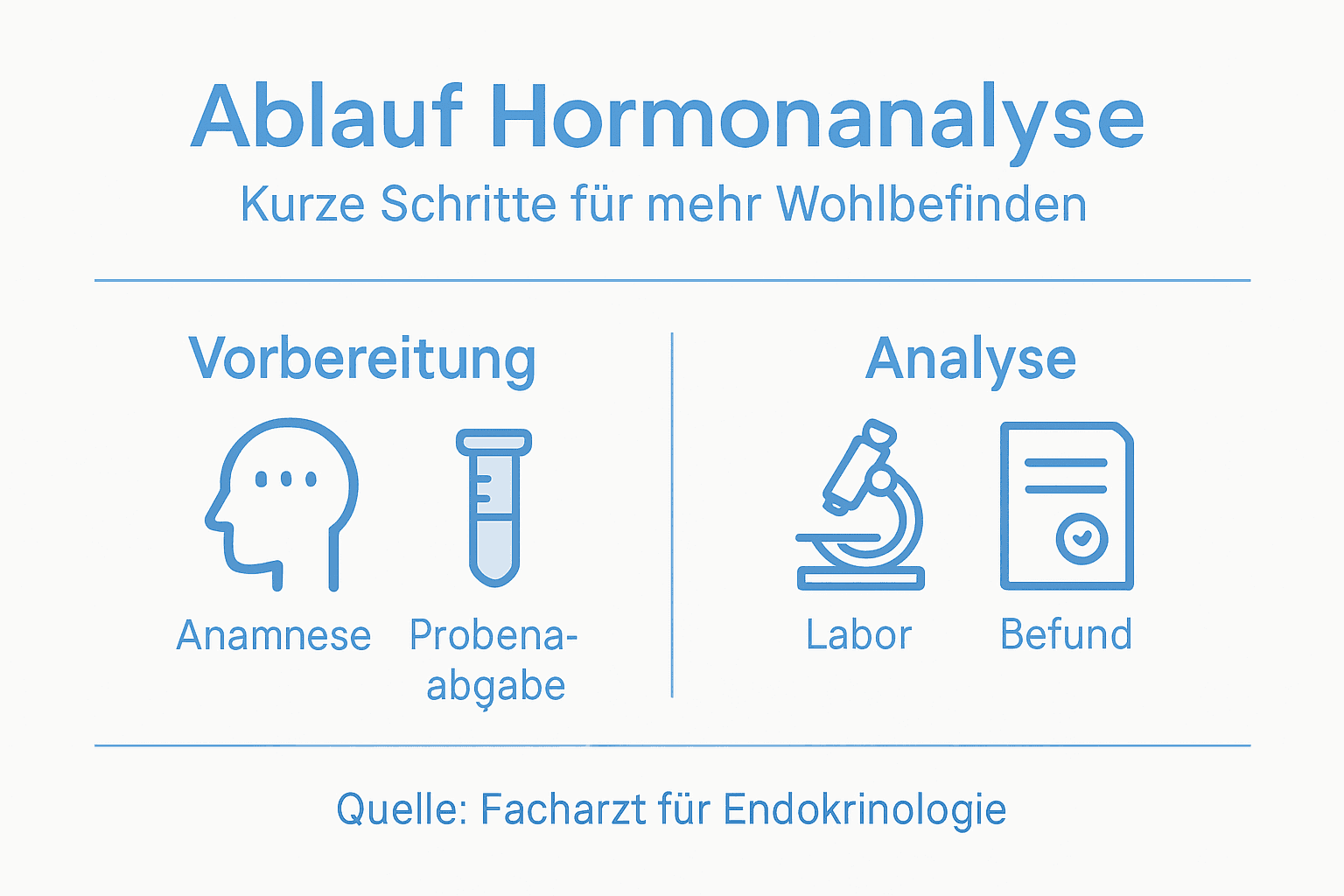
The typical process of hormone analysis comprises several crucial steps:
- Medical history: Detailed patient consultation about their medical history
- Parameter selection: Determining the relevant hormones for testing
- Sample collection: Blood, saliva, or urine test depending on the question
- Laboratory analysis: Scientific examination of the samples
- Interpretation of findings: Specialist medical evaluation of the results
Important influencing factors in hormone testing include:
The following table shows how selected influencing factors can alter the results of a hormone analysis:
| Influencing factor | Possible influence on measurement results |
|---|---|
| Cycle phase | Fluctuations in sex hormones |
| Age | Decrease in individual hormone levels over time |
| Medications | Distortion of certain parameters |
| Diet | Influence on insulin, cortisol, etc. |
- Current cycle phase
- Patient's age
- Weight and nutritional status
- Current medication
- Pre-existing conditions
The precision of sample collection and the timing of the analysis are crucial for meaningful results.
Pro tip: Before the examination, document your current medications and symptoms to enable optimal analysis.
Relevance to health, prevention, and treatment
Hormone analyses play a crucial role in comprehensive preventive healthcare. Modern medical diagnostics provide precise insights into complex hormonal processes and support doctors in developing individualized treatment strategies.
The significance of hormone analyses encompasses various medical areas:
- Early detection of hormonal imbalances
- Identification of health risks
- Development of targeted prevention strategies
- Support for chronic conditions
- Optimization of individual treatment approaches
Hormones influence numerous bodily functions and can affect the following areas of health:
- Metabolism and weight regulation
- Fertility and reproduction
- Energy balance and physical performance
- Mental health and mood regulation
- Bone density and muscle development
Early hormone analysis can prevent long-term health problems and significantly improve quality of life.
Pro tip: Have your hormone levels checked regularly to identify potential health risks at an early stage.
Common errors and misunderstandings in hormone analyses
Hormone analyses require precise execution and interpretation. Common sources of error can lead to incorrect diagnoses, which is why a professional approach is crucial.
The most important sources of error in hormone analyses include:
- Inaccurate measurement methods
- Incorrect sample collection
- Disregarding individual cycle phases
- Considering laboratory values in isolation
- Misinterpretation by laypeople
Common misunderstandings arise from:
- Self-diagnosis without medical guidance
- Overemphasizing individual measurements
- Neglecting contributing factors
- Incorrect expectations of test results
- Improper sample collection
Professional interpretation is essential to avoid misdiagnoses and draw accurate health conclusions.
Pro tip: Have hormone analyses performed and interpreted exclusively by qualified specialist physicians.
Greater well-being through targeted hormone analysis – Now with mybody®x
Hormonal imbalances often affect energy, mood, and health without being immediately noticeable. Precise hormone analysis is the key to understanding individual challenges and restoring physical balance in the long term. This is where mybody® Lab GmbH comes in with certified at-home hormone tests – triglycerides, cortisol, testosterone & more – mybody®x. You can easily and conveniently determine your hormone levels independently and receive well-founded, personalized evaluations.
Take the opportunity to gain greater clarity and quality of life with scientifically validated tests from mybody®. We also offer additional health analyses, such as DNA metabolic tests for your optimal nutrition – mybody®x or Identify and prevent nutrient deficiencies – at-home tests | mybody® – mybody®x. This creates a sustainable foundation for your health and prevention. Visit https://mybody-x.com now and start your journey toward a more hormonally balanced life with targeted analyses.
Frequently asked questions
What is hormone analysis?
Hormone analysis is a diagnostic method for examining hormone levels in the body. It provides insights into hormonal imbalances and helps assess health.
How is hormone analysis performed?
The process includes steps such as taking a medical history, collecting samples (blood, saliva, or urine), laboratory analysis, and interpretation of the results by a specialist.
What are the benefits of hormone analysis?
Benefits include the early detection of hormonal disorders, individualized health insights, and the development of personalized treatment strategies to improve well-being.
What types of hormone analyses are available?
There are various methods, including blood tests, saliva tests, and urine tests, which provide different information about hormone status.



Share now:
Pimples before your period: causes, tips, and how to bring your skin back into balance
Role of hormones – How they regulate health