

How to regulate your hormonal balance
Do you often feel tired, irritable, or simply not like yourself? If you feel that something is wrong even though you’re trying to live a healthy lifestyle, your hormonal system may hold the answer. The key to regulating your hormonal balance lies in finally interpreting your body’s signals correctly and addressing the root causes instead of merely treating the symptoms.
Understanding your own hormonal balance

You can think of hormones as your body’s invisible managers. These tiny chemical messengers control practically everything—from your mood and energy to your metabolism and sleep. Imagine it as a finely tuned orchestra: when every instrument plays in harmony, a wonderful melody emerges. You feel energized, balanced, and simply good.
But if even a single hormone gets out of sync, it throws the entire composition into disarray. That’s exactly what we call a hormonal imbalance.
What throws your hormones out of balance in everyday life?
Often, it’s everyday habits that disrupt this delicate balance—things we aren’t even aware of, but that can have an enormous impact. The biggest culprits include:
- Chronic stress: Constant pressure, whether at work or in your personal life, causes the body to release the stress hormone cortisol nonstop. This can, in turn, block other important hormonal pathways, such as those involving thyroid or sex hormones.
- The wrong diet: High-sugar and heavily processed foods fuel inflammation in the body and can lead to insulin resistance. At the same time, a lack of healthy fats, vitamins, and minerals can directly impair hormone production.
- Lack of sleep: Too little or poor-quality sleep disrupts the production of important hormones such as melatonin (the sleep hormone) and ghrelin (the hunger hormone). The result? Cravings and constant fatigue.
The first step toward improvement is always understanding. Instead of blindly trying random diets or supplements, a targeted analysis of your hormone levels gives you clear direction.
Typical signs: Is your body trying to tell you something?
The symptoms of a hormonal imbalance are often so nonspecific that they’re easily mistaken for normal everyday stress. Some of these may sound familiar:
- Unexplained fatigue that doesn’t go away even after sleeping
- Mood swings, sudden irritability, or feelings of anxiety
- Sleep disturbances or waking up in the morning feeling as though you’ve been hit by a truck
- Weight gain, especially around the abdomen
- Skin problems such as acne or extremely dry skin
- Digestive problems and constant cravings
These signals are not your imagination. They are your body's way of showing you that something has become unbalanced. Instead of ignoring these signs, you can see them as an opportunity to finally take a closer look. A hormone test from mybody-x gives you exactly that opportunity: from the comfort of your home, you can find out which hormones are out of balance and create a solid foundation for truly targeted measures.
Nutrition as the key to hormonal balance
Your daily diet is probably the most powerful lever you have to regulate your hormone balance. Imagine your body as a highly tuned race car: it needs the right fuel to perform at its best. This is not about strict diets, but about consciously choosing foods that specifically support your hormone production.
Every meal is a new opportunity to give your body exactly the building blocks it needs for hormones to work together harmoniously.
The building blocks for your balance
Three major players take center stage here: fats, proteins, and carbohydrates.
Healthy fats are absolutely essential. They form the foundation for many hormones, especially sex hormones such as estrogen and testosterone. Without enough healthy fats, your body simply cannot produce these important messengers.
Proteins, in turn, provide the amino acids that are essential for building and transporting hormones. You can think of them as the body's taxis—they ensure that hormonal signals actually reach where they are needed.
And then there are the complex carbohydrates. They are essential for keeping your blood sugar level stable. Consistent blood sugar prevents sharp insulin spikes, which in turn can drive up production of the stress hormone cortisol.
Your plate is so much more than just a meal—it is a direct means of communication with your hormonal system. Every conscious choice of nutrient-rich foods is a step toward balance.
Foods that support your hormones
To make everything a little more tangible, we have put together a brief overview for you. This table shows you which foods can positively influence your hormones and how you can easily incorporate them into your everyday life.
Foods for your hormonal balance
| Nutrient group | Effects on hormones | Practical examples |
|---|---|---|
| Healthy fats | Building blocks for steroid hormones (estrogen, testosterone) | Avocado, walnuts, flaxseeds, chia seeds, olive oil, salmon |
| High-quality proteins | Provide amino acids for hormone production and transport | Eggs, lentils, chickpeas, quinoa, lean poultry |
| Complex carbohydrates | Stabilize blood sugar and reduce the stress hormone cortisol | Sweet potatoes, oats, whole-grain products, broccoli, spinach |
Even small adjustments, such as adding a few walnuts to your muesli or choosing salmon instead of sausage for dinner, can make a huge difference.
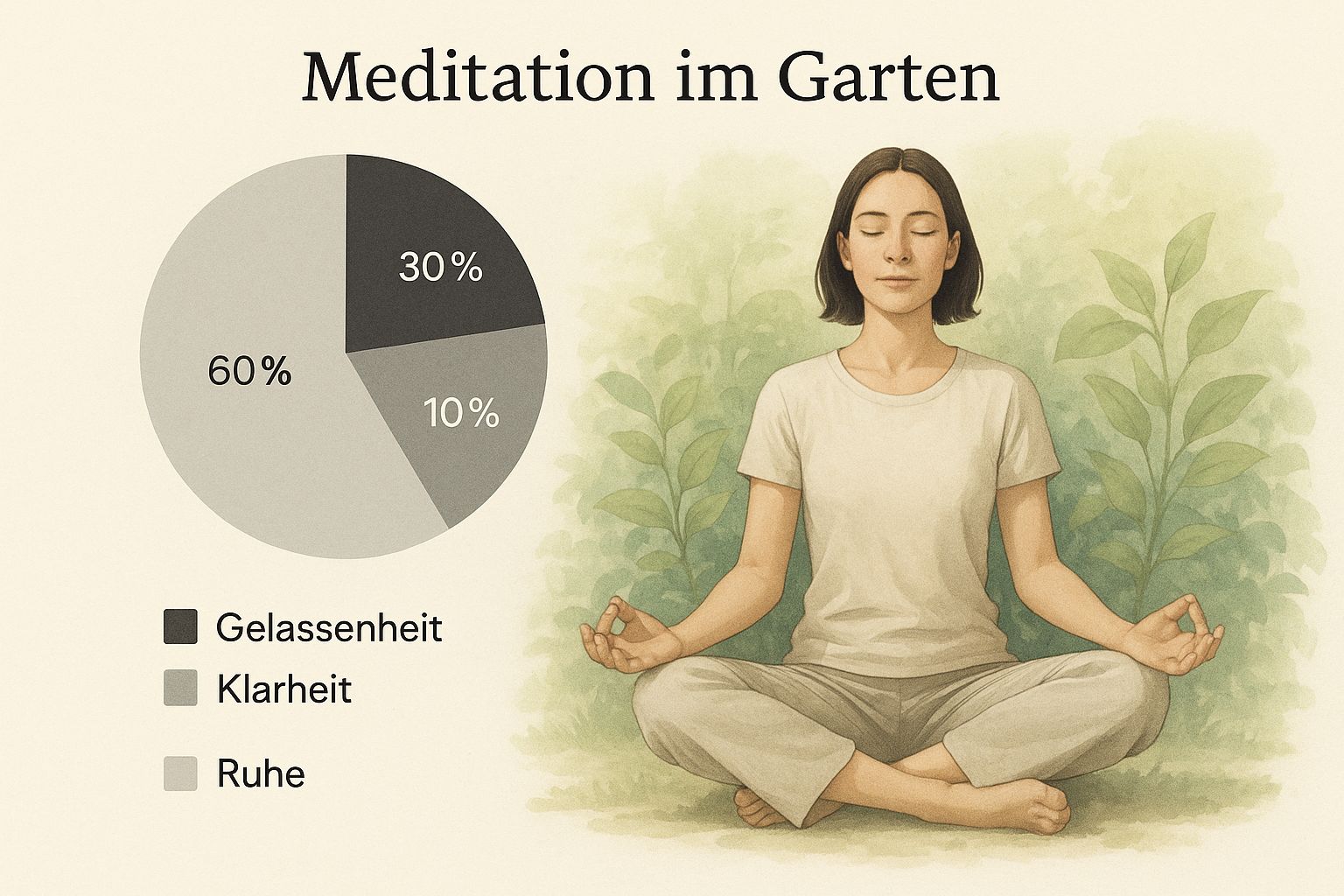
The graphic sums it up: A mindful diet and short breaks in everyday life bring calm to the system—a key prerequisite for a balanced hormone profile.
What you should avoid
Just as important as eating the right things is reducing the troublemakers. Highly processed products, refined sugar, and too much alcohol can promote inflammation in the body and throw your sensitive hormonal system completely off balance.
Being more mindful about your diet can already make an incredible difference. If you’d like to learn how to eat without strict deprivation and still achieve your goals, take a look at our guide to losing weight without giving up the foods you love.
But how do you know whether your body might be missing certain building blocks? A nutrient test from mybody-x can show you exactly whether a deficiency in important vitamins or minerals is impairing your hormone production. This gives you a clear, data-based foundation for specifically adjusting your diet and effectively restoring your hormonal balance.
Effective lifestyle adjustments

Alongside your diet, your everyday lifestyle is the second major pillar when you want to regulate your hormone balance. Often, it’s small, nearly invisible habits that have an enormous impact in the background—for better or worse.
The biggest disruptor of your hormonal balance may be chronic stress. When you’re constantly under pressure, your body continually releases the stress hormone cortisol. Permanently elevated cortisol levels become a real problem because they can significantly slow the production of other important hormones, such as sex hormones and thyroid hormones.
Face stress head-on
The good news is that you don’t have to turn your whole life upside down to effectively reduce stress. Usually, it’s the small, mindful actions in everyday life that make the biggest difference.
Just imagine starting your day not by reaching for your phone, but with five deep breaths. That alone can calm your nervous system and lower your cortisol levels.
Here are a few simple but incredibly effective strategies:
- Breathing exercises: Try the 4-7-8 breathing technique. Inhale through your nose for four seconds, hold your breath for seven seconds, and slowly exhale through your mouth for eight seconds. Do this only three to five times whenever you feel overwhelmed.
- Short meditations: Five minutes of silence a day may be enough. You can use an app or simply focus on the rising and falling of your abdomen. The point is not to think about nothing, but to let thoughts come and go without clinging to them.
- Mindful breaks: Schedule short breaks in your calendar. Stand up, stretch, look out the window—anything that briefly takes you out of work mode helps your system regenerate.
Your body cannot distinguish between the stress caused by a saber-toothed tiger and that caused by an overflowing to-do list. When you consciously relax, you signal to it: The danger has passed.
The regenerative power of sleep
Sleep is not a luxury but the crucial phase during which your body and hormones regenerate. While you sleep, important growth hormones are released, stress levels decrease, and your brain sorts through the day’s impressions.
Lack of sleep, on the other hand, throws everything out of balance. Production of the sleep hormone melatonin slows down, while the hunger hormone ghrelin rises—which also explains the typical craving for unhealthy snacks after a short night.
To improve your sleep hygiene, try establishing a consistent routine. Go to bed at the same time every evening and avoid the blue light from screens for at least an hour before going to sleep.
Exercise in the right amount
Exercise also has a direct connection to your hormones. Moderate activities such as yoga, brisk walking, or swimming can lower cortisol levels and improve insulin sensitivity. They help you reduce stress and feel more balanced again.
But be careful: Too much of a good thing can backfire. Excessive, high-intensity training without sufficient breaks can put your body under additional stress and drive up cortisol even further. So it’s all about finding the right balance for you. Listen to your body’s signals and give it the recovery it needs. If you’d like to understand more precisely how your genetics play a role here, you’ll find fascinating insights in our article about your metabolism in your genes.
How environmental factors affect your hormones
Did you know that not only stress and nutrition, but also your immediate environment can regulate your hormone balance? Invisible chemical substances are often the culprits, and they can seriously disrupt your sensitive hormonal system. These so-called endocrine disruptors lurk virtually everywhere—in plastics, cosmetics, and cleaning products.
They work like tiny impostors: They mimic the effects of your body’s own hormones or simply block their receptors. The result is a hormonal imbalance that often develops gradually. Our aim here is not to spread panic, but to raise awareness of these invisible troublemakers. This way, you can protect your body much more effectively through informed choices.
Where do these troublemakers lurk in everyday life?
Unfortunately, endocrine disruptors are quite ubiquitous. Recognizing them is already the first important step toward consciously reducing your exposure to them.
Here are some of the most common sources:
- Plastics: Plasticizers such as Bisphenol A (BPA) and phthalates in particular can leach directly from plastic packaging, drinking bottles, or food containers into your food.
- Cosmetics and personal care products: Parabens, which are often used as preservatives in creams, shampoos, or makeup, can have an estrogen-like effect.
- Cleaning products: Certain fragrances and chemicals in household cleaners can also interfere with your endocrine system.
- Pesticides: Residues of plant protection products on conventionally grown fruit and vegetables are another known source.
Even drinking water can contain endocrine-active substances. For example, the German Environment Agency is investigating, as part of a project, the extent to which hormonal effects occur in drinking water, as these substances can alter hormone balance even in the smallest amounts. If you want to learn more, you can find further information on the research findings of the HoWiTri project directly from the Federal Ministry of Health.
Simple steps to reduce pollutants
The good news is that you have it in your own hands to significantly reduce your exposure to these substances. Even small changes in your daily life can make a huge difference.
It’s not about perfection, but about making conscious choices. Every small step helps your body find and maintain its natural balance.
Why not start with these simple but highly effective changes:
- Reduce plastic: Whenever possible, switch to containers made of glass, stainless steel, or wood. Most importantly: Never heat your food in plastic containers in the microwave, as heat promotes the release of chemicals.
- Choose cosmetics consciously: Look for products labeled “paraben-free” and prefer certified natural cosmetics. Here, the saying really often applies: Less is more.
- Shop for food wisely: Buy organic products whenever possible to minimise exposure to pesticides. And always wash fruit and vegetables thoroughly before eating them.
These measures are particularly important if you already have a sensitive hormonal axis, as is the case with the thyroid, for example. You can find additional tips on adapting your diet in our detailed article on nutrition for hypothyroidism.
Stop guessing: Gain clarity with a hormone self-test
The tips on nutrition, lifestyle and more are great for helping to restore balance to your hormones. But simply jumping in blindly is a bit like travelling without a compass. Assumptions alone will not get you anywhere—you need to know exactly where the imbalance lies so you can address it effectively.
Think of a mybody-x hormone self-test as your personal compass. It is the logical first step towards finally establishing the facts and developing a strategy that is truly suited to you. Instead of clinging to general advice, you get a clear, data-based picture of your individual hormone status.
From vague assumptions to targeted action
You may know the feeling: You constantly feel stressed and cannot find peace at night. Is it due to elevated cortisol levels in the evening? Or might you be lacking the important sleep hormone melatonin? A test can answer these questions precisely. The whole process is remarkably simple: You order a test kit, which is conveniently delivered to your home, collect a small sample and send it to our certified laboratory for analysis.
The results provide the facts you need to finally make targeted changes:
- Clear measurements: You can see in black and white which hormones are in balance and where there are problems.
- Tailored recommendations: Based on your results, you can adapt the tips in this article perfectly to your needs.
- Track your progress: After some time, you can repeat the test and objectively see what your efforts have achieved.
This knowledge is especially valuable during phases of life involving major hormonal changes. In Germany alone, around 9 million women are going through menopause, a time when hormone levels are thoroughly disrupted. Experts often recommend individual counselling and checking hormone levels to better manage symptoms and minimise risks. You can find out more in the recommendations of the German Menopause Society.
A test result is not a verdict but a starting point. It gives you back control and enables you to take care of your well-being independently and with informed decisions.
When the cause lies in the gut: Hormones and intolerances
Sometimes hormonal chaos also has causes that you would not think of at first. Chronic, low-grade inflammation in the body, often triggered by undetected food intolerances, can put enormous pressure on the hormonal system. After all, the gut is not only responsible for digestion—it is also a central control center for hormonal regulation.
So if you feel like you are stuck despite all your efforts, it may be worth taking a closer look at your diet. In our related article, we explain how a blood test for food intolerances can help you uncover these hidden troublemakers.
A test from mybody-x is therefore much more than just a snapshot. It is your personal guide to more energy, inner balance, and a deeper understanding of your own body.
Your questions about hormonal balance—here are the answers
Hormones often raise many questions. That is hardly surprising, as our hormonal system is a complex interplay of a wide range of factors. To help you feel confident on your journey toward greater well-being, we have answered the most frequently asked questions and addressed common concerns in an easy-to-understand way.
Our goal is to dispel your remaining doubts and encourage you to take control of your health yourself.
How quickly will I notice that my hormone levels are regulating?
This is probably the most frequently asked question—and the answer is very personal. Some people notice a significant improvement after just a few weeks, for example through consistently changing their diet or getting better sleep. But if the causes run deeper, it can also take several months for the system to rebalance itself.
Patience and consistency are your most important companions here. Every healthy meal, every walk, and every mindful break is a valuable step in the right direction. A hormone test from mybody-x can help you speed up the process by showing you from the outset exactly where you should start. This way, you can see your progress in black and white and stay motivated.
What role do vitamins and minerals really play?
Absolutely crucial. Think of vitamins and minerals as the spark plugs for your hormone production. Without them, the engine simply does not run smoothly.
- Magnesium is essential for stress regulation and helps your body keep cortisol levels in check.
- Zinc plays a key role in the production of important thyroid and sex hormones such as testosterone.
- Vitamin D acts like a hormone in the body itself and is involved in countless processes that influence your balance.
A deficiency in just one of these micronutrients can throw your entire system out of balance and hinder your efforts. A targeted nutrient test shows you precisely whether you are lacking important building blocks for hormonal balance. This allows you to tailor your diet or supplementation precisely to your needs.
Do I always have to see a doctor right away if I have hormonal problems?
A home test from mybody-x is a fantastic first step toward taking action yourself and finally gaining clarity about your hormone status. It provides valuable insights and gives you the opportunity to make informed decisions about your health.
However, if your symptoms are severe or particularly persistent, it is always a good idea to discuss the results with a doctor or therapist as well. This is especially true if you have known conditions such as PCOS, which affects around one million women in Germany. This complex hormonal imbalance often requires medical support. You can also find more information in the analyses on the health of women in Germany.
A home test does not replace a medical diagnosis. But it provides an invaluable, data-based foundation for a qualified, equal-footing conversation. You go into your appointment informed and can ask the right questions.
This gives you the best possible foundation for working with experts to find the strategy that works best for you.
Are you ready to end the guesswork and gain clarity about your hormone status? With the self-tests from mybody-x, you get the scientifically sound foundation you need to support your body in a targeted way and take control of your well-being. Discover the right test for you now at https://mybody-x.com.



Share now:
What is examined in a complete blood count? Everything at a glance
Test for lactose intolerance and finally gain clarity