

Genetic variants and their influence on nutrition
Genetic variants are measurable differences in your DNA that directly influence how you perceive, metabolize, and respond to food. This field of research is called nutrigenetics. It examines how gene variants, also known as SNPs (single-nucleotide polymorphisms), shape individual dietary habits and nutrient requirements. Genes such as TAS1R2, FADS1, and TCF7L2 are central to this research. Understanding how genetic influences affect nutrition can help you make more targeted dietary choices and avoid unrealistic expectations about diets.
How do genetic variants influence eating behavior?
Your sense of taste is not a coincidence. The TAS1R2 gene encodes a sweet taste receptor. The rs35874116 variant in this gene affects how strongly you perceive sweet flavors, with measurable consequences for your eating behavior.
A study of 41,669 Koreans showed that carriers of certain TAS1R2 variants have significant differences in vegetable and sodium intake. Overall diet quality was not affected; rather, specific components were. This is an important distinction: genes do not control complete dietary patterns, but individual aspects of them.
In addition to TAS1R2, other genes encode bitter and sweet taste receptors, including TAS2R38, which is involved in perceiving the bitterness of broccoli and Brussels sprouts. People with a particular variant of this gene perceive bitter compounds much more intensely. This explains why some people consistently avoid vegetables even though they actually want to eat them.
- TAS1R2: Influences sweet taste perception and therefore sugar consumption and vegetable intake
- TAS2R38: Regulates bitter taste perception, relevant to vegetable preferences
- FTO: Variant rs9939609 is associated with increased appetite and calorie intake
- MC4R: Influences feelings of satiety and energy balance
Pro tip: If you know that you carry a TAS2R38 variant that makes you perceive bitter compounds more intensely, you can make vegetables milder by blanching or roasting them without sacrificing their nutrients.
The key point remains: genetics explains gradual differences, not categorical responses. Your behavior, habits, and environment always play a role too.
How do genes regulate metabolism and nutrient utilization?
Genes don't just determine what you like to eat. They also influence how efficiently your body processes certain nutrients. This is the core of nutritional genetics when it comes to metabolic pathways.
The FADS1 and FADS2 genes encode enzymes that convert omega-3 and omega-6 fatty acids. A meta-analysis of 132 studies involving more than 500,000 participants showed that variants in FADS1 and FADS2 strongly modulate the bioavailability of these fatty acids from person to person. People who carry a less active variant derive little benefit from plant-based omega-3 sources such as flaxseed because conversion into the biologically active forms EPA and DHA is limited.
The APOE gene also has a major influence. Carriers of the APOE4 variant experience a greater increase in LDL cholesterol in response to saturated fats than people with APOE2 or APOE3. For them, a low-fat diet is not a general recommendation but a genetically justified necessity.
- FADS1/FADS2: Regulate the conversion of plant-based omega-3 fatty acids into EPA and DHA
- APOE: Affects the response to dietary fats and the risk of heart disease
- TCF7L2: Variant rs7903146 increases the risk of type 2 diabetes, especially with a high-carbohydrate diet
- MTHFR: Affects folate metabolism, relevant to pregnancy and heart health
The TCF7L2 gene deserves special attention. Carriers of the risk variant respond to refined carbohydrates with greater insulin secretion. A high-fiber, reduced-carbohydrate diet can demonstrably lower the risk of diabetes in these individuals. Genetic information can help them take preventive action before symptoms appear.
Genes regulate metabolic adaptations, but behavior always plays a role. Someone who carries APOE4 and eats butter and red meat every day increases their risk despite their genetic knowledge. The information alone changes nothing. What comes next does.

How effective are gene-based nutrition recommendations really?
Genetically personalized nutrition sounds convincing. The evidence is more nuanced.
A 12-month randomized controlled trial of the MyGeneMyDiet® program showed that gene-based recommendations offered no significant advantage over standard recommendations for weight, BMI, and conventional metabolic markers. This does not mean that genetic information is worthless. It means that genetic information alone is not enough to produce measurable changes.
A review of 24 randomized controlled trials paints a more nuanced picture. Personalized nutrition improves HbA1c, triglycerides, and insulin sensitivity in particular. Weight and blood pressure change significantly less often. This is an important indication: genetically informed nutrition has its strongest effects on metabolic markers, not on the scale.
| Health markers | Effect of personalized nutrition |
|---|---|
| HbA1c (long-term blood sugar) | Improvement demonstrated in several RCTs |
| Triglycerides | Significant reduction with adjusted fat intake |
| Insulin sensitivity | Improvement through timing- and gene-based adjustments |
| Body weight / BMI | Rarely significant differences from standard recommendations |
| Blood pressure | Few consistent effects in studies |
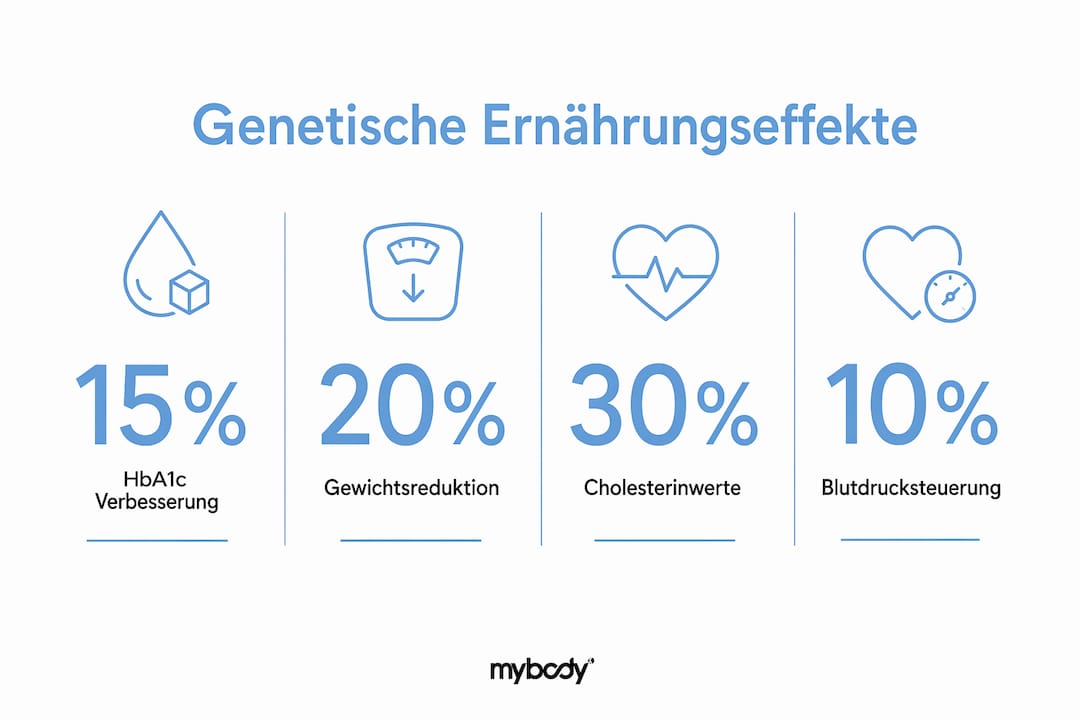
Pro tip: If you use a DNA test for nutrition recommendations, combine the results with current blood values such as HbA1c and triglycerides. Only this combination makes genetic information truly actionable.
Reputable studies recommend combining genetic data with clinical values and coaching rather than relying on DNA-only diets. This is not a step backward. It is an honest assessment of what genetics can and cannot do. Those who understand this make better decisions.
What role do timing and epigenetics play alongside genetic variants?
Genetic variants are not the only biological factors that influence how your diet affects you. When you eat is just as relevant as what you eat.
A study published in 2026 showed that the timing of macronutrient intake regulates time-of-day gene expression in adipose tissue. More than 1,300 genes in adipose tissue oscillate on a daily rhythm, and around 30 percent of them respond directly to the timing of nutrient intake. Someone who eats a carbohydrate-rich meal in the evening activates different inflammatory genes than someone who consumes the same amount in the morning.
Epigenetics takes this a step further. Your diet can alter gene activity through DNA methylation without changing the DNA sequence itself. Folate, vitamin B12, and secondary plant compounds such as sulforaphane from broccoli have been shown to influence these methylation patterns. This means that diet not only shapes how genes are expressed but can also shift gene activity over the long term.
- Macronutrient timing: Eating carbohydrates in the morning instead of the evening improves insulin sensitivity and reduces inflammatory markers
- DNA methylation: Folate and B12 regulate epigenetic patterns, particularly relevant for MTHFR variants
- Sulforaphane: A secondary plant compound from cruciferous vegetables activates detoxification genes through epigenetic mechanisms
- Chronobiology: Individual chronotypes (early riser vs. night owl) influence when nutrients are utilized most effectively
Personalized nutrition benefits from integrated data on genetics, metabolism, and behavior. Focusing only on individual genes shows just part of the picture. Timing, epigenetics, and lifestyle are not additions to genetics. They are equally important factors.
Key findings
Genetic variants measurably influence nutrition, but always in combination with behavior, timing, and metabolism—not as the sole factor.
| Topic | Details |
|---|---|
| Taste and gene variants | TAS1R2 and TAS2R38 influence sweet and bitter perception and therefore specific food preferences. |
| Fatty acid utilization | FADS1/FADS2 variants determine how efficiently plant-based omega-3 sources are converted into EPA and DHA. |
| Effectiveness of genetic diets | Gene-based recommendations improve metabolic markers such as HbA1c, but show no benefit for body weight. |
| Nutrient timing | Around 30 percent of genes in adipose tissue respond to the timing of nutrient intake, not just the amount. |
| Holistic approach | Genetics, blood values, and behavior together provide better nutritional recommendations than individual genes alone. |
My assessment of genetics as a guide to nutrition
Genetic information is valuable. But it is not a free pass to a miracle diet.
What continues to surprise me after years of working in personalized health analysis: Many people expect a DNA test to tell them what to eat, after which everything will happen automatically. That’s simply not how it works. Genes explain why you respond differently to certain nutrients than your neighbor does. They don’t explain why you still reach for a bag of chips in the evening.
The real value of genetic analyses lies in the combination. If you know your FADS1 variant and also have your blood omega-3 level measured, you can make a targeted decision about whether plant-based sources are sufficient or whether you should opt directly for EPA/DHA supplements. That’s concrete. That guides action. And it’s a far cry from an online DNA diet.
What I’ve learned from working with more than 11,300 customers: The best results come from combining genetic data with blood analyses and a clear behavioral plan. If you focus only on genes, you’re optimizing in the wrong place. When you bring together genes, metabolism, and everyday life, you truly understand your body.
My advice: Choose evidence-based tests from reputable providers that operate under ISO certification and communicate their methods transparently. And remain skeptical of promises that sound as though a single test could change your life. Genetics is one building block. An important one. But just one.
— mybody x
Your genetic profile as the foundation for better nutrition
If you want to understand exactly how your genes affect your diet, a well-founded DNA test is the sensible next step.

mybody x offers ISO-certified DNA metabolism tests that can be performed directly at home. The analysis covers not only individual gene variants but also provides personalized nutrition recommendations based on your genetic profile, metabolism, and health goals. More than 11,300 customers have used them to make their diets more targeted. All samples are pseudonymized and destroyed after analysis, fully in compliance with the GDPR. Anyone who wants to understand their genetic metabolism will find scientifically sound analyses with personal guidance at mybody x.
FAQ
What are genetic variants in nutrition?
Genetic variants, also known as SNPs, are small differences in the DNA sequence that influence how the body absorbs and processes nutrients and responds to certain foods. They explain why the same diets can produce different results in different people.
Which genes have the greatest influence on eating behavior?
TAS1R2 influences sweet taste perception, TAS2R38 bitter taste perception, FTO appetite, and FADS1/FADS2 the utilization of omega-3 fatty acids. These genes are among the best studied in nutritional genetics.
Can a DNA test help with weight loss?
Gene-based nutrition recommendations have shown no significant advantage over standard recommendations for body weight in studies. However, they have been shown to improve metabolic markers such as HbA1c and triglycerides, especially when combined with blood values and behavioral changes.
What is the difference between nutrigenetics and epigenetics?
Nutrigenetics examines how genetic variants influence the body's response to nutrients. Epigenetics describes how nutrition can alter gene activity through mechanisms such as DNA methylation without changing the DNA sequence itself.
When does a genetic nutrition test make sense?
A genetic nutrition test is useful when combined with blood analyses and professional guidance. Considering nutrition and genetics together provides more specific recommendations for action than individual tests alone.



Share now:
Gene meaning: What your DNA reveals about you
Reference ranges in blood tests: Meaning and overview