
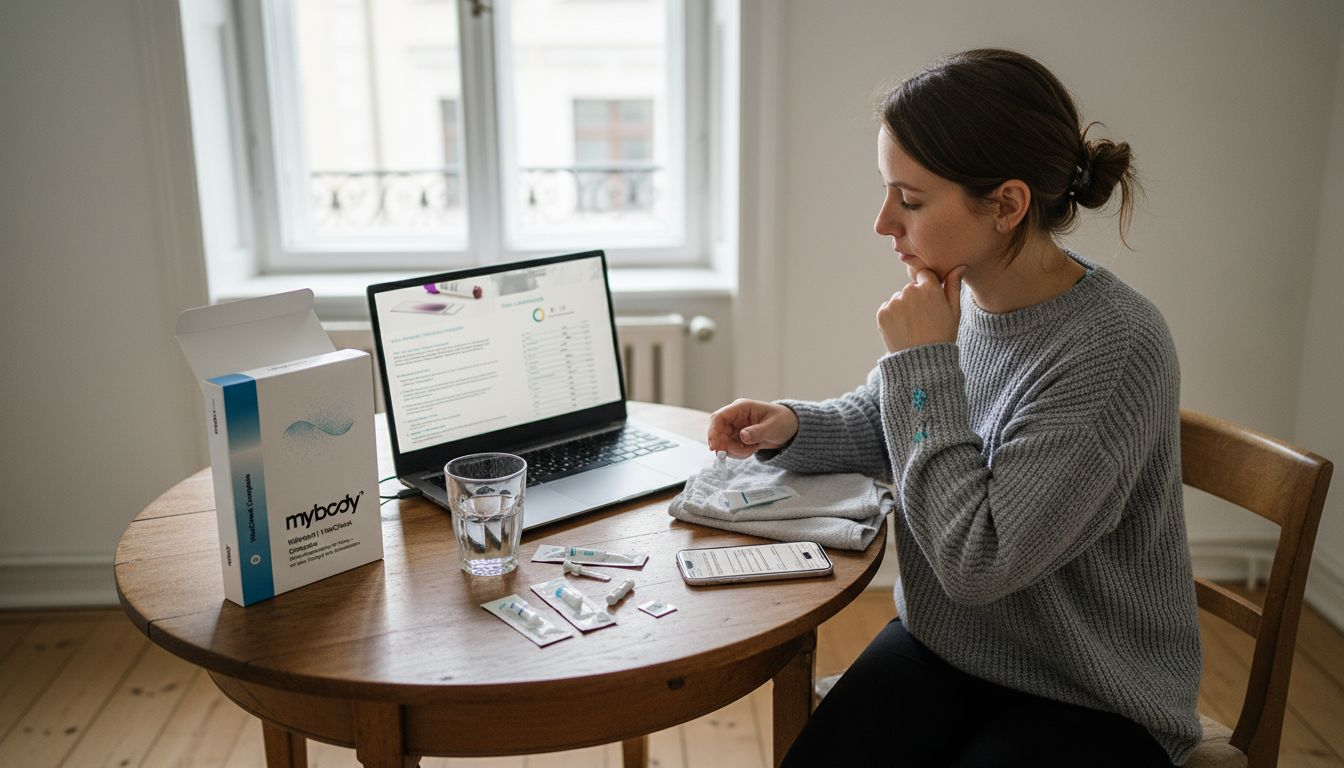
Conducting a blood value analysis at home: Your path to accurate results
An accurate blood test can make a crucial difference to your health. More and more people in Germany, Austria, and Switzerland want to improve their diet based on individual values. About 60 percent of all adults want personalized nutrition recommendations to boost vitality and quality of life. In this guide, you will learn how to properly prepare your blood test kit and avoid common mistakes so that you can reliably use your results to guide your diet.
Table of contents
- Step 1: Carefully prepare your blood test kit
- Step 2: Collect the blood sample according to the instructions
- Step 3: Secure and ship your sample correctly
- Step 4: Review the laboratory results online
- Step 5: Use the recommendations for your diet
Quick overview
| Important point | Explanation |
|---|---|
| 1. Careful kit preparation | Check all materials and read the instructions thoroughly for accurate results. |
| 2. Hygienic blood collection | Wash your hands and use sterile materials to prevent contamination. |
| 3. Proper sample packaging | Seal samples airtight and use the correct packaging to prevent damage. |
| 4. Access online results | Log in to the online portal to analyze and understand your results. |
| 5. Implement dietary adjustments | Use your blood values to identify nutrient deficiencies and plan targeted dietary changes. |
Step 1: Carefully prepare your blood test kit
Preparing your blood test kit is crucial for accurate results. Before you begin collecting the sample, you should carefully check and prepare all materials.
Take the time to inspect your entire kit. Make sure all components are complete and undamaged. It is also important to study the capillary blood test instructions carefully. Pay particular attention to the sterile blood collection materials, labeling stickers, and transport packaging.
Optimal preparation involves more than just the technical details. Pay attention to your personal condition as well. Avoid intense physical activity before the blood draw and make sure you stay adequately hydrated. If you are unsure whether you may drink water before having your blood drawn, you can read the details here.
Pro tip: Place all materials within reach and work on a clean, well-lit table with a stable surface.
Step 2: Collect the blood sample according to the instructions
Correct blood sample collection is crucial for precise analysis results. In this section, I will show you step by step how to collect your blood sample safely and professionally.
First prepare all materials and clean your hands thoroughly. Choose the recommended collection site, typically at the side of your fingertip. Pay particular attention to hygiene and sterility. If you have any concerns about possible allergies during the test, consult your doctor beforehand.
Now follow the enclosed instructions exactly. Carefully prick at a 90-degree angle and use the designated lancet. Gently massage your finger to produce an even drop of blood. Make sure to transfer the blood sample precisely onto the designated test areas.
Pro tip: Drink sufficient water before collecting the blood and avoid physical exertion to achieve optimal test results.
Step 3: Secure and ship your sample correctly
After carefully collecting the blood sample, correct shipping is crucial for reliable analysis results. In this section, you will learn how to transport your sample safely and professionally to the laboratory.
Seal the sample tubes airtight immediately after collection and label them with the provided labels. Ensure that no cross-contamination can occur. When packaging, follow the step-by-step instructions for shipping samples to avoid errors.

Use the enclosed return envelope and ensure sturdy packaging. The envelope should remain cool and protected from light. Place the prepaid envelope in a mailbox promptly or hand it in at a post office counter. Keep the tracking number so you can track the shipping status.
Pro tip: Photograph the sample before shipping it for documentation and check all labels again.
Here is an overview of typical errors and their effects during the capillary blood test:
| Source of error | Possible consequence | Prevention strategy |
|---|---|---|
| Incomplete material check | Missing components | Check the preparation carefully |
| Incorrect collection technique | Inaccurate analysis results | Follow the instructions carefully |
| Poor sample labeling | Assignment not possible | Attach the labels correctly |
| Insufficient packaging | Sample is damaged | Follow the packaging instructions |
| Shipping too late | Biological samples lose quality | Ship promptly |
Step 4: Review the laboratory results online
After your blood sample has been shipped, the exciting moment of analyzing the results begins. In this section, we explain how to access your blood test results digitally and in an easy-to-understand format.
Log in to the online portal using your personal login details. Here you will find your Fitness Lifestyle Analysis with detailed charts and explanations. Pay particular attention to values outside the reference range and compare them with the background explanations.
The results are usually presented in clear charts and tables. Take the time to understand the individual components. If anything is unclear or values are abnormal, we recommend speaking with a healthcare professional who can explain the results to you individually.
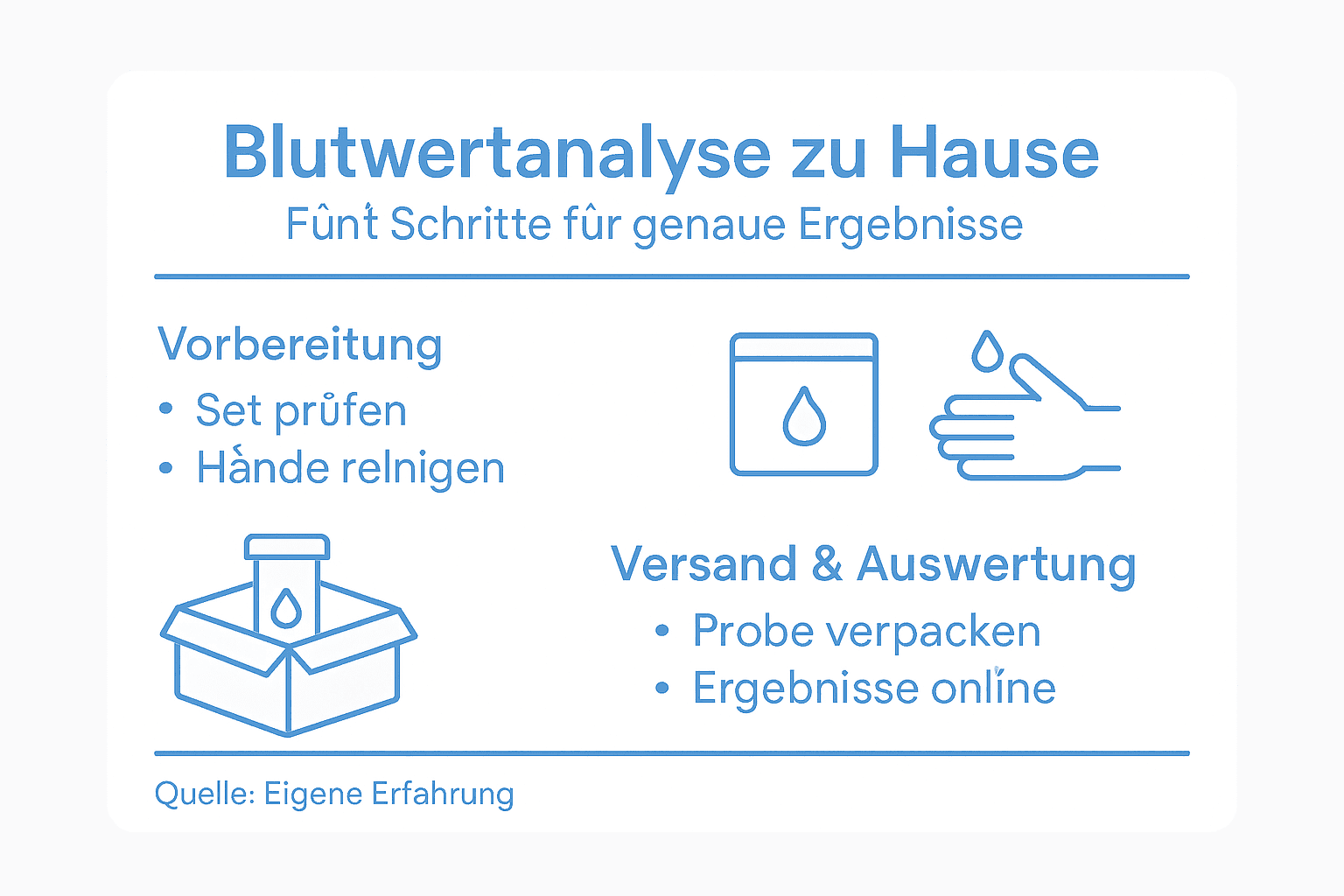
Pro tip: Keep your test results digitally and in paper form, and maintain a personal health diary.
Step 5: Use the recommendations for your diet
Your blood test results provide valuable insights into your health and offer concrete starting points for targeted dietary changes. In this section, you will learn how to put the laboratory recommendations into practice.
Carefully read the personalized nutrition recommendations and analyze Strategies for a balanced diet. Identify nutrient deficiencies and plan targeted dietary supplements. Pay particular attention to vitamins and minerals identified as deficient in your blood test results.
Start with small changes to your diet. Gradually incorporate the recommended foods and supplements. Document your progress and pay attention to changes in your energy levels and well-being.
The table below provides an overview of important blood values and their significance for nutrition:
| Blood value | Possible deficiency | Nutrition tip |
|---|---|---|
| Iron | Fatigue | Red meat, legumes |
| Vitamin D | Weak immune system | Fatty fish, eggs |
| Magnesium | Muscle cramps | Nuts, whole-grain products |
| Folic acid | Anemia | Green leafy vegetables |
Pro tip: For complex dietary changes, also consult a nutritionist to optimally address your individual needs.
Perform a precise blood value analysis conveniently at home and take the next step based on the results
Careful preparation and correct execution of your at-home blood test are the keys to reliable results. Yet, it is often difficult to find a simple way to have blood values analyzed professionally and derive personalized recommendations from them. This is exactly where mybody® comes in with its extensive range of at-home health tests – Discover all tests. Benefit from ISO-certified laboratory analyses that go far beyond the conventional capillary blood test and provide personalized nutrition tips and health strategies.
Optimize your health sustainably with state-of-the-art DNA metabolism tests for your optimal nutrition or targeted at-home hormone tests – triglycerides, cortisol, testosterone & more. Benefit from mybody®'s expertise and security to understand your individual blood values holistically and improve your well-being in a targeted way. Don't wait any longer—your health deserves only the best analysis and care. Start your personal test with mybody® now at https://mybody-x.com and take charge of your health in a self-determined, scientifically sound, and sustainable way.
Frequently Asked Questions
How do I optimally prepare my blood test kit?
To prepare your blood test kit properly, carefully check that all included materials are complete and undamaged. Make sure you use a well-lit, clean work surface to ensure smooth sample collection.
How do I collect the blood sample correctly?
Proper blood sample collection involves several steps: Clean your hands, choose the side of your fingertip as the collection site, and prick it with the lancet at a 90-degree angle. Gently massage your finger to produce an even drop of blood and transfer it precisely onto the test spots.
What do I need to bear in mind when shipping my blood sample?
Make sure to seal the sample tubes airtight immediately after collection and label them correctly. Use the provided return envelope and ensure that your sample remains cool and protected from light to maintain its quality.
How do I access my laboratory results online?
Log in to the online portal with your personal access details to view your laboratory results. Take time to analyze your values using the provided charts and tables to gain a complete picture of your health.
What dietary recommendations can I derive from my blood values?
Use your blood values to make targeted changes to your diet. Pay particular attention to nutrient deficiencies identified by the test results, and gradually incorporate recommended foods and supplements into your meal plan.
What should I do if I am unsure about the results?
If you are unsure about your laboratory results or notice any abnormalities, it is advisable to speak with a healthcare professional. They can help you better understand your results and recommend appropriate steps for your health.
Recommendation
- At-home stool test: How to check your gut health | MYBODY-X – mybody®x
- Instructions: Capillary blood test – Measure blood values at home – mybody®x
- Irritable bowel syndrome test: Finally find clarity about your gut – mybody®x
- What is tested in a complete blood count? Everything at a glance – mybody®x
- Hair Analysis Test 2025: Discover Your Health Insights | MyHair



Share now:
7 simple tips for getting vitamins in your daily life
Benefits of blood test analyses for your health