

Home testing: Benefits, risks, and how it works explained
Anyone who wakes up this morning wanting to know about the state of their gut, metabolism, or genetic predisposition no longer needs to book a doctor’s appointment. Modern home tests make it possible to conveniently collect blood, saliva, or stool at home and send it to a laboratory. The results arrive digitally on your smartphone a few days later. It sounds convenient, and often it is. But how reliable are these tests really? And where are the limits? This article explains how home testing works, what it can do, and what you should consider when choosing and interpreting a test.
Table of contents
- How does home testing work?
- Benefits and limitations of home testing
- What home tests are available, and what should you consider?
- How to correctly interpret and use home testing
- Discover modern home tests for your health
- Frequently asked questions about home testing
Key insights
| Point | Details |
|---|---|
| Easy to use | Home testing makes health analyses convenient from home. |
| Limitations and risks | Not all tests are completely reliable and they require careful interpretation. |
| Check quality | Choose ISO-certified providers and seek expert advice. |
| Individual recommendations | Test results can provide useful indications, but they do not replace a medical diagnosis. |
How does home testing work?
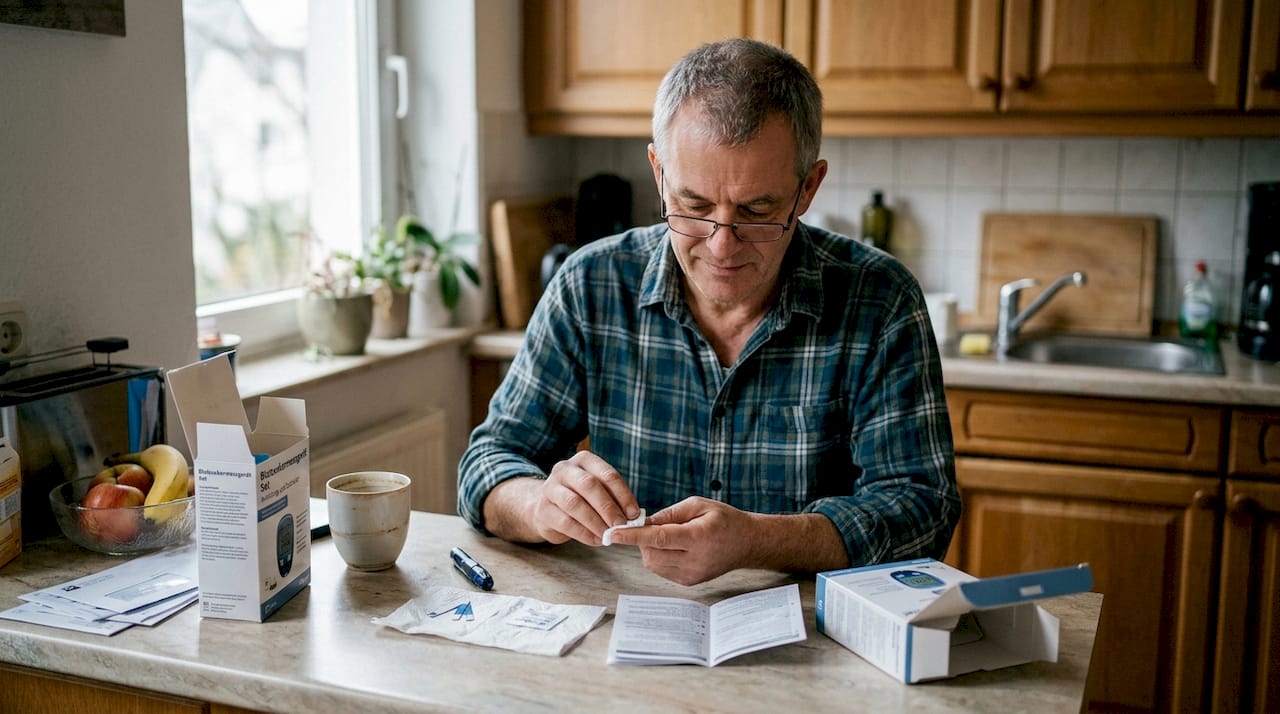
Home testing means that you collect a sample yourself, send it to a laboratory, and receive the results digitally. No waiting room, no prescription, no appointment scheduling. The process is similarly structured for most providers.
Typical process in four steps:
- Order the test kit and have it delivered to your home
- Collect the sample (blood via finger prick, saliva using a cotton swab, stool via a swab)
- Send in the sample using the enclosed return envelope
- Access results via app or online portal, usually within 5 to 10 business days
For reputable providers, sample collection, shipping, and analysis follow ISO standards, ensuring consistent laboratory quality.
| Test type | Sample | Typical application |
|---|---|---|
| Blood test | Capillary blood (finger prick) | Nutrients, hormones, inflammation markers |
| DNA test | Saliva | Metabolism, nutritional predisposition, fitness |
| Microbiome test | Stool | Gut health, bacterial diversity |
| FIT test | Stool | Early detection of colorectal cancer |
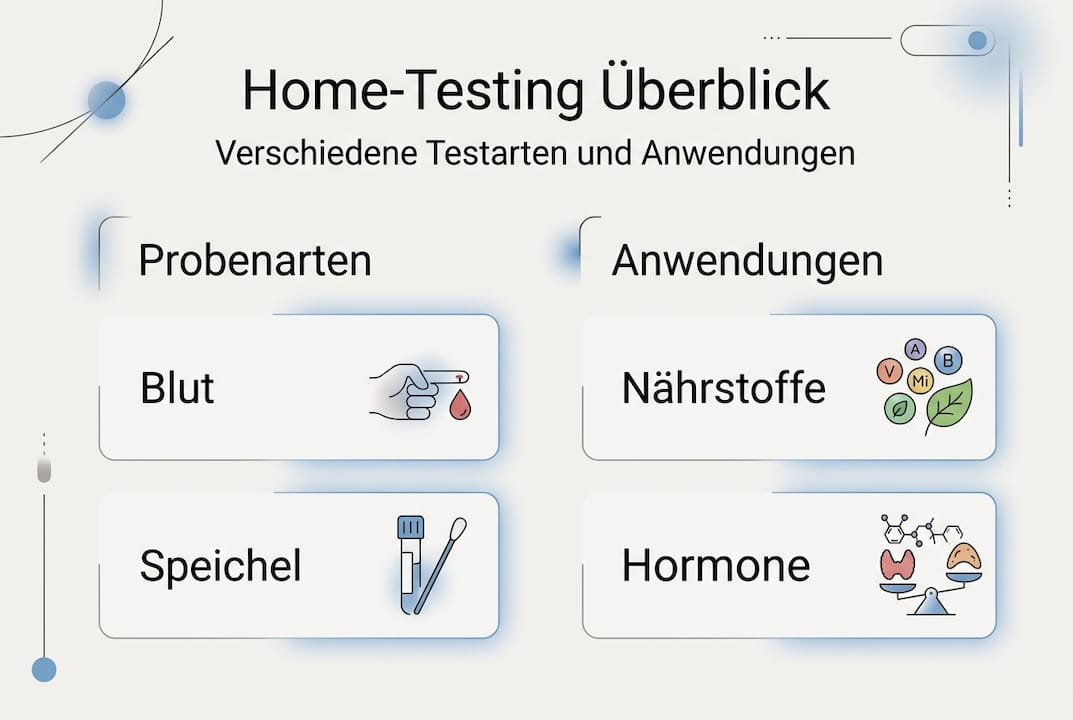
Choosing the right test depends on your goal. You can find a good overview of suitable home test types in our guide.
Pro tip: When making a purchase, always check the laboratory’s ISO certificate. Without this certificate, there is no guarantee of standardized evaluation procedures, and the results may vary considerably.
Benefits and limitations of home testing
Once you understand how home testing works, it is essential to examine both its benefits and its critical aspects. The market is growing quickly, and not every offering lives up to its promises.
Home testing is convenient, affordable, and encourages preventive care, but it carries risks related to accuracy and interpretation. Anyone who takes a test because they are concerned about their health is acting preventively. That is fundamentally positive. Problems arise when results are misunderstood or overinterpreted.
“Self-tests can be a first step toward preventive healthcare, but they do not replace a medical diagnosis. Anyone who receives abnormal results should always discuss them with a doctor.”
| Aspect | Advantage | Limitation |
|---|---|---|
| Accessibility | Available anytime, without an appointment | No direct consultation with a doctor |
| Cost | Often cheaper than visiting a doctor | Not all tests are covered by health insurance |
| Motivation | Promotes personal responsibility | Risk of overinterpretation |
| Result quality | ISO-certified laboratory provides valid data | Difficult to interpret without context |
The problem is particularly apparent with microbiome tests: false-positive or false-negative results often occur when reference values are lacking or samples are not collected correctly. Anyone who takes a critical view of DNA tests will also find important context there. And anyone familiar with the benefits of microbiome tests can use them more effectively.
Advantages at a glance:
- No waiting times or doctor’s office fees
- Discreet testing at home
- Results available digitally and permanently
- Encourages greater health awareness
- Wide range of testing options
What home tests are available, and what should you consider?
To make the comparison table and expert opinions practically useful, here is a concrete overview of test types, quality criteria, and recommendations.
Blood tests are the most reliable of the home tests, provided the laboratory is ISO-certified. They are well suited for nutrient checks, hormone status, or inflammation markers.
DNA tests analyze genetic predispositions related to metabolism, nutrition, or fitness. They are scientifically controversial but provide useful points of reference. Our comparison article explains more about the differences between microbiome tests and how to use them correctly.
Microbiome tests measure the composition of gut bacteria. The problem: microbiome tests are sometimes unreliable due to a lack of standards, and DNA analyses are scientifically controversial. In addition, results from microbiome studies vary widely because standardized reference values are lacking. For meaningful use, we recommend the step-by-step guide to microbiome testing.
FIT tests (fecal immunochemical tests) are used for colorectal cancer screening. FIT tests for cancer screening are covered by basic insurance from age 50, but positive results must be medically investigated. Important: Results may be distorted during menstruation or in the presence of hemorrhoids.
What to look for when making your selection:
- Check the laboratory’s ISO certification
- Medical follow-up or a consultation service available?
- Data protection (GDPR-compliant, pseudonymization of samples)
- Transparency regarding methodology and reference values
- Clear presentation of results with easy-to-understand recommendations
Those who want to have their metabolism tested can find a good introduction to the topic there.
Pro tip: Always combine home tests with professional advice, whether from a doctor, a nutritionist, or the test provider’s support team. A result on its own says little; it only reveals its value in the context of your lifestyle.
How to correctly interpret and use home testing
Once it has been clarified what to look for when selecting a test, the practical implementation follows. After all, a test result is only as useful as the conclusions you draw from it.
How to make sensible use of your results:
- Read the results report and look up unfamiliar terms or ask the provider
- Flag and prioritize abnormal values; not everything is equally urgent
- Review the recommendations to determine whether they fit your current life situation
- Involve a doctor or healthcare professional, especially in the case of borderline or unclear results
- Implement changes and consider taking a follow-up test after a few weeks
Personalized nutrition and fitness recommendations based on home tests should be critically reviewed and, if necessary, discussed with experts. This is particularly important when recommendations are highly specific or deviate significantly from previous habits.
Most reputable providers deliver results through an app or online portal, supplemented by a detailed report. With mybody®, you also receive specific nutrition and lifestyle recommendations tailored directly to your test results. Those who want to use their DNA analysis for nutrition goals can find practical explanations there. And those who want to interpret their microbiome healthily will find a structured introduction there.
Expert tip: If a result concerns you, don't wait. Contact the provider's support team or book a short consultation. Reputable providers offer this service, and it can make the difference between taking sensible action and experiencing unnecessary worry.
Discover modern home tests for your health
Anyone who wants to take an active role in managing their health needs reliable data as a foundation. mybody® offers ISO-certified home tests for DNA, microbiome, nutrients, hormones, and more, all conveniently performed at home and evaluated with personalized reports. With over 11,300 satisfied customers and a rating of 4.77 stars, mybody® stands for verified quality and transparent data processing in accordance with the GDPR. Whether you want to understand your metabolism, improve your gut health, or detect nutrient deficiencies at an early stage: the next step is easier than you might think. Discover the full range now and choose the right home test for your personal health goals.
Frequently asked questions about home testing
How reliable are home tests for blood, microbiome, and DNA?
Reliability varies considerably depending on the type of test: Blood tests from ISO-certified laboratories provide valid results, while microbiome tests fluctuate considerably due to the lack of standard reference values, and DNA analyses remain scientifically controversial.
Are home tests covered by health insurance in Switzerland?
FIT tests are covered by basic health insurance from the age of 50. All other home tests, such as DNA or microbiome analyses, generally have to be paid for out of pocket.
What should I consider before taking a microbiome or DNA test?
Look for ISO certification of the laboratory and combine the results with expert advice. Advice is important for meaningful interpretation, as microbiome tests often vary considerably.
Can I responsibly do home testing without a doctor?
For general health insights, home testing is useful and motivating. Home tests do not replace medical advice, so abnormal results should always be discussed with a doctor.



Share now:
Metabolism weight-loss test that can change your life
Online Metabolism Analysis: Your Path to More Energy and Well-Being in 2026