

Why Test the Microbiome? Greater Well-Being Through Gut Analysis
More than 70 percent of our immune system is located directly in the gut. This shows how closely the microbiome is linked to our health. Whether digestion, defenses, or even mood, this unique ecosystem regulates and protects numerous functions in the body. Understanding how the microbiome works can help people better interpret symptoms and take targeted preventive or treatment measures. Here you will learn why the microorganisms in the gut are so important and which factors influence the balance.
Table of Contents
- Importance of the Microbiome for Health
- How microbiome analyses are conducted
- Typical applications and symptoms
- Scientific foundations and significance of the tests
- Risks, costs, and possible alternatives for microbiome tests
Key Findings
| Point | Details |
|---|---|
| Influence of the Microbiome | The microbiome has a significant impact on health, particularly on the immune system and digestion. |
| Individual Composition | The composition of the microbiome varies greatly between individuals and is influenced by diet, stress, and lifestyle. |
| Microbiome Analyses | Microbiome analyses provide insights into the gut flora and its effects on health, but they are not a substitute for medical diagnoses. |
| Preventive Measures | A fiber-rich and varied diet, along with stress reduction, is key to promoting a healthy microbiome. |
Importance of the Microbiome for Health
The microbiome is far more than just a collection of bacteria in our gut. It is a complex ecosystem that is crucial to our overall health. Current research on microbiome testing shows that these microscopic organisms have an enormous influence on nearly all bodily functions.
Our microbiome influences not only digestion but also plays a central role in regulating our immune system. Around 70 percent of our immune cells are located in the gut, giving the microbiome a direct influence on our defenses. It produces important signaling substances that regulate inflammatory processes and may help prevent disease.
The composition of our microbiome is highly individual and is influenced by numerous factors: diet, stress, medication, and lifestyle all play a crucial role. A balanced gut flora can optimize metabolic processes, improve nutrient absorption, and even affect mental health. Scientists now speak of a gut–brain axis, demonstrating how closely these systems are connected.
Pro tip for microbiome health: Eat a varied, high-fiber diet with fermented foods such as yogurt, kefir, or sauerkraut. These support healthy gut flora and promote balance in your microbiome.
Here is an overview of key factors influencing the microbiome and their effects:
| Influencing factor | Effect on the microbiome | Recommended measures |
|---|---|---|
| Diet | Promotes diversity or uniformity | Use fiber and fermented foods |
| Stress | Can disrupt the bacterial composition | Plan time for relaxation and breaks |
| Medications | Often reduces beneficial bacterial species | Only after consulting a doctor |
| Lifestyle | Affects microbiome stability | Optimize exercise and sleep |
How microbiome analyses are conducted
A microbiome analysis is a precise scientific method for examining the individual composition of your gut flora. Modern microbiome tests provide detailed insight into the diversity and composition of the bacteria in your digestive tract.
The process usually begins with a simple stool sample test that you can conveniently perform at home. After receiving the test kit, you collect a small stool sample using special collection aids. Hygienic and precise sample collection is important to obtain meaningful results. The sample is then sent back to the laboratory in a specially prepared transport container.

In state-of-the-art laboratories, the sample is examined using genetic sequencing technologies. The bacteria’s genetic information is analyzed to determine their species, quantity, and functions. Advanced bioinformatics algorithms help interpret complex microbiome data and translate it into understandable insights. The analysis includes not only identifying bacterial species but also their potential effects on health, the immune system, and metabolism.
Pro tip for microbiome analysis: Store your test results carefully and consult a nutritionist or doctor to interpret the findings holistically and develop targeted strategies to improve your gut health.
Typical applications and symptoms
The microbiome test covers a wide range of health areas in which disturbances of the gut flora play a decisive role. Current medical research shows that an imbalanced microbiome may be associated with various health challenges.
Typical areas of application include digestive disorders such as irritable bowel syndrome, chronic inflammation, food intolerances, and allergies. For these symptoms, a detailed microbiome analysis can provide important clues about possible causes and treatment approaches. Particularly in chronic intestinal diseases such as Crohn's disease or ulcerative colitis, examining the gut flora can provide valuable insights into the mechanisms of the disease.
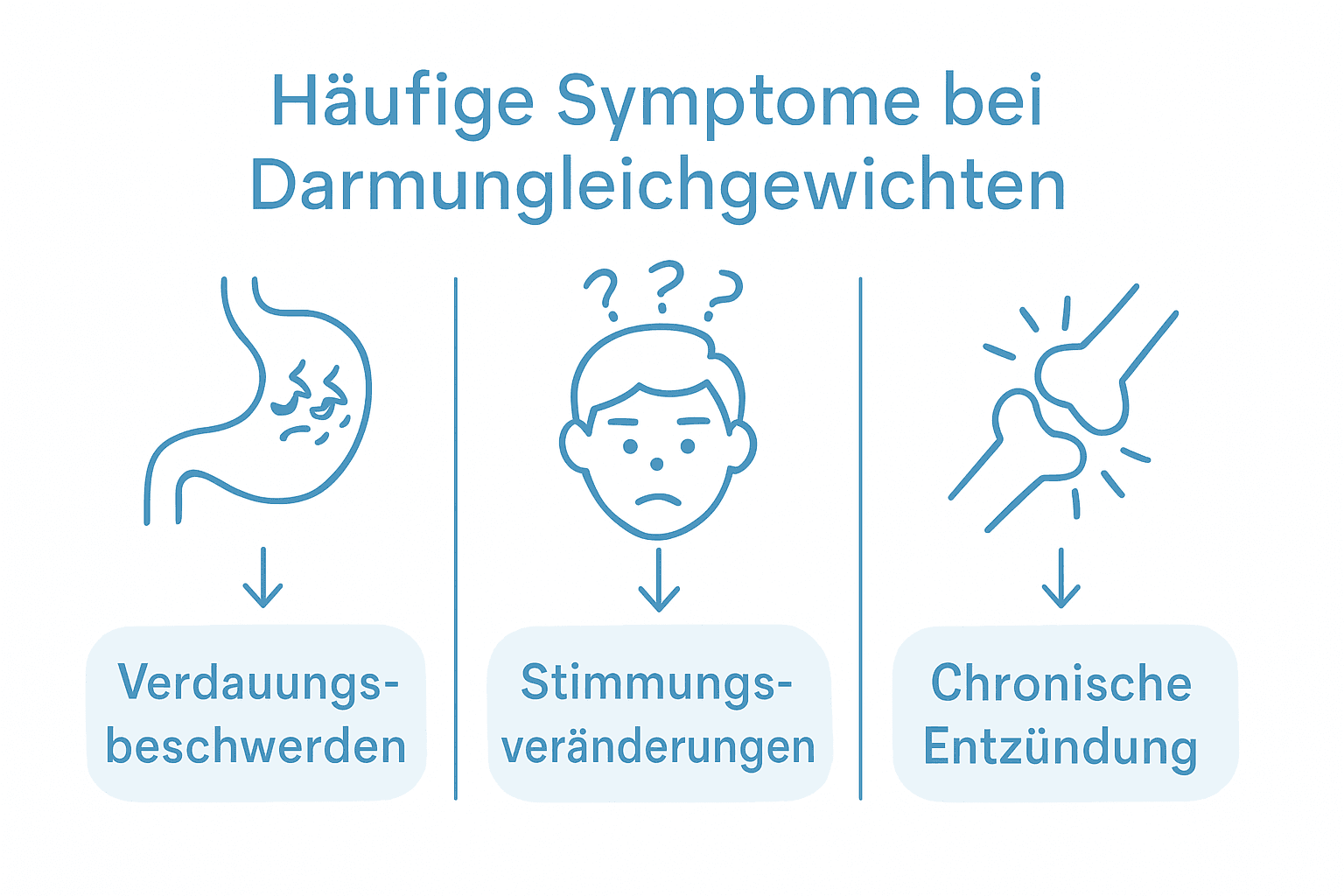
In addition, scientific studies show connections between the microbiome and health conditions that may not appear to be directly related to the gut. These include mental illnesses such as depression, autoimmune diseases, metabolic disorders, and even neurological diseases. The microbiome affects not only local gut health, but can also have far-reaching effects on our entire body through its communication with the nervous and immune systems.
Pro tip for symptoms: Pay attention to subtle changes in your body, such as digestive problems, unusual mood swings, or unexplained inflammation. These may indicate an imbalanced microbiome and should be investigated more closely through a targeted test.
Scientific foundations and significance of the tests
Scientific research into the microbiome is a complex and rapidly evolving field. International research teams are continuously developing new methods to understand the relationships and interactions among gut bacteria more precisely.
The significance of microbiome tests is based on advanced molecular biology analysis methods such as genetic sequencing. These methods identify not only the bacterial species, but also examine their quantity, distribution, and functional characteristics. Modern tests can now distinguish hundreds of different bacterial strains and capture their genetic potential in detail. This makes it possible to draw conclusions about metabolic processes, immune functions, and potential health risks.
There are still challenges in scientific evaluation. Research shows that defining a “healthy” microbiome is complex. The individual composition varies greatly between people and depends on numerous factors such as diet, lifestyle, genetics, and environmental influences. Therefore, microbiome tests should be understood as personalized snapshots that reveal trends and tendencies, but do not constitute an absolute diagnosis.
Pro tip for scientific interpretation: Always consider microbiome test results holistically and consult a specialist who can help translate the complex data into concrete health recommendations.
Risks, costs, and possible alternatives for microbiome tests
Microbiome tests offer valuable insights into gut health, but it is important to carefully weigh the risks and costs. Coverage of the costs by health insurance providers varies greatly, so patients often have to pay the expenses themselves.
The cost of a professional microbiome test typically ranges from €100 to €300. Factors such as the level of detail in the analysis, laboratory quality, and scope of the evaluation play a decisive role. It is important to be aware of potential risks, such as misinterpretation of the results or incorrect self-diagnosis. A microbiome test is by no means a substitute for medical advice, but should be understood as a supplementary tool for assessing health.
The following is a comparison of different microbiome testing methods:
| Testing method | Scope of analysis | Cost range | Time to receive results |
|---|---|---|---|
| Commercial home tests | Diversity and functions | €100–300 | 2 to 4 weeks |
| Clinical laboratory diagnostics | Level of detail and precision | €200–500 | 1 to 2 weeks |
| Research studies | Focus on fundamentals | Variable | According to the study plan |
As an alternative to commercial tests, there are ways to support gut health preventively. Dietary changes involving high-fiber foods, probiotics, and prebiotics can positively influence the gut flora. Regular exercise, stress reduction, and sufficient sleep are other important factors for a healthy microbiome. Different providers and testing methods can be compared individually to find the appropriate analysis method.
Pro tip for test decisions: Consult your general practitioner before taking a microbiome test to clarify whether such a test is appropriate for your individual health situation and which aspects require particular attention.
Discover your gut health with mybody®x for greater well-being
A disrupted microbiome can manifest through digestive problems, mood swings, or chronic symptoms. This article shows how important precise gut analysis is for maintaining a healthy balance in the body. If you are looking for lasting improvements to your gut flora, we recommend our Gut flora analysis – For healthy gut flora - mybody®x. Here you will find state-of-the-art microbiome tests that provide detailed insights into your gut bacteria.
Take the opportunity to actively support your health with scientifically validated laboratory analyses and personalized nutrition and lifestyle recommendations. You can conveniently complete our tests at home. Learn more about the wide range of testing options available at At-home gut health and intolerance tests – mybody®x and begin your journey toward greater well-being today. Visit mybody-x.com and secure your personal analysis for a strong, balanced gut flora.
Frequently asked questions
What is a microbiome test?
A microbiome test is a scientific method for analyzing the individual composition of the gut flora. The test results provide insights into the diversity and function of the bacteria that live in the digestive tract.
How is a microbiome analysis performed?
A microbiome analysis is generally performed using a stool sample test that you can conveniently complete at home. The sample is then sent to a laboratory, where it is analyzed using genetic sequencing.
What health benefits does a microbiome analysis offer?
A microbiome analysis can help identify imbalances in the gut flora associated with various health problems, such as digestive disorders, allergies, or even mental health conditions. This enables targeted measures to improve health.
How long does it take to receive the results of my microbiome analysis?
The time until results are available varies depending on the testing method, but is generally between 2 and 4 weeks for commercial at-home tests and 1 to 2 weeks for clinical laboratory diagnostics.



Share now:
Step-by-step guide to testing your gut flora at home
Build Your Microbiome: The Ultimate Guide to Your Gut