

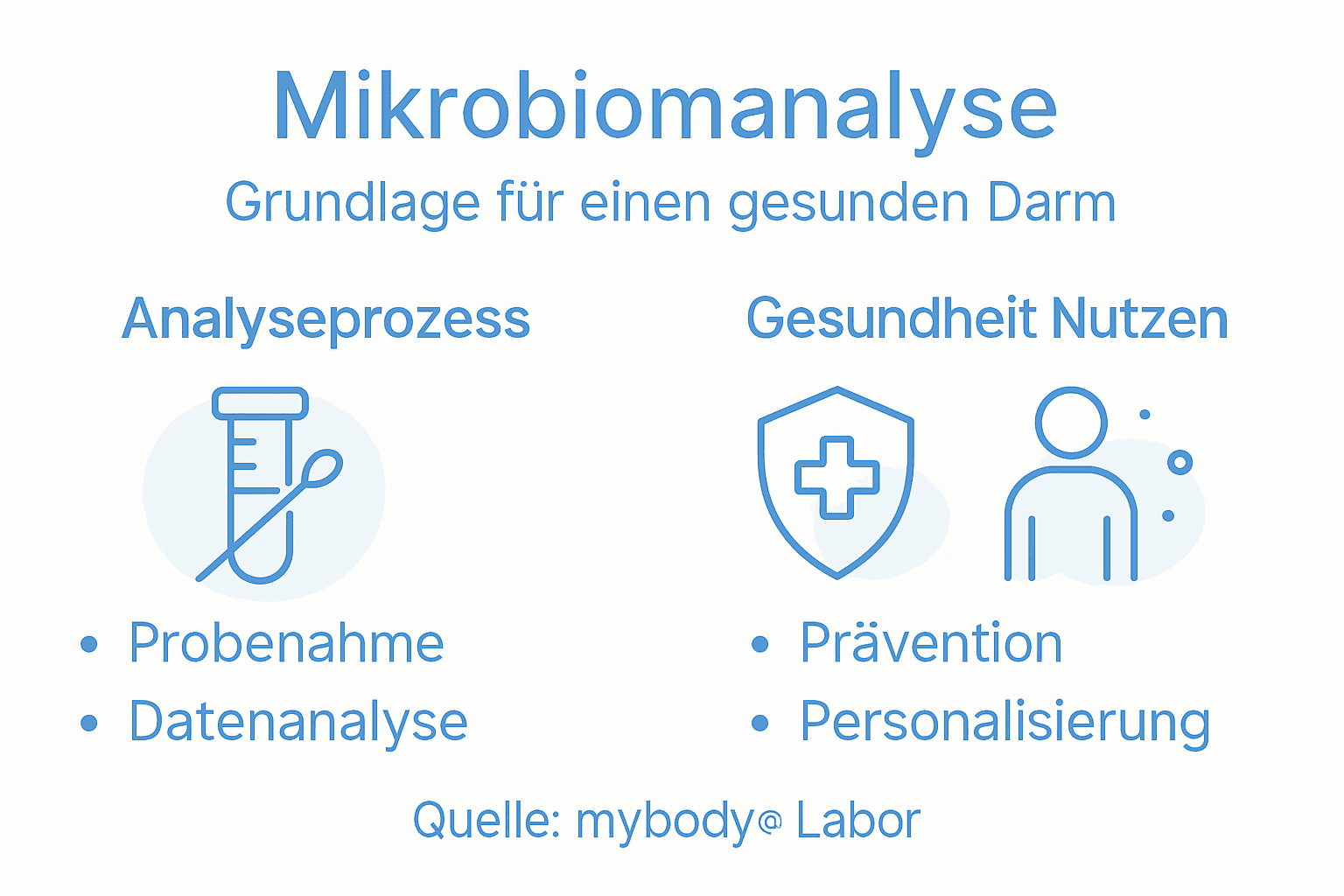
Function of microbiome analysis: Foundation for gut health
Digestive problems, intolerances, or the feeling of not getting the best out of one’s body despite eating mindfully are concerns for many people in Central Europe. Increasing research shows that a balanced microbiome is crucial for digestion, immune defense, and overall well-being. Those who specifically analyze their gut health can identify individual weaknesses and address their health much more effectively with personalized strategies.
Table of contents
- Definition and significance of the microbiome
- Laboratory methods for microbiome analysis
- Applications for health complaints
- Personalized recommendations for action and nutrition
- Risks, costs, and data protection in microbiome analysis
Key findings
| Point | Details |
|---|---|
| Microbiome and health | A balanced microbiome supports digestion and the immune system and influences mental health. |
| Influencing factors | Diet, stress, medication, and genetic predisposition influence the composition of the microbiome. |
| Analytical methods | Modern microbiome analyses, such as 16S rRNA gene sequencing and metagenomic analyses, provide deeper insights into microbial diversity. |
| Personalized nutrition | Detailed microbiome analyses enable tailored nutritional strategies to improve health. |
Definition and significance of the microbiome
The microbiome is a complex community of microorganisms that colonize our bodies and play a crucial role in our health. It includes a wide variety of organisms such as bacteria, viruses, fungi, and parasites, which live mainly in our digestive tract.
The composition of the microbiome is unique and dynamic in every person. Scientific studies show that these microorganisms are far more than just co-inhabitants—they are active participants in our bodily functions with diverse roles:
- Support for digestion
- Production of essential vitamins
- Regulation of the immune system
- Protection against harmful pathogens
A balanced microbiome makes a significant contribution to our health. It influences not only our digestion but also metabolic processes, immune functions, and even our mental well-being.
A healthy microbiome is the key to a functioning immune system and stable health.
The factors that influence the composition of our microbiome are diverse:
- Diet
- Medication use
- Stress
- Living environment
- Genetic predisposition
Interestingly, our microbiome changes throughout our lives and continuously adapts to our living conditions.
Pro tip: Maintain a balanced, fiber-rich diet to support and promote your microbiome.
Laboratory methods for microbiome analysis
Modern microbiome analysis comprises various highly precise scientific methods for examining the complex composition and function of our gut flora. Next Generation Sequencing (NGS) has become established as a key technology, enabling comprehensive analysis of microbial communities.
The most important laboratory examination methods for microbiome analysis include:
- Molecular genetic methods
- 16S rRNA gene sequencing
- Metagenomic analyses
- Cultivation methods
- Bioinformatic analysis methods
In molecular genetic analysis, bacterial DNA is typically extracted from stool samples and amplified using PCR techniques. Specific genetic markers, such as the 16S rRNA region, are examined to enable precise identification and quantification of various bacterial species.
Microbiome analysis provides insights into microbial diversity that go far beyond traditional examination methods.
Bioinformatic analysis plays a central role in interpreting the data obtained. Modern computer programs can classify thousands of microorganisms in a sample and determine their relative abundances.

The results of such analyses provide important insights into:
Below you will find an overview of the most important laboratory methods for microbiome analysis and their respective areas of focus:
| Method | Analytical focus | Significance |
|---|---|---|
| 16S rRNA gene sequencing | Identification of bacterial species | Comprehensive overview of bacterial composition |
| Metagenomic analyses | Entire genome of all microbes | Identifies functional properties |
| Cultivation methods | Detection of cultivable strains | Detailed characterization of living bacteria |
| Bioinformatic analysis | Analysis of large amounts of data | Visualization and interpretation of complex data |
- Diversity of gut bacteria
- Potential health risks
- Individual metabolic processes
- Potential treatment strategies
Pro tip: Always consult a specialist for a professional interpretation of your microbiome analysis results.
Applications for health complaints
Microbiome diagnostics offers extensive possibilities for detecting and treating various health problems. Modern examinations of the gut microbiome can provide important indications of health risks and disorders that go far beyond traditional diagnostic methods.
The main areas of application include:
- Digestive disorders
- Irritable bowel syndrome
- Chronic inflammation
- Food intolerances
- Immune system changes
- Metabolic disorders
- Mental illnesses
In cases of digestive problems, a microbiome analysis can provide precise information about imbalances in the gut microbiome. This enables targeted therapeutic approaches tailored to the individual's microbial composition.
A detailed microbiome analysis can provide crucial insights into the causes of health problems.
The links between the microbiome and various diseases are particularly interesting. Scientific studies increasingly show that changes in the gut flora may be associated with conditions such as autoimmune problems, allergies, and even neurological disorders.
The analysis can provide information about:
- Individual inflammation risks
- Metabolic activity
- Potential health risks
- Potential preventive measures
Pro tip: Conduct regular microbiome analyses to detect changes in your gut flora at an early stage and take targeted countermeasures.
Personalized recommendations for action and nutrition
Personalized nutrition is developing into a revolutionary approach to preventive healthcare. Modern nutrition strategies use advanced technologies such as artificial intelligence to develop customized nutrition concepts.
The foundations of personalized nutrition recommendations are based on:
- Individual microbiome analysis
- Genetic profiles
- Metabolic activity
- Personal health goals
- Lifestyle factors
Detailed analyses can be used to create nutrition plans precisely tailored to an individual's needs. This enables targeted support for health, well-being, and performance.
A personalized nutrition strategy can sustainably improve quality of life and minimize health risks.
Personalized nutrition approaches show particularly promising results for digestive problems. Taking the individual composition of the gut microbiome into account allows for a tailored diet that can reduce symptoms and improve well-being.
Key benefits of personalized nutrition recommendations:
Below is a summary of the differences between general and personalized nutrition:
| Feature | General nutrition | Personalized nutrition |
|---|---|---|
| Approach | One-size-fits-all approach | Individual tailoring based on analysis |
| Objective | Basic care | Optimal health and prevention |
| Influencing factors | Food pyramid, recommendations | Microbiome, genetics, lifestyle |
| Long-term effects | Standardized outcomes | Greater effectiveness and sustainability |
- Improved nutrient absorption
- Targeted support for metabolic processes
- Reducing inflammatory markers
- Optimizing gut health
- Strengthening the immune system
Pro tip: Have your individual microbiome analysis carried out to develop a nutrition strategy truly tailored to you.
Risks, costs, and data protection in microbiome analysis
When conducting a microbiome analysis, various important aspects must be considered. Data protection regulations play a central role in processing sensitive health data and require the utmost care.
The most important risks and challenges include:
- Confidentiality of health data
- Potential data misuse risks
- Unwanted data sharing
- Technical security risks
- Potential discrimination risks
The cost of a professional microbiome analysis varies depending on the scope and level of detail of the examination. While some health insurance providers cover part of the costs, patients often have to pay a significant share themselves.
Transparent information and informed consent are essential foundations for every microbiome analysis.
Data protection measures in medical analyses are extremely complex. Modern laboratories use various safeguards to protect personal information:
- Pseudonymization of samples
- Encrypted data transmission
- Strict access controls
- Certified data protection standards
- Limited data retention
Pro tip: Beforehand, find out in detail about the provider’s data protection policies and request a written explanation of how your data will be processed.
Discover the power of microbiome analysis for your gut health
An imbalance in the microbiome poses a challenge for many people and significantly affects digestion, the immune system, and well-being. With microbiome analysis as a foundation, you can identify causes and strengthen your gut flora sustainably. Individual insights into the composition of your gut flora support personalized nutrition and targeted measures for greater health and quality of life.
Take advantage of modern microbiome analyses from mybody®x and benefit from certified laboratory quality and scientifically validated results. Our offering, such as the Gut Flora Analysis – For a Healthy Gut Flora - mybody®x, enables you to carry out the test easily at home, combined with personal consultation. Improve your gut environment now with tailored recommendations and long-term strategies.
Start today with a test from mybody®x and lay the foundation for your individual health and well-being. Find out more on our website about the microbiome, nutrition, and prevention, and discover how evidence-based analyses can transform your life.
Frequently Asked Questions
What is microbiome analysis?
Microbiome analysis is a scientific examination of microbial communities in the human body, particularly in the gut, to understand their composition and functions.
What benefits does microbiome analysis offer for health?
Microbiome analysis provides insights into microbial diversity and potential imbalances in the microbiome, which can contribute to the diagnosis and treatment of digestive disorders and other health problems.
How is microbiome analysis conducted in the laboratory?
Microbiome analysis is generally carried out using molecular genetic methods, particularly 16S rRNA gene sequencing, to determine the genetic diversity of bacteria in the microbiome.
Why is the microbiome important for gut health?
A balanced microbiome plays a crucial role in digestion, vitamin production, and immune system regulation, thereby contributing to overall health and well-being.
Recommendation
- Microbiome Test Explained: How Gut Flora Analysis Works – mybody®x
- Microbiome Test: Your Guide to Better Gut Health – mybody®x
- Gut Analysis Test: Find Your Path to Better Gut Health – mybody®x
- Gut Microbiome Examination: Your Complete Guide to Microbiome Analysis – mybody®x
- Why Test for Deficiencies: Personal Health Im… | Biostarks



Share now:
Perform a microbiome test at home: Step-by-step guide
Gastrointestinal test online for your digestion and well-being