

Banana fiber: Everything you need to know
Did you know that a medium-sized banana can cover around 10 percent of your daily fiber needs? Many people underestimate how important these special carbohydrates are for digestion, satiety, and metabolism. Even small changes in the selection and consumption of bananas can have a noticeable effect on gut health and overall well-being. Understanding which fibers are found in ripe and unripe bananas allows you to harness the potential of this popular fruit for your diet.
Table of contents
- Dietary fiber in bananas: Definition and basics
- Differences between ripe and unripe bananas
- Health benefits for digestion and metabolism
- Influence on the intestinal flora and the microbiome
- Recommended quantities and integration into everyday life
Key findings
| Point | detail |
|---|---|
| Dietary fiber in bananas | Bananas contain both soluble and insoluble fiber, which perform essential functions for digestion and health. |
| Unripe vs. ripe bananas | The fiber content varies with the degree of ripeness: unripe bananas are rich in resistant starch, while ripe bananas offer more soluble fiber. |
| Health benefits | Adequate fiber intake can reduce the risk of diseases such as obesity and cardiovascular disease. |
| Recommended intake | Experts recommend a daily fiber intake of 30 to 40 grams, which can be achieved through various foods, including bananas. |
Dietary fiber in bananas: Definition and basics
Dietary fiber is a special food component that plays a central role in our health. According to Diabetes Germany, it consists of special carbohydrates that cannot be broken down by the human digestive system. It is typically found in plant-based foods such as whole grains, vegetables, fruits, nuts, and legumes.
Bananas contain two main types of fiber: soluble and insoluble . Soluble fiber forms a gel-like substance in the digestive tract and can bind cholesterol, while insoluble fiber stimulates bowel movements and promotes better digestion. A medium-sized banana contains about 3 grams of fiber, which is approximately 10% of the daily requirement.
The importance of dietary fiber extends far beyond simply aiding digestion. Foodwatch emphasizes that it fulfills vital functions for our bodies: it supports gut health, regulates blood sugar levels, promotes satiety, and can reduce the risk of cardiovascular disease. These positive effects are particularly pronounced in bananas, as they contain not only dietary fiber but also valuable nutrients such as potassium, vitamin B6, and magnesium.
When increasing your fiber intake, the rule of thumb is: increase slowly and drink plenty of water. This helps to avoid potential initial digestive discomfort and gives your body time to adjust to the increased fiber intake. Bloating after eating can be a sign that your body is still adjusting.
Differences between ripe and unripe bananas
The ripeness of a banana plays a crucial role in its fiber composition and health benefits. Healthy eating explains that the fiber content changes significantly depending on the stage of ripeness: unripe bananas differ considerably from ripe ones.
Resistant starch is the key to the differences. According to Foodwatch , it is a special form of dietary fiber that is not digested in the small intestine and passes unchanged into the large intestine. Unripe bananas have a particularly high proportion of resistant starch, which means:
- Unripe bananas contain more resistant starch.
- They serve as a food source for beneficial gut bacteria.
- The fiber content is more complex and indigestible.
Ripe bananas, on the other hand, have a significantly higher proportion of soluble fiber . This fiber transforms during the ripening process and offers different health benefits. It is easier to digest and supports the gut flora in a different way than the resistant starch in unripe bananas.

Here is a comparison of the types of fiber in ripe and unripe bananas:
| feature | unripe banana | Ripe banana |
|---|---|---|
| Main type of dietary fiber | Resistant starch | Soluble dietary fiber |
| Proportion of resistant starch | High | Low |
| proportion of soluble fiber | Low | High |
| Effect on intestinal bacteria | Promotes beneficial bacteria | Supports gut flora |
| digestion | More difficult to digest | Easier to digest |
| The taste | Less sweet | Sweet |
For people with sensitive digestive systems or specific health goals, the choice between ripe and unripe bananas can make a difference.
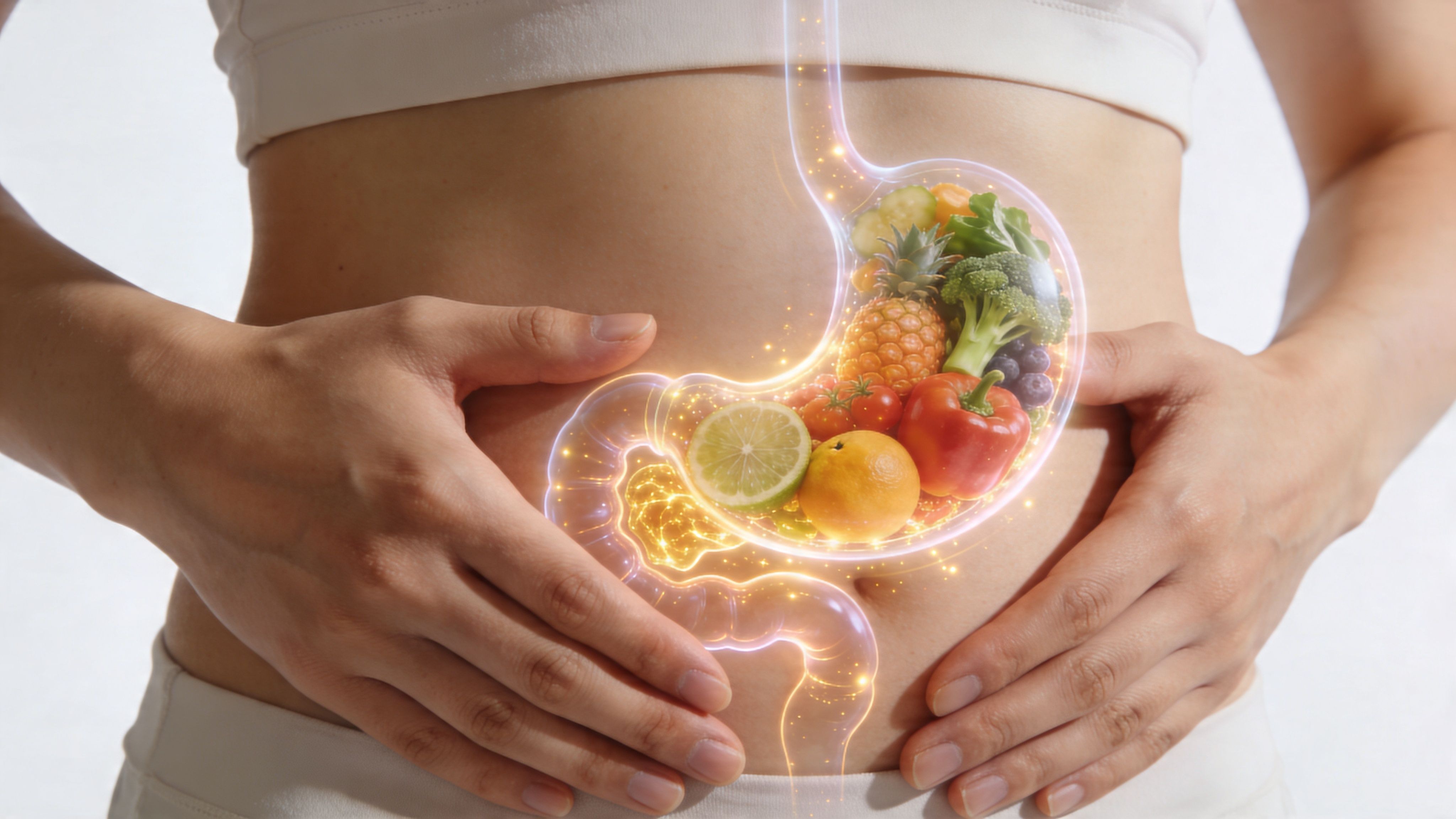
[INFOGRAPHIC:infographic_content] Unripe bananas can be more helpful for certain digestive issues, while ripe bananas offer a more pleasant texture and sweeter taste. [Stopping post-meal bloating can be an important consideration when choosing the right ripeness.]
Health benefits for digestion and metabolism
Dietary fiber plays a crucial role in our health, particularly regarding digestion and metabolism. Diabetes Germany emphasizes that it not only regulates bowel movements but also contributes to satiety and can stabilize blood sugar levels.
The effect on the digestive tract is particularly noteworthy. According to Foodwatch, dietary fiber has several important functions:
- Increased stool volume
- Reduction of the transit time of the food bolus
- Prolongation of the feeling of satiety
The health benefits extend far beyond digestion. A high fiber intake has been shown to reduce the risk of various diseases, including:
- obesity
- High blood pressure
- Coronary heart disease
- Colon cancer
For holistic gut health, it's important to continuously optimize fiber intake. Promoting gut health can be a crucial key to our overall well-being. The variety of fiber in foods like bananas offers a natural and tasty way to integrate these important nutrients into everyday life.
Influence on the intestinal flora and the microbiome
Dietary fiber in bananas plays a crucial role in the health of our gut microbiome. Resistant starch, in particular, is a key element that interacts directly with the gut flora. Foodwatch explains that this specific type of fiber passes unchanged into the large intestine, where it serves as a food source for beneficial gut bacteria.
The effect on the microbiome is impressive. Resistant starch acts like a prebiotic, specifically supporting the growth of beneficial gut bacteria. This has far-reaching advantages:
- Promoting beneficial bacterial strains
- Improvement of intestinal barrier function
- Strengthening the immune system
- Optimizing metabolism
Bananas offer a natural and tasty way to support the gut microbiome. A microbiome test can help you better understand the individual effects. It's particularly interesting that the fiber content varies depending on the ripeness and can therefore have different effects on the gut flora.
For optimal gut health, experts recommend a balanced diet with diverse sources of fiber. Bananas are just one component – the variety and regularity of fiber intake are crucial for developing and maintaining a healthy and stable microbiome.
Recommended quantities and integration into everyday life
Diabetes Germany recommends a daily fiber intake of 30 grams . This amount can easily be achieved through a targeted and varied diet, with bananas being an excellent and tasty option.
According to the German Nutrition Society, 30 to 40 grams of fiber should be consumed daily. Foodwatch offers practical tips for incorporating fiber into your diet:
- A banana for breakfast (approx. 3g of fiber)
- Wholemeal bread with banana slices
- Muesli with fresh banana pieces
- Smoothies with bananas as a base
For optimal fiber intake, experts recommend a combination of different foods. Leaky gut nutritional therapy can provide additional insights into a gut-friendly diet. It's important to increase fiber intake gradually and drink enough water to avoid digestive problems.
A balanced dietary strategy means not only the sheer quantity, but also the quality of dietary fiber. Bananas offer a natural, sweet, and healthy way to pleasantly meet your daily fiber needs.
Discover how you can support your digestion with fiber from bananas and modern analyses.
Dietary fiber from bananas is a valuable contributor to gut health and a stable metabolism. However, especially for those with a sensitive digestive system or uncertainties about proper nutrition, transitional problems and bloating can quickly spoil the enjoyment of healthy eating. If you want to specifically optimize your fiber intake and simultaneously gain a better understanding of how your individual gut microbiome reacts to different food components, personalized analyses are key.
With a detailed gut flora analysis – for a healthy gut flora – mybody®x, you gain scientifically sound insights into your gut microbiome. Additionally, our tests in the category "Understanding and Relieving Digestive Problems | mybody®x" help you better understand your body and directly address symptoms. Learn more now at mybody-x.com and discover how personalized recommendations from certified lab tests can help you improve your diet and strengthen your gut health in the long term. The best time to start actively and independently managing your health is today.
Frequently Asked Questions
How much fiber does a banana contain?
A medium-sized banana contains about 3 grams of fiber, which is approximately 10% of the daily requirement.
What are the health benefits of fiber in bananas?
Fiber in bananas supports intestinal health, regulates blood sugar levels, promotes satiety and can reduce the risk of cardiovascular disease.
What is the difference between ripe and unripe bananas in terms of fiber content?
Unripe bananas contain more resistant starch, while ripe bananas have a higher proportion of soluble fiber, which is easier to digest.
How much fiber should you consume daily?
Experts recommend a daily fiber intake of 30 to 40 grams, which can be met through a varied diet.


Share:
Building up gut flora: Step-by-step to healthy digestion
Healthy bowel movements: Everything you need to know